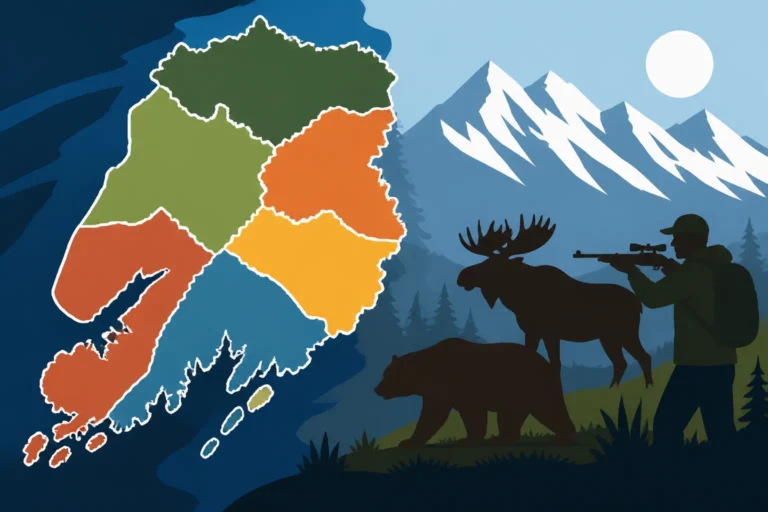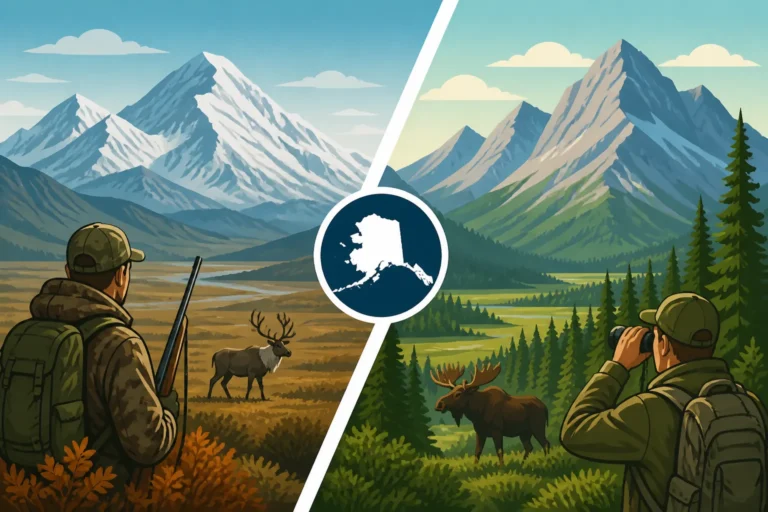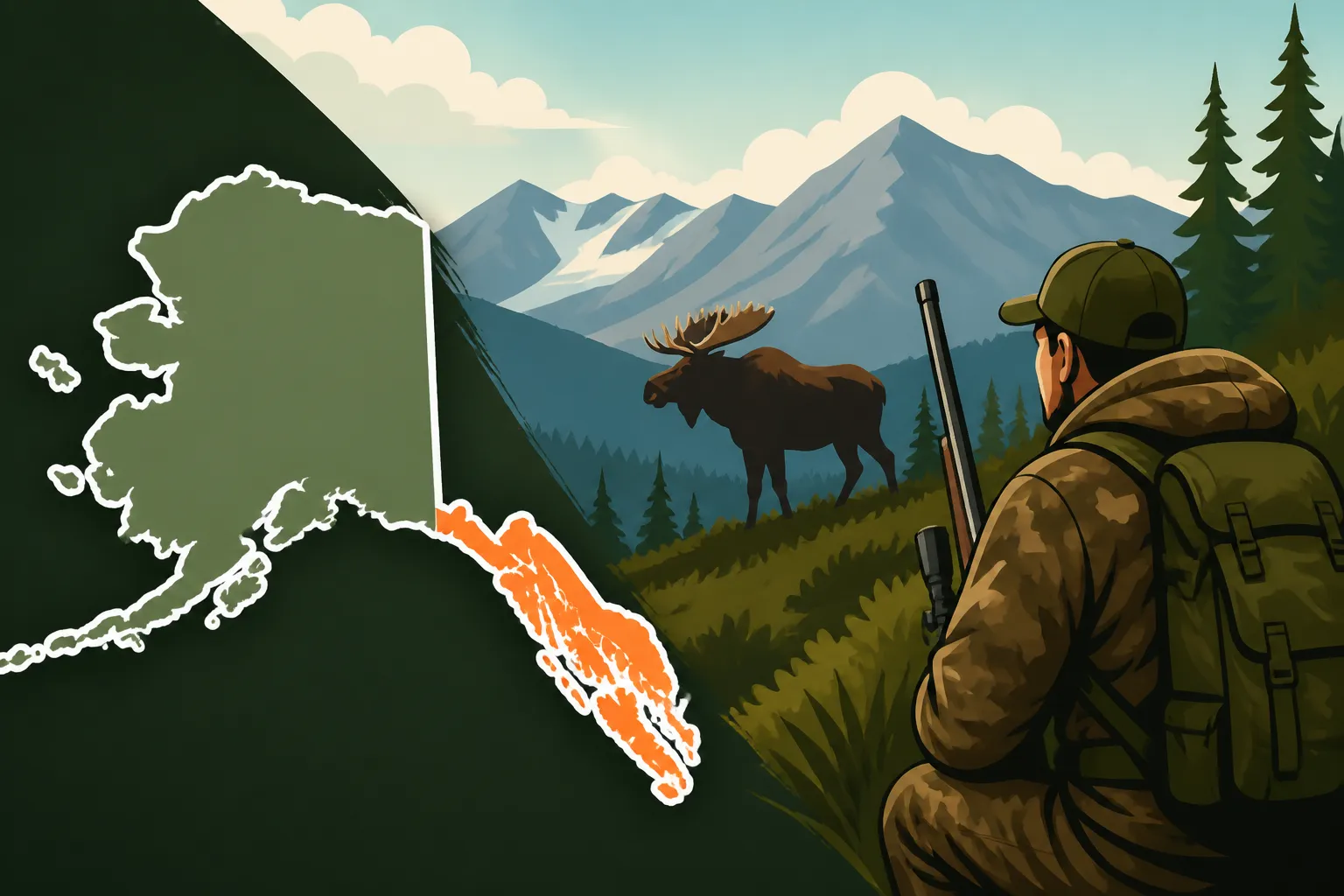
Southeast Alaska Mainland Hunting in Unit 1
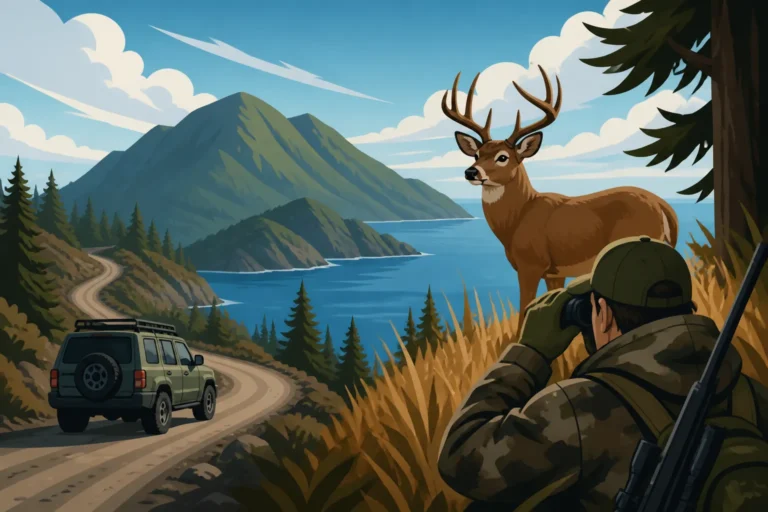
Hunting the mainland of Southeast Alaska, specifically within Game Management Unit 1, is often a dream for many, but it comes with a raw, unforgiving reality. Forget roads, forget easy access, and often, forget dry clothes. This isn't a casual stroll in the woods; it's a deep dive into an untamed temperate rainforest where every harvest is a hard-earned victory against steep terrain, relentless weather, and truly wild country. This guide will walk you through what it really takes to plan and execute a successful hunting adventure in this unique and challenging part of Alaska.
Understanding Southeast Alaska's Unit 1 Mainland Landscape
Unit 1 stretches across a vast and intricate network of islands and mainland bordering British Columbia, encompassing the famed Inside Passage. When we talk about the mainland of Unit 1, we're discussing the narrow strip of rugged terrain that separates the Pacific Ocean from the towering peaks of the Coast Mountains. This area is defined by its dramatic topography, dense rainforests, and an intimate relationship with the ocean.
The Rugged Terrain and Coastal Influence
Imagine sheer mountain faces plunging directly into deep fjords, intersected by narrow, glacially carved valleys. That's the typical scene in Unit 1 mainland. The landscape is dominated by the Tongass National Forest, the largest national forest in the United States, characterized by its old-growth Sitka spruce and western hemlock, draped in moss, and choked with devil's club and blueberry bushes. Travel here is almost exclusively on foot, often requiring steep climbs immediately from tidewater.
The coastal influence is profound. Rain isn't just a possibility; it's a near-constant companion. Hunters often find themselves slogging through muskeg, a spongy, waterlogged peat bog that can suck the boots right off your feet. Rivers and streams are numerous and powerful, often unfordable after heavy rains, adding another layer of complexity to navigation and safety. The interface where the ocean meets the mountains creates unique microclimates and specific challenges, but also distinct hunting opportunities.
Key Species in Unit 1 Mainland
While Unit 1 is vast, the mainland portion offers particular challenges and rewards for certain species, each adapted to this unique ecosystem.
The most sought-after big game animal here is undoubtedly the Sitka Blacktail Deer. These hardy deer thrive in the coastal rainforest, utilizing the dense cover for protection and moving between timbered areas and alpine fringes for forage. Their numbers can fluctuate dramatically, heavily influenced by severe winters, as discussed in Sitka Blacktail Deer Population Cycles in Alaska. Hunting blacktails often involves beach combing at low tide, still-hunting through thick timber, or arduous climbs to alpine meadows where they graze in summer and early fall. Success often comes down to patience, stealth, and a keen understanding of their movements relative to the terrain and weather.
High above the deer country, in the most inaccessible and treacherous terrain, live the Mountain Goats. These incredible animals are masters of their rocky domain, inhabiting the steepest cliffs and high alpine basins. Pursuing them in Unit 1 mainland is an extremely physically demanding endeavor, requiring specialized gear, exceptional mountaineering skills, and a strong will. Their white coats blend surprisingly well with snowfields and rock faces, making spotting them a challenge even for the most seasoned glassers. If you're considering a goat hunt, understanding Alaska Mountain Goats in Coastal Cliff Country is paramount, as is training for the extreme physical exertion involved.
Unit 1 is also home to a healthy population of Brown Bears, particularly the coastal variety known for their impressive size. These bears are often found in coastal valleys, along salmon-spawning streams, or on open avalanche chutes in spring, feeding on emerging vegetation. Hunting brown bears here is a serious undertaking, requiring an intimate knowledge of bear behavior and strict adherence to safety protocols. It's crucial to understand the differences between these coastal giants and their interior cousins, as highlighted in Alaska Brown Bears on the Coast Versus Interior Grizzlies, as well as being mentally prepared for an encounter. Wolves are also present throughout the mainland timber, though they are incredibly elusive and difficult to hunt due to the dense cover and vast territories they roam.
Access Challenges and Solutions
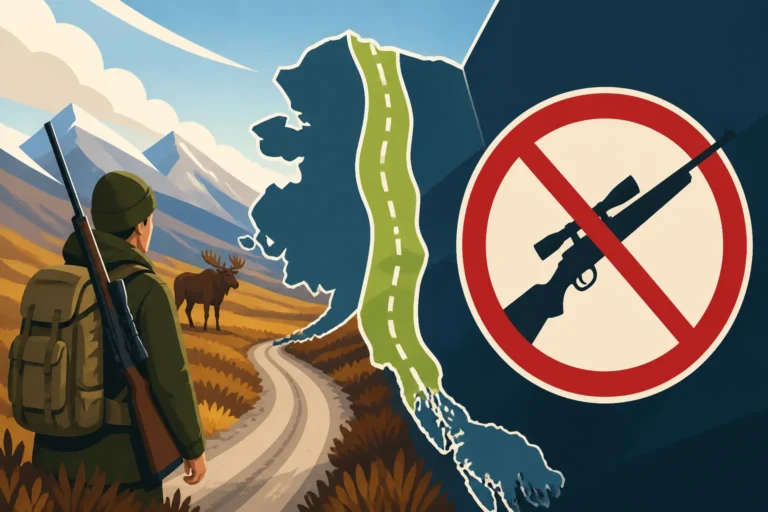
Here's the stark reality: there are virtually no roads on the mainland of Unit 1 outside of very small, localized communities. This means every hunting trip is a true wilderness expedition, requiring self-sufficiency and careful planning for remote access.
The primary method of access for most hunters is by boat. Skiffs, typically 16-20 feet long with outboard motors, are the workhorses of Southeast hunting. They allow hunters to explore countless bays, coves, and river mouths, providing a crucial advantage for hunting beach-dwelling deer or accessing trailheads into the timber. Larger cabin cruisers might serve as a floating base camp, offering shelter from the elements, but even then, a robust skiff is essential for getting ashore and navigating shallow waters. Understanding Skiff Hunting Deer Along Saltwater Beaches and mastering the intricacies of Anchoring Overnight on a Deer Hunt are critical skills for a successful boat-based hunt.
For reaching more remote alpine areas or specific valleys, bush planes, particularly float planes, are an invaluable asset. They can land on suitable lakes or calm stretches of river, delivering hunters and gear deep into the backcountry. However, this comes with strict weight limits and dependence on weather conditions for flights in and out. Helicopter access, while possible for some operations, is generally very limited for hunting purposes due to regulations and cost. Planning your ingress and egress points carefully, considering the vast, trackless wilderness between them, is essential. For mapping your routes and scouting potential boat anchorages or drop-off points, tools like onX Hunt are invaluable for their detailed satellite imagery, topo maps, and crucially, integrated tide charts which are absolutely vital for coastal operations. Without roads, every mile covered is a testament to effort and meticulous planning.
Navigating Regulations and Permits for Unit 1 Mainland Hunts
Hunting in Southeast Alaska's Unit 1 mainland isn't just about physical prowess; it's also about navigating a complex web of regulations that govern licenses, tags, and access. Missing a detail here can quickly turn a dream hunt into a legal nightmare, so pay close attention.
Essential Licenses and Tags
First and foremost, every hunter needs a valid Alaska hunting license. This is your baseline. Beyond that, the type of animal you pursue dictates additional requirements, often in the form of "locking tags" or "harvest tickets." For Sitka blacktail deer, you'll typically need a harvest ticket, which is free but still requires reporting your kill. For brown bear and mountain goat, you'll need specific locking tags, which come with a significant cost, especially for non-residents. These tags must be purchased and physically attached to the animal immediately after harvest. It's truly a critical component of Alaska Hunting Seasons and Tag Rules Explained that hunters must internalize.
Non-resident hunters pursuing brown bear, Dall sheep, or mountain goat in Alaska have an additional, fundamental requirement: they must be accompanied by an Alaska-licensed guide or a close relative (defined as second-degree-of-kin) who is an Alaska resident and meets specific criteria. This guide requirement is a cornerstone of Alaska hunting regulations for these particular species, ensuring safety and resource management in challenging territories. Trying to hunt these species as a non-resident without meeting this requirement will lead to serious legal consequences. For species like blacktail deer or wolf, non-residents can typically hunt unguided, provided they possess the correct licenses and tags.
Drawing Permits and Registration Hunts Specific to Unit 1
While many hunts in Unit 1 are general season harvest ticket or locking tag opportunities, certain areas or species may be managed through draw permits or registration hunts. Draw permits are highly competitive, requiring an application during a specific window (typically November 1 – December 15) for a chance to be selected. These are often for high-demand areas or limited quotas for species like mountain goat. You'd apply for a specific hunt number, hoping your name is drawn from the lottery.
Registration hunts, on the other hand, are generally "first-come, first-served." Hunters register for a specific hunt area, and the season remains open until a pre-determined quota of animals is harvested. These hunts are often announced with short notice, sometimes only days before opening, and can close suddenly via emergency order if the quota is met. Keeping a close eye on the Alaska Department of Fish and Game (ADF&G) website for emergency orders is paramount if you're planning a registration hunt. Understanding the nuances of Alaska Harvest Tickets, Registration Permits and Draw Permits is vital, as a misunderstanding can lead to a forfeited hunt or a citation. Always check the current year's regulations booklet for Unit 1 specifically, as rules can change annually.
Federal vs. State Land and Native Corporation Access
The vast majority of the Unit 1 mainland consists of federal land, primarily the Tongass National Forest, which is generally open to public hunting. However, there are also parcels of state land, private holdings, and crucially, Alaska Native Corporation lands interspersed throughout. Knowing whose land you are on is not just a courtesy; it's a legal requirement.
Hunting on Native Corporation lands almost always requires specific permits, and these often come with a fee. These corporations manage their lands for a variety of purposes, and access for hunting is strictly controlled. Failure to secure permission can result in trespassing charges, forfeiture of game, and significant fines. Before setting foot in any area, consult land status maps. This is another area where a robust mapping application like onX Hunt becomes indispensable, as its land ownership layers can clearly delineate federal, state, and private (including Native Corporation) parcels, helping you avoid accidental trespass. Reading up on Hunting on Alaska Native Corporation Land can save you a lot of headache and potential legal trouble. Always double-check your intended hunting zone against these maps and secure any necessary permits well in advance. Ignorance of land ownership is not a valid defense.
Practical Strategies for a Successful Unit 1 Mainland Hunt
Hunting the Southeast Alaska mainland is less about a single tactic and more about a holistic approach to surviving and thriving in one of the most demanding environments on the continent. Success hinges on impeccable preparation, adaptable strategies, and an unwavering respect for the wilderness.
Gear Considerations for the Wet Environment
When it comes to gear in Unit 1, "waterproof" isn't just a feature; it's a way of life. This isn't a place for cheap rain gear. You need top-tier, durable waterproof-breathable outerwear (jacket and pants) that can withstand constant abuse from brush, sharp rocks, and downpours. Redundancy is key: consider bringing a lightweight backup rain jacket or even a robust poncho for camp use. Layering is crucial, as temperatures can vary, and you'll be exerting yourself heavily in wet conditions. Prioritize wool or synthetic base layers, mid-layers, and insulation that retain warmth when wet. For a deeper dive, read Rain Gear Guides Actually Recommend.
Footwear is another critical decision. For boat work, beach combing, and slogging through muskeg, a good pair of knee-high rubber boots (like XtraTufs, a local favorite) is essential. However, for strenuous climbs into the alpine for goats or even just navigating steep timber, you'll want heavy-duty, waterproof hiking boots with excellent ankle support and aggressive tread. Bring multiple pairs of socks and a way to dry them out each night. Your pack system must be entirely waterproof, not just water-resistant. Dry bags, pack liners, and waterproof stuff sacks are non-negotiable for all critical gear: sleeping bag, extra clothes, electronics, and food. Finally, multiple redundant fire starters (waterproof matches, lighters, fire steel, even emergency flares) are not luxuries; they are survival tools in this damp environment.
Hunting Techniques for Dense Coastal Timber
The dense timber of Unit 1 presents a significant challenge to traditional hunting methods. Vast open areas for glassing are rare outside of specific alpine zones or large clearcuts. Instead, success often comes down to slow, methodical "still-hunting" or "sneaking" through the brush. Move at a snail's pace, pausing frequently to listen and scan ahead, looking for horizontal lines in a vertical world that might indicate a deer's back or a bear's movement.
While extensive glassing is limited in the timber, it becomes paramount when you reach an open beach, a high alpine basin for goats, or a clearcut. Positioning yourself on a vantage point overlooking these openings and patiently scanning with binoculars and a spotting scope can reveal animals that would otherwise be invisible. Adapt your approach from a generic Glassing the Alaska Range: Finding Game Before You Move to focus on the unique terrain of the coast. For Sitka blacktail deer, calling can be effective during the rut, often a soft bleat or grunt to mimic another deer. On the beaches, timing your hunts with low tides allows access to areas where deer feed on kelp and other marine vegetation, making Tide Tables and Beach Deer Hunting an essential resource for planning. For spring bear hunts, carefully glassing greening avalanche chutes, where bears emerge to feed on fresh vegetation, can be a productive tactic.
Logistics: Boats, Bush Planes, and Base Camps
A hunting trip to Unit 1 mainland is inherently a logistical puzzle. Your primary mode of transport, whether it's your own boat, a charter, or a bush plane drop-off, will dictate much of your strategy. For boat-based hunts, a cabin cruiser or a substantial vessel often serves as the base camp, offering a warm, dry refuge to return to each evening. From there, you deploy smaller skiffs for daily hunting forays. This allows for flexibility, letting you move your base camp as deer or bear sign dictates.
For more ambitious alpine hunts, a spike camp is often necessary. This involves packing lightweight tents, sleeping bags, and minimal supplies high into the mountains for a few days to access prime goat country, reducing daily travel time. Food and water planning must be meticulous. Pack plenty of high-calorie, non-perishable food, and always carry a reliable water filter or purification tablets. Communication is critical: cell service is virtually nonexistent in the backcountry of Unit 1. A satellite communication device like a Garmin inReach or a satellite phone is a non-negotiable safety item for check-ins and emergencies. Make sure to set up Signal Devices and Check-In Plans for Solo Alaska Hunts with a trusted contact back home.
Finally, managing your kill is paramount. Meat care in 50-degree September weather, often accompanied by rain and high humidity, demands immediate and thorough cooling. Quarter the animal quickly, get the meat into breathable game bags, and find a cool, shaded, well-ventilated spot, ideally off the ground and away from potential predators. For brown bear country, a robust bear fence or hanging meat out of reach, as outlined in Hanging Meat Out of Bear Reach, is vital. Always carry bear spray and possibly a powerful firearm for defense when working a kill site, especially if you're alone in this country. Review Bear Safety While Butchering a Kill in Alaska to ensure you're prepared for potential encounters. This region demands respect for its power and its inhabitants.
| Species | Primary Habitat | Typical Season (Check Regulations) | Access Notes | Guide Required (Non-resident) |
|---|---|---|---|---|
| Sitka Blacktail Deer | Coastal timber, beach fringe, alpine edges | August – November | Boat access, short to moderate hikes | No |
| Mountain Goat | High alpine, steep rocky cliffs | August – October | Boat access to tidewater trailheads, strenuous climbs | Yes |
| Brown Bear | Coastal valleys, salmon streams, avalanche chutes | Spring & Fall | Boat access, often requires guided air/boat charters | Yes |
| Wolf | Throughout dense timber and open areas | Year-round (Check Regs) | Opportunistic, difficult in thick cover | No |
Hunting the mainland of Unit 1 is a profoundly rewarding experience for those who embrace the challenge. It’s a place where every animal taken feels like a monumental achievement, a testament to grit, preparation, and skill in truly wild country. The rewards go far beyond the meat or the trophy; they lie in the deep connection to a pristine landscape and the satisfaction of overcoming its formidable demands. You'll carry the memories of the fjords, the ancient rainforest, and the hard-won silence long after you've left its shores.
Disclaimer
This article is for general informational purposes only and does not constitute professional advice. Laws, prices and regulations vary by location and change over time. Consult a qualified professional for guidance on your specific situation.