What Unit 11 Covers in the Wrangells
Alaska's Game Management Units can feel like a labyrinth of numbers and lines on a map, and for many hunters dreaming of a remote adventure, the details of a unit like 11, nestled deep within the Wrangell Mountains, can be particularly perplexing. It’s not just a matter of knowing where it is, but understanding the complex land status and unique regulations that govern hunting within its vast, rugged boundaries. This guide is here to unravel the mysteries of Unit 11, helping you understand its geographic scope, the specific challenges and opportunities it presents, and how to navigate its intricate landscape for a truly unforgettable hunt.
Defining the Borders of Unit 11 in the Wrangells
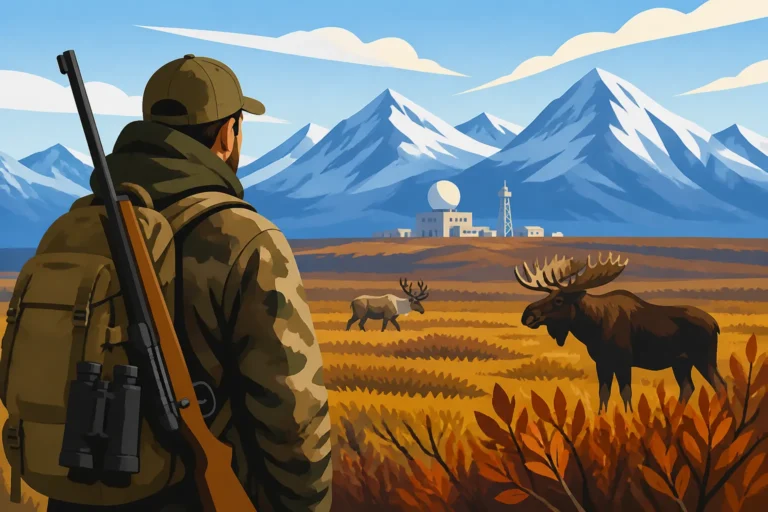
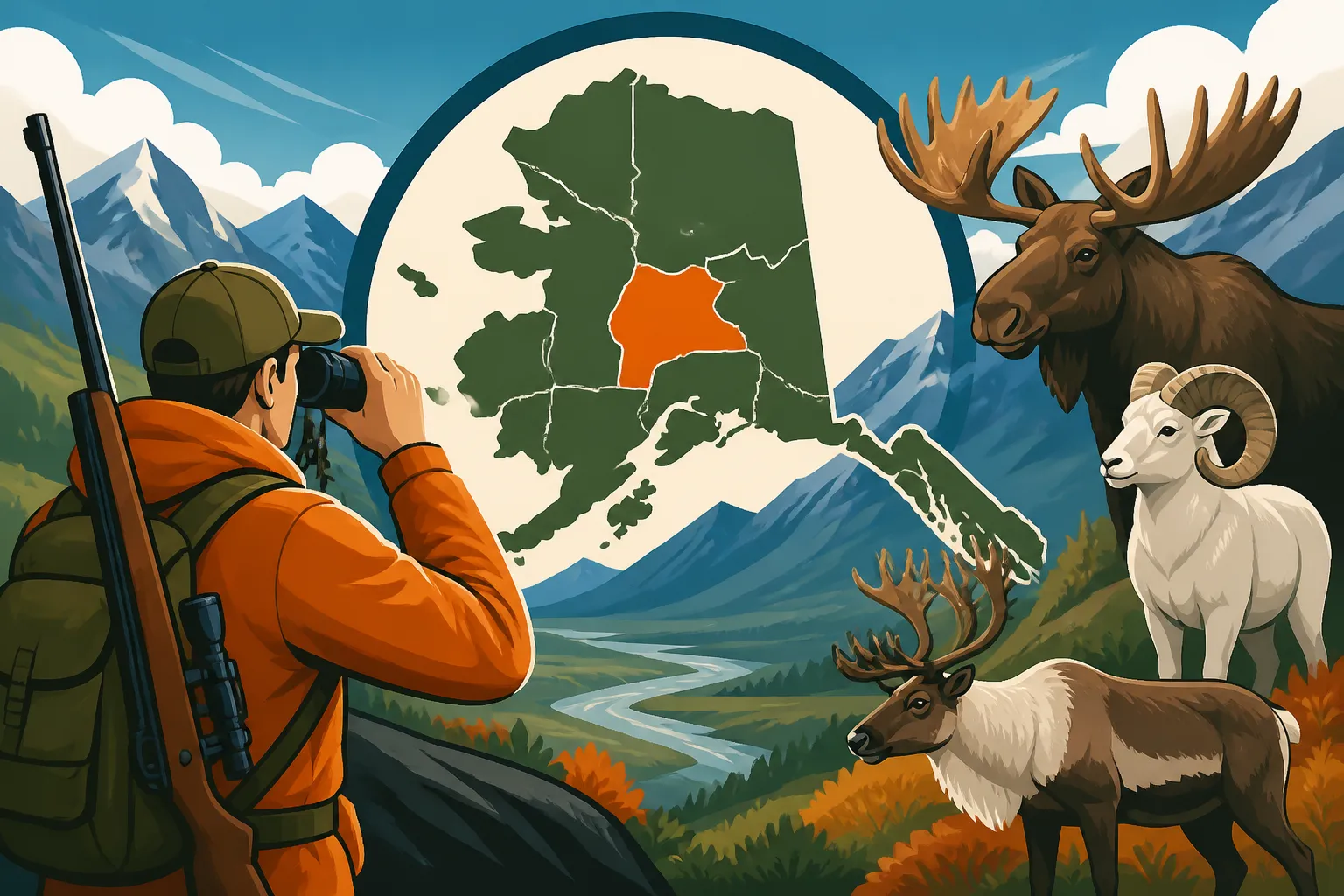
Unit 11 is a sprawling and largely remote Game Management Unit located in eastern interior Alaska, encompassing a significant portion of the majestic Wrangell Mountains and bordering Canada to the east. When you look at Unit 11 on a map, you're immediately struck by its sheer size and the dramatic topography, ranging from broad, braided river valleys to jagged, glacier-clad peaks that reach over 16,000 feet. It’s an area defined by its raw, untamed wilderness, where human infrastructure is minimal, and the elements often dictate the pace of life.
Geographically, Unit 11 is primarily drained by the mighty Copper River and its tributaries, most notably the Chitina River, which flows through the heart of the unit. Other significant drainages include the Bremner River, the Tasnuna, and numerous smaller creeks and streams that carve their way through the rugged terrain. The few scattered settlements, like McCarthy and Nabesna, serve as tiny outposts on the edge of this immense wilderness, offering extremely limited services to intrepid visitors. For a hunter, understanding these major hydrological features and the limited road access points is crucial, as they often dictate ingress and egress strategies. There are vast stretches within Unit 11 where the only way in or out is by bush plane, raft, or on foot, making it prime country for truly independent hunters willing to put in the work.
Navigating the Park and Preserve Maze in Unit 11
One of the most critical aspects of hunting Unit 11, and indeed a common source of confusion for many hunters new to Alaska's federal land system, is its location almost entirely within the boundaries of the Wrangell-St. Elias National Park and Preserve. This isn't just a park; it's a dual designation that profoundly impacts hunting regulations. Many people assume that national parks are entirely off-limits to hunting, and generally, that's true. However, national preserves are established with the specific intent to allow traditional activities like hunting and trapping, alongside conservation.
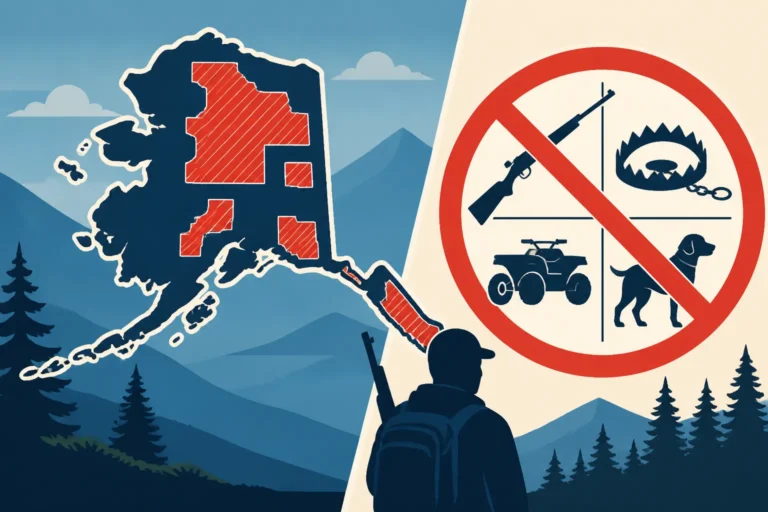
The key distinction lies in the land's specific designation: whether it's classified as National Park land or National Preserve land. Hunting is prohibited in the National Park portions, while it is generally permitted in the National Preserve sections, subject to state hunting regulations and any additional federal stipulations. This creates a patchwork quilt of regulations where an imaginary line on your map can mean the difference between a legal hunt and a costly violation. For instance, you might be legally pursuing game in a preserve area, only for your quarry to cross into an adjacent park section where hunting is not allowed. This can be incredibly frustrating and requires meticulous pre-hunt scouting. Wrangell-St. Elias Preserve Versus Park Lands can offer a deeper dive into these nuances.
To successfully navigate this complex regulatory landscape, precise mapping and land status information are absolutely non-negotiable. Digital mapping tools, like onX Hunt, become invaluable resources, allowing you to layer federal and state land boundaries directly onto your GPS or smartphone. Before even setting foot in Unit 11, you'll want to spend hours poring over these maps, identifying every park boundary, Native Corporation land holding (which often requires separate access permits), and state land parcel. For example, if you're planning a sheep hunt high in the Wrangells, knowing which ridge falls within the preserve and which drops into a park boundary is critical. Without this detailed knowledge, you risk inadvertently breaking the law or, just as frustratingly, wasting precious hunting time in an area you can't actually hunt. This kind of homework is foundational for any hunt in Unit 11.
Hunting Opportunities and Challenges in Unit 11
Unit 11 is a big game hunter's dream, offering a chance at several iconic Alaska species, but it demands serious physical conditioning and meticulous planning. The vastness and ruggedness mean that successful hunts often require a combination of bush plane access, backpacking, and sometimes raft or packrafting.
Dall Sheep in the High Country
For many, Unit 11 is synonymous with Dall sheep hunting. The Wrangell Mountains hold a healthy population of these majestic white sheep, drawing hunters from around the globe. A sheep hunt here is a true mountain adventure, typically involving multiple days of strenuous backpacking, often above timberline, glassing vast basins, and making long stalks. The sheep prefer the highest, most rugged terrain, so expect vertical climbs, scree fields, and rocky ledges. Scouting these areas remotely using satellite imagery and then verifying with detailed maps (like those found on onX Hunt) can help you identify potential sheep country and escape routes. Hunters often refer to Dall Sheep in Alaska's Brooks and Alaska Ranges for general sheep behavior, which, while focusing on a different range, still offers transferable insights into these incredible animals. The physical demands are immense; imagine scaling steep slopes with a heavy pack, then adding the weight of a ram if you're successful.
Moose in River Bottoms and Burns
While the mountains define much of Unit 11, the lower river valleys and older burn areas provide excellent moose habitat. The Copper River Flats, portions of the Chitina drainage, and other willow-choked river bottomlands can hold good numbers of Alaska-Yukon moose. These hunts often involve float hunting, where hunters use rafts to cover miles of river, or fly-in access to remote lakes and gravel bars, then working outward from there. Patience is key, as moose can be incredibly elusive in thick cover. Calling tactics, especially during the rut, can be highly effective. Alaska Moose: Where the Biggest Bulls Live offers great perspectives on what makes a prime moose habitat, and many of these factors apply to the riverine areas of Unit 11. Recovering a moose in these areas presents its own set of challenges, from quartering large animals in dense brush to moving heavy loads back to a raft or pickup point, often through wet, boggy terrain.
Mountain Goats in Craggy Peaks
Unit 11 also offers opportunities for mountain goat hunting, particularly in the craggier, steepest sections of the Wrangells. Like Dall sheep, these hunts are incredibly challenging, requiring extreme physical fitness and comfort in exposed, vertical environments. Mountain goats tend to inhabit even steeper, more broken terrain than sheep, often closer to glaciers and permanent snowfields. Identifying a legal billy from a nanny at a distance is crucial and requires good optics and a thorough understanding of their horn characteristics. Alaska Mountain Goats in Coastal Cliff Country provides valuable insights into these animals' habits, though the interior Wrangells goats might behave slightly differently than their coastal cousins. Safety is paramount on these hunts; unstable rock, sudden weather changes, and the inherent dangers of steep mountain travel make it one of Alaska's most demanding big game pursuits.
Bear Species: Brown (Grizzly) and Black Bears
Both brown bears (grizzlies, in this interior context) and black bears inhabit Unit 11. Brown bears are often found throughout the sheep and goat country, particularly in drainages that offer forage. Black bears are more common in the timbered river valleys and brushier slopes. Bear hunting in Unit 11 is often an opportunistic pursuit while hunting other species, or it can be a dedicated effort, focusing on spring green-up areas or fall berry patches. Hunters need to be constantly bear-aware, especially when packing meat or camping in dense cover. It’s always good practice to carry bear spray and know how to use it, along with a reliable firearm. For understanding bear behavior in different Alaskan environments, Alaska Brown Bears on the Coast Versus Interior Grizzlies provides an excellent comparison that can help you anticipate what you might encounter in the interior Wrangells.
Caribou on the Move
While not as renowned for caribou as other units, Unit 11 can see migratory caribou passing through, particularly in its northern and eastern reaches, often part of the Nelchina or Mentasta herds. These opportunities are highly dependent on seasonal movements and can be unpredictable. When caribou are present, hunts typically involve covering large distances, often by foot, to intercept migrating animals. Checking the Alaska Department of Fish and Game (ADF&G) regulations and emergency orders for Unit 11 specifically for caribou is essential, as season dates and quotas can change rapidly based on herd movements.
Here's a quick overview of some hunting aspects in Unit 11:
| Species | Typical Habitat | Common Hunting Method | Season Notes | Difficulty |
|---|---|---|---|---|
| Dall Sheep | High, rugged mountains, alpine tundra | Backpacking, spot-and-stalk | Late summer, early fall. Requires physical peak condition. | Extreme |
| Moose | River bottoms, willow flats, old burns | Float hunting, fly-in, calling | Late summer, early fall (rut). Demands strong logistics. | High |
| Mountain Goat | Steep, broken cliff country | Backpacking, spot-and-stalk | Late summer, early fall. Requires advanced mountaineering skills. | Extreme |
| Brown Bear | Throughout, especially good forage areas | Opportunistic, spot-and-stalk | Spring and fall. Requires vigilance and bear safety. | High |
| Black Bear | Timbered valleys, brushy slopes | Opportunistic, spot-and-stalk | Spring and fall. More common than brown bears. | Moderate-High |
| Caribou | Migratory routes, tundra | Spot-and-stalk | Highly dependent on herd movement; check current regulations. | Moderate-High |
Accessing the Wilds of Unit 11: Challenges and Options
Getting into and around Unit 11 is a significant part of the adventure and a major logistical hurdle. Unlike road-system hunts, access here is largely dictated by limited infrastructure and the need for specialized transport.
Limited Road Access
There are only two main road systems that provide any kind of ground access into the general vicinity of Unit 11, and neither provides extensive penetration into the heart of the unit itself:
- McCarthy Road: This 59-mile gravel road runs from Chitina to McCarthy, taking you to the edge of the Wrangell-St. Elias National Park and Preserve. From McCarthy, access into hunting areas is primarily by foot, or sometimes by small planes that can land on rudimentary strips.
- Nabesna Road: This 42-mile gravel road originates near Slana and goes to Nabesna. It offers limited access to the northern fringes of Unit 11, with some potential for ATV use in specific designated areas, though federal regulations within the preserve can be very restrictive on motorized access.
These roads provide starting points, but from there, you're usually embarking on a true wilderness journey. Thinking about strategies for ATV Access Tactics on Alaska's Denali Highway might offer some transferable ideas, but always remember that Wrangell-St. Elias has its own specific rules that must be adhered to.
The Lifeline of Air Access
For the vast majority of Unit 11, especially the prime sheep and goat country and many moose areas, air access is the most practical, if not the only, way in. This means working with an air taxi service that operates out of hubs like Chitina, Glennallen, or other nearby communities.
- Bush Planes (Wheel and Float): Depending on the terrain, you'll either be dropped off by a wheel plane on a remote gravel bar or a float plane on a lake. This demands careful planning, coordination with your pilot, and an understanding of weather delays. Remember to factor in potential "deadhead" time when calculating costs, as the plane might have to fly empty to pick you up. Fly-In Hunting Areas Across Interior Alaska provides a comprehensive look at what to expect from this type of access.
- Weight Restrictions: Bush planes have strict weight limitations, which means every ounce of gear, food, and fuel you bring must be carefully considered. A typical sheep hunt often involves meticulous gear selection to minimize weight for the long backpacking portions. This is where the principles of Backpack Hunting in Alaska: Gear Weight and Meat Loads really come into play. You might need to split gear across multiple flights or leave some luxuries behind.
- Safety and Check-ins: Due to the extreme remoteness, reliable communication is vital. Satellite phones, InReach devices, or other two-way satellite messengers are essential for checking in with your air taxi pilot and leaving a detailed trip plan with someone back home. Signal Devices and Check-In Plans for Solo Alaska Hunts are not just good ideas here; they're absolute necessities.
River and Packrafting Access
Some parts of Unit 11 can be accessed or traversed by river. Floating a river for moose, for instance, is a classic Alaska hunt, allowing you to cover significant distances through prime habitat. Packrafting has also gained popularity for its versatility, allowing hunters to hike into a remote lake or headwaters, then float out a river with a kill. This combines backpacking with water travel, opening up areas that would otherwise be extremely difficult to reach. However, rivers in Unit 11 can be braided, shallow, and fast-flowing, requiring experience in whitewater navigation and careful consideration of water levels.
Before you even think about putting boots on the ground or a raft in the water in Unit 11, thorough research and preparation are paramount. Use resources like ADF&G unit maps, federal land agency maps, and modern digital mapping tools like onX Hunt to understand the intricacies of the area. For anyone considering applying for a draw permit in this unit, checking out platforms like GoHunt can provide valuable insights into historical success rates and application strategies, helping you determine your odds for these highly sought-after permits. Whether it's a strenuous sheep climb or a float hunt for a bull moose, Unit 11 promises an immense challenge and an unparalleled wilderness experience for the prepared hunter.
Disclaimer
This article is for general informational purposes only and does not constitute professional advice. Laws, prices and regulations vary by location and change over time. Consult a qualified professional for guidance on your specific situation.