Record Brown Bear Skulls From Alaska
For many hunters, the very phrase "Alaska brown bear" conjures images of immense power and size, and often, the ultimate prize is a skull that speaks to the sheer grandeur of these animals. But what exactly defines a "record" brown bear skull, and how do these magnificent creatures grow to such impressive dimensions? It's a question that sparks endless campfire debates and fuels countless dreams, and it’s what we’re going to dive into today, pulling back the curtain on the science and legend behind Alaska's record-book brown bears.
What Makes an Alaska Brown Bear Skull "Record Book"?
When we talk about "record book" for brown bears, we're almost always referring to the Boone and Crockett Club's scoring system. This isn't just some arbitrary measurement; it's a meticulously developed standard that allows hunters to compare the physical dimensions of their trophies against a long history of successful hunts, recognizing the largest specimens taken under fair chase principles. It’s the gold standard, the benchmark that every serious trophy hunter keeps in mind.
The Boone and Crockett Club Standard
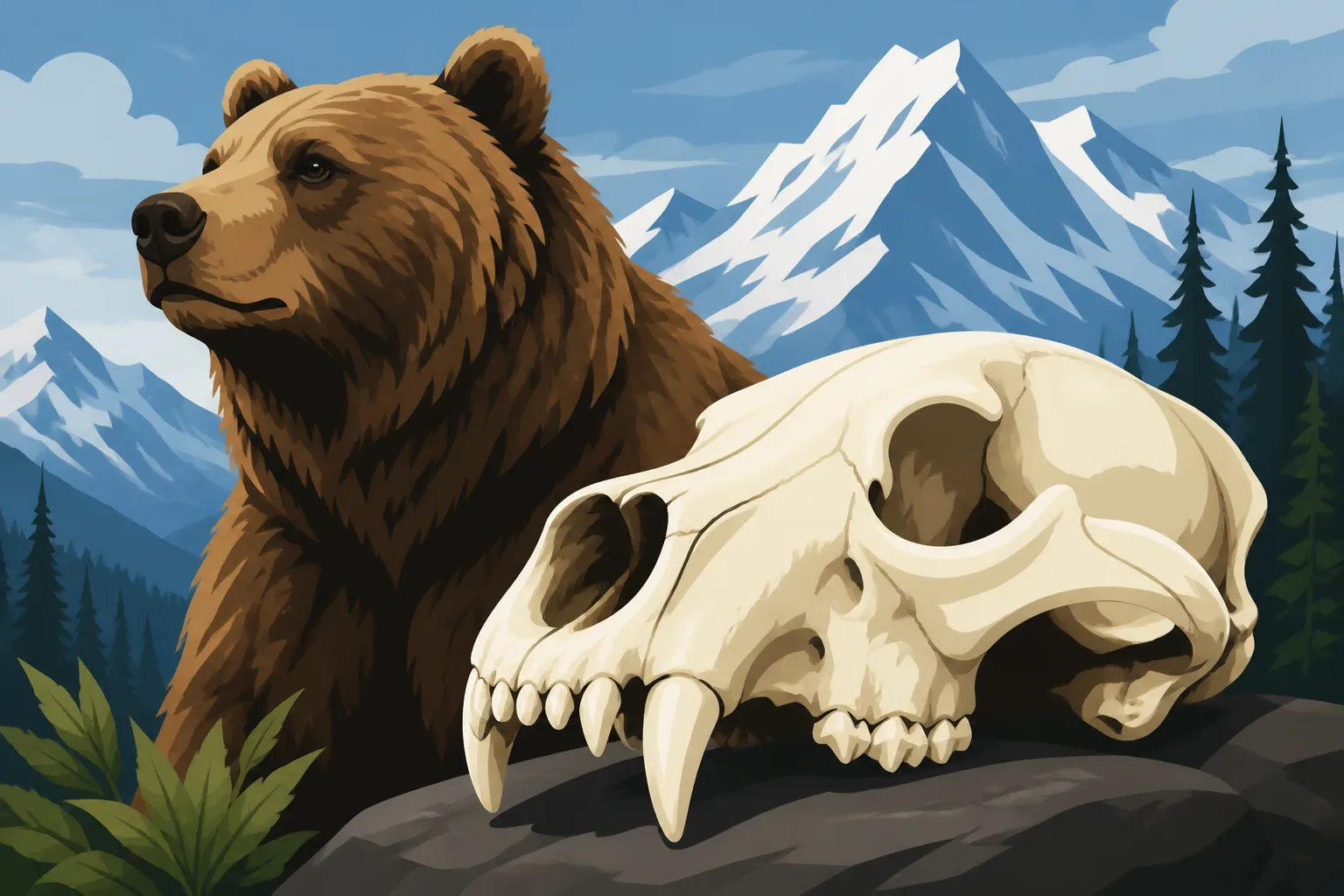
The Boone and Crockett Club's scoring system for brown bear skulls is wonderfully straightforward, which is part of its enduring appeal. Unlike antlered game that involves complex deductions for symmetry or abnormal points, bear skulls are scored simply by adding the greatest length to the greatest width. That's it. The length measurement is taken parallel to the long axis of the skull, from the most anterior point of the premaxillae to the most posterior point of the condyles. The width is the widest point of the skull, taken at right angles to the length measurement. These measurements are typically taken after a mandatory 60-day drying period to account for any shrinkage, ensuring a consistent and fair comparison across all entries. It’s a clean, no-nonsense approach to recognizing truly exceptional animals.
This simple calculation means that every millimeter counts, and hunters spend hours meticulously cleaning skulls and waiting out that drying period, all hoping their bear reaches those coveted numbers. The emphasis is entirely on the raw bone structure, reflecting the bear's physical maturity and genetic potential, rather than any damage or minor imperfections the skull might have. For many, just getting a bear large enough to even consider a B&C entry is a hunt of a lifetime, a testament to their dedication and the challenge of hunting in Alaska.
Minimum Entry Scores and Categories
While I can't provide specific numerical minimums (those change and are best checked directly with Boone and Crockett), I can tell you that the standards are incredibly high. The Boone and Crockett Club has different categories, generally dividing entries into "Awards" and "All-Time" records. The "Awards" minimum is a challenging benchmark, signifying an exceptional animal for its species, while the "All-Time" minimum is even more exclusive, representing the truly colossal specimens that rank among the largest ever taken. These are the bears that hunters dream about, the ones that push the boundaries of what's considered physically possible.
To give you a sense of scale, these minimums aren't just for impressive skulls; they represent the upper echelon of brown bear genetics, diet, and age. A skull that meets these criteria is not just big; it's an animal that has thrived in its environment, reaching its full potential. Think of it like this: hunting in Alaska is inherently challenging, and consistently bringing home a bear that pushes these limits requires immense skill, patience, and a bit of luck. It's why hunters often plan these trips years in advance, sometimes with the help of dedicated services like GoHunt, researching specific units known for producing large animals.
Beyond Boone and Crockett
While Boone and Crockett is the most recognized standard, it's not the only measure of a trophy bear. For many hunters, the personal experience of the hunt far outweighs any score. The sheer challenge of Working a Kill Site in Grizzly Country, the stunning landscape of a remote Alaskan valley, or the camaraderie shared with hunting partners can make a bear a "record" in their own hearts, regardless of its skull measurements. There are also other record-keeping organizations, but B&C remains the dominant authority for official recognition.
Moreover, simply having a large, healthy brown bear skull, whether it makes a specific list or not, is a profound trophy. It represents a successful hunt, a connection with the wild, and a deep respect for an apex predator. Hunters often meticulously prepare their skulls for display, choosing between a clean, bleached skull or a European mount, honoring the animal and the adventure. It's about the story, the memory, and the tangible representation of an incredible Alaskan encounter.
The Anatomy of a Giant: What Drives Brown Bear Skull Size?
It's natural to wonder how some brown bears grow skulls that are simply massive, dwarfing those of their counterparts. It’s not just random chance; it's a fascinating interplay of genetics, environment, and time, all coming together in the perfect Alaskan storm for growth. Understanding these factors is key to appreciating the truly enormous specimens we see in the record books.
Genetics: The Blueprint for Bone
Just like in humans or any other animal, genetics play a foundational role in determining a brown bear's potential for growth. Some bears are simply born with the genetic blueprint to grow larger, with thicker bones and a larger overall frame, which naturally translates to a larger skull. This inherent potential is passed down through generations, meaning that areas with a history of producing large bears often continue to do so, provided other conditions remain favorable.
Think of it as having the "good genes" for size. If a dominant boar with a massive skull passes on his traits, his offspring have a head start. While a bear's environment can certainly stunt growth if conditions are poor, no amount of perfect food will make a genetically small bear become truly enormous. It's the combination of superior genetics meeting a rich habitat that creates these monsters. It's a testament to natural selection at its finest, favoring the strong and the robust in the Alaskan wilderness.
Nutrition and Environment: Fueling the Growth Spurt
Even with the best genetics, a bear needs consistent, high-quality nutrition to realize its full growth potential. This is where Alaska truly shines. Coastal brown bears, in particular, have access to an incredibly rich and diverse diet. During the spring, they feast on sedges and emerging green-up, followed by berries, roots, and eventually, the ultimate protein jackpot: salmon. Salmon Runs and Alaska Coastal Bear Size cannot be overstated; the sheer volume of protein and fat provided by migrating salmon allows bears to pack on massive amounts of weight and grow bone density at an astonishing rate.
This abundance of food, coupled with relatively mild coastal winters compared to the interior, means bears can grow almost continuously. They spend a large portion of their active season consuming, building fat reserves, and growing. This consistent caloric intake, especially in their younger, most active growth years, is crucial for developing those large, dense skulls that become record-book contenders. It's a stark contrast to interior grizzlies, who, while still impressive, often face tougher conditions and a less consistent food supply, leading to generally smaller average sizes.
Age: The Slow Accumulation of Size
Perhaps the most underestimated factor in record skull size is simply time. Brown bears, especially males, continue to grow throughout their lives, albeit at a slower rate once they reach maturity. A truly massive skull often belongs to an old bear – an animal that has survived many seasons, grown through countless salmon runs, and outsmarted other bears and hunters alike. An older bear's skull will not only be larger but also denser and often show more character, with pronounced crests and a rugged appearance.
Imagine a bear that's lived 15, 20, or even 25 years in a prime salmon-rich environment. That's two decades of growth, of countless thousands of pounds of fish and berries. These are the wise old monarchs of the Alaskan wilderness. Hunters often try to Aging a Bear by Tooth Cementum after a successful hunt to understand the life story of the animal they took, confirming that the largest skulls indeed belong to the most seasoned survivors. This isn't just about inches; it's about the incredible journey of a long-lived animal in one of the wildest places on Earth.
Brown Bear Versus Grizzly: A Naming Distinction
It's worth a quick clarification: in Alaska, the terms "brown bear" and "grizzly bear" often cause confusion, especially when discussing records. Genetically, they are the same species, Ursus arctos. The distinction is primarily geographic and ecological. Bears that live within 50-100 miles of the coast and have access to marine food sources (like salmon) are typically called "brown bears" and tend to be larger due to that rich diet. Those living in the interior, generally without access to significant salmon runs, are called "grizzly bears" and tend to be smaller. For record-keeping purposes, this distinction is critical, as it categorizes bears based on their potential for size. So, when we talk about record brown bear skulls, we're generally focusing on those coastal giants. You can learn more about this by exploring Brown Bear Versus Grizzly: The Same Animal.
Where the Giants Live: Famous Regions for Record Bears
Certain areas of Alaska are legendary for producing brown bears with truly immense skulls. These aren't just random spots; they are specific ecosystems that provide the perfect combination of genetics, food resources, and time for bears to reach their maximum potential. If you're dreaming of a record-book brown bear, these names will come up again and again.
The Alaska Peninsula: A Bear Factory
The Alaska Peninsula is arguably the most famous region for giant brown bears. This long, rugged finger of land extending southwest from mainland Alaska is a bear factory. Its unique geography, with hundreds of salmon-choked rivers and streams flowing into the Bering Sea and Pacific Ocean, creates an unparalleled environment for bear growth. Bears here have access to incredibly rich food sources for much of the year, allowing them to grow to prodigious sizes. This region consistently produces more record-book brown bears than almost anywhere else on Earth.
Hunters who venture into The Alaska Peninsula and Its Brown Bear Country know they are entering prime territory. The sheer density of bears, combined with the abundance of food, means there's a higher likelihood of encountering truly mature, old boars with massive skulls. The bears on the Peninsula are often described as having an almost bovine appearance due to their bulk, and their skulls reflect this immense size and bone structure. It's an area where the legend of the Alaska brown bear truly comes to life, making it a bucket-list destination for many. To understand more about what makes these bears so unique, delve into What Makes Alaska Peninsula Bears So Large.
Kodiak Island: Home of the Kodiak Bear
South of the Alaska Peninsula lies Kodiak Island, home to the famous Kodiak bear, a distinct subspecies of brown bear that is known for its immense size. These bears are literally the largest brown bears in the world. Isolated on their island archipelago, they have evolved in an environment bursting with food resources, including abundant salmon, berries, and diverse vegetation. This isolation has allowed specific genetic traits for large size to become dominant within the population.
Kodiak Island is another hotspot for record-book brown bear skulls. The bears here are not only large but also notoriously thick-boned, contributing significantly to their overall skull measurements. A hunt on Kodiak is an intense experience, often characterized by steep terrain, dense alders, and rapidly changing weather. Hunters often fly into remote bays or use boat-based camps to access prime bear habitat. You can find more about accessing these areas in Kodiak and Afognak Island Hunting Access. Landing a trophy Kodiak bear is an achievement that garners immense respect, and the skull is often a dramatic testament to the animal's legendary size.
Coastal vs. Interior: A Tale of Two Diets
While the Alaska Peninsula and Kodiak are prime examples, the broader trend is that coastal areas of Alaska generally produce larger brown bear skulls than interior regions. This is almost entirely due to the diet. Interior grizzlies, though still formidable, typically lack the consistent, high-protein influx of salmon that coastal bears enjoy. They subsist more on vegetation, small mammals, and carrion, which, while nutritious, doesn't pack the same growth punch as a steady diet of fish.
This difference in diet and habitat means that while a large interior grizzly is a magnificent trophy and a challenging hunt, it's less likely to achieve the truly colossal skull measurements seen in their coastal cousins. Coastal Bears Outgrow Interior Grizzlies is a truism that directly impacts skull size and record book potential. So, if raw skull inches are your primary goal, focusing your efforts on Alaska's coastal regions like the Peninsula, Kodiak, or parts of Southeast Alaska with strong salmon runs will significantly increase your odds.
Beyond the Numbers: The True Trophy of an Alaska Brown Bear
While the lure of a record-book skull is undeniable, and it’s certainly exciting to see those tape measure numbers add up, the true trophy of an Alaska brown bear hunt often transcends the measurable. For many, the experience itself, the challenge, and the deep connection to wild Alaska are what truly count.
The Hunt Experience: More Than Inches
Anyone who has hunted brown bears in Alaska will tell you it's an experience like no other. It’s physically demanding, mentally taxing, and utterly immersive. Whether you're slogging through muskeg on the Peninsula, navigating the dense alders of Kodiak, or glassing vast tundras, the pursuit itself leaves an indelible mark. The focus required, the patience, the attention to wind and terrain – these are the elements that forge a hunter.
The moments spent glassing for hours, the sudden thrill of spotting a massive boar, the painstaking stalk through challenging cover, and the final adrenaline rush are what truly define the hunt. The record book is a testament to the animal's size, but the memories of the journey, the struggles, and the triumphs belong solely to the hunter. That connection to the wild, and the profound respect gained for these magnificent animals, often means more than any score. For hunters like myself, every successful Alaska hunt is a "record" in its own right because of the sheer effort and wildness involved. We're here for the experience, and the trophy is a tangible reminder of that epic adventure.
Ethical Hunting and Conservation
Pursuing any big game in Alaska, especially an apex predator like the brown bear, comes with a deep responsibility. Ethical hunting practices and a commitment to conservation are paramount. Record-keeping organizations like Boone and Crockett are staunch advocates for fair chase principles, ensuring that animals are taken in a manner that respects their wild nature and provides a genuine challenge to the hunter.
Furthermore, regulated hunting plays a crucial role in wildlife management and conservation. The funds generated from hunting licenses and tags directly contribute to wildlife research, habitat protection, and management programs that ensure healthy, thriving bear populations for future generations. When you participate in an Alaska brown bear hunt, you're not just pursuing a trophy; you're also contributing to the ongoing health and abundance of these incredible animals. This is a critical aspect often overlooked by those unfamiliar with hunting's role in conservation.
A Legacy of Respect
Ultimately, a record brown bear skull from Alaska is more than just bone; it’s a symbol. It represents the raw power of the Alaskan wilderness, the incredible resilience of its wildlife, and the unwavering spirit of the hunter who pursued it. It's a legacy of respect for an animal that embodies wildness. Whether your bear makes a formal list or simply makes your heart race, the act of hunting in Alaska connects you to a timeless tradition and the untamed beauty of this incredible state.
| Factor | Impact on Skull Size | Key Contributing Regions |
|---|---|---|
| Genetics | Inherited potential for large body and bone structure. | Kodiak Island, Alaska Peninsula |
| Nutrition | Abundant high-protein food sources, especially salmon. | Coastal Alaska, Salmon-rich streams |
| Age | Bears grow continuously; older bears have larger skulls. | Areas with high bear survival rates |
| Environment/Climate | Mild winters, long growing seasons. | Coastal regions, specifically islands |
Disclaimer
This article is for general informational purposes only and does not constitute professional advice. Laws, prices and regulations vary by location and change over time. Consult a qualified professional for guidance on your specific situation.