Alaska Snowshoe Hare Population Cycles
Living in Alaska, we quickly learn that some years the snowshoe hares are literally everywhere, bounding across our yards and trails in a flurry of white, and other years, they seem to vanish without a trace. This dramatic fluctuation isn't just a quirk of nature; it's a fundamental rhythm of the northern ecosystem, deeply impacting everything from predator populations to how we plan our small game hunts. Understanding these snowshoe hare population cycles is key to appreciating the wild dynamics of Alaska and even predicting your hunting success.
Understanding the Boom and Bust Cycle of Snowshoe Hares
The snowshoe hare ( Lepus americanus) is more than just a cute, fluffy critter that turns white in winter; it's a keystone species in many northern forests, especially here in Alaska. Unlike many animals whose numbers might ebb and flow gradually, hares are famous for their dramatic, almost clockwork-like "boom and bust" cycles. One year, you might see them every few yards, and a few years later, finding even a single track can be a challenge. This isn't random; it's a deeply ingrained pattern that has fascinated biologists and hunters for generations.
The Rhythmic Fluctuation: What Drives These Cycles?
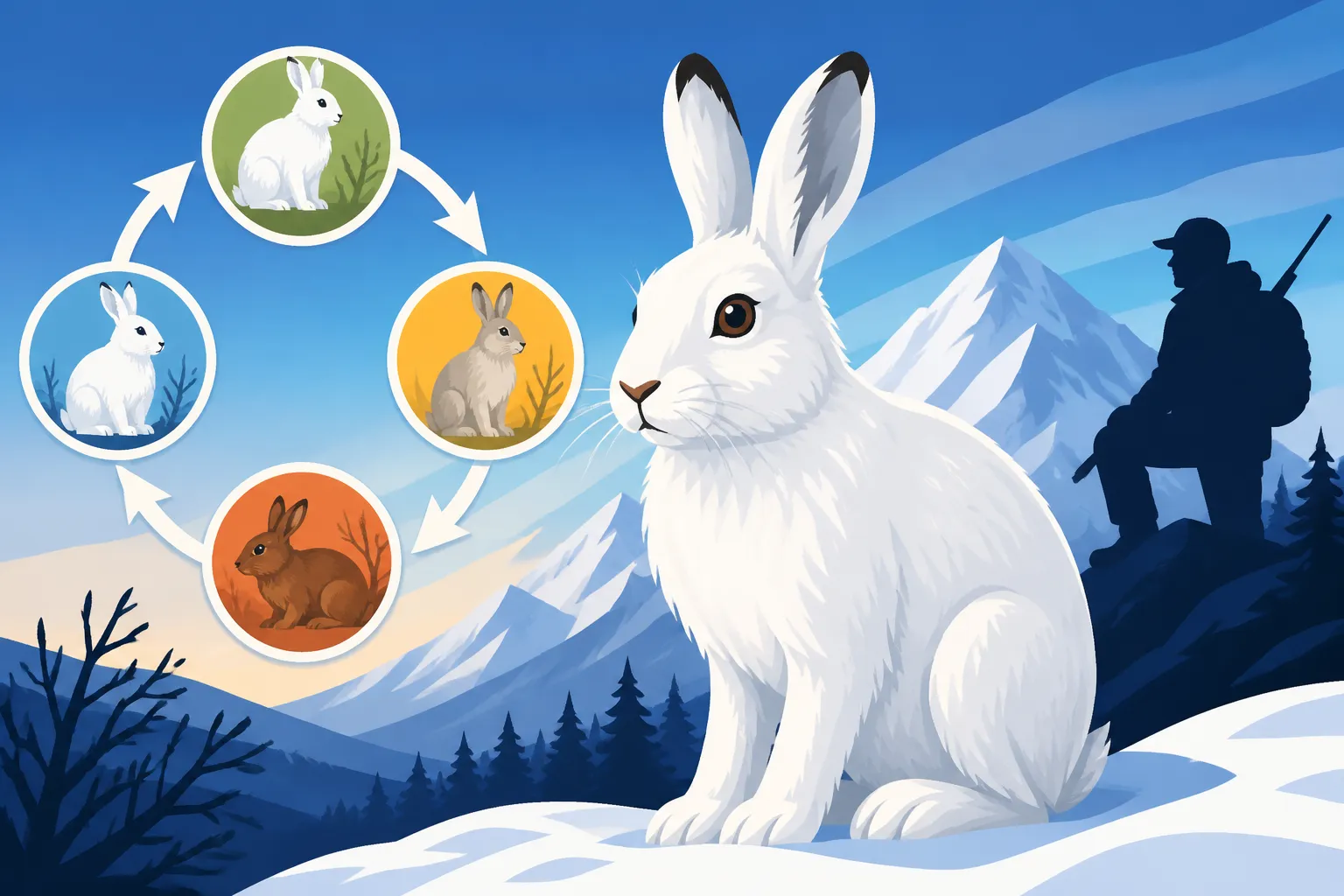
At the heart of the snowshoe hare phenomenon is a population cycle that typically spans 8 to 11 years. It's an oscillation between incredibly high numbers, often referred to as a "peak," and then a rapid, severe decline, known as a "crash" or "low." This isn't just a slight dip; it's often a reduction of 80-90% or even more in a very short period. Imagine a neighborhood that's suddenly bustling with life, then goes quiet almost overnight – that's the kind of change we're talking about.
While it's easy to point fingers at predators when hare numbers drop, the reality is far more complex. The primary drivers are usually a combination of food availability and predator dynamics. During peak years, hares might literally eat themselves out of house and home, depleting their preferred browse like willow, birch, and alder saplings. As these vital food sources become scarce and stressed, so do the hares, leading to malnutrition and weaker animals.
Then there's the critical role of predators. As hare numbers rise, so do the populations of their main predators, particularly the Canada lynx, which specialize in hunting hares. Other predators like great horned owls, coyotes, and foxes also feast on the abundant hares. This increase in predator numbers intensifies the hunting pressure on the hares, especially as their food supply dwindles, creating a perfect storm that pushes the hare population over the edge into a dramatic decline. It’s a classic ecological feedback loop, an intense dance between prey and predator.
Peak Years: When Hares Seem to Be Everywhere
A "peak" year for snowshoe hares in Alaska is something truly remarkable to witness. It's when every dense thicket seems to hold multiple hares, their tracks crisscrossing every trail and open area. During these periods, finding a hare for dinner or even just for target practice becomes incredibly easy. Their sheer numbers mean they are less wary, often seen munching on willows right by the roadside or hopping through backyard gardens. For hunters, it’s a time of plenty, whether you're after the hares themselves or the predators that follow them.
The abundance of hares during a peak doesn't just benefit small game hunters; it has profound implications for a host of other species. Predators like lynx experience their own population booms, as their primary food source is readily available. Even generalist predators like wolves, foxes, and various raptors shift their diets to take advantage of the easy meals. This cascade effect can be seen throughout the ecosystem, from healthier furbearer populations to an increased chance of spotting an owl in broad daylight. You might also notice fewer small rodents like voles and mice during these times, as predators key in on the more substantial hare offerings.
However, these peak years also carry the seeds of their own destruction. With so many hares crammed into prime habitat, competition for food becomes fierce. The browse lines on willow and alder can be incredibly obvious, showing how many hares have been nibbling away. This environmental stress, combined with the sheer numbers, also makes hares more susceptible to disease and parasites. A small patch of land that can comfortably support a handful of hares is suddenly trying to sustain dozens, pushing the carrying capacity of the land to its absolute limit and beyond.
Crash Years: The Mysterious Disappearance
Just as suddenly as they appeared, snowshoe hares seem to vanish during a "crash" year. It's a bewildering experience for anyone used to seeing them regularly. The tracks disappear, the rustling in the underbrush goes silent, and the forest feels eerily empty of their presence. It's not uncommon for hunters who had great success just a season or two prior to come up empty-handed for entire days during a low period. This rapid decline can be quite jarring and often makes people wonder what exactly happened to all those hares.
While intense predation is a major factor, the crash is rarely solely due to predators eating every last hare. When hare populations are at their densest, the combination of nutritional stress, physiological stress from constant vigilance against predators, and increased disease transmission takes a heavy toll. Weakened hares are easier prey, even for less efficient hunters. Studies have shown that during the bust phase, hares often exhibit signs of chronic stress, lower reproductive rates, and increased susceptibility to various pathogens, leading to what some researchers call a "doomed surplus" that fuels the crash.
This sudden reduction in hare numbers inevitably sends ripple effects through the entire food web. Lynx populations, which soared during the hare boom, soon find themselves with a drastically reduced food supply. This leads to a subsequent decline in lynx numbers, often lagging a year or two behind the hare crash. Other predators like coyotes and foxes will also suffer, or they will shift their hunting pressure to other, often less abundant, prey species like ptarmigan or small rodents, further impacting those populations. It's a stark reminder of how interconnected the Alaskan wilderness truly is, and how a single species can dictate the fortunes of many others.
| Cycle Phase | Hare Abundance | Predator Response | Hunter Experience | Ecological Impact |
|---|---|---|---|---|
| Peak | Very High | High reproduction, abundant prey | Easy hunting, many sightings | Browse depletion, increased disease, high predator populations |
| Decline | Rapid Drop | Predators still high, intensifying pressure | Increasingly difficult hunting | Stress, disease, declining predator populations |
| Low | Very Low | Predators crash, prey base shifts | Very challenging hunting, few sightings | Habitat recovery, predator populations at minimum |
| Recovery | Gradual Increase | Predators slowly recover, less pressure | Improving hunting, more sightings | Hares recolonize, predators find stability |
The Impact on Alaska's Ecosystem and Hunters
The snowshoe hare cycle is one of the most visible and impactful natural phenomena in Alaska. It's not just about the hares themselves; it's a driving force that shapes the lives of countless other animals, from the smallest voles to the largest carnivores. For those of us who spend time in the bush, these cycles are something we learn to read, often intuitively, because they tell us a story about the health and dynamics of the land around us.
Predators on the Rollercoaster: Lynx, Owls, and More
Perhaps no animal is as intimately tied to the snowshoe hare cycle as the Canada lynx. Lynx are highly specialized predators, with hares making up the vast majority of their diet—sometimes over 90% in certain areas. This means that as hare numbers go up, so do lynx numbers, often with a slight delay. When the hares crash, the lynx inevitably follow, experiencing their own population declines, which can be just as dramatic. It’s a true predator-prey synchronized dance, often playing out over vast stretches of boreal forest. When you're in the woods, the density of lynx tracks or sightings can be a direct indicator of where the hares are in their cycle. Learning to recognize these patterns is part of becoming a more astute observer of the Alaskan wilderness. For anyone interested in furbearer hunting, understanding these cycles is paramount. We've talked about it before in our piece on Lynx Cycles With Snowshoe Hare, which dives even deeper into this fascinating relationship.
But lynx aren't the only ones affected. Great horned owls are another prime example. During hare peaks, these powerful nocturnal hunters often have larger clutches of owlets, and more of them survive to adulthood due to the abundant food. You'll hear their calls more frequently and might even spot them hunting in daylight. Red foxes and coyotes also capitalize on the hare bonanza, expanding their litters and densities. Even larger predators like wolves, while primarily targeting ungulates like moose and caribou, will readily take a hare if the opportunity arises, especially if other prey is scarce or during periods of immense hare abundance. This interconnectedness means that a healthy hare population generally translates to a healthier predator base across the board. For those who enjoy Predator Calling for Alaska Wolves and Wolverine, knowing where the hare populations stand can inform your strategy, as higher hare numbers might mean more active predators in the area.
When hare populations crash, these predator species face difficult times. Lynx, as specialists, are hit the hardest. Many will starve, and reproduction rates plummet. Some lynx might migrate long distances in search of other food sources, though this is often a desperate measure. Generalist predators like foxes and coyotes are more adaptable; they'll switch their diets to other small mammals, birds, or even carrion, but their numbers will still decline as their primary, easiest food source disappears. This shift in diet can put increased pressure on other small game like ptarmigan or spruce grouse, creating cascading effects throughout the ecosystem. It's a testament to the resilience of Alaskan wildlife that these species can bounce back, but it's never an easy transition.
Hunting Strategies During Different Cycle Phases
For the small game hunter, knowing where the snowshoe hare cycle stands can completely change your strategy. During a peak year, hunting hares is often incredibly productive. You might simply walk through suitable habitat and flush dozens, picking and choosing your shots. It’s a great opportunity for new hunters or young hunters to build confidence and enjoy consistent success. During these times, it's not uncommon to fill a game bag quickly, providing excellent camp meat or a tasty addition to the dinner table at home. Many hunters will target hares as a primary food source when they are abundant.
However, during a crash or low cycle, hare hunting transforms into a much more challenging endeavor. You might walk for hours through prime habitat and only see one or two tracks, let alone an actual hare. This is when your scouting skills and patience are truly tested. Instead of focusing solely on hares, you might diversify your small game efforts, perhaps turning your attention to Spruce Grouse Behavior in the Interior or Ruffed Grouse Range in Alaska, which may be more consistently available. The emphasis shifts from simply "harvesting" to genuinely "hunting"—tracking, stalking, and relying on keen observation.
Many hunters also use the hare cycle as an indicator for predator hunting. When hares are at their peak, it's often a sign that predator populations will be robust, offering excellent opportunities for hunting or trapping furbearers like lynx, foxes, and coy. Conversely, during a hare crash, predator numbers will soon follow suit, making those hunts much tougher. It's all about understanding the interconnected web of life in the Alaskan bush. Always make sure you're up-to-date on regulations; a resource like Where to Get the Alaska Hunting Regulations Booklet is invaluable for planning any hunt.
Monitoring Hare Populations for Better Hunting Success
How do you, as an Alaskan hunter, keep tabs on these cycles? While there aren't always official "hare forecasts," you can become pretty good at informal monitoring. Pay attention to what you see and hear in the woods. Are you seeing lots of tracks? Are the willow tips heavily browsed? Are you flushing hares frequently while out for a walk or a big game hunt? These personal observations, combined with talking to other hunters and trappers, can give you a pretty good feel for where the local hare population is in its cycle.
Keeping a journal of your observations from year to year can also be incredibly helpful. Note the number of hares seen, the density of tracks, and even the relative abundance of predators like lynx or owls. Over a few seasons, you'll start to recognize the patterns yourself. Additionally, wildlife agencies often collect data on furbearer harvest, which can indirectly reflect hare populations. While they might not release specific hare forecasts, official harvest reports for lynx, for example, can be a strong indicator.
For those who like to dive deep into data and research, platforms like GoHunt can be invaluable for cross-referencing information. While they might not track hare cycles directly, using such tools to look at broader habitat trends, historical harvest data for associated predators, or even simply scouting different units from afar can help you build a more complete picture. Understanding general habitat conditions through mapping tools or historical climate data can also offer clues about food availability, which, as we've discussed, is a crucial part of the hare cycle. Ultimately, consistent outdoor presence and keen observation are your best friends for tracking these fascinating fluctuations.
Locating Snowshoe Hares in Alaska's Diverse Habitats
Finding snowshoe hares in Alaska, whether the population is booming or busting, requires an understanding of their preferred habitat and habits. While they might seem to appear everywhere during peak years, knowing where to focus your efforts will always yield better results. Alaska's vast and varied landscapes offer plenty of suitable terrain, but hares aren't just randomly distributed.
Preferred Cover: Where Hares Hide and Thrive
Snowshoe hares are creatures of dense cover. They thrive in thick, regenerating forests, particularly those with an abundance of young deciduous growth like willow, birch, and alder. These areas provide not only essential browse to eat but also the dense overhead and horizontal cover they need to hide from predators. Think about young spruce stands that are just starting to grow tall, or areas where timber has been harvested or burned a decade or two ago, allowing a lush understory to flourish. These are prime hare territories. This preference for thick, regenerating areas is also why you might find moose in similar locations, as they both benefit from the abundant new growth after a disturbance. Consider also the dense tangles you find along river bottoms or in spruce bogs, where willow and alder can create nearly impenetrable thickets. These are often hare havens.
Beyond just the type of vegetation, hares also seek out areas with a lot of "edge" habitat. This means places where dense cover meets more open areas, or where different types of vegetation intersect. For example, the border between a mature spruce forest and a young, regenerating clear-cut or burn is often a hot spot. These edges provide quick access to both food and escape cover. The hare's famous winter coat, turning from brown to brilliant white, is a perfect adaptation for blending into the snowy landscape, but it's only effective if they have dense branches to break up their outline. Without that cover, their camouflage is far less effective, making them vulnerable.
During the lean times of a population crash, hares become even more reliant on the densest cover available. They'll retreat into the thickest willow bottoms, the most impenetrable alder patches, or the deepest young spruce stands, where even a lynx struggles to move quietly. This makes hunting them in a low cycle even more challenging, as you have to push through incredibly dense terrain to find them. However, if you know what kind of cover they prefer, you can still focus your efforts in these specific types of locations, increasing your odds, even when numbers are down. Knowing the layout of these prime areas is a crucial piece of local knowledge that can improve your success on the ground.
Signs of Hare Activity: Tracks, Trails, and Droppings
Even if you don't see a snowshoe hare directly, you can often find plenty of evidence of their presence. Tracks are one of the most obvious signs, especially in winter snow. Snowshoe hare tracks are distinctive: large, broad pads on their hind feet, which help them distribute their weight on snow, giving them their "snowshoe" name. You'll typically see a pattern where the two large hind feet land ahead of the two smaller front feet. During peak years, the snow can be absolutely covered in these tracks, crisscrossing every open space.
Beyond tracks, look for their well-worn trails, especially through dense brush. Hares often use the same routes repeatedly, creating distinct tunnels through the undergrowth that are easy to spot. These trails are especially visible in winter, forming intricate networks beneath the snow-laden branches. Along these trails, and in feeding areas, you'll often find their droppings: small, round, pellet-like feces, often dark brown or black. The sheer density of droppings can be a good indicator of how many hares are using a particular area.
Another key sign is browse. Hares are herbivores, and they love to nibble on the twigs and bark of young willows, alders, and birch. Look for twigs that have been cleanly clipped at an angle, typically by their sharp incisors. During high population years, you might see a distinct "browse line" on the vegetation, where the hares have eaten everything within their reach. This heavy browsing can actually contribute to the subsequent population crash, as the available food becomes depleted and stressed. Understanding these signs helps you effectively scout an area, whether you're hunting hares or trying to get a read on the local predator populations. Don't just walk through an area; learn to read the signs the hares leave behind.
Seasonal Movements and Behavior
Snowshoe hares aren't typically migratory, but their behavior and preferred locations can change with the seasons. In summer, with abundant green vegetation, they might be found in slightly more open areas, though still always close to dense cover. As fall approaches and the leaves drop, they become more reliant on evergreen cover like young spruce for concealment. This is also when they begin their famous color change, shedding their brown summer coat for a pure white winter pelage, a remarkable adaptation for camouflage in the snow. This transition is essential for their survival against keen-eyed predators.
During winter, hares often concentrate in areas with particularly dense evergreen cover, which offers both protection from the elements and a reliable food source in the form of dormant woody browse. They'll create intricate networks of tunnels under the snow (subnivean tunnels) to move safely between feeding patches and escape routes. These tunnels can be tricky to spot from above, but if you look closely around the bases of trees or in dense willow thickets, you might see small openings. This winter behavior is critical for conserving energy and avoiding detection when the landscape is stark and open.
As spring arrives, the hares will once again venture into more open areas as new green shoots emerge, providing a fresh flush of nutritious food. However, they'll always stick close to their preferred dense cover. Their activity also tends to peak during dawn, dusk, and nighttime hours, though during peak populations or overcast days, you might see them out and about more frequently. Understanding these subtle seasonal shifts and daily rhythms can help you anticipate their movements and increase your chances of finding them, whether you're hunting them directly or just enjoying observing the intricate natural world of Alaska.
Disclaimer
This article is for general informational purposes only and does not constitute professional advice. Laws, prices and regulations vary by location and change over time. Consult a qualified professional for guidance on your specific situation.