Fortymile Caribou Herd Size Today
For many of us who dream of chasing caribou across Alaska's vast landscapes, the Fortymile herd often comes to mind. But let's be honest, trying to pin down the exact "current" size of any wild, free-ranging herd can feel like chasing a phantom, especially when population numbers are known to ebb and flow dramatically. This guide is here to cut through the uncertainty, offering you a realistic look at how these numbers are tracked, what factors influence them, and how you can stay informed to plan your next caribou adventure in the Fortymile country.
Understanding Caribou Population Dynamics
Caribou, particularly migratory herds like the Fortymile, are creatures of immense scale and dynamic change. Their populations rarely hold steady for long, making their management and hunting prospects a fascinating, albeit sometimes frustrating, challenge for both biologists and hunters alike. It’s a dance with nature, where every step can shift the entire rhythm.
Why Herd Numbers Fluctuate So Widely
Imagine trying to count every person in a constantly moving, decentralized city, and then imagine that city is spread across hundreds of thousands of square miles of wilderness. That’s a bit like what wildlife biologists face with caribou. These magnificent animals are built for migration, covering incredible distances annually in search of forage and to escape predators. This constant movement makes them incredibly hard to get an accurate, real-time count on. Their numbers are subject to a complex web of environmental factors, far more so than a localized, sedentary species.
Herd populations naturally rise and fall due to a combination of birth rates, calf survival, adult mortality, and even emigration to other herds or immigration from them. A few mild winters with abundant forage can lead to a boom in calf survival, while a couple of tough seasons with deep snow or early freezes can drastically reduce numbers. It’s not just about how many calves are born, but how many survive their first vulnerable year, and how many adults make it through the gauntlet of migration, river crossings, and predator encounters.
Challenges in Counting Caribou
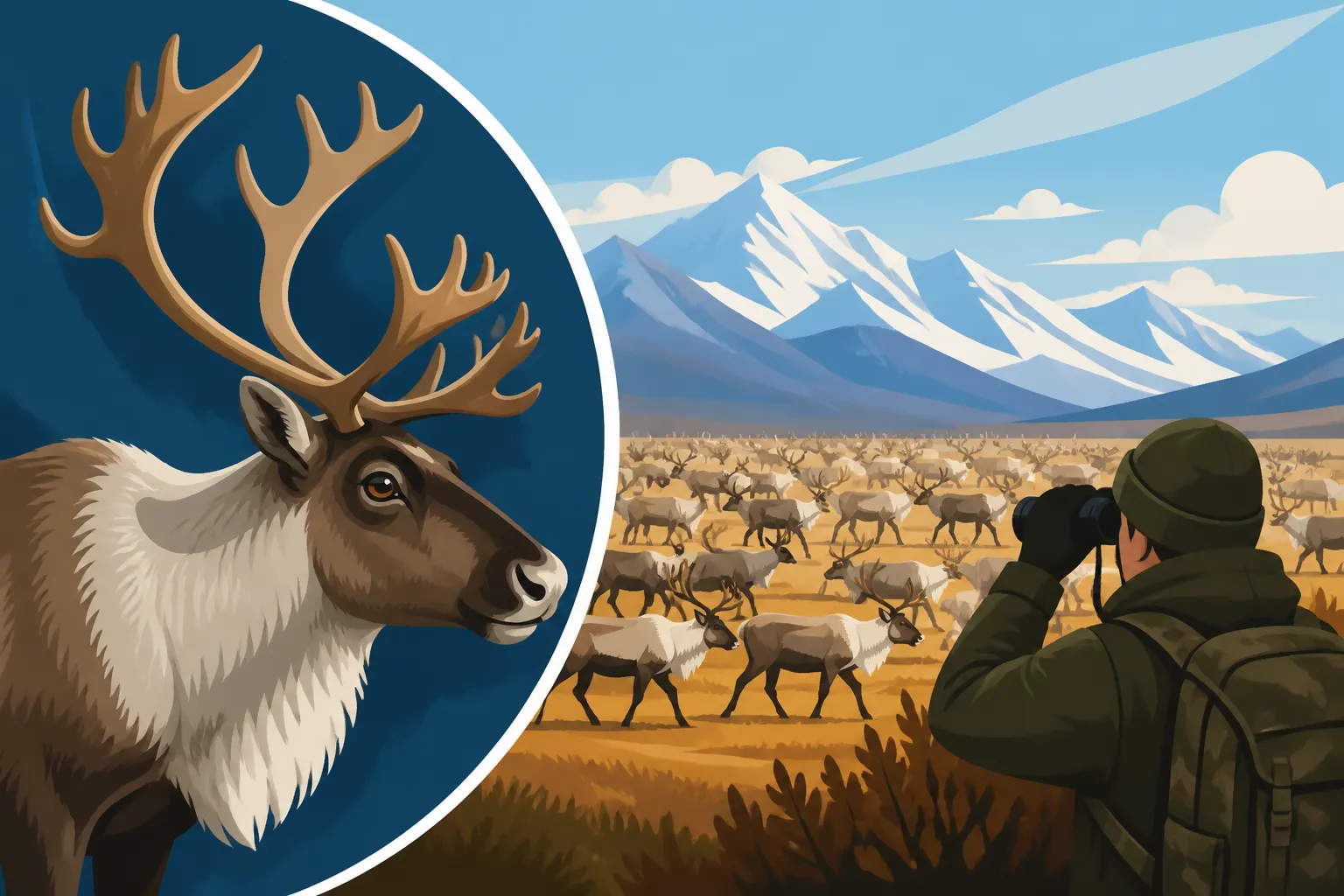
The sheer scale of a caribou herd’s range presents an enormous challenge for population estimation. Biologists rely on a variety of methods, each with its own limitations. Aerial surveys, often conducted during specific times of the year (like calving season or when animals congregate for migration), are a primary tool. However, these are expensive, weather-dependent, and even under ideal conditions, can miss animals hidden in timber or spread out across vast areas. Think about flying over millions of acres—it’s impossible to see every animal.
Beyond direct counts, biologists also conduct "composition counts" to determine the ratio of bulls, cows, and calves within the herd. This gives them an idea of reproductive success and overall herd health. Radio-collaring a sample of animals allows them to track movements, understand mortality rates, and get a better handle on the herd’s expansive range. However, each of these methods provides an estimate, a snapshot, rather than a precise, census-style count. For hunters looking to gauge their chances, it means understanding that reported numbers are always an approximation, guiding management decisions rather than providing a perfect real-time ticker.
The Fortymile Caribou Herd: A Closer Look at its Numbers
The Fortymile Caribou Herd is one of Alaska's most iconic and historically significant herds, with a range that straddles both Alaska and Canada's Yukon Territory. Its story is one of dramatic resilience, showcasing incredible population swings over the decades. Understanding its history and the general trends in its numbers is crucial for anyone hoping to hunt these impressive animals.
Historical Trends and Management Goals
The Fortymile herd has experienced some truly epic highs and devastating lows throughout its documented history. At one point in the early 20th century, it was estimated to number in the hundreds of thousands, a truly awe-inspiring spectacle. However, by the mid-20th century, severe declines saw its population drop to mere thousands, leading to significant hunting restrictions and conservation efforts. This dramatic crash and subsequent recovery serves as a powerful reminder of how vulnerable even the most numerous species can be to environmental shifts, habitat changes, and management challenges.
In recent decades, the herd has seen a remarkable comeback, a testament to effective management strategies and, frankly, the incredible adaptability of the caribou themselves. Management goals for the Fortymile herd are often a collaborative effort between Alaskan and Canadian wildlife agencies. These goals typically involve maintaining a healthy, sustainable population that can support traditional subsistence harvests for rural communities, as well as providing ample opportunity for resident and nonresident hunters. The specific target ranges for population size are carefully balanced with habitat carrying capacity and the overall health of the ecosystem. This long-term outlook aims to prevent the boom-and-bust cycles from reaching extreme lows again.
Recent Population Estimates
While providing an exact, current number for the Fortymile Caribou Herd is challenging due to the dynamic nature of these populations, general trends are consistently monitored and reported. In recent years, the herd has demonstrated significant strength, often exceeding population objectives that were set during periods of lower numbers. This strong recovery means that hunters have seen more consistent opportunities, though specific quotas and season lengths can still be adjusted based on the latest data.
Wildlife agencies typically conduct aerial surveys every few years, coupled with annual composition counts, to get the most up-to-date picture. These surveys usually occur after calving season to assess calf recruitment, or when the herd is migrating and more consolidated, making them easier to count. While precise figures are updated regularly through official channels, the overarching narrative has been one of robust health and continued growth, providing a positive outlook for hunters eyeing the region.
The Fortymile Herd's Range and Migration
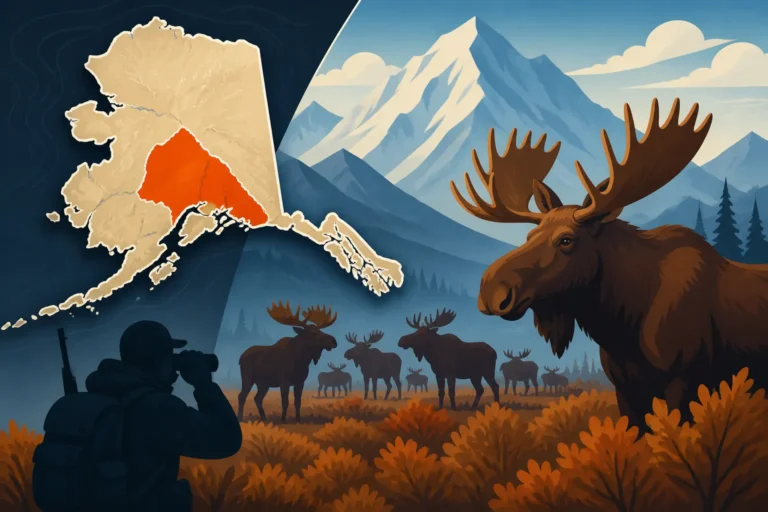
The Fortymile Caribou Herd’s range is truly immense, stretching across vast swaths of interior Alaska and into Canada. From the White Mountains and Steese Highway country in Alaska to the Yukon Territory, these animals traverse a landscape of spruce forests, open tundra, and winding river valleys. Their migration patterns are complex and can vary significantly from year to year based on snow conditions, forage availability, and insect harassment.
Understanding the Fortymile Caribou Herd Range and Migration is paramount for hunters. While there are traditional routes and wintering grounds, caribou are notoriously unpredictable. A herd might favor one area for several years, providing consistent hunting opportunities, only to shift its core range the next season. This variability is part of the challenge and excitement of hunting them. Hunters often find themselves consulting maps, satellite imagery, and local reports to try and predict where the main body of animals might be moving. Knowing where to expect them, or at least how to react when they move unexpectedly, is a huge part of the Fortymile hunting experience.
Factors Influencing Fortymile Herd Health and Hunting Opportunities
The health and size of the Fortymile Caribou Herd, and consequently the hunting opportunities it provides, are influenced by a complex interplay of natural and human factors. It's a delicate balance, where changes in one area can have ripple effects throughout the entire ecosystem.
Habitat Conditions and Forage Availability
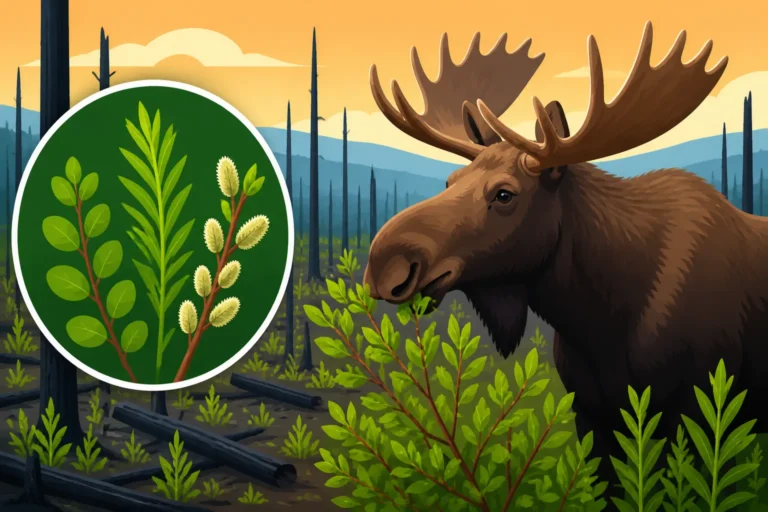
Caribou are specialized herbivores, and their well-being is intrinsically linked to the health of their habitat and the availability of their preferred forage. During summer months, they feast on green vegetation like willows, sedges, and forbs, building up crucial fat reserves. However, it's the winter months that truly test their resilience. Lichens, particularly reindeer lichen, become a primary food source, often found under the snow in spruce forests and on wind-swept ridges.
Changes in habitat can directly impact the herd. Large-scale wildfires, while initially destructive, can eventually lead to a flush of new growth that provides excellent caribou forage in the long term. However, prolonged periods of deep snow cover or ice crusts can make it impossible for caribou to access lichens, leading to starvation and reduced calf survival rates. Industrial development, even if carefully managed, can fragment habitat and disrupt migration corridors, adding stress to the herd. Climate change, with its potential for more erratic weather patterns and changes in vegetation, poses a significant long-term question mark for caribou across the Arctic.
Predator-Prey Dynamics
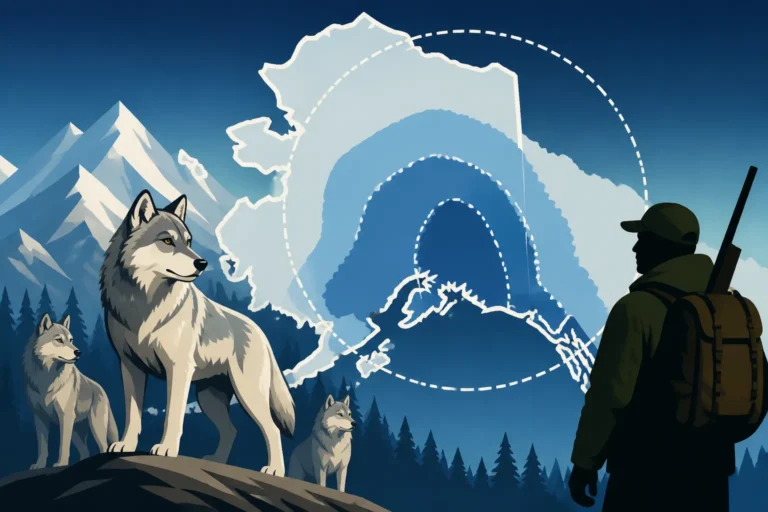
Alaska is a wild place, and caribou exist within a natural predator-prey system. Wolves are the primary natural predators of caribou, especially calves and weaker adults. Bears, particularly brown bears and black bears, will also opportunistically prey on caribou, with calves being especially vulnerable in the spring. Lynx and wolverines can also take caribou, though less frequently.
The balance between predator and prey is crucial. If predator populations become too high relative to the caribou herd, it can suppress caribou numbers or hinder their recovery. Conversely, a healthy caribou herd can sustain a healthy predator population. Wildlife managers often monitor these dynamics closely. Sometimes, targeted predator management, such as the focused efforts on Predator Calling for Alaska Wolves and Wolverine in certain areas, is implemented to help bolster caribou numbers during periods of decline or slow recovery, aiming to give the herd a better chance to rebound. It's a contentious but sometimes necessary tool in active game management.
Impact of Human Harvest and Management Decisions
Hunting is an integral part of caribou management, particularly for a herd like the Fortymile. Wildlife agencies use harvest limits, season dates, and specific bag limits to regulate the number of animals taken by hunters, ensuring it remains within sustainable levels that won't harm the long-term health of the herd. These regulations are incredibly dynamic; they can change from year to year, or even mid-season, based on new survey data and herd movements. It's why staying updated is critical.
For example, you might see discussions about the Fortymile Caribou Quota for the Season or specific rules like the Fortymile Bull-Only Bag Limit. These aren't arbitrary; they're direct responses to the latest population estimates and management goals. The timing of seasons, such as the distinction between the Fortymile Fall and Winter Quota Split, also helps distribute hunting pressure and aligns with caribou migration patterns. Without careful management, overharvest could quickly decimate a herd, undermining all conservation efforts. The success of the Fortymile herd's recovery is, in part, a testament to responsive management that balances human use with population health.
Planning Your Hunt Around a Dynamic Herd
Hunting caribou, especially the Fortymile herd, requires more than just a rifle and good boots; it demands adaptability, constant learning, and a proactive approach to information gathering. This isn't a "set it and forget it" kind of hunt.
Staying Informed About Herd Status
Given the dynamic nature of caribou populations and their regulations, staying informed is absolutely non-negotiable. The most reliable sources of information will always come directly from the Alaska Department of Fish and Game (ADF&G). They publish detailed hunting regulations annually, but just as importantly, they issue "emergency orders" throughout the season that can open or close hunt zones, change bag limits, or adjust season dates in response to herd movements or quotas being met. You need to know when the Fortymile Zone Openings and Delays are announced.
Subscribing to email alerts from ADF&G, regularly checking their website, and even monitoring local news sources in communities near the caribou range can give you a critical edge. Many hunters also rely on online forums and social media groups where fellow hunters share observations, though it's always wise to cross-reference such anecdotal information with official sources. Understanding the bigger picture of Alaska Hunting Seasons and Tag Rules Explained is your foundation, but the Fortymile specifics require daily vigilance closer to your hunt.
Adapting Your Strategy to Herd Movements
The Fortymile Caribou Herd is famous for its wide-ranging movements. What might be a prime hunting spot one year could be devoid of animals the next. This means your hunting strategy can't be set in stone. Flexibility is key. If you've planned a hunt for specific dates, be prepared to adjust your approach if the herd has moved significantly. This might mean shifting your focus to different subunits, being prepared to cover more ground, or even having a backup plan for a different species or area if caribou simply aren't present.
Hunters often invest time in Scouting a Unit From Satellite Imagery Before You Fly, looking for traditional travel corridors, feeding grounds, and water sources. But even with the best pre-scouting, ground conditions and caribou behavior can change everything. Knowing how to read the landscape, understanding where caribou seek refuge from wind or insects, and being able to make quick decisions in the field are invaluable skills. Sometimes, it's about anticipating the herd's next move based on weather or forage, rather than just reacting to where they were.
Tools and Resources for Hunters
In today's hunting world, technology can be a huge asset in planning for a fluctuating caribou herd. Mapping applications on your phone or GPS device, combined with Downloading Offline Maps Before a Fly-In, are essential for navigating the vast Fortymile country. These tools allow you to mark potential routes, track your progress, and pinpoint specific habitat features that might attract caribou.
Beyond navigation, platforms like GoHunt provide valuable resources for researching hunt units, understanding draw odds (if applicable to a specific Fortymile permit hunt), and often include articles and community forums to gather intelligence. Many hunters find these comprehensive platforms incredibly useful for comparing options and staying updated. You'll also want to familiarize yourself with the process for obtaining necessary permits, such as Alaska Harvest Tickets, Registration Permits and Draw Permits, and be keenly aware of the Alaska Harvest Report Deadline After the Hunt to maintain compliance. Ultimately, success on a Fortymile caribou hunt often comes down to preparation, persistence, and the ability to adapt to whatever surprises the Alaskan wilderness throws your way.
| Aspect | Description | Hunter's Implication |
|---|---|---|
| Population Estimates | Determined by aerial surveys and composition counts, providing an approximate number and trend. | Numbers guide quotas; strong trends suggest better opportunity, but exact location is still a challenge. |
| Migration Patterns | Extensive seasonal movements influenced by weather, forage, and predator pressure. | Expect variability; pre-scouting and in-field adaptability are crucial. The herd may not be where you expect. |
| Habitat Availability | Quality and quantity of forage (lichens, sedges, willows) across the vast range. | Hunters should target areas known for good forage, especially post-fire zones or specific wintering grounds. |
| Predator Pressure | Impact of wolves, bears, and other predators on calf survival and overall herd health. | High predation can reduce numbers; some management areas may have predator control efforts. |
| Management Regulations | Hunting seasons, bag limits, and emergency orders set by ADF&G to control harvest. | Constantly check official sources for changes. A legal animal today may not be legal tomorrow if quotas are met. |
| Environmental Factors | Snow depth, ice crusts, early/late freezes, and summer insect harassment. | Extreme weather can stress herds, leading to shifts in location or lower overall health. Hunters need to be flexible. |
Disclaimer
This article is for general informational purposes only and does not constitute professional advice. Laws, prices and regulations vary by location and change over time. Consult a qualified professional for guidance on your specific situation.