Why Unit 20A Holds So Many Moose
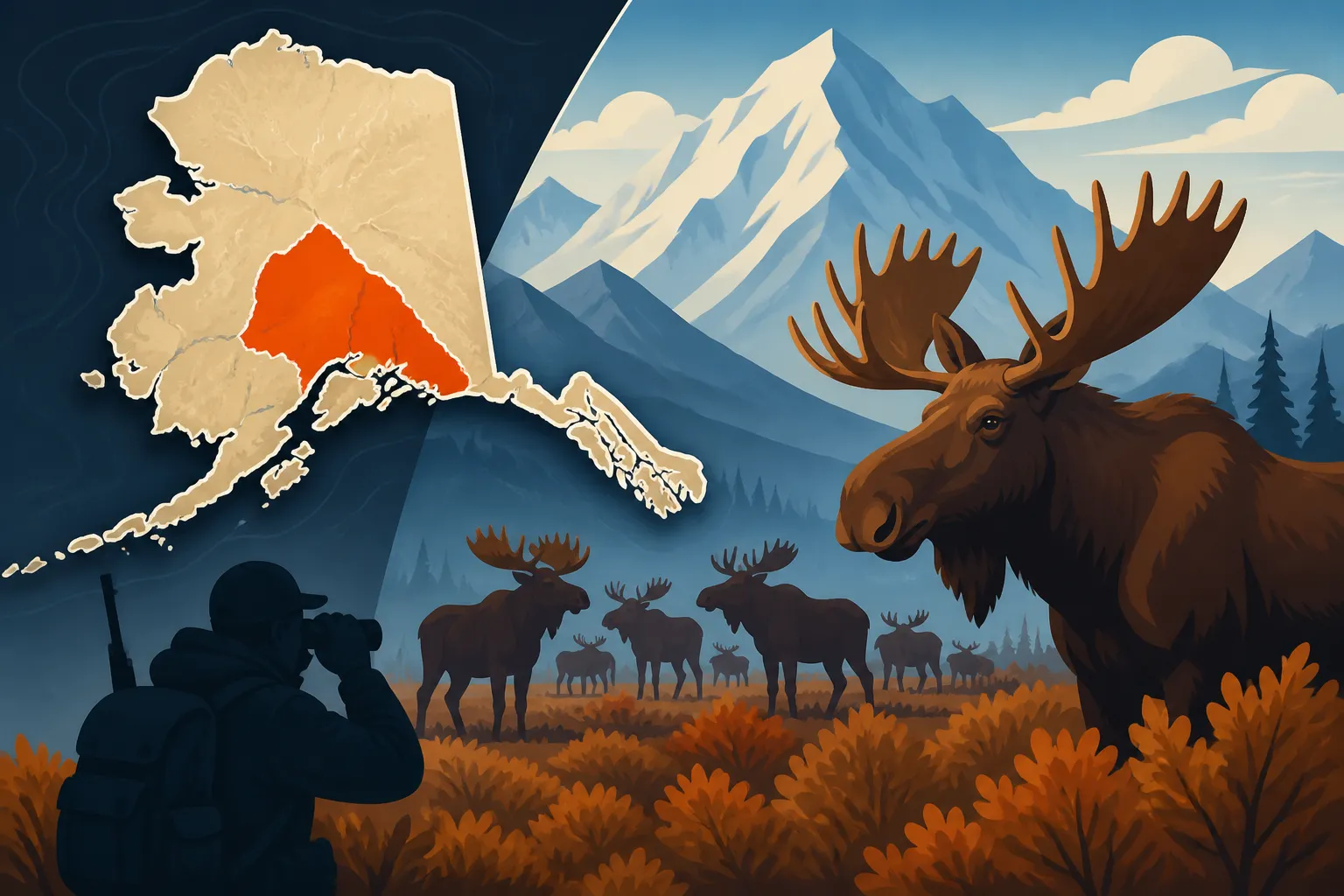
It’s a common frustration for anyone looking at an Alaska hunting map: the sheer scale of the place is overwhelming, and it can feel impossible to pinpoint where you truly have a solid chance at success. You hear whispers of certain areas being "moose factories," but understanding why a particular unit stands out, like the famous Unit 20A, is crucial. This guide will peel back the layers and explain the unique confluence of ecological factors and management strategies that make Unit 20A such a magnet for Alaska moose, helping you understand more than just a name on a map.
The Ecological Sweet Spot: Habitat That Fuels Moose Populations
When you picture prime moose country, you might think of endless willow swamps and thick timber. While those are definitely part of the equation, the truth about Unit 20A's incredible moose numbers lies in a dynamic landscape constantly being reshaped by nature itself. This isn't just a static patch of land; it's an ever-evolving buffet for moose.
Burn Scars and Regeneration: A Feast for Moose
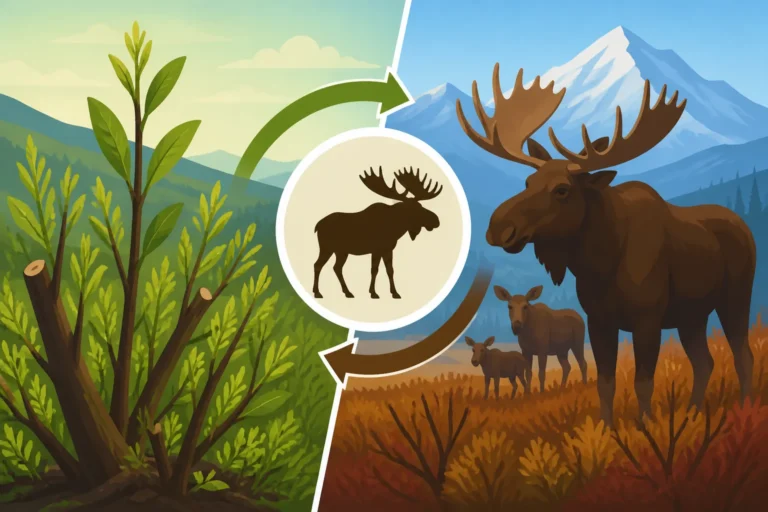
One of the most significant factors contributing to the abundance of moose in Unit 20A, particularly in areas like the vast Tanana Flats, is the history of large-scale wildfires. It might seem counterintuitive to think of a destructive fire as a boon for wildlife, but for moose, it's nothing short of a miracle. When a wildfire sweeps through, it clears out old, decadent spruce and birch forests. This isn't just about making space; it's about resetting the ecological clock.
After a fire, the ground is exposed to sunlight, and crucial nutrients are released back into the soil from the ash. This sets the stage for rapid regrowth of pioneer species – the plants that are first to colonize disturbed ground. And what are these pioneer species often comprised of? Exactly what a moose loves to eat: tender young willow, birch, and aspen. These plants sprout vigorously, forming dense thickets of highly nutritious browse. Unlike mature forests where the most palatable browse is often out of reach, a regenerating burn area provides an all-you-can-eat buffet at moose-height. If you're looking at aerial imagery on an app like GoHunt, pay close attention to the outlines of old burn scars. You'll quickly see why they're so productive. It's truly incredible how these natural disturbances create ideal feeding grounds, and understanding this phenomenon is key to understanding why Unit 20A continues to produce so many moose. You can learn more about how these habitats form in our article on Moose Habitat in Alaska Burn Scars.
Diverse Forage and Willow Flats: Year-Round Sustenance
Beyond the dramatic effects of wildfires, Unit 20A also boasts extensive areas of natural willow flats, river bottoms, and diverse forest edges that provide a consistent and varied diet for moose throughout the year. It's not just about quantity of food, but quality and availability. In the spring and summer, these areas explode with succulent new growth, providing the protein and energy moose need to pack on weight and grow impressive antlers. As the seasons shift, different browse becomes available, ensuring moose can find sustenance even as the landscape changes.
The complexity of the habitat means that moose aren't reliant on a single food source, making them more resilient to environmental fluctuations. They have plenty of options, from aquatic vegetation in shallow ponds and sloughs to the buds and twigs of various deciduous shrubs. This ecological diversity means that even if one food source is less productive in a given year, others are often abundant. This ensures a stable and robust food supply, which directly translates to a healthier, more numerous moose population. Knowing how to read these landscapes, particularly identifying areas like Willow Flats Versus Spruce for Bull Moose, can really give a hunter an edge in understanding moose movement.
Management Strategies and Hunter Access
While nature provides the bounty, human management plays a critical role in sustaining moose populations, especially in accessible units like 20A. A healthy herd doesn't just happen; it's often the result of thoughtful regulations designed to balance harvest with population growth and genetic health.
Antler Restrictions and Herd Dynamics
One of the most impactful management tools implemented in Unit 20A, and many other areas of Alaska, is the use of antler restrictions. Instead of simply allowing hunters to take any legal bull, regulations might specify that a bull must have a certain number of brow tines, a minimum antler spread, or be a spike-fork bull. For instance, the infamous "50-inch or 4 brow tines" rule in some parts of Alaska helps protect younger, genetically valuable bulls and allows them to reach maturity. This strategy ensures that a sufficient number of breeding-age bulls survive the hunting season, contributing to the reproductive success of the herd.
By focusing harvest on older, larger-antlered bulls that have already had a chance to breed, or on younger "spike-fork" bulls that are less critical to the breeding pool, managers can effectively shape the age structure of the herd. This promotes a healthier, more balanced population with a good bull-to-cow ratio. These rules, while sometimes challenging for hunters to interpret in the field, are vital for maintaining the robust moose numbers that Unit 20A is known for. It’s worth digging into articles like Alaska Moose Antler Restriction Areas to really get a handle on what you’re looking for.
Here’s a simplified look at how antler restrictions can affect herd dynamics:
| Antler Restriction Type | Primary Goal | Impact on Herd | Hunter Strategy |
|---|---|---|---|
| Spike-Fork Only | Protect prime breeding bulls, reduce density of young. | Increases survival of mid-age bulls, potentially more older bulls. | Focus on identifying younger, simpler antler configurations. |
| 50-inch Spread | Target mature bulls, allow younger bulls to grow. | Ensures a good proportion of mature, breeding-age bulls survive. | Careful field judging of antler width is essential. |
| 4 Brow Tines | Similar to 50-inch, targets older, more developed bulls. | Helps retain genetically strong breeders, allows for growth. | Scrutinize brow tines; can be tricky in dense cover. |
| Any Bull | Less restrictive, often used when populations are high. | Can reduce overall bull numbers, less selective harvest. | Focus on finding any legal bull; less emphasis on specific antler traits. |
Understanding these nuances is where resources like GoHunt become invaluable. Their detailed mapping and regulatory overlays can help you pre-scout these areas and grasp the specific rules for Alaska Game Management Units and How They Are Numbered.
Road System and Fly-In Access for Hunters
Another aspect that contributes to the perception of Unit 20A as a moose hotbed is its relatively good accessibility compared to many other remote parts of Alaska. While much of Alaska hunting requires significant logistical planning and expense, Unit 20A offers a blend of options. Portions of the unit are accessible by road, allowing hunters to drive in, set up camp, and hunt by foot or ATV where regulations allow. This "road-system hunting" opens up opportunities for many residents and non-residents alike, making moose hunting a more tangible reality.
For those seeking a more remote experience, numerous small lakes and gravel strips scattered throughout 20A provide excellent opportunities for fly-in hunting. Air taxis can drop hunters deep into prime moose habitat, allowing access to areas less pressured by road hunters. This dual accessibility means that different types of hunters can find their niche within the unit, spreading out the hunting pressure and providing varied experiences. The ability to utilize both vehicle and air access means that, despite being a popular unit, hunters can still find solitude and productive areas. Exploring options for Fly-In Hunting Areas Across Interior Alaska can definitely broaden your perspective on accessing these prime spots. This blend of access types ensures that a large number of hunters can partake, but the expansive nature of the unit and clever management keeps the herd healthy.
Predator Balance and Winter Survival
Even with perfect habitat and smart management, a moose population can only thrive if it overcomes two fundamental challenges: predation and the harsh realities of an Alaskan winter. Unit 20A benefits from a delicate balance in both these areas, contributing significantly to its consistently high moose numbers.
Balancing Predation Pressure
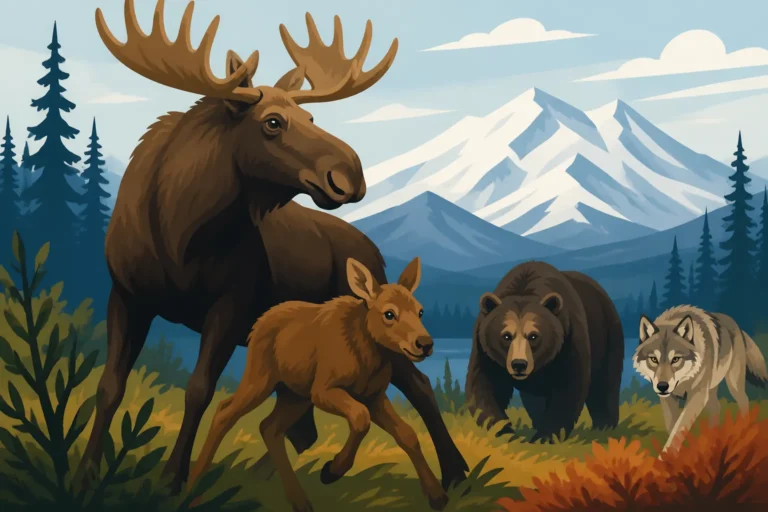
Predators, particularly wolves and bears, are a natural and healthy part of any Alaskan ecosystem. However, when predator populations surge, they can exert significant pressure on prey species like moose, especially calves. In Unit 20A, active predator management, often involving harvest by hunters and trappers, helps maintain a more balanced predator-to-prey ratio. This isn't about eradicating predators, but about ensuring that moose populations aren't overly suppressed.
When predator numbers are kept in check, more moose calves survive their critical first year, contributing to the overall growth and stability of the herd. This means more young moose reaching maturity, and ultimately, more legal bulls available for harvest. It's a complex ecological dance, but the efforts to manage predation in units like 20A have proven effective in supporting robust moose numbers. You can gain more insight into this delicate balance by reading about Predation Pressure on Alaska Moose Calves.
Winter Range Quality and Overwinter Survival
The Alaska winter is a brutal test for any animal, and moose are no exception. Deep snow can make feeding difficult, and prolonged periods of extreme cold can drain an animal's energy reserves. Unit 20A is fortunate to possess extensive, high-quality winter range that helps moose survive the leanest months. This includes areas with moderate snow depths, stands of mature deciduous browse (like birch and aspen) where older twigs provide sustenance, and south-facing slopes that melt out earlier, offering crucial access to early spring forage.
The quality of the winter range directly impacts the overwinter survival rate of moose, particularly calves and older animals. A mild winter with accessible food sources means more moose emerge healthy in the spring, ready to contribute to the next breeding cycle. Conversely, severe winters can lead to significant die-offs. The consistent quality of Unit 20A's wintering grounds is a cornerstone of its sustained moose productivity. Understanding the dynamics of Winter Range and Moose Survival in Interior Alaska is crucial for anyone hoping to truly grasp the lifecycle of these magnificent animals in the far north. It’s also important to remember that a healthy calf crop, driven by good winter survival, eventually leads to the impressive Alaska-Yukon Moose Body Size and Antler Spread that hunters dream of.
Disclaimer
This article is for general informational purposes only and does not constitute professional advice. Laws, prices and regulations vary by location and change over time. Consult a qualified professional for guidance on your specific situation.