Moose Density on the Kenai Peninsula
It’s a common frustration for hunters heading to the Kenai Peninsula: you know there are moose, but where exactly are they, and how do you navigate the sheer vastness and varied landscape to find areas with reliable numbers? It's not like they're just waiting by the roadside. This guide will help you understand the dynamics of moose density on the Kenai Peninsula, identify prime habitats, and equip you with strategies to increase your chances of a successful hunt in this unique part of Alaska.
Understanding Moose Density: What It Means for Your Hunt
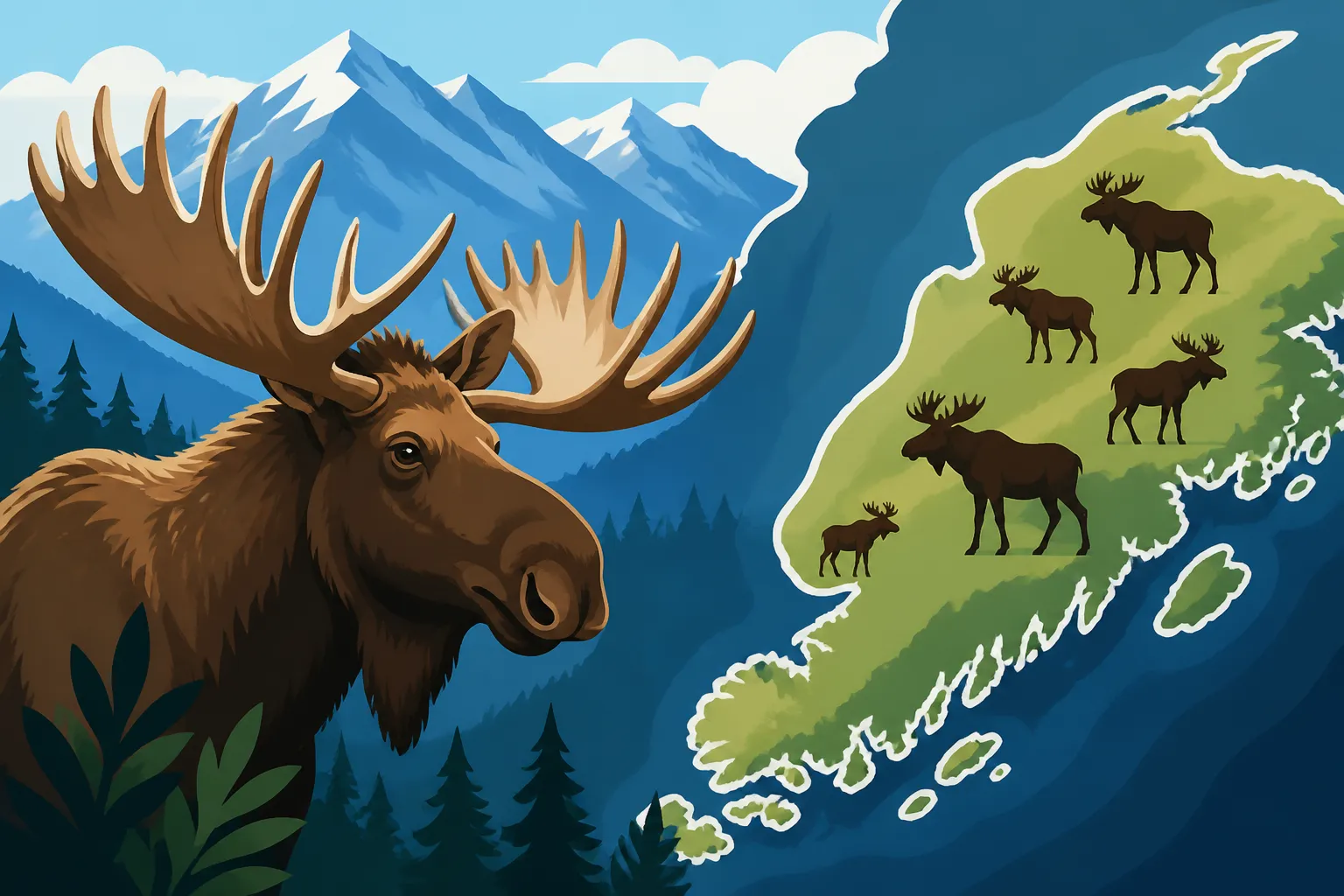
When we talk about moose density on the Kenai Peninsula, we're really digging into how many moose live per square mile in a given area. This isn't just a number for biologists; for hunters, it's a critical indicator of where you might have the best odds of encountering a bull. The Kenai is a mosaic of different habitats, and that means moose aren't spread evenly across the landscape. Some areas are veritable moose factories, while others might only hold a handful of transient animals.
Factors Influencing Moose Density on the Kenai
Several interconnected factors dictate where moose thrive on the Kenai. It’s a delicate balance of food, cover, and safety, all influenced by the dynamic Alaskan environment. Understanding these elements can help you predict where you’re most likely to find them.
First and foremost is habitat. Moose are browsers, and they absolutely depend on a continuous supply of palatable woody vegetation, primarily willows, birch, and aspen. Areas that have experienced significant wildfires in the past, often referred to as "burn scars," can become incredibly productive moose habitat in the years following the burn. The fire clears out mature timber, allowing sunlight to reach the forest floor and stimulate a flush of new, nutrient-rich browse. If you want to dive deeper into what makes these areas so attractive, check out our guide on What Moose Eat in a Ten-Year-Old Burn. Similarly, extensive willow flats along river bottoms and wetland complexes provide crucial forage, especially during the long winter months.
Predation also plays a significant role. The Kenai Peninsula is home to both black and brown bears, as well as wolves. While healthy moose populations can often withstand a certain level of predation, concentrated predator activity in certain areas can push moose into safer, denser cover or encourage them to move to areas where predation pressure is lower. A harsh winter can also weaken calves and older animals, making them more susceptible to predators, which in turn can temporarily lower local moose density. Finally, hunting pressure itself, particularly in accessible road-system areas, can lead moose to become more wary and disperse into less-traveled areas, giving the impression of lower density even if the overall population remains stable.
How Population Objectives and Management Play a Role
The Alaska Department of Fish and Game (ADF&G) is constantly monitoring moose populations and setting management objectives for different Game Management Units (GMUs) across the Kenai. These objectives consider everything from habitat conditions and winter severity to hunter demand and subsistence needs.
These management plans directly influence the types of hunts available and where they are offered. For instance, in areas with lower moose density or populations that need to grow, ADF&G might implement more restrictive regulations, such as draw permits or antler restrictions like the "spike-fork or 50-inch rule" to protect younger bulls and ensure recruitment into the breeding population. Conversely, units with robust moose numbers might see more general season opportunities or higher harvest quotas. It’s a complex system, and understanding it is key to planning your hunt effectively. We've got a comprehensive article on Alaska Hunting Seasons and Tag Rules Explained that breaks down the various permit types and how they operate throughout the state. Being familiar with these regulatory frameworks, often accessible through resources like GoHunt, is essential for every Kenai hunter.
Prime Moose Habitat Areas on the Kenai Peninsula
The Kenai Peninsula isn't just one big moose playground. It has distinct zones where conditions align perfectly to support healthy moose populations. Knowing these areas and what makes them tick can guide your scouting and hunting efforts.
The Moose-Rich Lowlands and Burn Scars
Without a doubt, some of the most consistent moose densities on the Kenai are found in the expansive lowlands, particularly within the Kenai National Wildlife Refuge. This vast federal land offers a mix of wetlands, timbered areas, and, crucially, large burn scars from past wildfires. The Funny River Fire in 2014 and the Swan Lake Fire in 2019 were immense events that reshaped hundreds of thousands of acres. While the immediate aftermath of a fire can seem barren, within a few years, these areas explode with new growth. Young willows, birch, and aspen quickly colonize the nutrient-rich soils, creating an ideal browse buffet for moose.
These regenerating burn areas become magnets for moose, offering both abundant food and relatively open visibility compared to dense, mature spruce forests. Moose will often spend their days browsing in these thickets and then move to adjacent timber or wetlands for cover. Hunters willing to put in the effort to navigate these regenerating areas often find higher concentrations of animals. It's not uncommon to find several moose in a relatively small patch of prime burn habitat, especially if it's bordered by water or more mature timber for security.
River Drainages and Willow Flats
Beyond the burn scars, the major river drainages of the Kenai Peninsula are also critical moose habitats. Rivers like the Kenai and Kasilof, along with their numerous tributaries and associated wetlands, create vast stretches of willow and alder bottoms. These areas provide not only essential browse but also thermal cover and refuge from predators, especially during severe winters.
Moose will often follow these drainages, moving between feeding grounds and bedding areas. The rich, moist soil along riverbanks encourages lush willow growth, which is a moose's primary food source. In fact, understanding Willow Regrowth and Moose Numbers is fundamental to predicting where moose will concentrate. During the rut, these river corridors can become hotbeds of activity, as bulls search for cows, and cows utilize the cover and feed. Hunting these areas often involves navigating thick brush and sometimes water, but the reward can be finding those big, elusive Kenai bulls that prefer to stick to the dense riverine habitat.
Navigating Access and Regulations for Kenai Moose
Hunting the Kenai Peninsula means dealing with a unique blend of highly accessible road-system areas and more remote country, all under specific regulatory frameworks. It's crucial to understand both the physical access points and the bureaucratic hurdles before you even pack your boots.
Road System Access and Challenges
The Kenai Peninsula boasts a relatively extensive road system compared to many other parts of Alaska, primarily centered around the Sterling Highway, Kenai Spur Road, and portions of the Seward Highway. This accessibility is a double-edged sword for moose hunters. On one hand, it allows hunters to get into areas that would otherwise require expensive air charters or long backpacking trips. On the other hand, it means these areas often receive significant hunting pressure.
Many prime moose habitats, particularly within the Kenai National Wildlife Refuge, are accessible directly off the road system or via established trails. However, navigating land ownership is critical. The Kenai Peninsula has a complex patchwork of state, federal (like the refuge), and private lands, including Native corporation holdings. Hunters must verify land ownership before venturing off designated public access points. Many roads and trails pass through private property, and trespassing can lead to serious legal issues and loss of hunting privileges. Understanding Kenai Peninsula Units and Their Boundaries is key to ensuring you're not only in the right GMU but also on legally accessible land. Always carry detailed maps (digital or paper) that clearly delineate land status.
Permit and Season Specifics for Kenai Units
The Kenai Peninsula is primarily covered by Game Management Unit 15, which is further divided into subunits (15A, 15B, 15C), each with its own specific regulations and moose populations. These units often feature a mix of registration hunts and draw hunts for moose. Registration hunts typically have specific check-in and check-out requirements and may close by emergency order if quotas are met. Draw hunts, on the other hand, are highly sought after and require application well in advance, often with long odds due to the popularity of Kenai moose.
Antler restrictions are a common feature in many Kenai units, designed to manage bull age structure. You'll often encounter the "spike-fork or 50-inch" rule, meaning a legal bull must either have antlers with a spike and one fork or greater on one side, or an antler spread of 50 inches or more. Accurately field judging a bull under these conditions, especially in thick Kenai cover, can be incredibly challenging and requires practice. Our guide on Alaska Moose Antler Restriction Areas delves into the intricacies of these rules. Using a platform like GoHunt can be invaluable for researching historical draw odds, understanding unit-specific regulations, and preparing for the application process well before the season.
Strategies for Hunting High-Density Moose Areas
Finding high-density moose areas is only half the battle; successfully hunting them requires careful planning, effective scouting, and the right tactics for the Kenai's unique environment.
Scouting and Planning for Success
Successful Kenai moose hunting often starts long before you ever step foot in the field. Thorough scouting and planning are paramount. Begin by immersing yourself in maps—topographic maps, aerial imagery, and land status maps. Identify potential access points, burn scars, large willow flats, and areas with good cover or water features that moose are likely to use. Online mapping tools, including those offered by GoHunt, provide invaluable satellite imagery overlays that can help you visualize the terrain, pinpoint potential feeding and bedding areas, and identify game trails from your armchair. For a deeper dive into this, check out Scouting a Unit From Satellite Imagery Before You Fly.
Consider seasonal movements. While moose generally stay in specific areas, their patterns can shift based on forage availability, bug pressure, and the rut. Early season might see them in slightly higher, dryer ground, while the rut pulls them into more open areas or along river corridors. Pay attention to historical harvest data for your chosen unit, which can often be found through ADF&G reports. This data, while not a guarantee, can give you an idea of where successful hunters have been in the past and what type of moose are typically harvested.
Effective Hunting Methods in Kenai Habitat
Once you're in the field, adapting your hunting methods to the Kenai's dense cover and moose behavior is crucial. Still hunting—moving slowly and deliberately through the landscape, pausing frequently to observe and listen—is highly effective in the thick willow and birch regrowth of burn scars and river bottoms. Moose often rely on their excellent hearing and sense of smell, so moving quietly and paying attention to wind direction are critical.
Calling can also be a powerful tool, especially during the peak of the rut, typically in mid-September. Both cow calls (mimicking a cow in estrus) and bull grunts (challenging a bull) can attract curious or territorial bulls. Raking an antler on brush can simulate a bull thrashing, drawing in other bulls looking for a fight. Our article on Calling Moose in Alaska With a Scapula and a Cow Call provides excellent tips on these techniques. Remember that calling often works best when you set up in a location with good visibility and an escape route, as a curious bull might approach quickly and silently.
Finally, be prepared for the physical demands of Kenai moose hunting. Even road-accessible areas can quickly turn into rugged, swampy, or densely vegetated terrain. Packing out a moose from these environments is a monumental task, often requiring multiple trips or specialized equipment. Make sure you've thought through your pack-out plan and have the necessary gear. For more advice on this, consider reading Backpack Hunting in Alaska: Gear Weight and Meat Loads. The Kenai offers incredible opportunities, but success hinges on preparation, patience, and adapting to the challenges this dynamic landscape presents.
| Kenai Peninsula Area Type | Typical Moose Habitat | Access Type | Hunter Experience | Key Considerations |
|---|---|---|---|---|
| Burn Scars | Regenerating willows, birch; open areas | Road system, hiking, ATV trails | Variable, can be dense | Excellent browse, dense cover, navigation challenges |
| River Drainages | Dense willow/alder bottoms, wetlands | Road system, jet boat, packraft, hiking | Moderate to strenuous | Prime rutting areas, wet conditions, thick cover |
| Interior Lowlands | Mix of spruce, willow bogs, small lakes | Road system, hiking, limited ATV | Moderate | Good general season areas, can be swampy |
| High Country/Alpine | Scattered browse, open slopes | Hiking, backpack hunting, fly-in | Strenuous | Lower density, but can hold large bulls |
Disclaimer
This article is for general informational purposes only and does not constitute professional advice. Laws, prices and regulations vary by location and change over time. Consult a qualified professional for guidance on your specific situation.