Lamb Survival in a Hard Alaska Winter
Alaska's winters are legendary for their harshness, and for Dall sheep lambs, the first one is a brutal test of survival. The freezing temperatures, deep snow, and scarcity of food present an immense challenge that can dramatically shape the future of a sheep herd. This guide dives deep into the specific trials young Dall sheep face when winter truly bites and how these challenges impact their chances of making it to their first birthday.
The Gauntlet of Deep Snow and Extreme Cold
When the first heavy snows blanket the high country, a Dall sheep lamb, often born just a few months prior in late May or early June, is immediately thrust into a fight for survival. Unlike their larger, more mature counterparts, lambs are ill-equipped to handle the relentless demands of an Alaskan winter. Their small size and relatively undeveloped musculature make every step a monumental effort, especially when navigating through snow that can be waist-deep for them, even if it's only knee-deep for an adult.
This struggle isn't just about movement; it's also about finding food. The sparse alpine vegetation that Dall sheep rely on becomes locked under layers of snow and ice. While adult sheep have the strength and experience to paw through snow to reach buried forage, lambs quickly exhaust themselves trying to do the same. This can lead to a dangerous energy deficit, pushing them closer to starvation and making them more susceptible to other threats. The difference in their ability to access sustenance is stark, with many lambs simply lacking the physical capacity to compete or dig effectively, even on seemingly accessible wind-blown ridges.
Navigating and Foraging in Snow-Packed Terrain
Imagine being a tiny lamb, perhaps only 50 pounds, trying to walk through snow that comes up to your chest. That's the reality for many young Dall sheep. Every step is a high-energy endeavor, and moving from one patch of potential forage to another consumes precious calories that are already in short supply. The soft, powdery snow can make travel nearly impossible, while a hard crust, though offering some support, can break through, causing cuts and further draining energy. These physical challenges often force lambs to lag behind the ewes, increasing their risk of isolation or becoming separated from the protection of the herd.
Furthermore, the very act of foraging becomes a Herculean task. Dall sheep are grazers and browsers, relying on grasses, sedges, lichens, and woody plants found in the alpine. When these are buried under feet of snow, lambs must exert significant effort to paw away the snow, sometimes only to find ice or poor-quality forage beneath. The nutritional value of winter browse is already lower than summer greens, so the combination of high energy expenditure and low caloric intake is a recipe for disaster. This often leads to a slow, debilitating decline in body condition, making them increasingly vulnerable.
Battling Bone-Chilling Temperatures
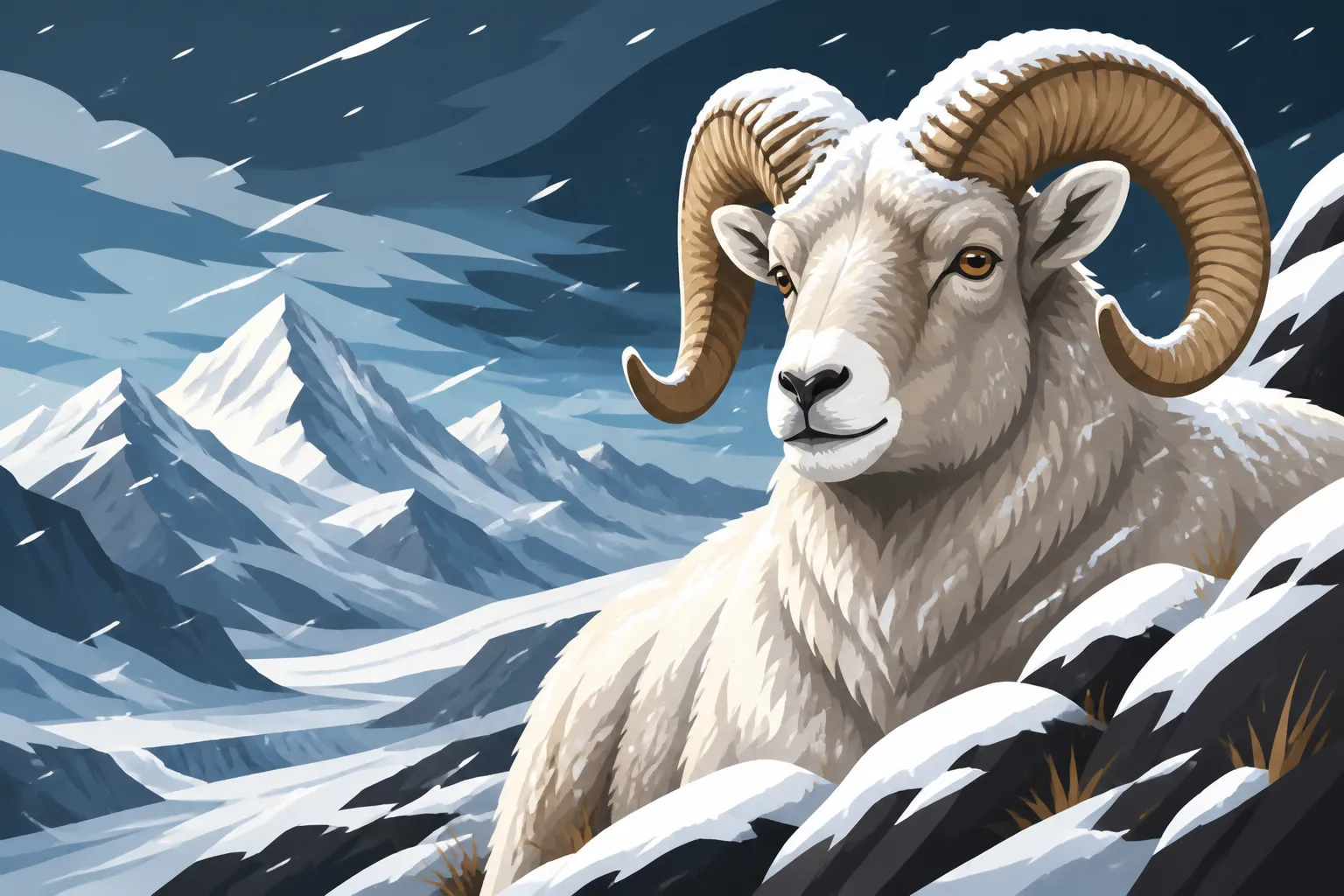
Beyond the snow, the sheer cold of an Alaskan winter is a relentless adversary. Temperatures in the high alpine can plummet well below zero, often accompanied by fierce winds that create dangerous wind chill factors. Dall sheep lambs, with their smaller body mass, have a much larger surface area to volume ratio than adults, meaning they lose heat far more rapidly. While they possess a thick, insulating coat of white hair, it can only do so much against sustained, extreme cold, especially if it becomes wet or matted.
To combat hypothermia, lambs must constantly generate body heat, which requires an immense amount of energy. Their metabolism speeds up, burning through their limited fat reserves at an alarming rate. If a lamb hasn't built up sufficient fat stores during the brief Alaskan summer and fall, it stands little chance of surviving a prolonged cold snap. A healthy adult ewe might be able to withstand weeks of extreme cold, but for a lamb, just a few consecutive days can be fatal if they aren't adequately fed and sheltered. The ceaseless cold dictates every aspect of their winter existence, from where they bed down to how quickly they must find food.
Maternal Health and Predation Pressures
The survival of a Dall sheep lamb is intimately tied to the health and experience of its mother. A strong, healthy ewe provides not only milk but also critical guidance, leading her lamb to the best available forage and teaching it to navigate treacherous terrain. However, if the ewe herself entered winter in poor condition, perhaps from a difficult previous winter or a challenging summer, her ability to sustain her lamb diminishes significantly.
Moreover, the deep snows of winter often concentrate prey animals, including Dall sheep, into more predictable patterns, making them easier targets for predators. Wolves, wolverines, and even golden eagles are always on the lookout for the weak and vulnerable, and lambs, especially those weakened by cold and hunger, are prime targets. The stark white landscape offers little cover, and the slowed movement of a lamb through snow can turn a potential escape into an easy meal for a hungry carnivore.
The Critical Role of Ewe Condition
A ewe's physical condition leading into winter is paramount for her lamb's survival. If she herself struggled to find sufficient forage during the previous year, or if she's older and her body is simply less efficient, her milk production can suffer significantly. This means less vital nutrition for her lamb during its crucial early development, leaving it smaller, weaker, and with fewer fat reserves to draw upon as winter progresses. A strong bond and adequate milk supply give the lamb its best start, fostering rapid growth that increases its chances of weathering the winter.
Beyond milk, the ewe is the lamb's primary teacher and protector. She shows it where to find wind-blown patches of grass, how to navigate icy slopes, and how to identify potential dangers. A ewe in poor health might be less attentive, less protective, or simply lack the energy to guide her lamb effectively. These seemingly small disadvantages can become life-threatening in the unforgiving alpine environment, setting the lamb up for failure before the deepest snows even arrive. Researchers and biologists often find that lamb survival rates correlate strongly with the overall health indices of the ewe population.
The Constant Threat from Predators
Winter brings a heightened threat from predators, especially for vulnerable Dall sheep lambs. Wolves, which may range across vast territories as seen in studies of Wolf Pack Sizes in Interior Alaska, often key in on the weakest individuals within a herd. A lamb struggling through deep snow, already weakened by cold and hunger, presents an easy target. The deep snow itself can be a disadvantage, as it slows the lamb's escape and can trap it, making it difficult to flee up steep slopes where it might normally find safety.
Wolverines, while smaller, are incredibly tenacious and opportunistic predators that will also target lambs, particularly those separated from their mothers or the main herd. Even golden eagles can pose a threat to very young or severely weakened lambs, swooping down to take advantage of their vulnerability. The white coats of Dall sheep offer excellent camouflage against the snowy backdrop, but a faltering gait or a lagging position in the herd can still give away a lamb's distress to a keen-eyed predator. Understanding How Wolves Affect Moose Calf Survival provides a good analogy for how generalist predators exploit young, vulnerable ungulates in harsh conditions.
Habitat Dynamics and Nutritional Shortfalls
Dall sheep are true alpine specialists, thriving in the rugged, high-elevation terrain of places like Dall Sheep in Alaska's Brooks and Alaska Ranges. However, their chosen habitat, while offering protection from many predators, becomes a double-edged sword in winter. The very features that provide safety – steep, rocky slopes and wind-swept ridges – also become areas of extreme challenge when blanketed in snow and ice. The availability of food, already sparse, becomes critically limited, pushing lambs to their physiological limits.
The quality of the forage they can access is just as important as its quantity. Summer provides a flush of nutritious green growth, but winter forage is typically dry, low in protein, and difficult to digest. This means lambs must eat more to get the same caloric intake, a difficult feat when food is scarce and energy is constantly being expended just to stay warm and move. This nutritional shortfall is a primary factor in winter mortality for young sheep.
Scarcity of Accessible and Nutritious Forage
In summer, Dall sheep lambs nibble on a variety of alpine grasses, sedges, and forbs. But what Dall sheep eat above timberline in winter primarily consists of dried grasses, lichens, and the woody stems of dwarf willows or heath. These are often buried beneath insulating layers of snow, or, paradoxically, exposed on wind-scoured ridges but then desiccated and brittle. Even if found, the nutritional content of this winter browse is significantly lower than summer's lush vegetation. This creates a challenging paradox: lambs need more energy to stay warm, but the available food provides less energy.
Wind-swept ridges are critical wintering areas because the wind often keeps the snow cover shallower, allowing sheep to access some forage. However, these same ridges are exposed to the full brunt of blizzards and brutal winds, which can create extreme wind chill. If a warm spell melts snow followed by a refreeze, a thick layer of ice can form, rendering even these vital areas impenetrable. This phenomenon can be devastating, effectively locking away any remaining food sources and leading to rapid starvation.
High-Altitude Wintering Strategies and Risks
Dall sheep have evolved specific strategies to survive winter in their high-elevation homes. They often seek out south-facing slopes that receive more solar radiation, helping to melt snow or prevent its accumulation. They also utilize steep, rocky cliffs and benches as bedding areas, which offer some protection from wind and snow. These areas are crucial for their survival, acting as natural shelters. Knowing Where Dall Sheep Winter in the Brooks Range provides insights into these critical habitats.
However, these wintering grounds are not without their risks. The steep terrain can become incredibly hazardous when covered in ice, leading to falls that can injure or kill lambs. Deep snow drifts can accumulate in gullies and depressions, creating "snow traps" where lambs can become stuck and quickly succumb to hypothermia or exhaustion. Additionally, some steep slopes are prone to avalanches, especially during periods of heavy snowfall or warming trends, which can wipe out entire groups of sheep seeking shelter or forage. It's a constant balancing act between finding food, seeking shelter, and avoiding environmental hazards in a landscape designed to test the limits of survival.
Non-Winter Related Stressors Magnified by Cold
While deep snow and extreme cold are the most obvious culprits in lamb mortality, other factors, often present in a milder form during warmer months, become deadly serious in the depths of an Alaskan winter. Disease and parasites, which a healthy lamb might easily fight off in summer, can quickly overwhelm a system already stressed by hunger and cold. Likewise, seemingly minor accidents can turn fatal when a lamb's mobility is hampered and its energy reserves are depleted.
The cumulative effect of these stressors is what truly makes the first winter so perilous for Dall sheep lambs. A lamb that is slightly underweight, carrying a mild parasite load, and then has to navigate a particularly icy slope is far more likely to succumb than a perfectly healthy lamb facing just one of these challenges. It's a testament to the harsh realities of the Alaskan wilderness that only the hardiest lambs often make it through their first year.
Disease and Parasite Vulnerability
A lamb's immune system, still developing, is already under immense strain during winter. The constant battle against cold and hunger means that the body diverts energy away from immune responses, making lambs highly susceptible to illness. Respiratory infections, for example, can quickly take hold in lungs weakened by cold, especially if the lamb is already malnourished. These infections can rapidly progress to pneumonia, which is often fatal in remote, unassisted animals.
Internal parasites, while often present in low levels year-round, can proliferate when a lamb's health declines. A heavy parasite load can further deplete a lamb's already dwindling energy reserves by consuming nutrients and weakening its digestive system. This creates a vicious cycle: stress from winter makes lambs more vulnerable to parasites, and parasites further weaken lambs, making them less able to cope with winter. Without the intervention of abundant, nutritious forage to build their strength, these issues, often minor in other seasons, become deadly serious during the lean months of winter.
Accidents and Environmental Traps
The rugged, mountainous terrain that Dall sheep inhabit is inherently dangerous, and this danger is greatly amplified by winter conditions. Icy patches on steep rock faces can lead to slips and falls, which can result in broken bones or internal injuries. A lamb with a debilitating injury has virtually no chance of survival in the wilderness, as it cannot keep up with the herd, escape predators, or find food. Hunters familiar with Alpine Navigation Without Cell Service understand the inherent dangers of these remote, high-altitude environments.
Furthermore, deep snow can create deceptive traps. Cornices—overhanging masses of snow and ice—can collapse without warning, or lambs can simply break through a seemingly solid snowdrift and become buried. While adult sheep might have the strength to dig themselves out, a lamb can quickly become exhausted and succumb to hypothermia. Even something as simple as getting separated from the ewe in a whiteout or blizzard can lead to a lamb getting lost, disoriented, and quickly perishing from exposure. The unforgiving landscape offers no second chances.
Research and Management Insights into Lamb Survival
Understanding the factors that influence Dall sheep lamb survival is not just a matter of curiosity; it's a critical component of wildlife management and conservation. Biologists and researchers spend countless hours in the field, often enduring conditions as harsh as the sheep themselves, to gather data on birth rates, survival rates, and causes of mortality. This information is vital for assessing the health of a herd and making informed decisions about hunting quotas and conservation strategies.
Modern research techniques, from advanced telemetry to detailed population surveys, provide invaluable insights. This long-term monitoring allows wildlife agencies to track trends, identify problem areas, and respond proactively to changes in sheep populations, ensuring the long-term sustainability of this iconic Alaskan species. Hunter resources, like those available through GoHunt, can sometimes aggregate and present this type of biological data, helping hunters understand the science behind season structures.
Tracking Survival Rates Through Field Studies
Wildlife biologists employ a variety of methods to track Dall sheep lamb survival. One common technique involves capturing and fitting some lambs with small, lightweight radio collars soon after birth. These collars allow researchers to monitor the lambs' movements and, crucially, to determine if and when they die, and sometimes even the cause of death. By tracking cohorts of lambs, researchers can calculate precise survival rates and identify peak periods of mortality, often correlating with the onset of severe winter weather. These studies are typically carried out in specific areas, such as the Brooks Range or the Alaska Range, where access is feasible.
Beyond collaring, visual surveys are also essential. Biologists conduct aerial surveys or prolonged ground observations, often from prime glassing points (much like hunters Reading Sheep Country From a Glassing Knob), to count the number of lambs seen with ewes. Repeating these surveys at different times of the year provides a snapshot of recruitment into the herd. These rigorous field studies provide the raw data that feeds into sophisticated population models, giving a clearer picture of how a herd is faring against the elements and predators. Accessing comprehensive data, even historical records, through platforms like GoHunt can significantly aid in understanding these long-term trends and impacts on Dall sheep populations.
Informing Future Hunting Regulations
The data collected on lamb survival rates directly informs the Alaska Department of Fish and Game's decisions regarding hunting regulations. If a particular winter sees very low lamb survival, it indicates that fewer young sheep will be recruited into the breeding population in the coming years. This can trigger adjustments in hunting seasons, such as reduced tag allocations, shorter seasons, or even temporary closures in specific game management units. The goal is always to ensure that harvest levels are sustainable and do not negatively impact the long-term health and growth of the Dall sheep population.
For instance, if surveys show a consistent decline in lamb-to-ewe ratios over several years following harsh winters, biologists might recommend more conservative harvest limits on rams, or stricter "full-curl" rules to protect younger, breeding-age rams. Understanding these complex population dynamics, including how factors like Ram Horn Growth Rings and Age can reflect overall herd health, is paramount. These regulatory changes are not arbitrary; they are scientific responses to the health of the herd, aiming to balance hunting opportunities with conservation mandates.
Long-Term Population Impacts of Severe Winters
The immediate impact of a hard winter on Dall sheep lambs is tragic, with high mortality rates thinning the ranks of the youngest generation. However, the repercussions extend far beyond a single season. A severe winter can create a "bottleneck" in the age structure of a herd, meaning that several years down the line, there will be fewer mature rams and breeding ewes, as those lost lambs would have been the future of the population.
Despite these challenges, Dall sheep are remarkably resilient creatures, honed by millennia of life in the unforgiving Arctic. They possess a suite of adaptations that allow them to endure conditions that would quickly dispatch other species. Yet, even with these remarkable traits, there are limits to what they can withstand. Understanding both the severe impacts and the inherent resilience is key to appreciating the delicate balance of life for Dall sheep in Alaska.
Bottlenecks in Herd Recruitment
When lamb survival is low for one or more consecutive winters, it creates a significant gap in the age classes of a Dall sheep herd. Picture a population pyramid where the base, representing the youngest animals, is suddenly much narrower. These missing lambs would have become the future breeding ewes and legal rams. This "recruitment bottleneck" means that in three to five years, when those lambs would have reached reproductive maturity or legal harvest size (like a full-curl ram), their numbers will be significantly lower. This can lead to reduced hunting opportunities for several years, as wildlife managers must ensure enough breeding stock remains to allow the population to recover.
Furthermore, a reduced pool of younger sheep can make the entire herd more susceptible to future challenges. With fewer young animals to replace older ones, the population might age, potentially reducing overall reproductive vigor. This is why consecutive hard winters are particularly concerning; they can set a herd back by decades, making recovery a slow and arduous process. Monitoring the annual lamb crop is therefore a critical indicator for long-term population forecasting and management.
Adaptations and Resilience of Dall Sheep
Despite the formidable challenges of an Alaskan winter, Dall sheep are incredibly well-adapted for survival. Their thick, white coat, comprising both fine wool and coarse guard hairs, provides exceptional insulation against the cold and blends seamlessly with their snowy surroundings. Their hooves are designed for traction on steep, rocky, and icy terrain, allowing them to navigate slopes that other animals cannot. This anatomical advantage helps them access remote, wind-blown foraging areas and escape most ground predators.
Physiologically, Dall sheep also adapt to the scarcity of winter forage by slowing their metabolism and reducing activity levels, conserving precious energy. They are masters of finding and utilizing microhabitats—such as sun-warmed ledges or snow-free rocky outcrops—that offer temporary refuge from the harshest elements. While a hard winter can exact a heavy toll on Lamb Survival in a Hard Alaska Winter, the species' inherent resilience, honed over millennia, means that given a few mild winters and adequate management, their populations can rebound. It's a testament to the toughness of these iconic mountain dwellers.
| Factor | Mild Winter Impact on Lamb Survival | Severe Winter Impact on Lamb Survival |
|---|---|---|
| Snow Depth | Moderate; easier foraging | Deep; extreme difficulty finding food |
| Temperature | Cold, but manageable; less energy drain | Brutal cold; high energy expenditure for warmth |
| Forage Accessibility | Generally available on ridges | Often iced over or deeply buried |
| Forage Quality | Dry, but generally sufficient | Limited, low in vital nutrients |
| Predation Risk | Present, but lambs can escape | Elevated; slowed lambs are easy targets |
| Ewe Health | Better condition; good milk/guidance | Stressed; less capable of supporting lamb |
| Disease/Injury Risk | Lower; healthy immune response | High; weakened immunity, increased accidents |
| Overall Survival Rate | Moderate to High | Very Low |
Disclaimer
The information provided in this guide is for general educational purposes only and should not be considered as legal advice or a substitute for official hunting regulations. Hunting regulations in Alaska are subject to change and vary by game management unit, species, and season. Always consult the most current Alaska Department of Fish and Game regulations and any applicable federal regulations before planning or undertaking any hunting activity.