Alaska Hunter Education Reciprocity With Other States
It’s a common worry for hunters planning an adventure to the Last Frontier: "Will my hunter education card from back home even be valid in Alaska?" Navigating different state regulations can feel like tackling a dense thicket, and the last thing you want is a legal snag derailing your long-awaited trip. This comprehensive guide will untangle the complexities of Alaska’s hunter education reciprocity, clarifying exactly what you need to know and carry to ensure your hunting experience is smooth and compliant.
Understanding Alaska's Hunter Education Requirements
Before we dive into how your out-of-state credentials might transfer, let's lay a foundation on what Alaska actually requires of its hunters. Knowing the baseline is crucial, especially if you're new to the hunting scene or simply haven't reviewed these rules in a while. It’s not just about getting a license; it’s about proving you have the knowledge to hunt safely and ethically in one of the wildest places on earth.
Who Needs Hunter Education in Alaska?
Generally speaking, if you were born after January 1, 1986, and you want to hunt big game or small game with a firearm in Alaska, you are required to complete a certified hunter education course. This is a pretty standard cutoff date in many states, and for good reason—it ensures that a new generation of hunters understands firearm safety, responsible hunting practices, and wildlife conservation principles. It can certainly feel frustrating to dig through various state laws, but Alaska's requirement aligns with a national standard.
Now, there are some exceptions to this rule, which can sometimes cause confusion. For instance, individuals 10 years of age or older may hunt under the direct supervision of a licensed hunter who is 16 years of age or older and has successfully completed a hunter education course. This is often an opportunity for mentors to pass on their knowledge and passion, creating future stewards of our wild places. However, it's critical that the supervising hunter is truly "direct supervising," meaning they are close enough to take immediate control of the firearm and provide clear instruction. Furthermore, residents who are 60 years of age or older are exempt from the hunter education requirement. For a detailed breakdown, it's always wise to review the Alaska Hunter Education Card Requirements directly from the Alaska Department of Fish and Game (ADF&G).
The Core Requirement: Why It Matters
The hunter education requirement isn't just bureaucratic red tape; it's a vital component of wildlife management and public safety. Alaska, with its vast wilderness, dangerous game, and often challenging conditions, places an even higher premium on responsible hunting. The courses cover not only firearm handling and marksmanship but also crucial elements like game identification, shot placement, ethical considerations, field care of game, and basic survival skills. Imagine being miles from the nearest road, a massive bull moose on the ground, and realizing you don't know the first thing about Quartering a Bull Moose Alone in the Field. These courses help instill the knowledge and confidence to handle such situations safely and effectively.
For many, the true value of hunter education isn't fully appreciated until they're faced with a real-world scenario where those lessons become critical. It's about minimizing accidents, preventing wanton waste, and ensuring that hunting remains a respected tradition. Understanding the "why" behind these rules makes it less of a hurdle and more of an investment in a successful and safe hunting future, especially when you consider the unique challenges of hunting species like Alaska Brown Bears on the Coast Versus Interior Grizzlies.
Navigating Hunter Education Reciprocity
One of the biggest reliefs for hunters traveling to Alaska is the state's approach to hunter education reciprocity. You've already put in the time and effort to get certified in your home state, and thankfully, you likely won't have to repeat the process just for an Alaska hunt.
How Reciprocity Works for Hunters
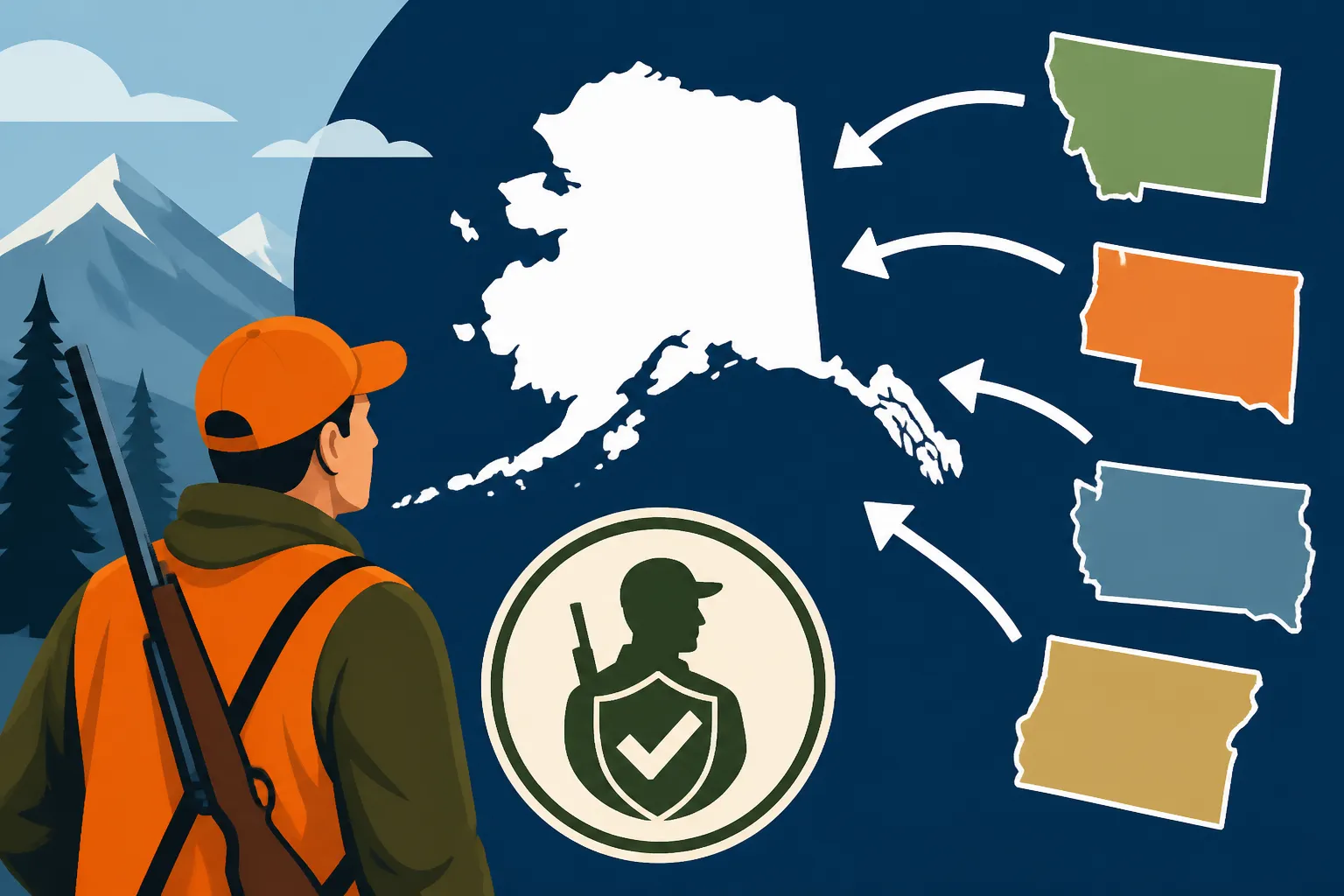
Alaska generally recognizes and accepts hunter education certifications issued by other states, provinces, or even countries, provided that the course was approved by the International Hunter Education Association (IHEA). This is fantastic news because most state-approved hunter education courses in the United States and Canada meet IHEA standards. So, if you earned your certificate in, say, Montana, Pennsylvania, or British Columbia, it's highly probable that Alaska will honor it.
What this means for you is that you won't need to take an Alaska-specific course before you can apply for a license or head into the field. This saves significant time, effort, and often, expense, allowing you to focus more on planning the actual logistics of your Alaskan adventure. However, the key word here is "generally." It's always best to have your original certificate or a clear copy readily available. Game wardens in Alaska, like anywhere else, have the authority to ask for proof of your hunter education, and being able to produce it without a fuss will make everyone's day easier. When planning your trip, online resources like GoHunt can be invaluable for cross-referencing specific state regulations and ensuring your certificate meets current standards. They often compile state-by-state information, making it easier to confirm your eligibility.
Documentation You'll Need
While Alaska generally accepts out-of-state certifications, you absolutely must be able to prove you've completed a course. The burden of proof falls on you, the hunter. Here’s what you should plan to carry:
- Your Official Hunter Education Card: This is the most straightforward and universally accepted proof. Whether it's a plastic card, a laminated paper certificate, or a digital version accessible on your phone, make sure it’s official and clearly states your name and completion of a recognized hunter education course.
- A Photo ID: Always carry a government-issued photo ID (like a driver's license or passport) to confirm your identity matches the name on your hunter education card.
- Printed Copies: Even if you have a digital version, carrying a few printed copies of your certificate in different places (e.g., in your wallet, in your hunting pack, with your hunting license) is a smart backup plan. Technology fails, batteries die, and paper rarely does.
Imagine being in a remote area, having just completed a challenging hunt, and a game warden approaches. You're tired, maybe a little cold, and fumbling for proof of education. Having everything organized and easily accessible will prevent any unnecessary delays or potential citations. Don't let a simple oversight about documentation add stress to your hunt. For a deeper dive into all the paperwork you might need, check out Alaska Hunter Education and Orientation Requirements.
State-Specific Nuances and Exceptions
While general hunter education has broad reciprocity, Alaska has specific additional requirements that often trip up out-of-state hunters, particularly when it comes to specialized hunting methods.
The most prominent example of this is for bowhunting. If you plan to bowhunt for big game in an archery-only hunting area in Alaska, you must possess a valid Alaska Bowhunter Education Card. This is in addition to your general hunter education certificate. There is no reciprocity for bowhunter education from other states. Even if you've completed multiple bowhunter education courses in the Lower 48, you'll still need to take and pass the Alaska Bowhunter Education Course to hunt with a bow in designated archery-only areas. This requirement reflects Alaska's unique challenges and ethical considerations surrounding bowhunting large, dangerous game, and it’s a critical rule to be aware of. You can find more specific details by looking into Alaska Bowhunter Education Requirement.
For muzzleloader hunting, while there isn't a separate education course required like bowhunting, you must still adhere to Alaska's specific definitions of what constitutes a legal muzzleloader for hunting. These rules dictate everything from bore diameter to ignition types, and what might be legal in your home state could be non-compliant in Alaska. It's essential to research these regulations thoroughly. GoHunt, a valuable resource for hunting regulations, often provides detailed breakdowns of specific gear requirements by state, which can be incredibly helpful for confirming your equipment meets Alaska’s standards for What Counts as a Legal Muzzleloader in Alaska.
Special Considerations for Non-Residents
Planning an Alaska hunt as a non-resident is a significant undertaking, often involving substantial financial investment and logistical planning. Ensuring all your ducks are in a row regarding licenses and education is paramount.
Planning Your Hunt with Reciprocity in Mind
For non-resident hunters, the reciprocity for general hunter education is a huge advantage. It means one less course to worry about, allowing you to focus on the myriad other details of an Alaskan adventure. However, "planning" is the operative word. Don't wait until the last minute to verify your hunter education status.
First, locate your original hunter education card. If it's lost, contact the agency in your home state or province that issued it and request a duplicate well in advance of your trip. Waiting until you're about to fly out of Anchorage is not the time to realize you can't find your card. Online portals for most state fish and wildlife agencies make it relatively easy to look up your certification and print a replacement, but always allow ample time for processing.
Consider the cost implications of your hunt as well. Beyond tags, licenses, and travel, forgetting a crucial piece of documentation could lead to fines or, worse, the inability to hunt, wasting a significant investment. Understanding Nonresident Hunting License Costs in Alaska can help you budget accurately, and part of that budget should always include verification of all necessary permits and certifications. When you plan a trip of a lifetime, every detail matters, and confirming your hunter education status is a small but critical one.
Bowhunting and Muzzleloader Requirements
This bears repeating because it's such a common area of confusion: Alaska’s specific requirements for bowhunting and muzzleloading are not reciprocal for non-residents.
If your Alaskan dream hunt involves taking a Dall sheep or a moose with a bow in an archery-only area, you absolutely must complete the Alaska Bowhunter Education Course. There are no exceptions for out-of-state certifications. This course covers specific ethical and practical considerations for bowhunting in Alaska's unique environment, including proper broadhead rules and minimum draw weights. These are rules that are in place to ensure humane harvest and hunter safety. For example, specific Alaska Archery Draw Weight Minimums for Big Game are in place, which you'll learn about in the bowhunter education course.
Similarly, while there isn't a separate muzzleloader education course, non-residents must be intimately familiar with Alaska's legal definition of a muzzleloader. This often includes restrictions on modern inline muzzleloaders or those that use 209 primers, depending on the specific hunting area or season. Always consult the most current Alaska Hunting Regulations Booklet for these details. Being prepared for these specifics means diligently reviewing regulations and possibly contacting ADF&G directly if you have any doubts. Online platforms like GoHunt can be extremely useful for quick reference and for finding links to the official regulatory documents, helping you confirm these additional requirements well before you pack your gear.
What to Do If You Don't Have a Hunter Education Card
Life happens, and sometimes, despite the best intentions, you might find yourself needing a hunter education card or a replacement just before an Alaska hunt. Don't despair; Alaska offers pathways to get certified.
Taking an Alaska-Approved Course
If you somehow fall outside the reciprocity umbrella, or simply never completed a hunter education course, you have options. The Alaska Department of Fish and Game offers both in-person and online courses to meet the requirement.
- Online Courses: These are often the most convenient option, allowing you to complete the classroom portion from anywhere with an internet connection. Websites like Hunter-ed.com or IHEA-USA's portal typically offer Alaska-specific online courses. After completing the online portion, you might be required to attend a field day to demonstrate practical skills, including live-fire exercises, depending on the specific course structure. Always check the requirements for the particular online course you choose.
- In-Person Courses: These are traditional classroom settings, often coupled with field days, taught by certified instructors. They offer the benefit of direct interaction with experienced hunters and hands-on learning. While less flexible than online options, they provide an immersive experience. These are often scheduled in communities across Alaska and are an excellent way to connect with local hunting culture.
Whether you choose an online or in-person route, ensure the course is officially recognized by ADF&G. Give yourself plenty of time to complete the course, especially if a field day is required, as these can be seasonal or have limited availability.
Mentored Hunter Programs
While Alaska does not operate a "mentored hunter" or "apprentice license" program in the same way some Lower 48 states do, which explicitly exempts adult new hunters from education requirements under supervision, it does have provisions for youth. As mentioned earlier, hunters 10 years of age or older may hunt under the direct supervision of a licensed hunter aged 16 or older who has completed a hunter education course. This is not a broad program for adult new hunters to bypass hunter education, but rather a supervised pathway for youth.
It’s crucial to understand these distinctions. If you’re an adult non-resident who needs hunter education, you’ll need to complete a full course. For youth hunters, however, this supervisory provision is an excellent way to introduce them to hunting responsibly. Parents or guardians should still review the Alaska Youth Hunting License Rules to ensure full compliance with all regulations specific to younger hunters. Always remember, the goal is safety and ethical conduct in the field, which starts with proper education and understanding of the rules.
| Requirement Category | General Hunter Education | Alaska Bowhunter Education | Muzzleloader Knowledge |
|---|---|---|---|
| Who Needs It | Born after Jan 1, 1986 | All hunters in Archery-Only areas | All muzzleloader hunters |
| Reciprocity | Yes (IHEA-approved) | No (Alaska-specific course required) | No specific course, but strict gear rules apply |
| Documentation | Official card/certificate + Photo ID | Alaska Bowhunter Card + Photo ID | Knowledge of current ADF&G regulations + Photo ID |
| Where to Obtain | Home state/province or AK-approved course | Alaska-specific course (online/in-person) | Alaska Hunting Regulations Booklet, ADF&G website |
| Key Point | Confirms basic firearm safety & ethics | Essential for all archery-only hunts | Ensures legal and ethical equipment use |
Disclaimer
The information provided in this guide is for general informational purposes only and is not intended as legal advice. Hunting regulations in Alaska are subject to change, and it is the hunter's responsibility to review the most current regulations directly from the Alaska Department of Fish and Game (ADF&G) or other official sources before planning and embarking on any hunt.