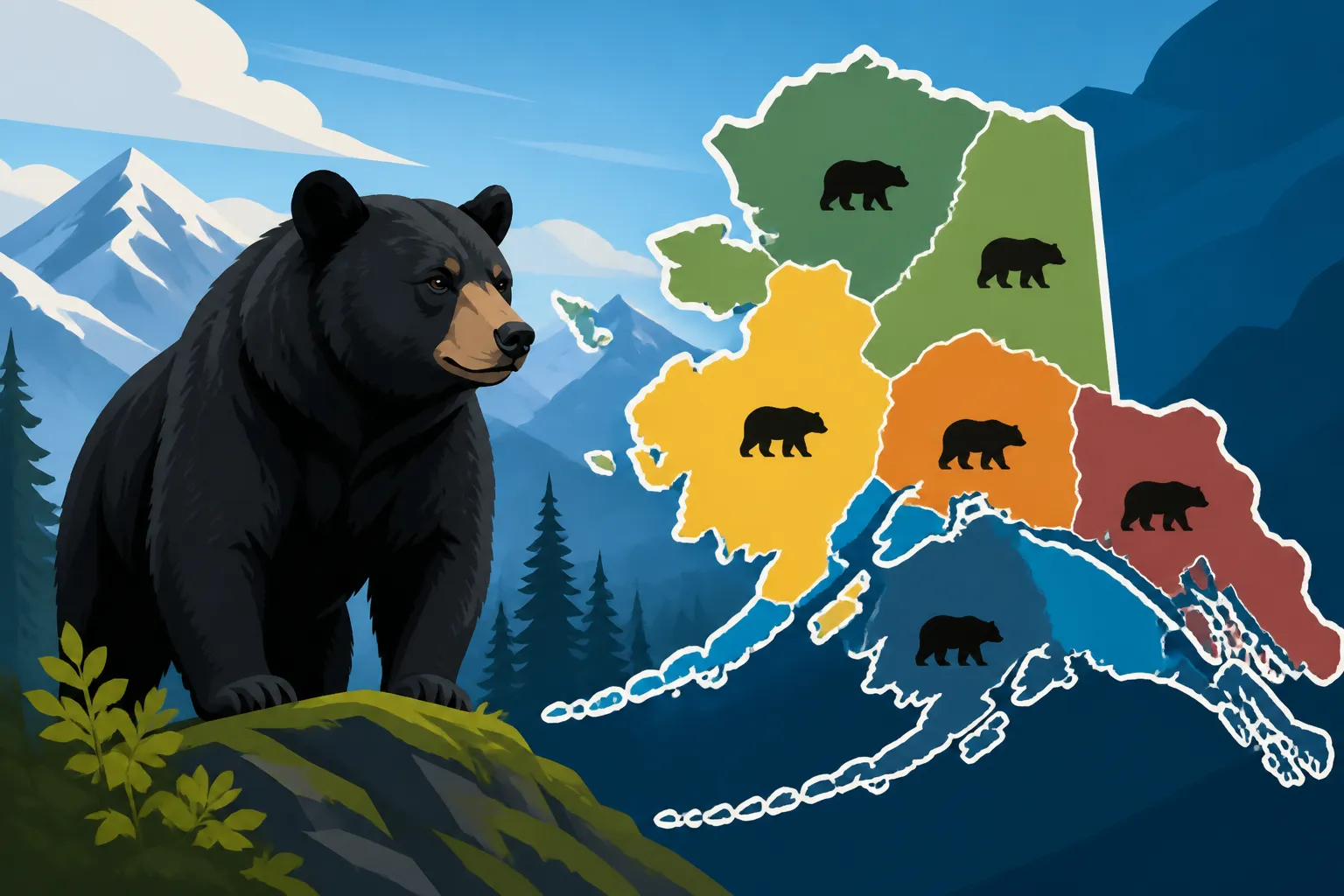
Alaska Black Bear Bag Limit by Unit
Navigating the maze of Alaska's hunting regulations can feel like trying to find a specific salmon in a river full of them, especially when it comes to species like black bear where rules aren't always uniform. Many hunters, both residents and non-residents, find themselves scratching their heads over what's legal in one area versus another. This guide aims to demystify the black bear bag limits across Alaska's diverse Game Management Units, helping you plan your hunt with confidence and stay compliant.
Unraveling Alaska's Black Bear Regulations: Statewide Basics and Unit-Specific Rules
Alaska is vast, and its wildlife management reflects that immense scale and diversity. You can't just assume that a regulation in one part of the state applies everywhere else, especially for a game animal as widespread as the black bear. The state is carved into numerous Game Management Units, often simply called GMUs, each with its own unique ecological characteristics, human population dynamics, and, consequently, its own set of hunting rules. Understanding these foundational elements is the first step toward a successful and legal black bear hunt.
The Alaska Department of Fish and Game (ADF&G) is the authority behind these regulations, constantly monitoring bear populations, habitat health, and hunting pressure to set sustainable limits. Their goal is to ensure healthy bear populations for future generations while providing hunting opportunities today. This means that a robust population in Southeast Alaska, with its lush rainforests and abundant salmon, might support a more liberal bag limit than a less dense population in the interior, where food sources might be scarcer or recovery slower. It's a complex balancing act, and it’s why just a quick glance at a statewide map won't give you the full picture. You really need to dig into the specifics of the unit you plan to hunt. If you're new to how the state is organized for hunting, a good place to start is by understanding Alaska Game Management Units and How They Are Numbered. This will give you a fundamental understanding of the geographical divisions.
While there are some general statewide principles that apply to all hunting in Alaska, like not shooting a sow with cubs, the actual number of black bears you're allowed to harvest, known as the "bag limit," can vary significantly from one GMU to the next. Some units might allow you to take one black bear per regulatory year, while others might permit two or even more, sometimes with specific stipulations for spring versus fall seasons. These differences are not arbitrary; they are carefully considered management decisions based on local data. For instance, an area might have a high black bear density that regularly depredates moose calves or impacts local subsistence resources, leading to more generous bag limits to help manage the population. Conversely, an area recovering from a hard winter or experiencing increased hunting pressure might see more restrictive limits. Always remember that understanding Alaska Hunting Seasons and Tag Rules Explained is paramount before heading into the field.
Common Black Bear Bag Limits Across Alaska's Diverse Units
When you start diving into the specifics of Alaska's black bear regulations, you'll quickly realize that "one bear per hunter" isn't the only rule in town. While a single black bear is a common bag limit in many GMUs, especially those in the Interior or areas with lower population densities, other units, particularly those in coastal regions and Southeast Alaska, often feature more liberal limits, sometimes allowing two black bears per hunter per regulatory year. It’s not just about how many bears, but sometimes when and how.
For example, many of the rich, productive islands and mainland areas of Southeast Alaska, falling under Unit 1, frequently have a bag limit of two black bears. The abundant food sources—think berries, plants, and of course, salmon—support thriving populations, making these areas prime for hunters looking for a multi-bear opportunity. These liberal limits help manage populations and provide ample opportunity for both residents and non-residents. On the other hand, if you're planning a hunt in the vast expanses of the Interior, perhaps in units like 13 (the Nelchina Basin) or 20A (the Tanana Flats), you're much more likely to encounter a one-black-bear bag limit. These areas have different ecological dynamics, and management goals often focus on maintaining a stable population without excessive pressure. To truly get a handle on the official breakdowns, you'll want to review the current Alaska Black Bear Seasons and Bag Limits as published by ADF&G.
Sometimes, the regulations might specify how those bears can be taken. For instance, it's rare, but some units might have provisions for taking one bear by general hunting methods and another by baiting, though this specific distinction is less common for black bears and more often a nuance for brown bear management in certain areas. It's also worth noting that the "regulatory year" typically runs from July 1st to June 30th of the following year, meaning your harvest on a spring hunt in May counts towards the same regulatory year as a fall hunt in September. This is crucial for hunters who might pursue bears in both seasons. Being able to distinguish between different Black Bear Color Phases in Alaska can also be important in the field, as different colored bears are all the same species under the bag limit. Furthermore, understanding the factors that contribute to the impressive Black Bear Weight in Coastal Alaska can give you insights into why these populations are so robust and often allow for higher bag limits.
Here’s a general overview of how bag limits can vary across some common GMUs, but always consult the official, current Alaska Hunting Regulations for your specific unit and hunt year before heading afield:
| Game Management Unit (GMU) | Typical Bag Limit (per regulatory year) | Common Seasons | Special Notes |
|---|---|---|---|
| Unit 1 (Southeast Alaska) | 2 black bears | Spring & Fall | Often includes specific areas with island-based management. |
| Unit 3 (Petersburg/Wrangell) | 2 black bears | Spring & Fall | Similar to Unit 1, healthy populations. |
| Unit 5 (Yakutat Area) | 2 black bears | Spring & Fall | Coastal unit with abundant resources. |
| Unit 6 (Prince William Sound) | 1 black bear | Spring & Fall | More conservative due to varying factors. |
| Unit 7 (Kenai Peninsula) | 1 black bear | Spring & Fall | Specific subunits might have unique restrictions. |
| Unit 13 (Nelchina Basin) | 1 black bear | Spring & Fall | Classic Interior hunting, often with baiting opportunities. |
| Unit 20A (Tanana Flats) | 1 black bear | Spring & Fall | Focus on sustainable long-term yield. |
This table provides a snapshot of the typical patterns, but regulations are dynamic. Population fluctuations, changes in habitat, or even new scientific data can lead to adjustments, sometimes via emergency orders issued by ADF&G.
Nuances and Special Considerations for Black Bear Hunting
Beyond the simple number of bears you can harvest, there are several critical nuances and special considerations that every black bear hunter in Alaska needs to be aware of. Overlooking even one of these details could lead to a ruined hunt, a citation, or worse. Alaska's hunting regulations are designed to protect game populations and ensure ethical hunting practices, and black bears are no exception.
One of the most fundamental rules, and one that absolutely cannot be overlooked, is the prohibition against taking sows with cubs. It's illegal and unethical to harvest a sow accompanied by young cubs. This is a cornerstone of responsible bear management, as protecting breeding females and their offspring is vital for population stability. In the field, especially during spring hunts when bears are just emerging, identifying whether a bear is a lone animal or a sow with cubs requires patience and careful observation. Sometimes cubs can be small or hidden by vegetation, making positive identification challenging but absolutely necessary. You must be 100% certain of what you're shooting.
Another significant consideration for black bear hunters in many units is the use of bait. Black bear baiting is a popular and effective method in many parts of Alaska, particularly in the Interior where dense vegetation can make spot-and-stalk hunting challenging. However, baiting comes with its own specific set of regulations, from registering your bait site to legal bait materials and proximity to roads or trails. The timing of your hunt might also be influenced, as Alaska Baiting Season Versus the General Season can have specific opening and closing dates that differ from other hunting methods. It’s not a free-for-all; you must be meticulous in adhering to these rules. To dive deeper into the logistical side of setting up a legal bait site, checking out Bear Baiting in Alaska: How the Registered Site System Works is highly recommended. Understanding When Black Bears Emerge in Spring can also inform your baiting strategy, as you'll want your site active when bears are most active.
Furthermore, once you've successfully harvested a black bear, your responsibilities don't end there. Alaska has strict sealing requirements for all bears. This means you must present the hide and skull to an ADF&G representative, or authorized sealer, within a specified timeframe. This process allows wildlife managers to collect biological data, like sex and age, which is crucial for monitoring populations and setting future bag limits. Missing this step or failing to do it within the required window can result in penalties. Similarly, you are responsible for reporting your harvest. Most harvest tickets for black bears require you to return a portion of the permit or report online by a specific date, even if you were unsuccessful. Don't forget to mark your calendar for the Alaska Harvest Report Deadline After the Hunt.
Finally, for hunters generally, but especially for those venturing into Alaska's wilderness, safety and preparedness are paramount. This includes completing hunter education. If you're wondering about the specific requirements, reviewing Alaska Hunter Education and Orientation Requirements can clarify who needs it and how to fulfill the mandate. These seemingly small details contribute to the larger picture of ethical and legal hunting in Alaska. Keep in mind that a black bear's diet, for instance, which is explored in Black Bear Diet Before Salmon Arrive, directly influences their distribution and overall health, factors that wildlife managers consider when setting these complex regulations.
Planning Your Hunt: Essential Resources and Staying Informed
Successfully navigating Alaska's black bear bag limits and other regulations isn't just about reading a single page; it's about developing a proactive approach to research and staying informed. The state's hunting rules are dynamic, influenced by biological data, environmental changes, and even public input, meaning what was true last year might have changed this year. Your ability to access and interpret the most current information is perhaps your most important hunting tool.
The absolute authoritative source for all Alaska hunting regulations is the official Alaska Hunting Regulations booklet, published annually by the ADF&G. This comprehensive guide covers everything from season dates and bag limits by GMU to legal hunting methods, sealing requirements, and definitions. It's your bible for any Alaska hunt. You can usually pick up a physical copy at ADF&G offices, sporting goods stores, or download the full PDF version online. If you're unsure where to grab your copy, you can find guidance on Where to Get the Alaska Hunting Regulations Booklet. Don't just skim it; read the sections relevant to your chosen GMU and species thoroughly, multiple times even, to ensure you don't miss any critical details.
Beyond the annual regulations booklet, hunters must be vigilant about "Emergency Orders." These are official notices issued by ADF&G that can change season dates, bag limits, or other regulations mid-season. They are often enacted to address unforeseen circumstances, such as a sudden decline in a game population, extreme weather events impacting animals, or an unanticipated early harvest quota being met. Emergency Orders are typically posted on the ADF&G website, announced via local media, and sometimes distributed through email lists. Many experienced Alaska hunters subscribe to these notifications to ensure they're always up-to-date.
In today's digital age, a wealth of online tools can also assist in your planning. Websites and apps like GoHunt offer incredible resources for researching specific hunting units, visualizing boundaries, and even tracking regulation changes. While platforms like GoHunt compile a lot of useful information, it's always best practice to cross-reference with the official ADF&G regulations to ensure accuracy, especially when it comes to bag limits and specific legalities. Think of these tools as excellent aids for preliminary research, helping you narrow down your options and understand the bigger picture before you dive into the nitty-gritty of the official state documents. Utilizing such platforms can save you hours of digging and help you visualize potential hunting areas and their associated rules more clearly.
Finally, don't underestimate the value of direct communication. If you have any doubts or questions about a specific regulation, the best course of action is always to contact the local ADF&G office for the unit you plan to hunt. Wildlife biologists and enforcement officers are there to help clarify rules and ensure compliance. They often have the most up-to-date information and can provide context that might not be obvious in the written regulations. Being a responsible hunter in Alaska means taking ownership of understanding the rules, not just for your own success, but for the health of Alaska's incredible wildlife resources.
Disclaimer
The information provided in this guide is for general informational purposes only and is not intended as legal advice. Hunting regulations in Alaska are complex and subject to change. Always consult the most current official Alaska Department of Fish and Game (ADF&G) hunting regulations booklet and any relevant emergency orders for the specific Game Management Unit (GMU) and regulatory year you plan to hunt. Failure to comply with all regulations can result in severe penalties.