Do Alaska Residents Need Locking Tags?
It’s a common frustration for many Alaska residents: sifting through hunting regulations only to feel like much of the information about “tags” is aimed squarely at non-residents. The distinctions can be murky, leaving you wondering if you truly need to buy a costly locking tag for your annual moose hunt or if that free harvest ticket is all you’re good to go with. This guide will cut through the confusion, clearly outlining when an Alaska resident needs a locking tag and when they don’t, so you can hunt confidently and legally in the Last Frontier.
Understanding Alaska's Tag System: Locking Tags Versus Harvest Tickets
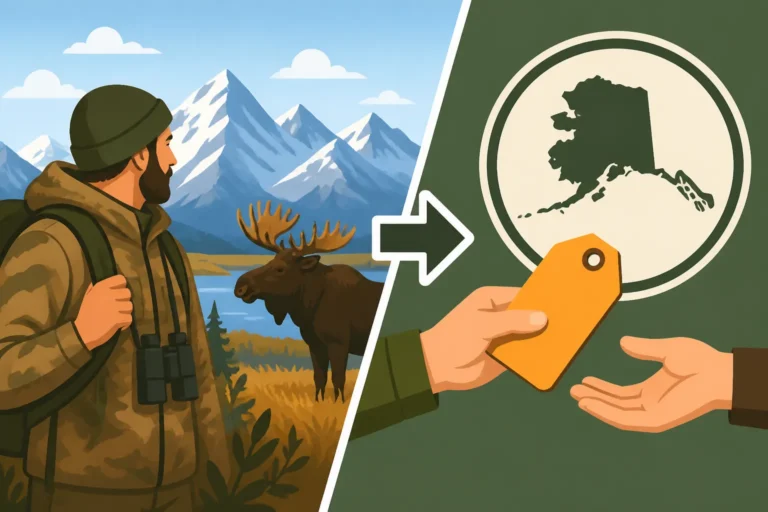
The heart of the confusion often lies in the interchangeable way people use the word "tag." When you hear it, you might automatically envision a physical, often brightly colored, piece of plastic or paper that you secure to your harvested animal. For some species and, critically, for most non-resident hunters, this mental image accurately describes a locking tag. These are purchased, often at a significant cost, and are physically attached to a specific part of the animal immediately after the kill, effectively "locking" the tag to the trophy. They represent a bought privilege to harvest a particular animal.
However, for the majority of hunting opportunities pursued by Alaska residents, especially for widely available game like moose, caribou, or black bear during general seasons, the document you need isn't a locking tag at all. Instead, it’s a harvest ticket or a registration permit. These are distinct documents you obtain from the Alaska Department of Fish and Game (ADF&G), usually for free, or with a nominal application fee for some registration hunts. Their primary function isn't to be physically affixed to the animal, but rather to serve as your permission to hunt and, crucially, to facilitate data collection for wildlife management. When successful, you simply fill out the required information on the ticket or permit and then report your harvest to ADF&G online or at a local office. There's no physical tag to "lock" onto the animal itself.
The underlying difference truly boils down to how the state manages wildlife populations, hunting pressure, and, yes, revenue. Locking tags, with their associated high fees, are a significant source of income, primarily from non-resident hunters, and are tied to species or hunt types requiring stricter management. Harvest tickets and registration permits, conversely, are primarily tools for monitoring harvest numbers and managing quotas for hunts where residents typically receive priority. It's easy to lump them all under the generic umbrella of "tag," but recognizing the specific function of each ensures you're compliant with regulations. Think of a harvest ticket as a free, data-driven access pass, and a locking tag as a more exclusive, paid permit that literally marks your animal as legally taken.
Why Locking Tags Exist: Resident vs. Non-Resident Priorities
The system of locking tags, particularly the substantial cost disparity and specific requirements for certain species, is deeply embedded in Alaska's wildlife management philosophy. It reflects the state's legal and practical approach to prioritizing hunting opportunities for its residents. It's not just about generating revenue, though that's certainly a component; it's fundamentally about ensuring that Alaskans, who live here year-round and contribute to the state's economy and conservation efforts, have primary access to its abundant wildlife resources.
Like many states, Alaska operates under the "public trust doctrine," asserting that wildlife belongs to all citizens. However, when it comes to allocating hunting opportunities, residents often receive preferential treatment. This stems from the understanding that residents often have a more direct and long-standing connection to local game populations, whether for subsistence, recreation, or cultural reasons. This preferential treatment is starkly evident when comparing the requirements for species such as Dall sheep, brown bear, or muskox. Non-residents face significantly higher fees for locking tags and, in many cases, are legally required to employ an Alaska Registered Guide-Outfitter or be accompanied by a close relative. These stringent rules help manage demand for trophy species and ensure that the opportunity for a non-resident hunt involves a substantial financial contribution to the state.
Consider a non-resident who wishes to hunt a brown bear in Alaska. They must secure an expensive locking tag and adhere to guide requirements. This tight regulation controls pressure on a iconic species and ensures a financial investment is made for the privilege. For an Alaska resident, the path is generally much different. A resident might apply for a specific draw permit for a brown bear or participate in a registration hunt. If successful, they would typically receive a free or low-cost registration permit, not a high-priced locking tag. The core principle behind this tiered system is to balance accessibility for all with a clear priority for Alaska residents, reflecting their continuous investment in the state and its wildlife. This approach aims to maintain healthy, robust game populations while fairly distributing hunting opportunities among diverse user groups.
When an Alaska Resident Does Use a Locking Tag and When They Don't
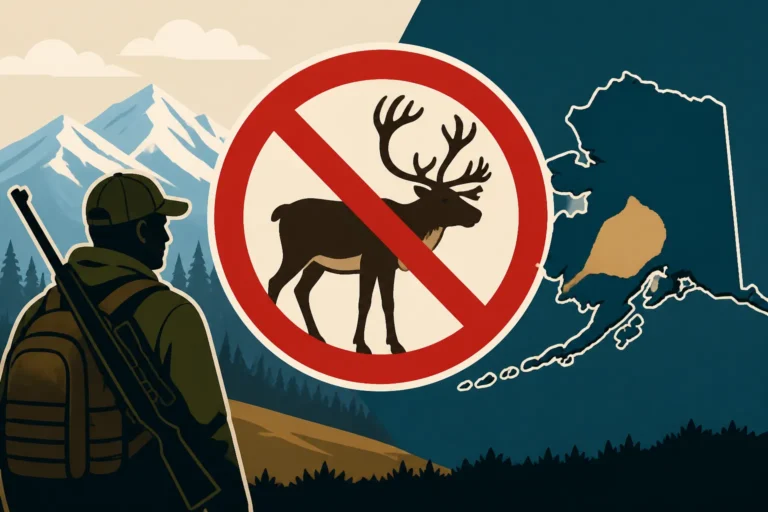
This is the question that most Alaska residents are keen to have answered clearly: do I, as an Alaskan, need a locking tag? The straightforward answer is: in most scenarios, no, but for certain specific hunts, yes.
For the vast majority of resident hunts in Alaska—think general season hunts for popular species like moose, caribou, black bear, or Sitka blacktail deer—you will not need to purchase a physical locking tag. Instead, your permit to hunt comes in the form of a free harvest ticket or a registration permit. For example, if you're planning a general season moose hunt in a unit like 13A, you’ll simply carry your harvest ticket, ensure you comply with specific regulations such as Alaska Moose Antler Restriction Areas, and report your successful harvest after the fact. There’s no separate fee for a locking tag. The same applies to many caribou hunts where you pick up a free harvest ticket, hunt within the designated season and bag limits, and then accurately report your take. This system for residents is designed to be efficient for both hunters and wildlife management, prioritizing access while gathering crucial data. It's vital to remember that timely reporting is part of the deal; missing those Alaska Harvest Report Deadline After the Hunt can lead to penalties.
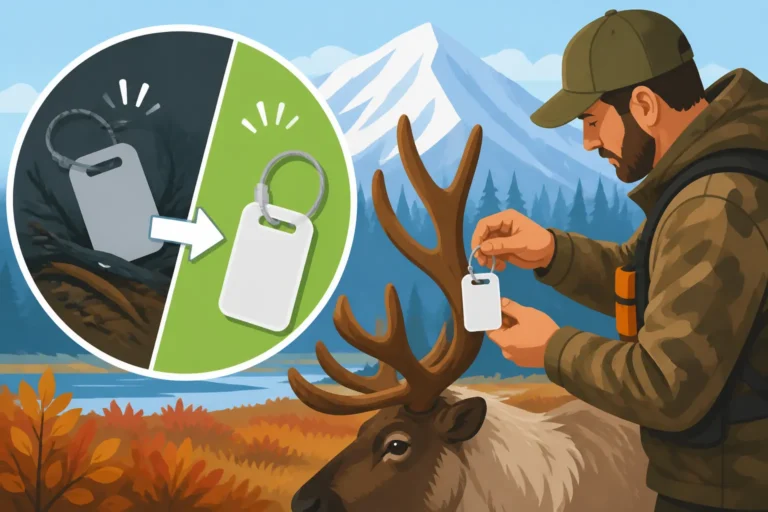
However, there are specific, highly managed, and often high-value species where even an Alaska resident will be required to obtain a locking tag. These instances are almost exclusively tied to draw permit hunts for animals like Dall sheep, mountain goat, muskox, and bison, and occasionally for very specific brown bear hunts depending on the game management unit. For these species, the state issues a strictly limited number of permits through a competitive drawing system. If you are fortunate enough to draw one of these highly sought-after permits, then, and only then, will you be required to purchase the corresponding resident locking tag. These tags, while considerably less expensive for residents than for non-residents, represent a tangible cost and are a physical tag that absolutely must be affixed to the animal. For example, if you successfully draw a permit for a Dall sheep, you will then need to purchase your resident Dall sheep locking tag from ADF&G before you even pack your backpack for the hunt. This stringent control ensures that every animal harvested from these sensitive populations is accounted for, allowing for precise management of these unique resources. Understanding How Many Alaska Locking Tags One Hunter Can Buy might also be relevant if you're ambitious enough to plan multiple such hunts.
To clarify for Alaska residents:
- No Locking Tag Needed (Most Common): For general season and most registration hunts targeting common species (e.g., moose, most caribou, black bear, Sitka blacktail deer). You will utilize a free harvest ticket or a registration permit, focusing on accurate reporting.
- Locking Tag REQUIRED (Less Common): For special draw permit hunts for tightly controlled, high-value species (e.g., Dall sheep, mountain goat, muskox, bison, and some brown bear hunts). If you draw one of these permits, you must purchase the specific resident locking tag for that animal.
This two-tiered system effectively demonstrates ADF&G's adaptable management strategies. The free harvest ticket system provides broad access for residents to more abundant game, while the locking tag system, even for residents, signifies a much more intensive, quota-driven approach for species that require precise control due to population sensitivity, limited availability, or inherent trophy value. Knowing When to Attach an Alaska Locking Tag After the Kill is a critical procedural detail once you've successfully hunted.
| Tag Type | Resident Requirement | Non-Resident Requirement | Typical Cost (Resident 2024 Approx.) | Primary Purpose | Common Species Example (Resident) |
|---|---|---|---|---|---|
| Harvest Ticket | Required (Free), filled out & reported after kill | Not applicable | Free | General season access, harvest data collection | Moose, Caribou, Black Bear, Sitka Blacktail Deer |
| Registration Permit | Required (Free/Nominal App Fee), filled out & reported | Not applicable | Free – $10 (application fee) | Quota-based management for specific areas/seasons | Moose (some units), Caribou (some units) |
| Locking Tag (Draw Permit) | Required if Drawn (Purchased from ADF&G) | Required if Drawn (Purchased from ADF&G) | $30 – $150 (depending on species) | Limited entry for high-value/sensitive species | Dall Sheep, Mountain Goat, Muskox, Bison, specific Brown Bear |
| Locking Tag (General Season) | Not applicable | Required (Purchased from ADF&G before hunting) | $450 – $1,000+ | Broad non-resident access, revenue generation | Brown Bear, Black Bear (some units) |
Note: The costs are approximate and can change. Always consult the most current Alaska Department of Fish and Game (ADF&G) regulations for precise fees and requirements.
Navigating the Regulations: Resources for Alaska Residents
Understanding the distinction between locking tags and harvest tickets is a solid first step, but staying current with Alaska's complex hunting regulations is an ongoing effort. The rules are dynamic, with specific provisions for residents versus non-residents, state versus federal lands, and an intricate web of unit-by-unit and species-specific mandates. It can often feel like you need to be a full-time legal scholar just to ensure your hunt is fully compliant, and no one wants to discover a regulatory oversight after a successful harvest.
Your absolute, indispensable resource for all things regulatory is the Alaska Department of Fish and Game (ADF&G) website. This is the official, authoritative source for all hunting regulations, season dates, bag limits, and permit information. ADF&G publishes comprehensive annual hunting regulation booklets, which are freely available online and in print at most sporting goods stores and ADF&G offices. Make it an absolute priority to download and thoroughly review the current year's regulations before you even begin planning your hunt, let alone step into the field. Regulations are subject to change, emergency orders are issued, and what was permissible last year might not be this year. Keeping abreast of when the Alaska's Hunting Regulatory Year Begins and actively checking for updates is paramount to avoiding unwelcome surprises.
Beyond the official state publications, modern hunting research platforms can be incredibly valuable, even for long-time residents. For example, a resource like GoHunt offers powerful tools for analyzing draw odds, breaking down complex unit-specific regulations, and providing insights into harvest success rates. While many assume these services are solely for non-residents planning expensive guided trips, GoHunt's comprehensive database and filtering options can significantly streamline a resident's research, helping you quickly identify which specific hunts require a locking tag, what the resident costs are, and what the application process entails. Utilizing a platform like GoHunt can save you hours of digging through dense PDF documents, allowing you to focus more on the actual hunt preparation rather than just regulatory deciphering.
Don't overlook the immense value of local knowledge either. Engaging with other experienced hunters at your local gear shop, participating in online forums dedicated to Alaska hunting, or even attending local ADF&G public meetings can provide nuanced context and practical advice that might not be explicitly detailed in regulation books. Just always remember to cross-reference any informal advice with the official ADF&G regulations to ensure accuracy.
Finally, always confirm your basic hunting credentials are in order. You'll need a valid Alaska Hunting License Validity Period and, if required for your specific hunt or age group, proof of completing Alaska Hunter Education and Orientation Requirements. While these are separate from locking tags, they are fundamental prerequisites for any legal hunting activity. Should you lose a physical locking tag for a drawn hunt, it's a major headache. Knowing how to request a Replacing a Lost Alaska Locking Tag is good information to have, but careful handling is always the best policy.
By consistently leveraging these resources, especially the official ADF&G channels and supplementary tools like GoHunt, Alaska residents can navigate the state's diverse hunting opportunities with confidence, ensuring they possess the correct "tag" for every animal and avoid any regulatory pitfalls.
Disclaimer
Please remember that hunting regulations in Alaska are subject to change. Always consult the most current Alaska Department of Fish and Game (ADF&G) regulations and emergency orders before planning or embarking on any hunt. This guide is intended for informational purposes only and does not supersede official state regulations.