Alaska Bison Permit Seasons at Delta Junction
Many hunters dream of drawing an Alaska big game tag, but few realize the incredible challenge and immense reward that comes with pursuing bison, especially in the Delta Junction area. The quest for a Delta Junction bison permit isn't just about bagging an animal; it's about navigating one of the most competitive draws in the state, understanding complex season structures, and preparing for a hunt that demands serious physical and logistical readiness. This guide will walk you through everything you need to know about the Alaska bison permit seasons at Delta Junction, from the application process to what to expect when you finally get that coveted tag.
The Allure of Alaska Bison Hunting
For many, bison conjure images of the American West, but Alaska offers a unique and truly wild bison hunting experience. These powerful animals, with their massive shoulders and thick hides, present a formidable challenge and an incredible opportunity for a truly special hunt. It’s not just the size of the animal, but the rarity of the tag and the history embedded in their presence that draws hunters north.
Why Delta Junction is the Prime Destination
When we talk about bison hunting in Alaska, our minds immediately turn to Delta Junction. This isn't just some arbitrary spot on the map; it's the heart of Alaska's most robust and huntable bison population, the Delta Bison Herd. The flat, open expanses, interspersed with timber and brush, provide ideal habitat for these animals, allowing the herd to thrive under careful management. The accessibility, compared to other remote Alaskan hunts, also makes it a prime target for those hoping to draw a coveted permit. However, don't mistake accessibility for ease; these animals are wild, cunning, and perfectly adapted to their environment, making for an incredibly challenging and rewarding pursuit. The sheer number of applicants each year speaks to the incredible draw of this particular hunt.
The Historical Significance of Alaska's Bison
It's fascinating to consider that bison aren't native to Alaska in the same way moose or caribou are; they were reintroduced. The Delta Bison Herd, specifically, originated from animals brought from the National Bison Range in Montana back in 1928. These original 23 animals were released near Big Delta, and from that small beginning, the population grew, spread, and eventually established itself as a cornerstone of Alaska's hunting opportunities. This reintroduction was a monumental conservation success, turning a dream into a thriving reality. Understanding this history adds another layer of appreciation to the hunt, knowing you're participating in a legacy of successful wildlife management. Other herds, like the Farewell Bison Herd, also exist, but the Delta herd remains the most sought-after due to its robust numbers and hunt structure.
Understanding the Delta Bison Permit Draw
Drawing a Delta Junction bison permit feels akin to winning the lottery, and for good reason. The demand far outstrips the supply, leading to some of the longest odds in Alaska's big game drawing system. It takes persistence, a bit of luck, and a clear understanding of how the system works.
The Unforgiving Odds and How to Approach Them
Let's be blunt: the odds of drawing a Delta bison permit are incredibly low. We're talking single-digit percentages, sometimes even less than 1% for nonresident hunters. This isn't a hunt you plan on drawing every year; it's often a multi-year, even multi-decade, commitment to applying. Many hunters use resources like GoHunt to track their odds, analyze past draw statistics, and inform their application strategy, often pooling their applications with family members to slightly increase their chances. The Alaska Department of Fish and Game (ADF&G) uses a pure lottery system, meaning there are no preference points to accumulate over time. Every applicant starts fresh each year, which makes the draw fair but also relentlessly difficult. The best approach is to apply consistently, diversify your applications if possible, and view any successful draw as a truly exceptional stroke of luck.
Key Dates for Application and Results
Mark your calendars! The application window for Alaska's big game drawing permits, including the Delta bison permits, typically opens on November 1st and closes on December 15th. This is a hard deadline, and missing it means waiting another year. You can apply online through the ADF&G website. Remember, this is the window to submit your application for the next hunting season, so you're planning well in advance. Then comes the agonizing wait. The draw results are usually released in February, often in the second or third week. When those results hit, there's a collective surge of excitement, disappointment, and frantic checking of email inboxes and the ADF&G website. Keep an eye on the official Alaska Draw Results Release in February page for the exact dates each year.
Permit Hunt Conditions and Bag Limits
Once you've drawn that golden ticket, it's crucial to understand the specific conditions of your permit. Delta Junction bison permits are typically for one bison, and often specify whether it's an "any bison" permit or limited to a specific sex, though most permits are for either sex. It's rare to see cow-only permits for Delta, as the focus is on managing the overall population and providing trophy opportunities. Additionally, the permit will designate a specific hunt area, usually corresponding to a Game Management Unit (GMU) subunit, like part of Unit 20A. Understanding these boundaries, often found on detailed maps, is paramount to staying legal. Always review your permit thoroughly, and double-check the current regulations booklet for any special provisions or emergency orders before you head into the field.
Delta Junction Bison Seasons Explained
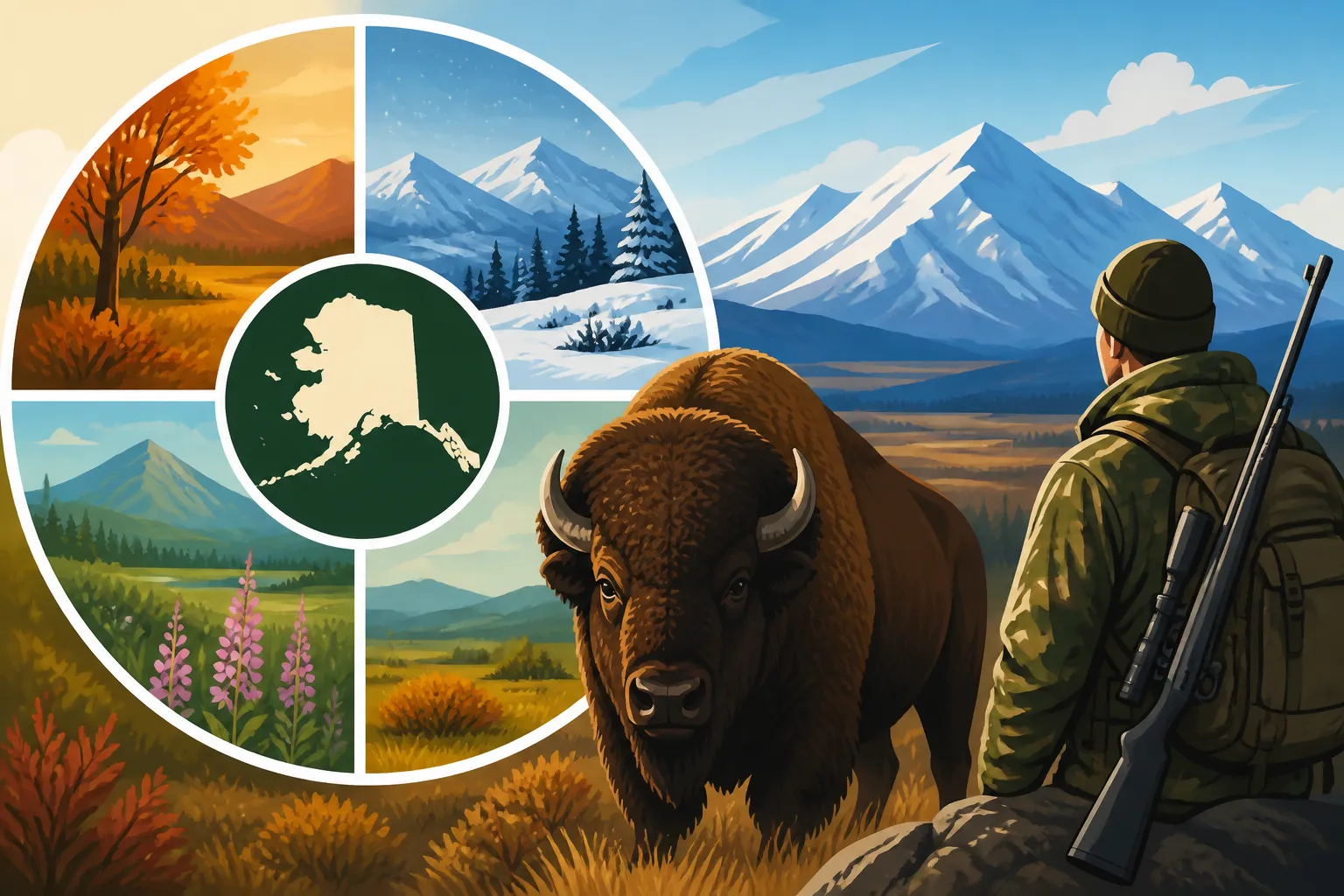
The Delta Junction bison hunt is unique in that it offers both a fall and a winter season, each presenting its own distinct challenges and rewards. Understanding these season dynamics is critical for any successful permit holder.
Fall Season Dynamics and Hunter Expectations
The fall season for Delta bison typically runs from mid-September through October. This period aligns with the animals being in prime condition, often carrying good fat reserves, and before the harshest winter weather fully sets in. Hunters in the fall can expect milder temperatures, though Alaska weather is always unpredictable, so be prepared for anything from warm, sunny days to early snowfalls. The terrain is often easier to navigate without deep snow, but bison can be scattered and harder to locate. They are typically feeding heavily, often in agricultural fields or open grasslands adjacent to cover, making scouting paramount. The biggest challenge in the fall can be meat care; while cooler than summer, September and October can still see temperatures high enough to require careful attention to cooling and Hanging Meat in Warm September Weather to prevent spoilage. Accessibility might be better, but the dense vegetation can make spotting and stalking more challenging.
Winter Season Opportunities and Challenges
The winter season, often extending from November into March, offers a completely different experience. Bison coats are at their thickest and most magnificent, making for a truly spectacular trophy. The landscape is transformed by snow, which can make tracking easier but travel much more difficult. Temperatures can plummet well below zero, posing significant risks of frostbite and hypothermia, but also offering excellent conditions for meat preservation. Snow machines (snowmobiles) are often the primary mode of transportation, opening up vast areas that are inaccessible in the fall. However, hunters must be intimately familiar with ATV Access Tactics on Alaska's Denali Highway and similar rules regarding motorized vehicle use on public lands, as restrictions often apply. Bison in winter tend to congregate more, seeking out areas with accessible forage, which can make them easier to locate once a herd is found. The physical demands of a winter hunt are extreme, requiring specialized gear, robust cold-weather clothing, and a high level of preparedness for self-sufficiency in harsh conditions.
Unit-Specific Rules and Boundary Clarifications
The Delta Bison Herd primarily inhabits Game Management Unit (GMU) 20A, but specific hunt permits will often define even smaller subunits or specific zones within 20A. These boundaries are not arbitrary; they are carefully drawn by ADF&G to manage hunting pressure and achieve specific population objectives. It is absolutely essential to know precisely where your permit is valid. GPS units loaded with current land ownership and GMU boundaries are non-negotiable. Using offline mapping applications on your phone or a dedicated GPS device is critical for staying within the legal hunting area. Familiarize yourself with the Alaska Game Management Units and How They Are Numbered and pay close attention to the specific unit boundaries for your permit. Ignorance of boundaries is not an excuse for a violation, and fines can be substantial. Checking with the local ADF&G office in Delta Junction for the latest maps and any local advisories before your hunt is always a wise move.
Essential Gear and Preparation for a Bison Hunt
A bison hunt in Alaska, whether in the crisp fall or the frigid winter, is a serious undertaking that demands meticulous preparation, the right gear, and a solid understanding of the logistics involved.
Rifle Selection for North American Bison
Bison are massive, thick-boned animals, and choosing the right rifle and caliber is not just about ethics; it's about efficiency and safety. You need a rifle that can deliver ample energy and penetration to ensure a clean, humane kill. While a .30-06 Springfield or .300 Winchester Magnum are often considered minimums for moose, for bison, many experienced hunters prefer something with more punch. Calibers like the .338 Winchester Magnum, .375 H&H Magnum, or even larger such as the .416 Rigby or .458 Winchester Magnum are excellent choices. The key is heavy, premium bullets designed for deep penetration, such as Barnes TSX, Nosler Partition, or Swift A-Frame. A solid, controlled-expansion bullet is far more important than velocity for these tough animals. Practice extensively with your chosen rifle and load to ensure you can place your shots accurately under pressure, as a bison's vitals are well-protected by dense muscle and bone.
Field Butchering and Meat Care Considerations
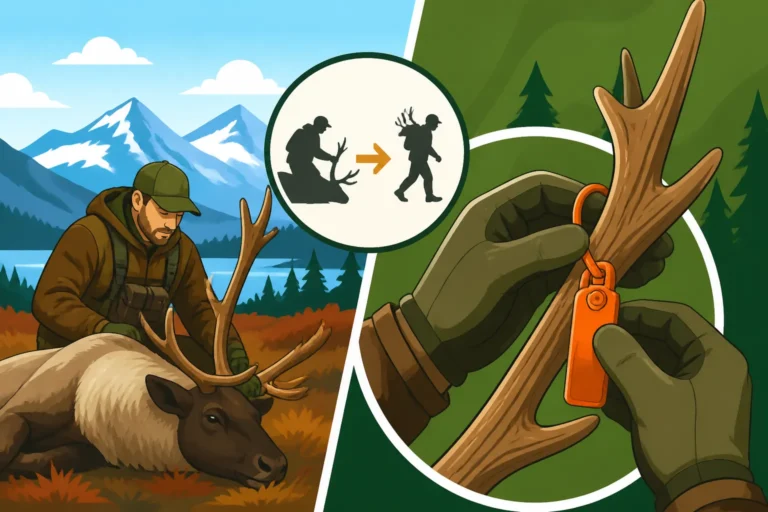
Bringing down a bison is just the beginning of the work. Field butchering a massive animal like a bison is an enormous task, far more challenging than a deer or even a large moose. A mature bull can weigh over 2,000 pounds, meaning hundreds of pounds of bone, hide, and muscle need to be processed. You'll need multiple sharp knives, a game saw, a good sharpening system, and plenty of large, breathable game bags like those from Alaska Game Bags or Kuiu. The sheer volume of meat means you need a plan for cooling it rapidly, especially if hunting in warmer fall conditions. Understanding Quartering a Bull Moose Alone in the Field techniques can provide a good foundation, but be prepared for a much larger scale. Have tarps or heavy plastic sheeting to keep meat clean off the ground. Always adhere to Alaska Moose Meat Salvage Requirements, which apply to bison and ensure all edible meat is salvaged. Neglecting proper meat care can lead to spoilage and potential citations for wanton waste.
| Aspect | Fall Season (Sept-Oct) | Winter Season (Nov-Mar) |
|---|---|---|
| Temperatures | Mild to cool (30-60°F), early snow possible | Extremely cold (often -20°F to 20°F), heavy snow |
| Vegetation | Dense, green to turning, can obscure animals | Dormant, sparse, snow cover can improve visibility |
| Travel | ATV, truck, foot; potentially muddy or uneven terrain | Snowmobile, ski, foot; deep snow can be challenging |
| Meat Care | Critical for rapid cooling, risk of spoilage if warm | Natural refrigeration, excellent preservation conditions |
| Bison Behavior | Scattered, feeding actively, harder to locate in cover | May congregate in accessible forage areas, easier to track |
| Gear Focus | Layered clothing, rain gear, bug spray, good hiking boots | Extreme cold weather gear, insulated boots, snow machine accessories |
| Challenges | Locating animals, packing out in softer ground, meat cooling | Extreme cold, heavy snow, mechanical issues with snowmobiles |
Logistics: From Access to Packing Out
Logistics are paramount for a Delta bison hunt. While Delta Junction itself is road-accessible, getting to the bison can still require significant effort. Depending on the time of year and specific permit area, you might use trucks, ATVs, snow machines, or even small aircraft. Always consider the potential for adverse weather conditions that can delay travel, whether flying in or out, or simply navigating deep snow. Building extra days into your schedule for weather delays is not a luxury; it's a necessity.
Packing out a bison is a Herculean effort. Even with a large crew, you're looking at multiple trips. Having a reliable means of transport, whether it's an ATV with a trailer, snow machines and sleds, or even horses, is essential. If you're fortunate enough to hunt close to a road or trail, consider how you'll get that meat from the kill site to your vehicle. Many hunters will debone the meat to reduce weight, making it easier to carry in game bags. The terrain around Delta can be surprisingly varied, with thick willows, frozen tussocks, and uneven ground, all of which add to the physical toll of packing. Don't underestimate the physical demands; this is not a hunt for the faint of heart or those unprepared for heavy labor. Consider practicing with a heavy pack before your hunt to build essential strength and endurance.
Post-Harvest Responsibilities and Reporting
Congratulations, you've successfully harvested a Delta Junction bison! But the work isn't over yet. Alaska has strict rules regarding the sealing of certain game animals and mandatory harvest reporting to ensure proper management and data collection.
Sealing Requirements and Salvage Laws
Unlike many big game species in Alaska, bison harvested in the Delta Management Area generally do not require sealing by an ADF&G representative. However, it is absolutely crucial to double-check the specific regulations booklet for the current year, as these rules can change. While sealing might not be required, adhering to Alaska's stringent salvage laws is non-negotiable. This means that all edible meat from your bison must be salvaged and transported from the field. This includes the head and hide for trophy purposes, if desired, but primarily refers to the meat. Packing Out Meat in Alaska: The Salvage Law Hunters Must Follow details these requirements. Wanton waste laws are strictly enforced in Alaska, and penalties for leaving edible meat in the field can be severe, including fines, loss of hunting privileges, and even confiscation of equipment. Make sure you understand exactly what constitutes "edible meat" as defined by ADF&G regulations.
Mandatory Harvest Reporting
Harvest reporting is a critical component of wildlife management in Alaska, allowing ADF&G biologists to gather essential data on harvest rates, population health, and permit success. For all drawing permits, including Delta bison, mandatory harvest reporting is required, typically within a short timeframe after your hunt concludes, regardless of whether you were successful or not. The specific deadline will be printed on your permit, but generally, it's within 15 days of the close of the season or 15 days after you kill an animal, whichever comes first. You can often submit your report online through the ADF&G website. Failing to report your harvest, even if unsuccessful, can result in future drawing applications being rejected or other penalties. Always prioritize this administrative step; it's as important as any other part of the hunt. You can find more details on the Alaska Harvest Report Deadline After the Hunt page.
Tips for Improving Your Delta Bison Hunt Odds and Experience
While the draw odds are tough, there are ways to maximize your chances and ensure you're fully prepared if you do draw. This isn't just about luck; it's about smart planning and persistent effort.
Researching Hunt Statistics and Application Strategies
Knowledge is power, especially when it comes to drawing a coveted permit. Spend time poring over past hunt statistics published by ADF&G. Look at the success rates, the number of applicants, and the harvest locations. This data can give you insights into which hunt numbers might be slightly less competitive, or which season (fall vs. winter) might offer better odds, even if only marginally. Websites like GoHunt specialize in compiling this data and providing analytical tools that can help you strategize your application. While there are no preference points, understanding historical trends can help you make an informed decision on your application choices. Some hunters choose to apply as a party, which means if one person draws, everyone in the party draws, but it also means if one person fails, everyone fails. Weigh the pros and cons of party applications carefully.
Scouting and Local Knowledge Acquisition
If you're lucky enough to draw a permit, the real work begins. Scouting, both in-person and remotely, is invaluable. Utilize satellite imagery (Google Earth, Gaia GPS, etc.) to identify potential feeding areas, travel corridors, water sources, and access routes. Pay attention to private land boundaries; much of the land around Delta Junction is private, including agricultural fields where bison often feed. Always respect private property and know the difference between state, federal, and private land. If possible, make a scouting trip to the area before your season. Talking to local hunters, residents, and ADF&G biologists can provide invaluable insights into current bison movements, preferred habitats, and even specific areas to avoid. Local knowledge about Bison Herd Size at Delta Junction and their typical movements can be a game-changer.
Physical Conditioning for the Demands of a Bison Hunt
A bison hunt is physically demanding, regardless of the season. In the fall, you might be covering many miles on foot through thick brush and over uneven terrain. In winter, you'll be dealing with extreme cold, deep snow, and the heavy physical exertion of managing snow machines and packing meat. Start training well in advance of your hunt. Focus on cardiovascular endurance, strength training (especially for your back and legs for packing heavy loads), and mental toughness. Carrying a heavy pack, even just a few miles, can be exhausting in normal conditions, let alone in the Alaskan wilderness. Be honest with yourself about your physical capabilities and prepare accordingly. This isn't just about success; it's about safety.
Conclusion
Drawing a Delta Junction bison permit is a dream for many, and for good reason. It represents a truly Alaskan adventure, pitting a hunter against one of North America's most impressive animals in a rugged, beautiful landscape. While the odds are long, the reward of a successful hunt, and the challenge of preparing for it, are immeasurable. From understanding the nuances of the draw, to meticulous gear preparation, to the sheer physical effort of the hunt and meat care, every step of the Delta bison experience is a journey in itself. Embrace the challenge, respect the animal, and savor every moment of this remarkable Alaskan hunting opportunity.
Disclaimer
The information provided in this guide is for general informational purposes only and is subject to change. Hunting regulations, season dates, and permit requirements are established by the Alaska Department of Fish and Game and can be modified at any time. It is the hunter's sole responsibility to consult the official ADF&G hunting regulations for the current year and specific Game Management Units before planning or undertaking any hunt. Failure to comply with all applicable laws and regulations can result in severe penalties.