Broadhead Rules for Alaska Big Game
Venturing into Alaska's vast wilderness with a bow and arrow for big game is an incredible challenge and a truly rewarding experience, but the myriad of regulations can feel like navigating a dense thicket without a compass. One of the most critical aspects to master before you even step foot into the field is understanding the specific broadhead rules for Alaska big game. Getting this wrong doesn't just mean a missed shot; it can lead to fines, citations, and the loss of your hard-earned trophy. This guide will meticulously break down exactly what types of broadheads are legal, what to look for, and how to ensure your setup complies with the Alaska Department of Fish and Game (ADF&G) regulations.
The Foundation: General Broadhead Requirements in Alaska
Alaska takes its hunting regulations seriously, and archery equipment is no exception. The rules surrounding broadheads are designed to ensure ethical hunting practices and maximize the chance of a clean, humane kill on Alaska's tough big game animals. It's not just about what looks cool or what's trendy; it's about what performs reliably when it matters most.
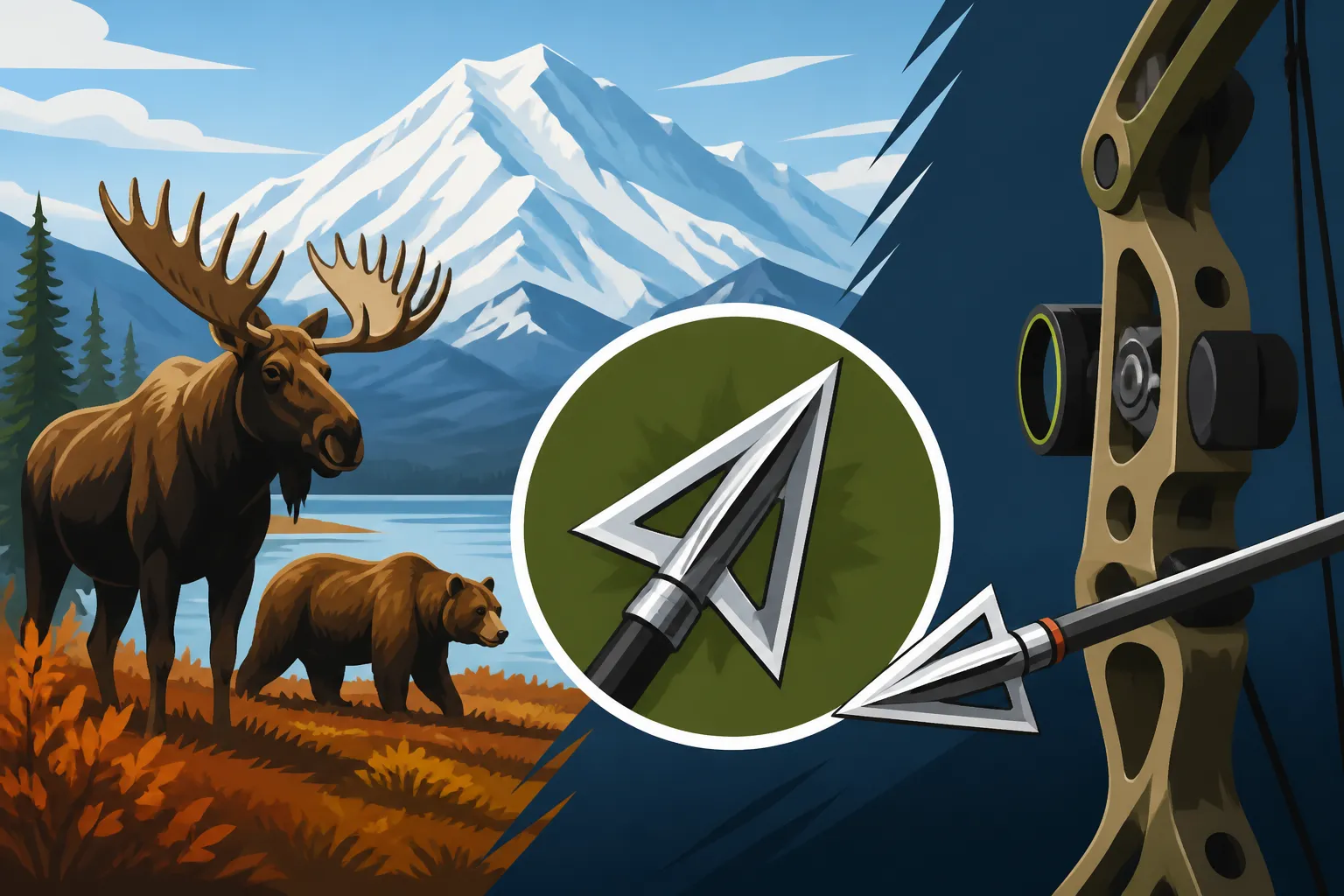
First and foremost, Alaska mandates that broadheads used for big game must have at least two opposing cutting edges. This immediately rules out certain specialty heads or single-blade designs that might be legal in other states. The idea here is to ensure a wide, efficient cutting surface for a quick bleed-out. Beyond this, the regulations specify minimum cutting diameters for both fixed-blade and expandable (mechanical) broadheads, a crucial detail many hunters overlook until it's too late. Fixed-blade broadheads must have a minimum cutting diameter of 7/8 inch. This means the actual width of the blade, from edge to opposing edge, needs to be at least 0.875 inches. For expandable broadheads, the same 7/8 inch minimum applies, but it's measured when the broadhead is fully expanded. This is a critical distinction, as many mechanicals are smaller in flight and only open upon impact. You need to verify that your chosen expandable head truly achieves this minimum once deployed.
A common pitfall hunters encounter, especially those new to Alaska or coming from states with more lenient rules, is the prohibition against barbed broadheads. Barbed broadheads are strictly illegal. A barbed broadhead is generally defined as one with a barb or projection that extends rearward from the cutting edge, designed to prevent the broadhead from being easily removed from the animal. This design can cause unnecessary suffering and hinder recovery efforts, which is why Alaska and many other jurisdictions have banned them. Before you pack any broadheads, scrutinize them closely to ensure they don't possess any rear-facing projections that could be construed as barbs.
It’s also important to remember that these broadhead rules are part of a larger archery equipment framework. While not strictly about the broadhead itself, your arrow needs to meet a minimum weight of 300 grains for big game. Additionally, your bow must meet specific draw weight minimums depending on the species you're pursuing – 50 pounds for larger game like moose, caribou, bison, muskox, brown/grizzly bear, Dall sheep, and mountain goat, and 40 pounds for black bear, deer, elk, wolf, and wolverine. All these elements work together to create an effective and ethical hunting setup. Staying informed on these details is key, and resources like GoHunt's regulatory summaries can be incredibly helpful for keeping all these numbers straight before you apply for permits or head into the field.
Fixed-Blade Versus Expandable Broadheads: Alaska's Perspective
The debate between fixed-blade and expandable (mechanical) broadheads has raged in hunting camps for decades. Both have their proponents and their merits, but when you're hunting in Alaska, the unique challenges of the terrain, the toughness of the animals, and the specific regulations come into play. Understanding how Alaska views each type is paramount.
Fixed-Blade Broadheads: The Tried and True Option
Fixed-blade broadheads are the traditional choice and often seen as the workhorses of the archery world. They consist of a solid, unmoving blade design, meaning what you see is what you get. In Alaska, as mentioned, these must have a minimum cutting diameter of 7/8 inch. The beauty of fixed blades is their reliability. There are no moving parts to fail, no deployment mechanisms to worry about, and they tend to be very robust. This makes them a strong choice for thick-skinned, heavy-boned animals like moose or brown bears, where penetration is absolutely critical.
Many experienced Alaska hunters lean towards fixed blades due to their inherent strength and penetration capabilities. For instance, when pursuing a bull moose deep in the willows, a broadhead that can punch through heavy muscle and potentially bone without deflecting or breaking is invaluable. Brands like Magnus, QAD Exodus, and Iron Will are popular among those who prioritize durability and deep penetration. While they might not offer the massive cutting diameter of some mechanicals, their consistent performance is what matters. The downside, if you can call it one, is that they can sometimes be more challenging to get flying perfectly with all bows and arrow setups, requiring more tuning time to achieve field-point accuracy. However, once tuned, they offer unparalleled confidence.
Expandable Broadheads: Precision and Cutting Power
Expandable broadheads, often called mechanicals, have gained significant popularity for their field-point accuracy during practice and their larger cutting diameter upon deployment. The idea is that they fly like a field point, thanks to their compact profile, and then blades deploy upon impact, creating a larger wound channel. For Alaska, the critical regulation here is that they must expand to at least 7/8 inch. This means you need to verify the expanded width, not just the width in the folded position.
The allure of mechanicals, especially for hunters focused on accuracy at longer ranges or those who struggle with fixed-blade tuning, is undeniable. When a broadhead like a Rage Hypodermic or a Swat Broadhead expands to 1.5 inches or more, it creates a devastating wound channel, theoretically leading to quicker recoveries. However, the Alaskan environment presents unique challenges. The tough hide and dense bone of a mature caribou, or the sheer mass of a brown bear, demand absolute penetration. Some hunters express concern that mechanicals, especially those with larger cutting diameters, might expend too much energy on deployment or be more prone to mechanical failure if they hit heavy bone. While modern mechanicals are incredibly well-engineered and robust, it's a valid consideration for the demanding conditions of an Alaska hunt. You'll want to ensure your chosen mechanical has a proven track record of deep penetration, even on tough game, and always carry a few extra to account for any potential damage during transportation or in the field.
Species-Specific Considerations and Best Practices
While the general broadhead rules apply across all big game species in Alaska, smart hunters understand that different animals present different challenges. A broadhead perfectly suited for a black bear might not be the optimal choice for a coastal brown bear, for instance. Thinking about the specific animal you're pursuing and the conditions you expect to encounter can help refine your broadhead selection within the legal framework.
Bears: Prioritizing Penetration and Durability
Hunting bears in Alaska, whether it's a black bear or a formidable brown bear, demands a broadhead that delivers maximum penetration and stands up to extreme forces. Bear hides are incredibly thick, and their bone structure is robust. For brown bears, many seasoned hunters will strongly advocate for a heavy arrow (500+ grains) combined with a super-tough, multi-blade fixed broadhead. You want a broadhead that can punch through layers of fat, muscle, and potentially rib bone to reach vital organs. The goal is to drive the arrow completely through the animal for a full pass-through, creating two holes for optimal blood loss and tracking. When hunting these powerful predators, every advantage counts, which is why many also consider carrying a sidearm around a kill site for safety.
While some hunters successfully use mechanicals for bears, especially black bears, it's crucial to select a mechanical known for its deep penetration, even at the expense of an extremely wide cut. Many mechanicals are designed for maximum cutting diameter on lighter-skinned animals. For bears, prioritize structural integrity and the ability to maintain blade integrity through heavy tissue. Before heading out, practicing your shooting positions on Alaska tundra and sidehills is critical to ensure you can make a precise shot under pressure.
Moose and Caribou: Balancing Cut and Penetration
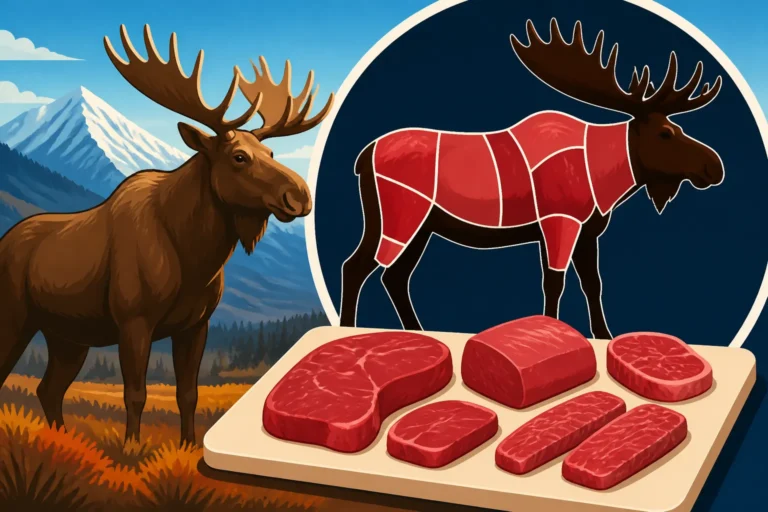
Moose and caribou, while different in size and habitat, share a similar emphasis on broadhead performance. A bull moose is a massive animal, and while its hide isn't as tough as a bear's, its sheer size means you need a broadhead that can create a substantial wound channel and penetrate deeply. For moose, a sharp, durable fixed-blade broadhead or a well-designed mechanical with a good balance of cutting diameter and penetration is ideal. Remember the importance of quartering a bull moose alone in the field and the amount of meat involved, so a clean kill is paramount for efficient processing.
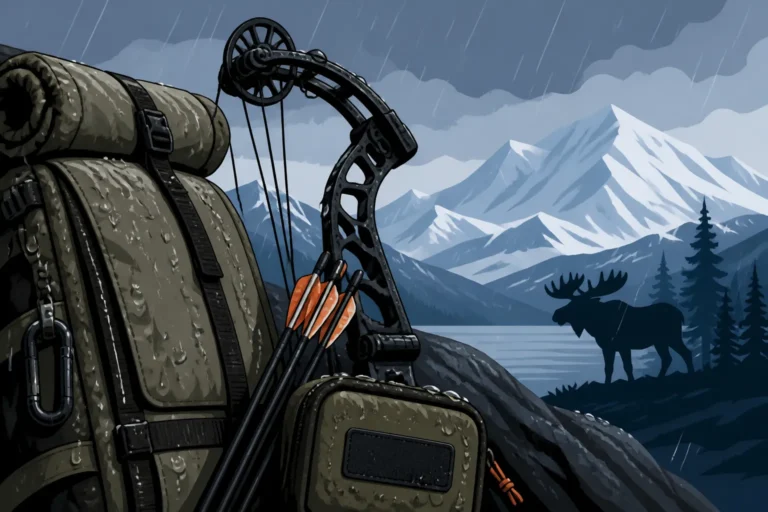
Caribou, on the other hand, are smaller than moose but can still be tough, especially through the shoulders. They often travel in vast herds across open tundra, so a good blood trail from a well-placed shot can be vital for recovery. The same principles apply: aim for a broadhead that will create a substantial wound and penetrate effectively. When considering your gear, also think about how your archery tackle that survives ten days of rain will hold up to typical Alaskan weather, which can be just as critical as your broadhead choice.
| Broadhead Type | Pros | Cons | Alaska Legal Requirements | Best For (General) |
|---|---|---|---|---|
| Fixed-Blade | Extremely durable; no moving parts to fail; excellent penetration; reliable performance on heavy bone. | Can be harder to tune for field-point accuracy; often smaller cutting diameter than mechanicals. | Minimum 7/8 inch cutting diameter; at least two opposing cutting edges; no barbs. | Moose, Caribou, Brown Bear, Muskox, Bison, Mountain Goat, Dall Sheep |
| Expandable (Mechanical) | Field-point accuracy during practice; larger cutting diameter for bigger wound channels; easy tuning. | Potential for mechanical failure (rare with modern designs); may sacrifice penetration for cutting diameter; deployment can absorb energy. | Minimum 7/8 inch cutting diameter (when expanded); at least two opposing cutting edges; no barbs. | Black Bear, Deer, Elk, Wolf, Wolverine (select robust models for larger game) |
Due Diligence and Pre-Hunt Preparation
Before you embark on your Alaska big game archery hunt, thorough preparation is non-negotiable. This isn't just about packing your gear; it's about making sure every component of your archery setup is optimized and legal. Relying on good information is vital, which is why resources like GoHunt can be invaluable for cross-referencing regulations and staying abreast of any changes in specific game management units.
Reviewing Regulations Annually
Alaska's hunting regulations are dynamic. They can change from year to year, or even mid-season through emergency orders. Never assume the rules are the same as last season or last year. Always get your hands on the most current Alaska hunting regulations booklet from the ADF&G website or a local office. Read the archery section carefully, paying particular attention to the definitions and requirements for broadheads and other equipment. If you're planning a trip years in advance, make a note to check the regs again closer to your hunt date. This diligence is equally important when considering broader regulations like Alaska's Same-Day-Airborne Rule and What It Bans, which can impact how you access your hunting grounds.
Testing Your Setup Rigorously
Once you've selected broadheads that comply with Alaska's rules, the work isn't over. You absolutely must test them extensively with your hunting arrows and your specific bow setup. Broadheads, especially fixed blades, can fly differently than field points due to their fletching interaction and aerodynamics. Practice shooting at various distances you expect to encounter in the field. Don't just shoot at 20 yards; stretch it out to 40, 50, or even 60 yards if you anticipate those ranges.
Ensure your bow is perfectly tuned for your broadheads. Any inconsistencies in paper tuning or bare shaft flight will be amplified with broadheads. Focus on achieving tight groups. Remember, an ethical shot in Alaska means placing that arrow precisely where it needs to go, often under adverse conditions. This means practicing in varied conditions if possible, like from a kneeling position or in light rain, to simulate real-world scenarios.
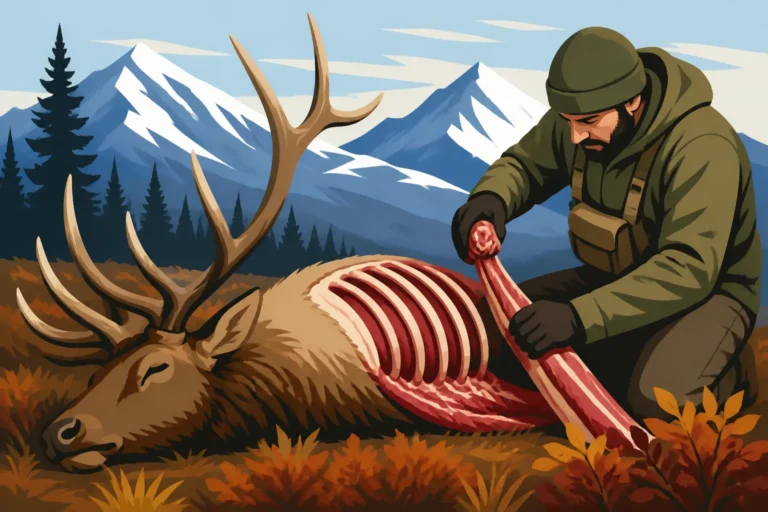
Consider potential impacts. If you're using mechanicals, you might want to test a few on a tougher medium (like a dense foam block or an old tire) to observe their deployment and blade integrity. While not a substitute for animal impact, it can give you confidence in their design. When discussing equipment, it's also worth thinking about how different setups might affect your ability to efficiently perform tasks like packing out meat in Alaska: the salvage law hunters must follow—the lighter and more reliable your gear, the better.
Ethical Considerations Beyond the Law
While adhering to the legal broadhead rules is a must, ethical hunting extends beyond just what's written in the regulation book. Choosing a broadhead that you trust to perform reliably and efficiently on the specific big game animal you are pursuing is part of your responsibility as a hunter. This often means opting for robust, sharp, and well-designed heads that will maximize your chances of a quick, humane kill and a successful recovery. The goal is always a single, well-placed shot that incapacitates the animal rapidly. Anything less compromises the animal, the hunt, and your own integrity. It's a testament to the respect we owe these incredible animals, especially when hunting in a wild place like Alaska.
Disclaimer
The information provided in this guide is for general informational purposes only and does not constitute legal advice. Hunting regulations in Alaska are subject to change, and specific rules may vary by game management unit or species. Always consult the most current Alaska Department of Fish and Game (ADF&G) hunting regulations for the year and area you intend to hunt. It is the hunter's sole responsibility to understand and comply with all applicable laws and regulations.