Trailer Loads Versus Pack Frames on ATV Trails
One of the enduring headaches for hunters navigating Alaska's vast and often unforgiving landscape, especially when utilizing ATVs, is the logistical challenge of moving gear in and, crucially, meat out. Deciding between relying on an ATV trailer for bulk hauling or embracing the traditional pack frame for its rugged adaptability can make or break a hunt, impacting everything from your energy levels to the success of salvaging your hard-won game. This guide will meticulously break down the pros and cons of each method, helping you make an informed decision for your next Alaskan adventure.
The ATV Trailer: Power for the Long Haul and Its Specific Drawbacks
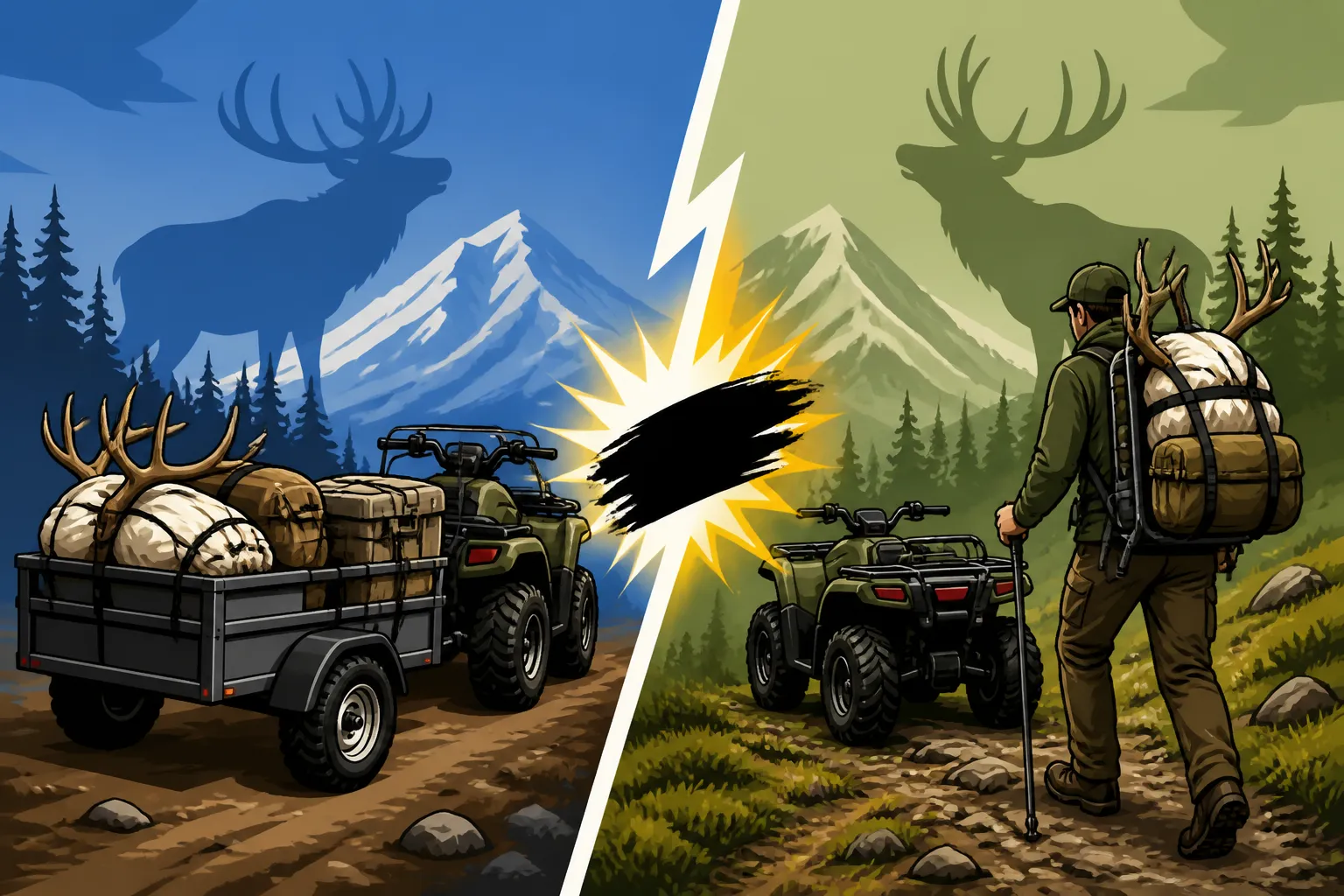
ATV trailers, often simple utility trailers or specialized game carts, seem like a no-brainer for moving heavy loads. They allow you to transport more gear in a single trip, saving time and reducing the physical strain on the initial leg of your hunt. However, their utility often comes with significant limitations once you leave well-maintained routes.
Advantages of Trailer Use for Gear and Initial Access
When you're first getting into your hunting area, especially if you have a base camp setup planned, a trailer can feel like a godsend. You can load it up with substantial items that would be cumbersome or impossible to carry on a pack frame: a large wall tent, a robust camp stove, extra fuel, bulk food, and enough water for several days. This allows for a much more comfortable and better-equipped camp, which can be critical for staying motivated and effective during a multi-day hunt in unpredictable Alaskan weather. Think of those long initial runs down established ATV trails like those found off the Denali Highway or through certain sections of Unit 13; a trailer lets you cover ground efficiently with all your creature comforts in tow. It also means fewer trips back and forth, conserving daylight and valuable energy for the actual hunting. When planning these initial hauls, always make sure you're aware of the ATV Trail Rules on Alaska State Land for your specific area.
Challenges and Limitations of Towing a Trailer on Alaska Trails
The moment the trail turns nasty, an ATV trailer can quickly become your worst enemy. Alaska's ATV trails are notorious for deep mud holes, large roots, significant rocks, and steep, uneven terrain. A loaded trailer, especially a heavy one, drastically reduces your ATV's maneuverability, ground clearance, and traction. You'll find yourself getting stuck far more often, requiring strenuous winching or manual lifting in already exhausting conditions. Narrow trails, tight turns, or sections with heavy brush can make a trailer an absolute nightmare, potentially causing damage to your gear, the trailer itself, or even your ATV. Imagine trying to navigate a beaver dam crossing or a deeply rutted section of trail with a fully loaded trailer – it can transform a challenging ride into an hours-long ordeal, or even leave you stranded.
When a Trailer Becomes a Liability, Not an Asset
While excellent for bringing gear in, trailers often reveal their true limitations when it's time to pack out a quartered moose or a large caribou. A trailer that handles well on the way in, light with just camping gear, might bog down instantly under the immense weight of several hundred pounds of meat. The fresh kill usually happens away from the easiest stretches of trail, meaning you might have to drag or bone out meat and then try to get it to a more accessible spot for the trailer. If you've been successful on the other side of a gnarly section of trail, getting that meat-laden trailer back through can be an absolute nightmare. Furthermore, breaking down a large animal like a moose and getting it from the kill site to an ATV-accessible trail can be a monumental task in itself. Hunters often underestimate the sheer logistics of Quartering a Bull Moose Alone in the Field, let alone moving the meat afterwards.
The Pack Frame: Old School Versatility and Raw Power
For many seasoned Alaskan hunters, the pack frame remains the king of meat extraction and navigating truly remote, challenging terrain. While it demands significant physical effort, its versatility and ability to go where no wheeled vehicle can make it indispensable.
The Unmatched Freedom and Maneuverability of a Pack Frame
A well-fitted pack frame liberates you from the constraints of trails and machines. You can traverse dense alder thickets, climb steep hillsides, pick your way through boulder fields, and cross shallow streams with relative ease. This freedom is critical when you're hunting species that frequent rugged landscapes, like Dall sheep in the mountains or mountain goats in coastal cliffs, but it's equally important for getting to a downed moose in a swampy area or a caribou across open tundra where ATV access is impossible or restricted. The silence of a foot hunter with a pack frame also allows for a more stealthy approach, and it’s often the only legal way to access many wilderness areas or certain federal lands. For those considering Backpack Hunting in Alaska: Gear Weight and Meat Loads, the pack frame is the central piece of equipment.
The Physical Toll and Capacity Limits of Packing on Your Back
Let’s be real: packing heavy loads on your back is physically demanding, plain and simple. Even the fittest hunters will feel the burn of a 100-pound load over rough ground. This physical toll isn't just about discomfort; it impacts your energy levels, focus, and overall safety. Injuries, particularly to the back, knees, and ankles, are a real risk, especially when you're tired or navigating treacherous terrain. You also have a finite capacity per trip. While a strong hunter might manage 100-120 pounds of boned-out meat, a moose can yield upwards of 500-700 pounds of salvageable meat, requiring multiple trips – sometimes over several days. If you're hunting solo, this means leaving meat unattended, which can be a serious concern in bear country. Therefore, proper Bear Safety While Butchering a Kill in Alaska is paramount.
Essential Considerations for Choosing and Loading a Pack Frame
Not all pack frames are created equal. For serious meat hauling, you need a robust, external frame pack designed for heavy loads. Look for sturdy aluminum or carbon fiber frames, a comfortable and adjustable hip belt, and a suspension system that can truly transfer weight to your hips, not just your shoulders. Brands like Mystery Ranch, Kifaru, and Stone Glacier are popular among serious Alaskan hunters for good reason; they build systems designed for the kind of abuse and weight these hunts demand. Loading is an art form: heavy, dense items (like boned-out meat) should be placed close to your back and slightly above your hips for optimal balance and weight distribution. Securing the load tightly with compression straps is crucial to prevent shifting, which can throw you off balance and cause chafing. When planning your gear, GoHunt often provides excellent reviews and comparisons of different pack frame systems suitable for Alaska. Proper Meat Care in 50-Degree September Weather also means choosing game bags that breathe well and allow for cooling, which influences how you load them onto the frame.
Making the Call: Trailer or Pack Frame for Your Hunt?
The choice isn't always binary. Often, the most successful Alaskan hunters employ a strategic combination of both methods, adapting to the specific phase of their hunt and the terrain they encounter.
Initial Ingress: Getting to Your Base Camp
For getting gear into a base camp, especially if your hunting area is accessible by a relatively maintained ATV trail, a trailer is often the clear winner. The ability to bring in more comforts – a bigger tent, a reliable stove, more food, and even a small generator if needed – can drastically improve your overall hunting experience and endurance. It allows you to focus on the hunt itself rather than being overly concerned with minimalist gear limitations. Just ensure your chosen trail isn't going to turn into a complete quagmire after a rain, rendering your trailer useless. Resources like GoHunt can help you research trail conditions and terrain features before you commit to a trailer-dependent plan. Remember, even with a trailer, always pack a recovery kit: winch, straps, shovel, and an axe are non-negotiable.
Meat Extraction: The Real Test of Your System
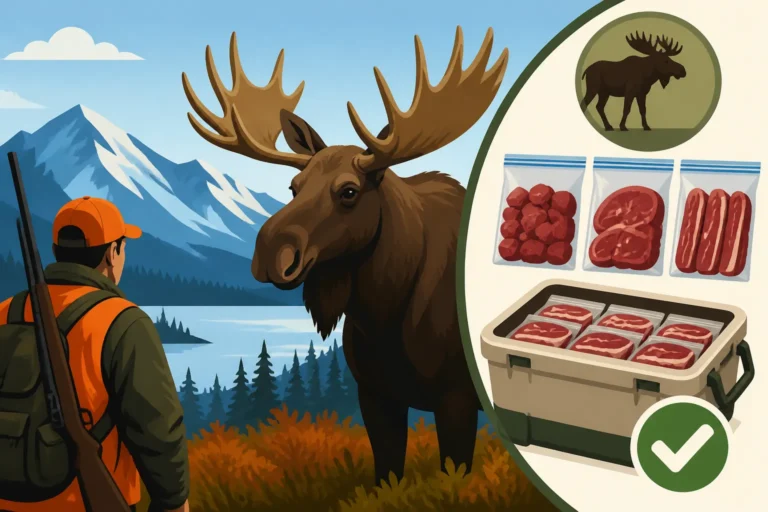
This is where the pack frame shines. Once you've made a kill, especially if it's off the main trail or in particularly rough country, the pack frame becomes essential. You'll bone out or quarter the animal at the kill site, load the manageable sections onto your frame, and begin the arduous process of shuttling meat back to an accessible point. This might be back to your ATV, to a waiting boat, or even back to camp to be cached. Planning for multiple trips is key, as is ensuring you have appropriate Game Bags That Breathe in Coastal Rain to protect the meat from elements and flies. It's often pragmatic to use a trailer for initial gear transport, then stash it at a pre-determined point and switch to pack frames for the final hunting effort and meat extraction. This hybrid approach leverages the strengths of both systems. For instance, you might use your ATV and trailer to get to a river access point for a Float Hunting Alaska Rivers for Moose and Caribou, then rely on pack rafts and frames for the actual hunt and retrieval from the riverbanks.
Hybrid Strategies and Adapting to Alaska's Demands
The most effective strategy often involves a nuanced approach, blending both methods depending on the situation.
- Park and Pack: Use your ATV and trailer to get as close as legally and practically possible to your hunting grounds. Establish a secure base camp, perhaps even a smaller, more mobile spike camp. Then, leave the ATV and trailer behind and continue on foot with pack frames for the actual hunting. This is particularly useful in areas with specific ATV Access Tactics on Alaska's Denali Highway, where you can use the machine to cover mileage but need to leave it for the stalk.
- Staging Points: Plan for strategic staging points where you can leave an ATV with a small trailer or just the ATV, then move meat to that point. This reduces the distance you need to pack manually.
- Multi-Day Extraction: Especially with a large animal like a moose, a multi-day extraction plan might be necessary. This involves making a few heavy trips out with pack frames, perhaps covering the meat at the kill site with game bags and a tarp, and returning to camp to rest before another trip. Always consider Hanging Meat in Warm September Weather and protecting it from scavengers during these multi-day efforts. Always have a robust communication plan, like using Signal Devices and Check-In Plans for Solo Alaska Hunts, especially when making solo trips back and forth.
- Emergency Scenario: What if your ATV breaks down far from the road system? This is a grim but realistic scenario in Alaska. If you’ve been relying solely on a trailer, you might find yourself in a dire situation. A pack frame, even if used less frequently, ensures you always have the capability to pack out essential gear or meat if your primary transport fails. Having a plan for Riding Out Meat Before Dark on foot, should your ATV suffer a mechanical issue, is crucial.
Ultimately, the choice between trailer loads and pack frames isn't about one being inherently "better," but rather about understanding the specific demands of your hunt, the terrain you'll encounter, and your own physical capabilities. Alaskan hunting demands adaptability, and often, the smartest approach is to be prepared to utilize both methods effectively.
Disclaimer
Hunting in Alaska involves inherent risks, including but not limited to adverse weather, dangerous wildlife, and remote terrain. The information provided in this guide is for informational purposes only and should not replace proper training, thorough preparation, and adherence to all state and federal regulations. Always prioritize safety, carry appropriate emergency gear, and inform others of your travel plans.