Setting a Take-Out Date With Your Pilot
One of the biggest anxieties when you're deep in the Alaskan bush, miles from any road, is the looming question of your departure. You've hiked hard, maybe packed out a bull moose, and now you're tired, perhaps a little weathered, and definitely ready for that flight out. But getting picked up isn't as simple as calling an Uber. This guide will walk you through the critical, often overlooked, steps of effectively setting and managing your take-out date with your air taxi pilot, ensuring a smoother and safer transition from the wilderness back to civilization.
The Initial Conversation: Beyond Just a Date
When you first book your air taxi, it's easy to just throw out a date and time for pickup, thinking that's all there is to it. But in Alaska, the initial conversation with your pilot needs to be far more comprehensive than a simple reservation. It sets the foundation for your safety and success.
Why Flexibility is Non-Negotiable
Alaska's unpredictable nature dictates that flexibility is not just a nice-to-have; it's an absolute requirement. Unlike commercial flights that operate on rigid schedules, bush planes are at the mercy of the elements, mechanical realities, and sometimes, even other hunters' emergencies. Imagine you've scheduled a pickup for 3 PM on a Tuesday. Sounds straightforward, right? But then Tuesday dawns with a dense fog bank clinging to the mountains, or a surprise blizzard rolls in, or perhaps your pilot has another charter that experienced a critical mechanical issue needing immediate attention.
Rigid expectations can lead to immense frustration, missed connections, and, most importantly, unsafe situations. A good pilot will never fly if conditions aren't safe, no matter how much you might plead or how tight your schedule is. Their primary concern is getting you out alive, not adhering to a clock. This means being prepared for delays of hours, or even days. It's not uncommon for hunters to be weathered in, sitting tight in camp, waiting for a window. The best approach is to adopt an Alaskan mindset: things happen when they happen. This flexibility also applies to where you get picked up. A planned gravel bar might become too wet or too short with rising water, or a lake might freeze over, forcing an alternative landing zone. Having an understanding of potential "Gravel Bar Landings for Wheel Planes in Alaska" or "Float Plane Lakes in Interior Alaska" can certainly alleviate some anxiety.
Communication Expectations: Before, During, and After
A clear and thorough communication plan is your lifeline in the remote Alaskan wilderness. Before your hunt even begins, sit down with your pilot and discuss their preferred communication methods. Is it a satellite phone call at a specific time each day? A text message via an InReach device? Many hunters rely on devices like the Garmin InReach Mini 2 or a Bivy Stick for their reliability in areas without cell service. You need to know what to use, when to use it, and what information to include.
The pre-hunt briefing should cover what the pilot needs to know from you initially: your desired pickup date, the number of hunters, an honest estimate of your gear weight, and the potential for meat loads. This helps them block out appropriate time and aircraft capacity. During your hunt, establish consistent check-in protocols. How often do you need to communicate? What is the standard message format? What do you do if you can't reach them? Most importantly, what's the protocol if you have a successful harvest and need an earlier pickup, or if you need to inform them of multiple trips for meat? The pilot uses these in-field check-ins to monitor your safety, track your progress, and adjust their broader flight schedule effectively. Remember, they often manage multiple parties in the field simultaneously. After the hunt, once you're safely packed and ready, your final communication will confirm your exact location, your readiness for immediate pickup, and any last-minute changes to your initial plan. Be clear, concise, and don't assume anything.
Factors Influencing Your Take-Out Day
Alaska is a land of extremes, and these extremes have a direct and often dramatic impact on your flight schedule. Understanding these factors will help you anticipate potential delays and plan accordingly.
Weather Windows and Their Impact
There's a famous saying in Alaska: "If you don't like the weather, wait five minutes." This holds especially true in the remote bush. Weather patterns can change hourly, not just daily, and they are the single biggest determinant of flight operations. Common impediments include dense fog, which can ground planes for days, especially in coastal or river drainages. Low ceilings, where the cloud base is too close to the ground, can make navigating mountain passes or finding clear landing zones impossible. High winds can make takeoff and landing dangerous, particularly for smaller aircraft, and can create extreme turbulence. Heavy rain or snow can obscure visibility and make flying hazardous.
Bush pilots are seasoned professionals who constantly monitor weather, often using a combination of official forecasts, real-time satellite imagery (sometimes informed by broader tools like GoHunt that analyze weather trends), and their deep local knowledge of microclimates. However, their ultimate decision is always made in real-time, based on what they observe at the airfield and along the flight path. A day that starts "unflyable" can sometimes clear dramatically, just as a seemingly perfect day can quickly devolve into hazardous conditions. This isn't just an inconvenience; it's a safety imperative. Different aircraft types also have varying tolerances for weather. Float planes are sensitive to choppy water from high winds, while wheel planes need stable surfaces and clear approaches. This variability is why having buffer days in your schedule is so important.
Pilot Schedule and Other Charters
Your air taxi pilot is a busy individual, operating a complex logistical puzzle that often involves multiple clients spread across vast and remote territories. It's crucial to remember that you are one piece of this puzzle, not the sole focus of their schedule. They are constantly trying to optimize their flights, grouping pickups and drop-offs geographically to minimize "deadhead" time – the time the plane flies without carrying passengers or cargo – which saves fuel and keeps costs down for everyone. Learning about "Deadhead Time Adds to Your Bill" can give you a better understanding of how pilots schedule their routes.
This means your pickup might be delayed if the pilot is already flying into your general area for another client later in the day, or if they have an earlier, more urgent drop-off or retrieval. Booking your air taxi well in advance, especially during peak hunting seasons, helps secure your spot in their schedule, but it doesn't eliminate the need for flexibility. Always confirm their operating hours, and understand that early morning or late evening flights might be possible depending on light conditions and their overall commitments. Communication about your readiness helps them slot you into the most efficient flight path.
Your Hunt Success and Meat Hauling Needs
Successfully harvesting an animal in the Alaskan bush introduces an entirely new layer of complexity to your take-out plan, especially if it's a large animal like a moose or caribou. Suddenly, your load isn't just your personal gear; it's hundreds of pounds of perishable meat, plus a trophy. This drastically changes the logistics. If you manage to get a bull down, you'll need to know about "Quartering a Bull Moose Alone in the Field" to prepare it for transport.
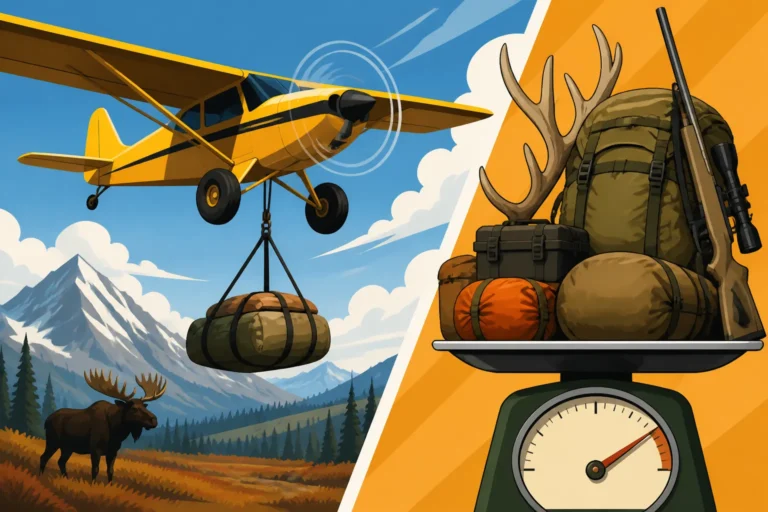
The moment you make a kill, especially a large one, you need to communicate this to your pilot immediately. They need to know about the increased weight and the potential for multiple loads. Large game animals almost always require more than one trip, particularly with smaller bush planes like a Super Cub, which have strict "Weight Limits on a Super Cub Drop". These "Second Trip Charges for Meat Hauling" add to the cost and scheduling complexity, but ensuring meat salvage is critical under Alaska's game laws. Moreover, meat care, particularly "Hanging Meat in Warm September Weather" to cool it down, becomes paramount to prevent spoilage. Your pilot will often prioritize meat retrieval to ensure it doesn't go to waste, so being prepared with boned-out, properly bagged meat in breathable game bags, like those specified in "Game Bags That Breathe in Coastal Rain", can make a huge difference in their ability to quickly load and transport.
Strategies for a Smooth Departure
A smooth departure from the Alaskan bush doesn't just happen; it's the result of careful planning, proactive communication, and a realistic understanding of the environment.
Establishing Check-In Protocols
Consistent and clear check-in protocols are the backbone of a successful bush hunt. Before you even set foot in the field, agree with your pilot on specific check-in times and methods. For example, a daily satellite text message at 6:00 PM Alaska Standard Time, or a call if you have a satellite phone. In these messages, you should include critical information: your current status (all well, minor issues, major issues), the local weather at your camp, your estimated readiness for pickup, and any significant events like having harvested game. It's also important to have a plan for what to do if you miss a check-in. Pilots typically have a protocol for overdue hunters, which can escalate quickly into search and rescue operations, a scenario no one wants.
These regular communications aren't just for your safety; they are invaluable to the pilot for managing their schedule. Knowing your readiness and conditions at your location helps them plan the most efficient and safe flight path. For solo hunters, these check-in plans are even more critical, acting as a crucial safety net. Understanding "Signal Devices and Check-In Plans for Solo Alaska Hunts" can provide additional insight. Your consistent communication allows your pilot to make informed decisions and keeps everyone on the same page.
The Importance of a Buffer Day (or Two)
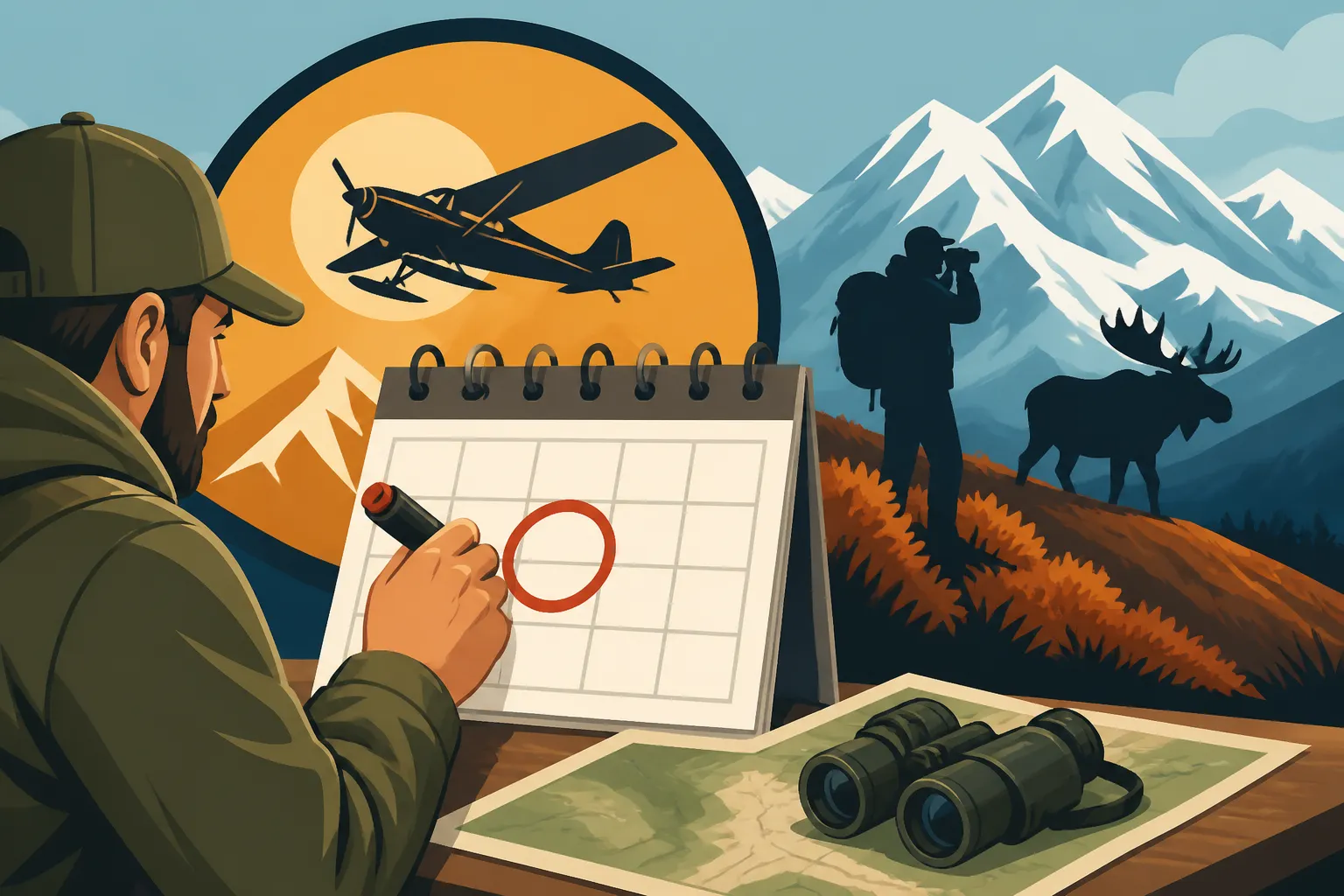
This cannot be stressed enough: build at least one, preferably two, "buffer days" into your schedule at the end of your hunt. This means even if you plan to be picked up on Friday, don't book your commercial flight home until Sunday or Monday. These extra days are your safety net, designed to absorb the inevitable delays caused by weather, mechanical issues, or the need for multiple flights to haul out a large animal.
Imagine you're weathered in for two days, unable to fly. If you haven't built in buffer time, you're now scrambling, potentially missing expensive commercial flights, or worse, abandoning meat. With buffer days, you can simply sit tight, knowing that even with a delay, you still have time to make your connections. While it might mean a couple of extra nights in a hotel or a little more time in a cozy, albeit remote, camp, it’s a far less stressful and often cheaper alternative to the costs associated with missed flights or emergency reroutes. These buffer days are an investment in your peace of mind and the overall success of your trip. Consider "Building Extra Days Into a Fly-In Schedule" as part of your core planning.
Contingency Planning for Delays
Despite all your best efforts and buffer days, sometimes things just don't go according to plan. Having a solid contingency plan for unexpected delays is crucial. What is your "Plan B" if your pilot simply cannot get to you on your scheduled day, or even within your buffer window? This means having enough extra food, fuel, and supplies to comfortably sustain yourself for several additional days beyond your planned stay. Dehydrated meals, extra stove fuel, and a water filter are small investments that pay huge dividends.
Consider alternative pickup locations. If your primary landing zone becomes unusable due to environmental changes (e.g., a river dropping too low for a float plane, or a gravel bar becoming too soft after heavy rain), does your pilot have an alternative in mind? Have you scouted any options on your map or with a tool like GoHunt's satellite imagery beforehand? It’s also wise to have flexible commercial flight reservations for your return home, or at the very least, travel insurance that explicitly covers trip delays due to weather or unforeseen bush plane issues. While your pilot will always do their utmost to get you out, they cannot control Mother Nature or mechanical failures. Your preparedness is your best defense against these uncontrollable elements. It’s also wise to understand that "Weather Days and Who Pays for Them" might be a factor in your overall budget.
Post-Hunt Communication and Finalizing Details
The hunt may be over, but your responsibilities for a smooth take-out are not. Clear communication about your readiness and an accurate assessment of your loads are the final critical steps.
Signaling Your Readiness for Pickup
Once your hunt is complete, your animal is processed, and your camp is packed, signaling your readiness to the pilot is key. This isn't just about sending a message; it's about being visibly and logistically ready. If you're on a gravel bar or lake, ensure your camp is broken down, all gear is consolidated, and your meat is prepped and bagged, sitting in an obvious spot. If you have an InReach, send a clear, concise message: "Ready for pickup. All gear packed and consolidated. Estimate X lbs personal gear, Y lbs meat. Weather at my location: clear, light wind, visibility excellent." This immediate, accurate update allows your pilot to factor your pickup into their flight plan efficiently.
It's absolutely essential to be packed and prepared when the plane arrives, not still fumbling with tent poles or stuffing a sleeping bag. Bush pilots operate on incredibly tight schedules, often with minimal daylight, and every minute counts. Having everything ready to load saves valuable time, allowing the pilot to get in and out quickly and safely, and keeping them on schedule for their next client. A pilot doesn't want to land and wait for you to pack up. This readiness also means being at the designated pickup spot, not a mile downriver or hidden in the trees.
Confirming Load Sizes and Extra Trips
The final, and perhaps most crucial, communication before your actual flight involves confirming your load sizes. Be honest and realistic with your pilot about the weight of your personal gear and, especially, any meat or trophy. Overweight planes are not only dangerous but illegal, and a pilot will absolutely refuse to take off if they suspect an overloaded aircraft. They have strict weight limits dictated by the aircraft type, fuel load, and atmospheric conditions (e.g., higher altitudes or warmer temperatures reduce lift capacity). Reviewing "Weight Limits on a Super Cub Drop" before you go can help you pack smarter.
If you’ve harvested a large animal like a moose, expect multiple trips. This is the reality of bush flying in Alaska. You'll need to understand and budget for these "Second Trip Charges for Meat Hauling". Often, the pilot will take all the meat on the first trip, then return for the gear and hunters, prioritizing the perishable cargo. Ensure your meat is boned out, in breathable game bags, and ready to be loaded quickly to facilitate this process. This meticulous attention to detail at the very end of your hunt will contribute significantly to a safe, efficient, and ultimately successful take-out from the wild heart of Alaska.
| Aspect of Take-Out | Ideal Scenario (Planned) | Realistic Scenario (Alaska) | Hunter Preparedness |
|---|---|---|---|
| Pickup Date | Fixed, agreed-upon day | Flexible, weather-dependent | Build in 1-2 buffer days |
| Pickup Time | Specific hour | Flexible, pilot-dependent | Expect delays; be ready early |
| Communication | Daily text check-in | Consistent, reliable satellite communication; backup plan for missed check-ins | Pre-arranged protocol; charged devices |
| Load Size | Single trip for gear only | Multiple trips for gear + meat | Accurately estimate weight; prepare for multiple loads |
| Weather | Clear skies, light winds | Unpredictable fog, wind, snow | Pack for all conditions; patience |
| Readiness | Camp packed, waiting | Camp packed, waiting, but flexible for changes | All gear consolidated; meat prepped; visible |
| Cost | Initial booking price | May increase for extra trips/weather delays | Budget for contingencies; understand "deadhead" time |
Disclaimer
The information provided in this guide is for general informational purposes only and does not constitute professional advice. Hunting in Alaska involves inherent risks and requires careful planning, adherence to all state and federal regulations, and personal responsibility. Always consult with licensed air transporters, guides, and the Alaska Department of Fish and Game for the most current regulations, safety protocols, and area-specific information.