Best Moose Call Sequence for the Early Rut
It can be incredibly frustrating to head out for an early September moose hunt in Alaska, full of anticipation, only to have your calls ignored or, worse, for a bull to hang up just out of sight. That's because the early rut demands a different approach than the peak of the breeding season. This guide is dedicated to helping you master the nuanced art of calling moose during this unique period, focusing on sequences that pique a bull's curiosity and challenge his dominance without overdoing it.
Understanding the Early Rut Moose Mindset
The early rut is a distinct phase in the moose breeding cycle, often occurring from late August through the first two or three weeks of September, depending on the region and specific year. It’s a time of transition, and understanding a bull’s motivations during this period is absolutely critical to calling him in. Many hunters get caught up trying to replicate the frantic breeding calls of late September, and it simply doesn't work when the bulls aren't in that headspace yet.
Why Early Rut is Different
During the early rut, mature bulls are just beginning to feel the stirrings of the breeding season, but they are far from being in full-blown rut mode. Their primary focus might still be on feeding and building up fat reserves after a long summer, rather than chasing every cow they hear. Instead of an intense, urgent desire to breed, their interest is often more about establishing dominance, assessing their competition, and confirming their territory. They are curious, yes, but also wary.
Imagine a bull that’s been solitary for months, focused on gorging on willows and aquatic vegetation. Suddenly, he hears a cow call. His first thought might not be "breeding opportunity!" but rather, "Who’s that? Is there another bull trying to move into my area?" or "Is that a cow I recognize from last year?" It’s a more cautious and exploratory phase. You're trying to tap into that sense of curiosity and rivalry, not an immediate breeding drive. They might move slowly, deliberately, often circling downwind to get a scent, making patience your most valuable asset.
The Role of Scrapes and Rubs
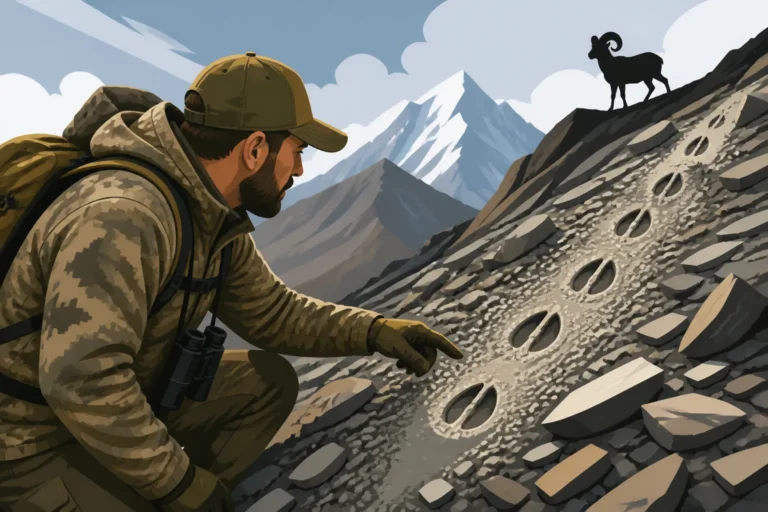
While not as pronounced as in the peak rut, scrapes and rubs still play a significant role in the early season, serving as both visual and olfactory cues for moose. Bulls will begin to rub their velvet off their antlers in late August and early September, thrashing small trees and saplings to polish their new racks. These fresh rubs are essentially billboards telling other moose, "I'm here, I'm big, and this is my turf."
Scrapes, on the other hand, are typically areas where a bull paws the ground, urinates, and often rubs his preorbital glands on overhanging branches. These are more direct communication points, filled with scent. While not as common or as actively refreshed as later in the rut, finding fresh rubs or subtle scrapes can tell you a bull is in the area and beginning to assert his presence. Mimicking the sounds of a bull thrashing brush through raking can be incredibly effective because it plays directly into this early-season behavior. It's a statement of presence and challenge, rather than a breeding invitation.
Early Season Feeding Versus Breeding Focus
One of the biggest distinctions of the early rut is the delicate balance between a bull's need to feed and his nascent desire to breed. A bull moose needs an enormous amount of calories to sustain his massive body and grow those impressive antlers. In the early rut, the drive to forage is still very strong. They will often be found in prime feeding areas – willow thickets, old burns with lush regrowth, or near water sources.
This means that while a bull might respond to a call, he might not abandon his meal with the same urgency as a bull in the throes of the peak rut. You might call him in, only to have him feed his way toward you slowly, stopping frequently to browse. This requires you to adjust your expectations and your calling strategy. Aggressive, persistent calling can often spook a bull that's more focused on filling his belly and less on an immediate confrontation or courtship. Instead, aim for calls that suggest a casual encounter or a challenge that's worth investigating, but not an all-out battle that interrupts a valuable feeding session.
Crafting Your Early Rut Calling Sequence
The key to a successful early rut calling sequence lies in subtlety, variety, and the ability to tell a believable story with your sounds. You're not trying to create a full-blown breeding frenzy; you're painting a picture of moose activity that sparks curiosity or a territorial response. This is where listening intently and observing the bull's reactions becomes paramount.
The Power of Cow Calls
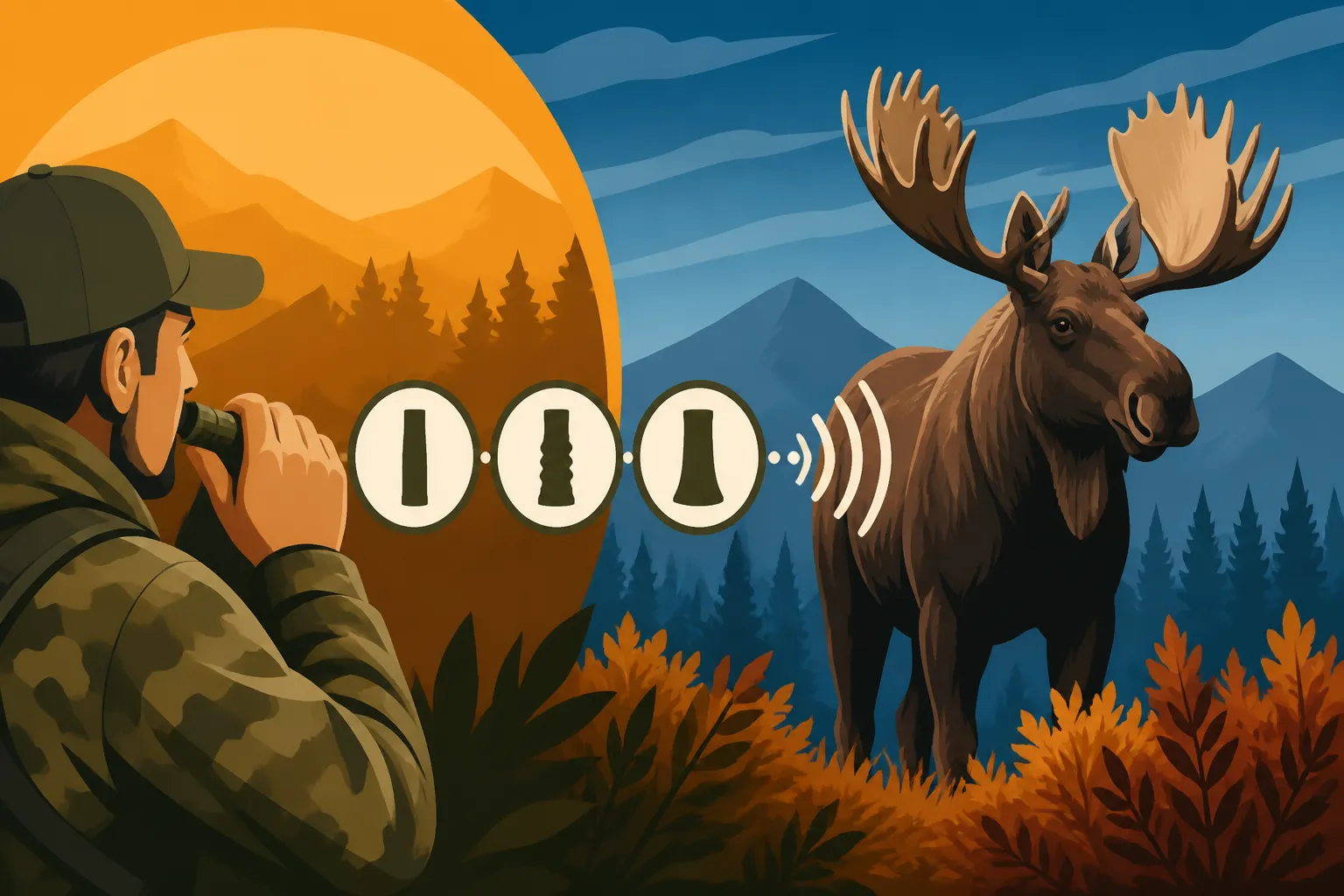
Cow calls are arguably the most versatile and effective tool in your early rut arsenal, but how you use them makes all the difference. Forget the desperate, drawn-out moans of a cow in estrus for this period. Instead, focus on shorter, softer, more inquisitive calls. Think of it as a cow casually communicating, almost like she's looking for other moose or just letting her presence be known.
- Subtle, Inquiring Moans: These are soft, one to two-second moans, perhaps three in a row, with a slight pause between each. They suggest a lonely cow, curious about her surroundings. This can often be enough to get a bull to stop feeding, lift his head, and listen. It's an invitation to investigate, not an immediate demand.
- Contentment Calls: These are even softer, almost purring sounds that mimic a contented cow or calf. Sometimes, just the sound of a relaxed moose can draw in a curious bull looking to confirm who's in his territory.
- Urgent Cow Calls (with caution): Only sparingly, if you sense a bull is close but hesitant, you might try a slightly more urgent, but still not frantic, cow call. This might be a slightly longer moan, or a more direct sequence. However, overdoing it can quickly shut a bull down if he’s not ready for that intensity. Mastering the nuance of these sounds is crucial for calling any bull, as discussed in "Cow Calls That Pull Bulls Out of Willows."
Incorporating Bull Grunts
Bull grunts in the early rut should be used with extreme care and purpose. Unlike the aggressive, guttural grunts of a bull actively chasing a cow, early rut grunts are often best employed as a locator or a soft challenge. You're not aiming to pick a fight, but rather to suggest another bull is in the area and might be interested in the same "cow" sounds you're making.
- Inquisitive Grunts: A soft, questioning grunt can sound like a bull moving through the brush, letting his presence be known. It's less "I'm coming for you!" and more "Who's there?" This can be particularly effective if you've already made some cow calls and a bull is hanging up, trying to scent check.
- Low, Rumble Grunts: These deeper, less vocal grunts simulate a bull that's content but aware, possibly rubbing a tree or feeding. It suggests a relaxed confidence that can sometimes draw in a subordinate bull looking to avoid conflict, or a dominant bull checking on a potential rival.
- Never Over-Grunt: The biggest mistake in early rut calling is to sound too aggressive too early. A bull that isn't fully charged up will often just retreat rather than face a perceived dominant rival head-on. If you hear a distant grunt from a bull, try to match his intensity or even go slightly softer. Understanding "Grunt Tube Distance a Bull Will Cover" can help you gauge how much volume is appropriate for different scenarios.
Raking and Rubbing
Adding auditory and visual realism through raking and rubbing is perhaps one of the most underutilized, yet potent, tactics for the early rut. This simulates a bull thrashing his antlers on brush, a common activity as bulls shed velvet and assert dominance. It’s a territorial challenge and a statement of presence that can really grab a bull’s attention.
- Antler on Brush: The simplest method is to use a moose scapula or a sturdy stick to rake against small trees, bushes, and saplings. Mimic the sound of antlers being dragged and thrashed against branches. Start with short, sharp bursts, then follow with longer, drawn-out scrapes. Vary the intensity. You can learn more about this specific technique in "How to Use a Moose Scapula for Raking."
- Ground Pawing: Use your foot to scrape the ground, mimicking a bull pawing at a scrape. This adds another layer of realism, especially when combined with raking.
- Visual Movement: If safe and possible, subtly move branches or shake small trees after raking to simulate the physical presence of a bull. This visual cue, even a slight rustle, can be the final piece of the puzzle that draws a hesitant bull into view. The combination of sound and subtle movement paints a picture that's hard for a bull to ignore without at least investigating.
Putting It All Together: A Step-by-Step Sequence
Now that we've broken down the individual components, let's talk about how to weave them into a compelling narrative that draws in an early rut bull. This isn't a rigid script; rather, it's a framework you can adapt based on the situation and the bull's response. Remember, patience is your best friend in Alaska moose hunting.
Starting with Soft Inquiries
Every calling session in the early rut should begin subtly. You don't want to blast a loud call right out of the gate and potentially spook a nearby bull that's not ready for confrontation. Think of yourself as an unobserved observer, just making your presence known.
Start with a series of soft, inquisitive cow moans. Two to three short, quiet moans, then a pause of several minutes. Listen intently. Scan the area. What are the winds doing? What's the terrain like around you? Sometimes, this minimal effort is all it takes to get a bull to reveal himself, especially if he's actively feeding nearby. If after 10-15 minutes you get no response, you might consider adding a very soft, low bull grunt. This grunt isn't a challenge; it's more like a bull simply existing in the same space, perhaps making a contentment sound as he browses. This gentle introduction allows any nearby moose to evaluate the situation without feeling immediately threatened or pressured.
Building the Scenario
Once you've established some presence with soft calls, you can gradually build the scenario, making it more intriguing and realistic. This is where you start to tell a story. If you've had no response, or if you heard a very distant grunt, it's time to add the element of a bull "moving in."
Introduce some raking. Not aggressive, thrashing sounds, but more like a bull casually rubbing a velvet antler, or perhaps clearing a small branch from his path. A few scrapes against a small tree, followed by another series of slightly louder (but still not desperate) cow moans. Then, a slightly more confident bull grunt. This suggests that the cow is getting attention, or that another bull is joining her. The key is to vary the sounds and the intervals. Don't make every sequence exactly the same. One minute you might do three cow calls, wait five minutes, then a short raking session, wait three minutes, and follow with a single, soft bull grunt. The goal is to make it sound natural, as if there are real moose moving and communicating in the timber.
Patience and Observation
This might be the single most important aspect of early rut calling. Moose are notoriously cautious, especially when they aren't fully committed to breeding. They will often circle downwind, trying to catch your scent before committing to show themselves. This can take a very long time – sometimes an hour or more for a single bull to appear, even if he heard you immediately.
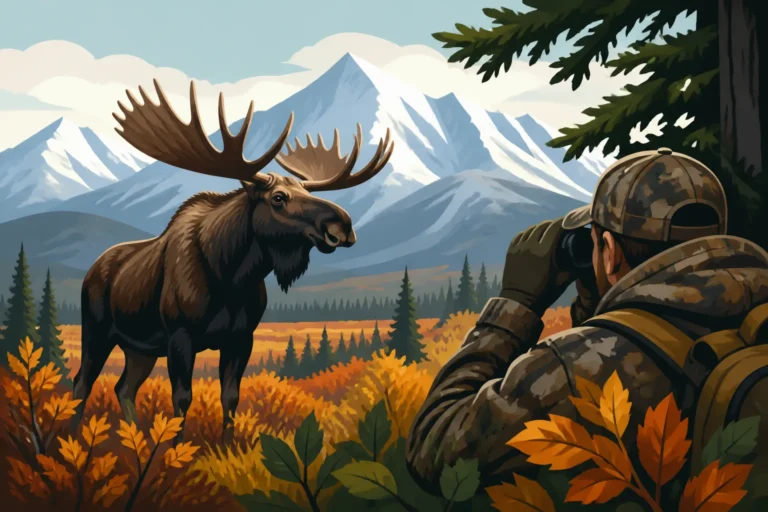
Once you’ve made a calling sequence, shut up and listen. Don't call again for at least 15-20 minutes, sometimes longer. Use your binoculars or spotting scope to pick apart the brush. Look for subtle movements: a flick of an ear, a patch of dark hide, the glint of an antler. A bull might approach silently, or he might offer a soft grunt in response. If he grunts, try to gauge its intensity and direction. If he sounds far off, you might try a slightly louder sequence. If he sounds close and hesitant, go even softer, perhaps just raking. Remember, the early rut is about coaxing, not forcing. When "Reading Sheep Country From a Glassing Knob," we often emphasize patience, and that same principle applies when waiting for a bull to commit.
Common Mistakes and How to Avoid Them
Even experienced hunters can fall into common traps when calling moose in the early rut. This period demands a unique blend of patience, subtlety, and keen observation. Overlooking these aspects can quickly lead to frustrated silence or, worse, a spooked bull disappearing into the timber.
Overcalling and Aggressive Tactics
The most frequent mistake I see hunters make in the early rut is treating it like the peak rut. They start with loud, urgent cow calls and aggressive bull grunts, hoping to draw in a bull quickly. However, a bull that isn't fully hormonally charged is far more likely to be put off by this intensity. It signals an immediate confrontation or a level of rutting activity he's not yet prepared for.
Instead of drawing him in, overly aggressive calling often makes him hang up, circle widely, or simply retreat. He might think, "That's a lot of action, and I'm not ready for that fight," or "Something isn't quite right here." Remember, you're trying to appeal to curiosity and territoriality, not necessarily a breeding frenzy. Keep your calls subdued, natural, and spaced out. Don't feel pressured to constantly make noise. Silence, combined with patience, can often be your most powerful tool. Consider the advice in "When Bulls Stop Answering Calls in September" – often, it's because the calling was too much, too soon.
Ignoring Wind and Terrain
It's astonishing how often hunters neglect basic woodsmanship when they get excited about calling. The wind and terrain are your biggest allies or your worst enemies. A bull moose, especially an early rut bull, will almost always try to circle downwind to get a sniff of whatever is making the noise. If your setup doesn't account for this, he'll bust you every time.
Before you even make your first call, assess the wind direction. Set up with the wind quartering to you or directly in your face, allowing any approaching moose to come into view before they can scent you. Use terrain features to your advantage: position yourself on a slight rise to see further, or use dense timber for concealment. Never call from an open area if you can help it. Think about the approach route a bull might take and ensure you have clear shooting lanes within ethical range. Many hunters use sophisticated tools like those from GoHunt to map out wind direction over terrain, helping them choose the perfect calling spot. This forethought about how a moose might approach is as critical as the calls themselves.
Underestimating the Importance of Set-Up
Your physical setup on the ground is just as vital as your calling technique. It's not enough to just make sounds; you need to be ready for a bull to show up at any moment, and sometimes, from an unexpected direction. This means being concealed, having clear lines of sight, and ensuring you have an ethical shot.
Find a spot with good cover that breaks up your outline. Kneeling or sitting against a tree or thick brush can make you virtually invisible. Clear any brush or debris around your feet that might make noise if you need to shift position. Identify potential approach corridors for the bull and mentally mark ranges within those lanes. If you’re hunting with a partner, communicate your plan beforehand: who will call, who will shoot, and which areas each hunter will cover. Being ready means having your rifle or bow in a ready position, not leaning against a tree. Every second counts when a bull finally commits and emerges from the cover. Making sure you're positioned to take "Shooting Positions on Alaska Tundra and Sidehills" into account can be the difference between a successful hunt and a missed opportunity.
Here’s a quick summary of early rut calling elements:
| Call Type | Purpose (Early Rut) | Intensity | Best Use Scenario |
|---|---|---|---|
| Cow Moans | Inquisitive, announcing presence, seeking | Soft to Medium | Initial calls, drawing curiosity, casual communication |
| Bull Grunts | Locator, soft challenge, establishing presence | Low to Medium | After cow calls, responding to distant grunts, suggesting another bull is nearby |
| Raking/Rubbing | Territorial challenge, visual/auditory realism | Varied | Simulate bull activity, challenge rivals, break silence after calls |
| Patience | Allowing bulls to investigate, circling | High | Crucial after all call sequences, waiting for cautious bulls to commit |
| Observation | Reading bull's mood, subtle movements | High | Continual scanning, using optics, adjusting sequence based on response |
Disclaimer
Hunting in Alaska is an inherently risky activity. The information provided in this guide is for informational purposes only and is not a substitute for professional guidance, thorough preparation, or adherence to all state and federal hunting regulations. Always prioritize safety, understand local laws, and be prepared for challenging wilderness conditions.