Timeline for Getting an Alaska Mount Back
Oh, the joy of a successful Alaska hunt! The rush of taking that bull moose, the awe of seeing your Dall sheep ram up close, or the sheer adrenaline of a brown bear. You've done the hard part, the heavy lifting, the days of effort in unforgiving country. But then comes another kind of wait, one that can feel just as long: the period between dropping off your trophy and actually getting your finished mount back on the wall. It’s a common frustration, and frankly, the timeline for getting an Alaska mount back can stretch far longer than many hunters anticipate. This guide is here to shed some realistic light on why it takes so long, what factors are at play, and what you can do to manage your expectations and ensure your precious trophy gets the treatment it deserves.
Understanding the Factors That Influence Your Mount's Timeline
It's easy to imagine a taxidermist as someone who just "stuffs" an animal, but the reality is a highly skilled craft involving intricate knowledge of anatomy, artistry, and meticulous preservation. When you add the unique challenges of Alaska hunting, from remote locations to specialized shipping, that timeline can really start to balloon. Understanding these influencing factors is key to not feeling utterly frustrated during the waiting period.
Initial Field Care and Preservation
The journey of your trophy from a living animal to a wall mount begins the moment it hits the ground. What you do, or don't do, in the field dramatically impacts the taxidermist's workload and, consequently, your timeline. Think about it: a hide that's been properly caped, fleshed, and salted in camp is a world apart from one that arrives at the taxidermy shop hair-slipping or freezer-burnt because it wasn't cared for correctly.
For big game like a moose or a bear, Cape Care for a Life-Size Bear Mount is an enormous task, often involving a precise cut, meticulous fleshing to remove all meat and fat, and then thorough salting. If you skimp on this crucial first step, your taxidermist has to spend extra, billable hours correcting issues, re-fleshing, and perhaps even dealing with hair slippage or other damage that could have been prevented. This isn't just about cost; it adds significant time. A taxidermist would much rather receive a perfectly prepared cape that they can immediately put into their preservation process than spend days trying to salvage one. Similarly, proper Skull Plate Removal for Sheep Horns for a Dall sheep means the horns are ready for the next stage without requiring extensive cleaning and preparation by the taxidermist. Rushing this process in the field or not having the right tools can lead to complications, or simply more work for the shop.
Shipping Logistics from Remote Alaska
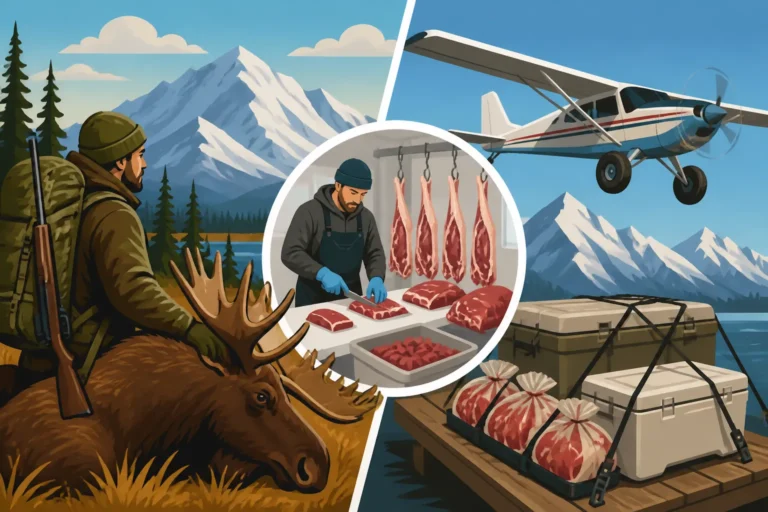
Alaska isn't exactly known for its sprawling highway system, is it? Most prime hunting grounds are truly off the grid, accessible only by bush plane or boat. This remote nature creates a whole host of logistical hurdles for getting your trophy out of the field and to the taxidermist. Imagine you've just taken a beautiful caribou deep in the Brooks Range. First, you need to get that hide, skull, and antlers (if you choose to take them) back to base camp. Then, an air taxi flies it to a hub like Fairbanks or Anchorage. From there, it needs to be shipped to your chosen taxidermist, who might be hundreds or even thousands of miles away in another state, or simply across Alaska.
Weather delays are a constant factor with bush flights. That perfectly salted hide sitting at an airstrip for three extra days because a storm has grounded all planes is a very real scenario. Then, there are the rules for Getting Horns and Antlers Home on a Plane or Shipping an Alaska Bear Hide to a Taxidermist. Special crates, proper packaging, and adherence to airline regulations are critical. Sometimes, a hide must be frozen solid for shipment, which means finding commercial freezers and arranging specialized freight. All these steps add days, weeks, or even months to the overall timeline, especially if there are any hiccups along the way. Your transporter will often help coordinate, but it's still a complex dance involving multiple parties.
The Taxidermist's Workload and Process
Let's face it, good taxidermists are often busy, and for good reason—their work is in high demand. Reputable shops, especially those known for high-quality Alaska big game mounts, frequently have a backlog of projects. This isn't a sign of inefficiency; it's a sign of their expertise and popularity. Many taxidermists operate on a first-come, first-served basis, and if they're already booked out for 12-18 months, your new project simply slots into that queue.
Beyond the queue, the taxidermy process itself is far from instant. It involves multiple stages, each requiring precision and time. From the initial fleshing and preparing for tanning, to the actual tanning process (which might be done in-house or outsourced to a specialized tannery, adding more travel and time), to selecting the right form, mounting, and finally, the painstaking detail work and drying. A large life-size bear mount, for instance, requires exponentially more time and attention than a simple European skull mount. The sheer scale and complexity of Alaska trophies, like a full-shoulder moose or a life-size brown bear, mean that these projects inherently take longer than smaller, more common game animals.
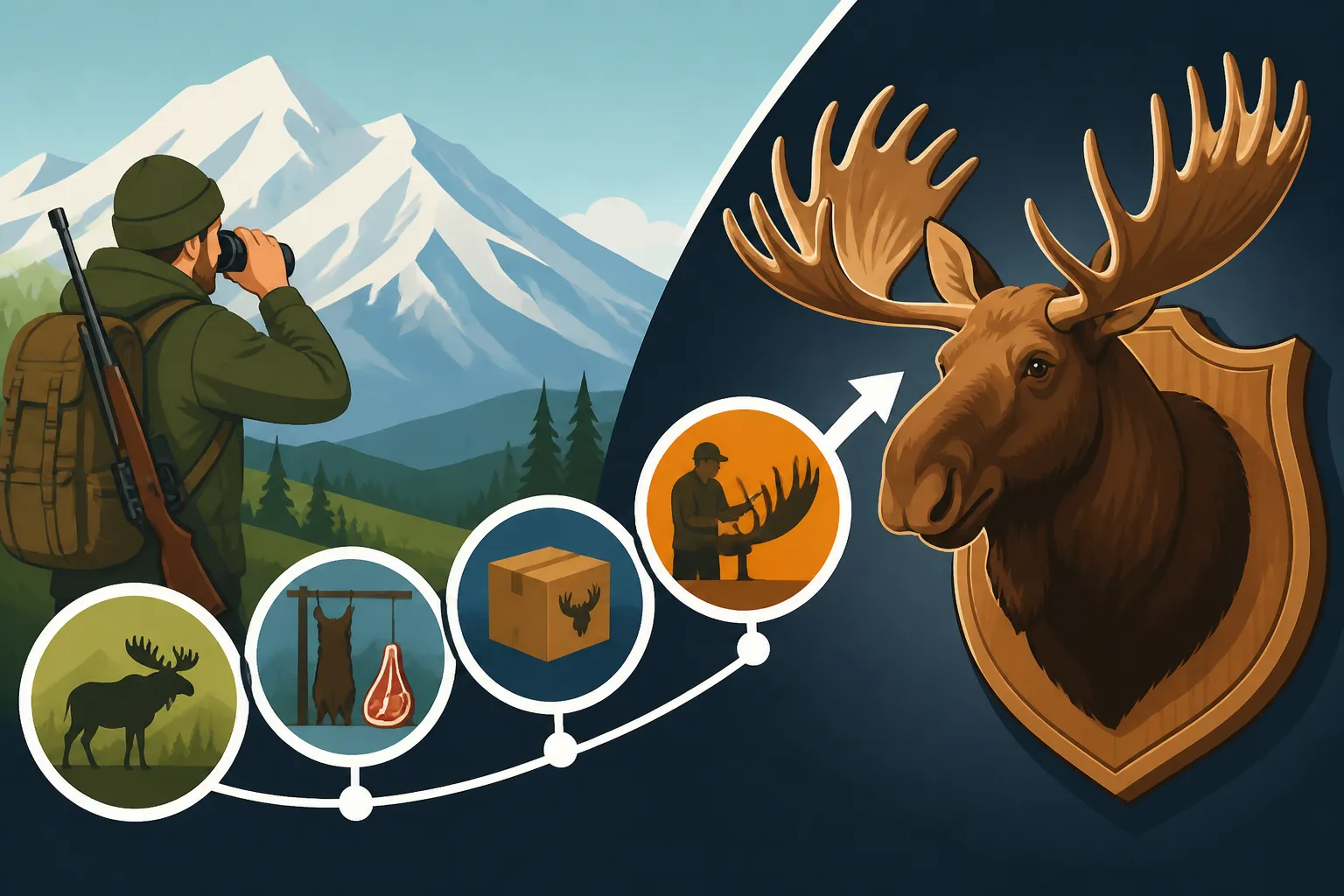
The Typical Workflow: From Field to Finish Line
So, what actually happens to your trophy once it leaves your hands and arrives at the taxidermist's shop? It's a structured, multi-stage process, and understanding each step can help you appreciate why that "quick turnaround" simply doesn't exist for quality work.
Initial Processing and Tanning Prep
Once your hide, cape, or skull arrives at the taxidermy shop, the first order of business is inspection and initial processing. The taxidermist will carefully examine the condition of the hide, looking for any issues that arose during field care or transit. Any remaining flesh or fat must be meticulously removed in a process called fleshing. This is crucial for preventing hair slippage and ensuring the tanning chemicals can penetrate evenly. If the hide wasn't properly salted in the field, it will need further salting and drying before it can move on. Many taxidermists will then put the hide through a pickling process, which helps to preserve it further and prepare it for tanning.
Tanning is perhaps the most critical step in preserving the hide and ensuring its longevity. Some taxidermists have in-house tanneries, which can slightly reduce transit time, but many excellent shops send their hides out to specialized commercial tanneries. These tanneries are experts at converting raw hide into soft, pliable, and durable leather. This process involves a series of chemical baths and mechanical processes that can take several weeks to a few months, depending on the type of hide and the tannery's workload. The time spent at the tannery is often one of the largest contributors to the overall waiting period, and it's entirely out of the taxidermist's direct control once the hide leaves their shop.
Mounting and Finishing Touches
Once the tanned hide returns to the taxidermist, the real artistry begins. This is where your animal starts to take shape again. The taxidermist will select a form that matches the size and desired pose of your trophy. These forms are typically made of polyurethane foam, and they might require significant alteration or even custom sculpting to perfectly fit your hide and achieve a lifelike representation.
The hide is then meticulously fitted onto the form, a process that requires a skilled hand to ensure every fold, muscle, and detail is positioned correctly. This stage involves a lot of sewing, pinning, and adjusting. The eyes, nose, and mouth are carefully set to capture the essence of the animal. This is not a fast process; it's detailed, artistic work. After the hide is mounted, the taxidermist will spend time on "finishing touches," which includes painting around the eyes, nose, and mouth to create a natural, vibrant look. They'll also groom the fur or hair, ensuring it lies correctly and has the proper texture. For antlered or horned game, the skull plate is attached securely, and any necessary repairs or detailing to the antlers/horns are completed. You can imagine the level of precision needed to restore a brown bear's expression or the majestic stance of a Dall sheep ram.
Curing, Drying, and Final Inspection
After the mounting and finishing work is complete, the mount isn't ready for your wall just yet. It needs to go through a crucial curing and drying phase. This involves placing the mounted trophy in a controlled environment to allow the hide to completely dry and set in its new form. This isn't just about surface drying; it's about allowing all moisture to evaporate from the hide and the underlying materials. Depending on the size of the mount and the ambient conditions, this drying process can take several weeks to many months. Rushing this stage can lead to problems down the road, such as shrinkage, cracking, or even mold growth.
During this drying period, the taxidermist will often perform periodic inspections, making minor adjustments as the hide settles. Once fully cured and dry, the mount undergoes a final, thorough inspection. The taxidermist checks for any imperfections, ensures all details are correct, and gives it one last grooming. It's during this phase that they also prepare it for transport, whether that's crating it up for shipping or simply making it ready for client pickup. This is the moment when all the hard work culminates, and your stunning Alaska trophy is finally ready to come home.
Managing Expectations and Staying Informed
Given the complex nature of taxidermy, especially with large Alaska game, it's really easy to feel like you're in the dark or that your mount has been forgotten. That's why managing your expectations from the outset and maintaining open communication with your taxidermist are absolutely vital.
Communicating with Your Taxidermist
The key to a less stressful waiting period is proactive and realistic communication. When you first select a taxidermist – and choosing a good one, perhaps through recommendations from outfitters listed on platforms like BookYourHunt or through research on GoHunt, is paramount – discuss their estimated turnaround times. Ask about their current backlog, whether they do tanning in-house or outsource it, and what typical delays they experience. Get a clear understanding of the full process. It’s important to remember that these are estimates; unforeseen circumstances, such as equipment breakdowns, staffing changes, or issues with a particular hide, can always add time.
During the waiting period, it's perfectly acceptable to reach out for updates, but try to be mindful of their busy schedule. A good approach might be to ask for an update every few months, rather than weekly. Remember, every call or email they answer takes time away from working on mounts. Many taxidermists are happy to share progress photos once the mount is in the artistic stage, which can be incredibly exciting. When you're making your initial decision, perhaps through contacts you found via Choosing a Taxidermist in Alaska, always ask about their preferred communication method and how often you can expect to hear from them.
Planning for Pickup or Shipping
As your mount nears completion, the taxidermist will contact you to arrange for pickup or shipping. This is where logistical planning becomes critical again. If you're picking up locally, ensure you have a vehicle large enough for your trophy – a life-size bear mount or a large moose shoulder mount takes up serious space!
If you're having it shipped, be prepared for additional costs and coordination. Shipping large, delicate taxidermy mounts requires specialized freight services. The taxidermist will likely build a custom crate to protect your trophy during transit. This crating can be a significant expense itself, both in materials and labor. Freight costs vary widely based on size, weight, and destination. Make sure you understand these potential costs upfront. Discuss insurance options for shipping, too, as accidents can happen. For those who used a guide, remember to clarify what Trophy Care Included in the Guide Fee covers regarding the initial preparation and whether they assist with later shipping arrangements to your taxidermist. Sometimes, even getting your trophy from a remote bush plane landing to a major shipping hub requires careful planning, which an experienced outfitter can facilitate. This aspect of Meat and Trophy Shipping From an Alaska Camp is often underestimated by hunters unfamiliar with the challenges.
Here’s a quick overview of the timeline factors:
| Factor | Impact on Timeline | Hunter's Control |
|---|---|---|
| Field Care Quality | Poor care adds time for taxidermist corrections | High |
| Shipping from Alaska | Weather delays, limited flights, special packaging | Low (manageable) |
| Taxidermist Backlog | Good shops have long queues (6 months to 2+ years) | Low (pre-booking) |
| Tanning Process | In-house vs. outsourced, tannery workload (weeks to months) | Low |
| Mounting Complexity | Life-size vs. shoulder mount, animal type (more complex = longer) | Low |
| Curing & Drying | Essential, cannot be rushed (weeks to months) | None |
| Communication | Clear expectations, realistic updates | High |
The wait for your Alaska trophy can indeed feel agonizingly long, stretching from a year to even three or more for complex projects with highly sought-after taxidermists. But remember, this extended timeline is often a testament to the quality and meticulous care involved in transforming your raw trophy into a lasting piece of art. By understanding the intricate steps, practicing excellent field care, and communicating effectively with your chosen taxidermist, you can navigate this waiting period with patience and excitement, knowing that your incredible Alaska hunting memory is being immortalized for generations to come.
Disclaimer
This article is for general informational purposes only and does not constitute professional advice. Laws, prices and regulations vary by location and change over time. Consult a qualified professional for guidance on your specific situation.