Non-Hunting Companions in Camp
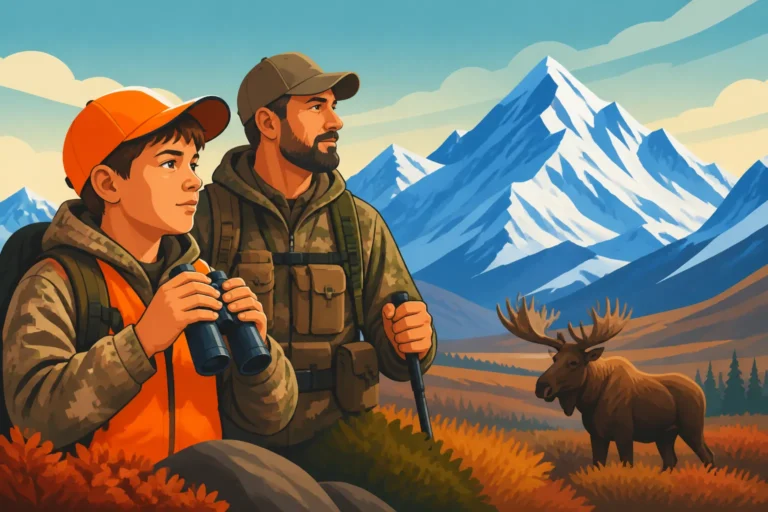
It's an understandable dream for many hunters: sharing the profound experience of an Alaska wilderness hunt with a loved one, a close friend, or even a child. You picture them sitting by the fire, soaking in the vast silence, or perhaps even witnessing the culmination of a hard-won stalk. But the reality of bringing a "non-hunting companion" into a remote Alaska hunting camp is far more complex than simply adding another person to the roster. This isn't a casual camping trip, and the regulations, logistics, costs, and safety considerations are paramount. This guide will help you navigate the often-tricky waters of bringing non-hunting companions into an Alaska hunting camp, clarifying the rules and what you can realistically expect.
The Basics: Defining Roles and Understanding Regulations in Camp
The first hurdle to clear when considering a non-hunting companion is understanding the legal and practical distinctions between a hunter and someone who is simply "along for the ride." In Alaska, these lines are drawn quite clearly, and misunderstanding them can lead to serious complications for both you and your outfitter.
Hunter vs. Non-Hunter Definition
Legally, a "non-hunting companion" is someone who does not possess a hunting license and tag for the species being pursued, and critically, does not participate in the active pursuit, taking, or assisting in the taking of game. This might sound straightforward, but the nuances are important. For instance, a non-hunter generally cannot carry a firearm in the field unless they are also licensed to hunt and are legally participating in their own hunt for another species. This means in bear country, a non-hunter is often unarmed, relying entirely on the hunter or guide for protection.
Furthermore, "assisting in the taking" is a broad term. While a non-hunter can certainly help with general camp chores like cooking or setting up tents, they typically cannot actively spot game for you, drive animals, or carry a hunting weapon to or from the field. Helping pack meat once an animal is down, if they are not carrying a weapon or actively involved in the hunt itself, can sometimes be permissible, but this varies by specific regulation and the guide's interpretation and explicit permission. It's not a given, and you absolutely need to clarify this upfront. A non-hunter is essentially a spectator, and their actions must reflect that status to avoid legal issues.
Guide Requirements and Non-Hunters
For non-resident hunters in Alaska, certain species like brown bear, Dall sheep, and mountain goat legally require the use of a registered guide or a resident relative within the second degree of kindred. This requirement adds another layer of complexity when you introduce a non-hunting companion. The guide-to-client ratio is usually set for hunting clients. A non-hunter typically does not count towards this ratio as a hunter, but their presence still impacts the guide's attention, resources, and camp logistics.
When you're looking into Hiring an Alaska Registered Guide-Outfitter, it's crucial to understand how your guide views and accommodates non-hunters. Some guides are set up for it and charge a daily rate for these companions, while others simply cannot or will not. A guide’s primary responsibility is to their paying hunting client and to ensure a safe and legal hunt. A non-hunter, even a well-intentioned one, can be an added variable. If you require a guide for your hunt, their policies on non-hunting companions are non-negotiable. Always ask for specifics and get any agreements in writing.
Land Use Rules and Camp Composition
Alaska's vast landscape is a mosaic of different land ownerships: state, federal (like national parks, preserves, refuges, and forests), and Native Corporation lands. Each of these land types can have its own specific rules regarding access, camp size, duration of stay, and who can be present. For instance, hunting is prohibited in National Parks but allowed in National Preserves. However, even within a preserve, there might be specific guidelines about camp setup or the number of people allowed.
If you're planning a trip with an air taxi or a Alaska Transporters and What They Legally Provide to a remote area, you need to understand the land status of your proposed camp spot. A non-hunting companion, especially if they are part of a larger group, could push your camp beyond a permissible size or duration on certain land parcels. For example, some wildlife refuges might have stricter rules about group sizes or impact. Always consult the Alaska Department of Fish and Game regulations for your specific Game Management Unit and verify land ownership with tools like the Bureau of Land Management (BLM) land status maps or the state's online mapping resources. This due diligence ensures your camp composition is legal and doesn't infringe on any specific land use regulations.
Practical Considerations for Bringing a Non-Hunting Companion
Once you've navigated the legal landscape, the practical realities of bringing a non-hunting companion to a remote Alaska camp come sharply into focus. Alaska is an extreme environment, and what might seem like a minor addition elsewhere can become a significant challenge here.
Logistics and Costs
Adding another person to a remote Alaska hunt has a ripple effect on logistics and, most significantly, on cost. Every pound of gear, every meal, every inch of space in a bush plane or raft translates directly into more expense.
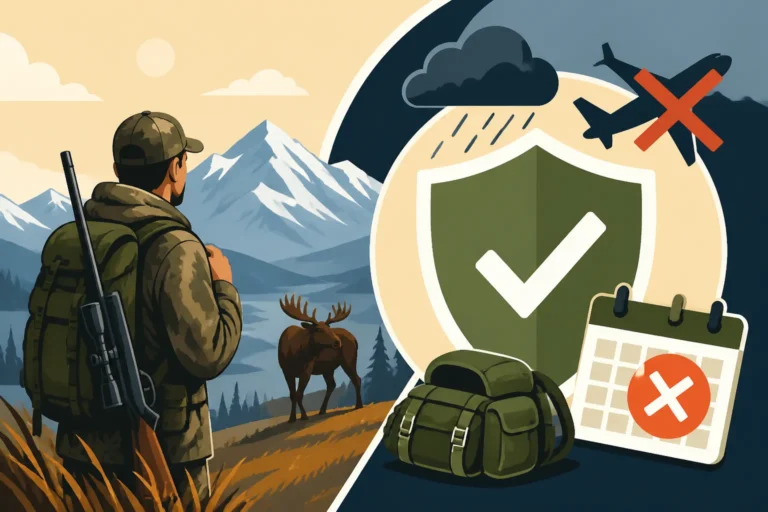
Consider the flight to and from your remote camp. Bush planes, whether wheeled or float-equipped, have strict weight and space limitations. An extra person, plus their personal gear, means either more expensive "deadhead" flights, where the plane flies empty one way to get to you, or requiring multiple trips. This isn't just a minor surcharge; it can easily add hundreds, if not thousands, of dollars to your overall trip budget. Air taxi services charge by the hour or by the load, and an additional person pushes those limits. Even with a float hunt, a second non-hunter means more food, more personal gear, and potentially a larger raft or more trips. Your guide or transporter will almost certainly charge a daily rate for a non-hunting companion, covering their food, camp space, and the general overhead of having another person in a very expensive operation. This needs to be factored into What an Alaska Guided Hunt Price Includes and thoroughly discussed. When checking potential outfitters, platforms like BookYourHunt often detail these additional costs or allow you to ask specific questions about non-hunter rates.
Safety and Comfort in a Remote Setting
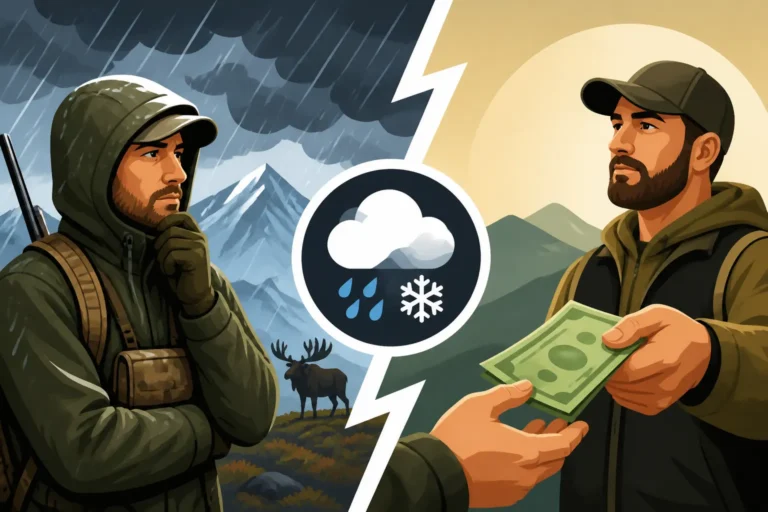
Alaska's wilderness is not for the faint of heart, and this applies doubly to non-hunting companions who might not be as mentally or physically prepared as a hunter. The challenges are numerous: extreme weather changes, rough terrain, freezing river crossings, and the ever-present reality of dangerous wildlife.
A non-hunter needs to be physically fit enough to keep up, potentially hike long distances over uneven ground, and contribute to camp setup and maintenance. They also need significant mental fortitude. There's no cell service, no immediate medical help, and often days of relentless rain or cold. Boredom can set in if the hunting action is slow, and discomfort is a constant companion. Furthermore, bear safety is a critical concern for everyone in camp. If your non-hunter cannot carry a firearm, they are completely reliant on others for protection. Discussing Bear Safety While Butchering a Kill in Alaska or simply moving through the country becomes an even more serious matter. Is your companion prepared to deal with these realities without becoming a liability? It’s not about being a burden; it’s about ensuring everyone’s safety and well-being in a place that demands constant vigilance.
Impact on the Hunting Experience
Let's be brutally honest: a non-hunting companion can, and often will, impact the hunting experience. A hunter's focus must be absolute, from the pre-dawn glassing sessions to the arduous stalks. The guide's priority is facilitating the hunter's success.
A non-hunter might unintentionally create noise, movement, or scent that spooks game. They might get cold, tired, or bored at a critical moment, forcing a premature end to a stalk or glassing session. While a companion might intend to be supportive, the intense focus, patience, and silent communication required for a successful hunt can be easily disrupted by someone who isn't fully immersed in the process. It's vital to have an open, honest conversation with both your potential companion and your guide about these realities. The guide's perspective is particularly important, as they understand the delicate balance required. Asking a guide for references from past clients can also help you gauge their experience with non-hunting guests and manage expectations.
Communicating with Your Guide/Transporter About Non-Hunters
The success of bringing a non-hunting companion, or even deciding if it's feasible, hinges entirely on clear, open, and early communication with your guide or air transporter. This isn't a detail to spring on them a month before the trip.
Upfront Disclosure is Key
This cannot be stressed enough: disclose your intention to bring a non-hunting companion at the very first point of contact with any potential guide or air taxi. Do not wait until after you've booked, put down a deposit, or are planning the gear list. Their ability to accommodate an extra person directly impacts their availability, pricing structure, logistics, and even the permits they hold for operating on specific lands. Many guides or transporters are simply not set up for non-hunting guests, or they may have strict limitations due to the size of their equipment (e.g., small bush planes) or the remote nature of their camps.
If you're using platforms like GoHunt to research outfitters, make this question a priority when you're initially reaching out. A transparent conversation from the outset will save everyone a lot of heartache, potential financial loss, and logistical nightmares down the road. It allows the outfitter to give you an accurate quote and assess if their operation can genuinely support an additional person safely and effectively.
Defining Roles and Expectations
Once you've found an outfitter willing to accommodate a non-hunting companion, the next step is to meticulously define roles and set clear expectations for everyone involved. This includes you, your companion, and the guide.
- For the Companion: What can they realistically do in camp? Can they help with chores like cooking, fetching water, or gathering firewood? Are they expected to stay in camp while the hunter is out, or can they accompany the hunter (and guide, if applicable) on certain activities, perhaps with specific distance or noise restrictions? Can they carry a camera and take photos, but not actively spot game? Can they assist with Quartering a Bull Moose Alone in the Field after the shot, or helping with the meat haul, as long as they are not involved in the actual taking of the animal? These are all questions that need explicit answers.
- For the Guide: Understand what the guide's responsibilities will be towards the non-hunter. Will they also be responsible for the non-hunter's safety in the field? What are the limitations on how much attention the guide can realistically divert from the hunt itself?
These conversations will shape the entire experience. It's about managing expectations so that nobody feels let down or put in a difficult position. The guide's expertise in these remote areas means their input on what is feasible and safe is invaluable.
Specific Agreements in the Contract
Never rely on verbal agreements, especially concerning such a significant aspect of a remote Alaska hunt. Ensure that all discussions and agreements regarding your non-hunting companion are explicitly detailed within your outfitter's contract.
This should include:
- Costs: The exact daily or flat rate for the non-hunting companion.
- Responsibilities: What duties, if any, the non-hunter is expected to perform, and what activities they are permitted or prohibited from doing in the field or camp.
- Logistics: How their presence impacts flights, gear allowances (e.g., Extra Charges for Overweight Gear), and camp arrangements.
- Safety Protocols: Any specific safety briefings or equipment requirements for the non-hunter. This also extends to medical preparedness, and it's wise to ensure your companion has appropriate Medical Insurance for Remote Alaska coverage.
A clear, written contract protects everyone. It ensures that there are no misunderstandings about costs, roles, or the impact of the non-hunter on the overall hunting experience. This document is your peace of mind and the foundation for a successful, shared adventure.
Alternatives to Bringing a Non-Hunter to a Deep Wilderness Camp
Sometimes, after weighing all the considerations, you might realize that a remote Alaska hunting camp isn't the ideal environment for your non-hunting companion. That doesn't mean they can't experience Alaska with you; it just means finding a more suitable way to combine your passions.
Road-System Base Camps
For many, the allure of Alaska is its wildness, but some hunting opportunities exist closer to civilization, often offering a more comfortable base camp experience. If your hunt allows for it, consider an area accessible by road, like those found along the Glenn or Richardson Highways, or near towns like Palmer or Fairbanks.
These "road-system" hunts can still offer incredible experiences for game like moose, black bear, or caribou, depending on the unit and season. The advantage is that a non-hunting companion can stay in a nearby lodge, cabin, or even a comfortable RV, with amenities like hot showers, reliable heat, and even cell service. You, the hunter, can then venture out for the day's hunt, returning to a more comfortable shared space in the evenings. This setup significantly reduces the logistical complexity, cost, and safety concerns associated with a deep bush camp. It allows your companion to enjoy the beauty of Alaska without enduring the extreme rigors of a spike camp.
Combining Hunting with Tourism
Alaska is a world-class destination for tourism, offering everything from glacier cruises and wildlife viewing tours to sportfishing and flightseeing. Instead of trying to force a non-hunting companion into a hunting camp, consider planning two distinct phases for your trip: a dedicated hunt for you, and a separate, more conventional tourism adventure that your companion can fully enjoy.
For example, you might book a Booking Lead Time for Brown Bear hunt with a guide in the Alaska Peninsula, and once your hunt concludes, meet your companion in a hub like Anchorage or Juneau for a week of exploring national parks, cruising the Inside Passage, or deep-sea fishing. This approach allows both parties to fully engage in their preferred activities without compromise. It also eliminates the stress of managing a non-hunter in a remote, high-stakes hunting environment, ensuring a more enjoyable and fulfilling experience for everyone. This can often be more cost-effective too, as non-hunting activities typically have more flexible pricing than adding a person to a bush flight hunt.
The "Wait at the Lodge" Option
Many Alaska hunting operations, particularly those catering to species like brown bear or Dall sheep, are structured around comfortable base lodges. These lodges often have amenities like warm cabins, hot meals, and even common areas where companions can relax, read, or enjoy the scenery while the hunter is in the field.
In this scenario, the non-hunting companion is present at the main base camp, but they don't necessarily accompany the hunter and guide into spike camps or on daily stalks. They can enjoy the remote atmosphere and the camaraderie of the lodge, perhaps taking short walks around the immediate area or engaging in other non-hunting activities offered by the lodge (e.g., fishing small streams nearby, photography from the lodge property). This arrangement strikes a balance, allowing your companion to share the overall experience and be present for the excitement of your departure and return, without actively participating in the often-demanding physical aspects of the hunt. Always check with the outfitter if they have such facilities and what the daily rates and activities might be for a non-hunting guest.
Ultimately, bringing a non-hunting companion to an Alaska hunting camp requires thorough planning, honest communication, and a clear understanding of the unique challenges and regulations of the Last Frontier. By addressing these factors proactively, you can ensure a safer, more enjoyable, and legally sound experience for everyone involved.
| Feature | Hunter's Role & Expectations | Non-Hunting Companion's Role & Expectations |
|---|---|---|
| Primary Purpose | Actively pursue, stalk, and harvest big game. | Observe, support, enjoy wilderness, but not participate in hunt. |
| Legal Requirements | Valid hunting license, tags for species being hunted, any required permits. | No hunting license or tags needed (unless pursuing own small game). |
| Weapon Carry | Carries appropriate firearms/bows for hunting. | Generally cannot carry a firearm unless licensed for own hunt/self-defense. |
| Field Participation | Active spotting, tracking, stalking, shooting. | No active involvement in spotting, stalking, or shooting game. |
| Physical Demands | Expected to be physically fit for strenuous activity, long hours, varied terrain. | Should be physically capable of camp life, potential short hikes, self-sufficiency in camp. |
| Safety Responsibility | Primary responsibility for own safety and that of companions (if designated). | Primarily reliant on hunter/guide for safety, especially in bear country. |
| Camp Contribution | Focus on hunt; may contribute to camp chores as time allows. | Often expected to help with general camp chores (cooking, water, fire). |
| Cost Implications | Pays for license, tags, guide/transporter fees for hunt. | Typically incurs additional daily fee for food, lodging, transportation. |
| Expectations | Success in the hunt. | Enjoyment of the wilderness, understanding hunt priorities, patience. |
Disclaimer
This article is for general informational purposes only and does not constitute professional advice. Laws, prices and regulations vary by location and change over time. Consult a qualified professional for guidance on your specific situation.