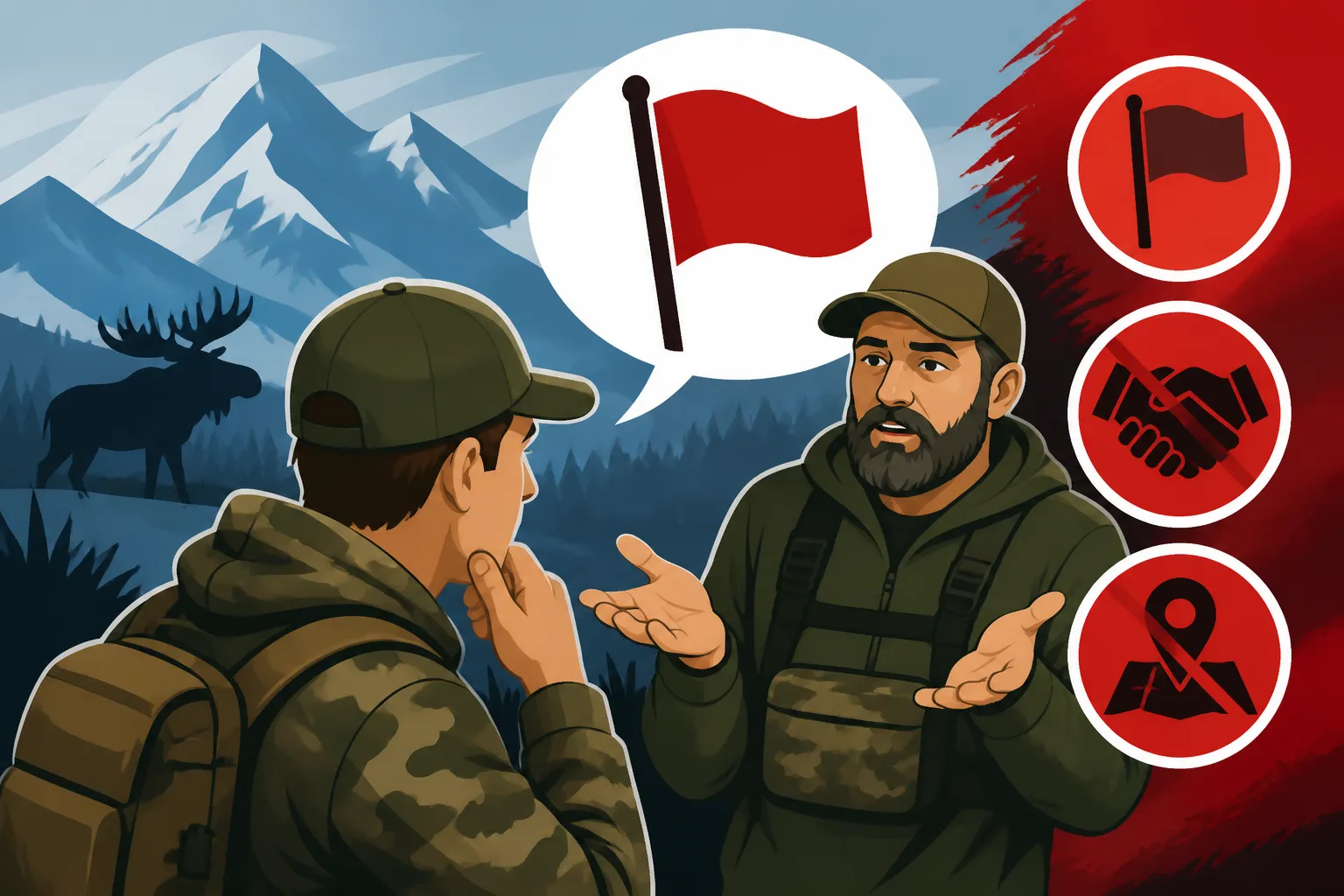
Red Flags in a Guide’s Answers
Planning an Alaska hunt is often a dream of a lifetime, a culmination of years of saving and anticipation. But that dream can quickly turn into a nightmare if you pick the wrong guide. The truth is, vetting an Alaska guide, especially when you're thousands of miles away, can feel like navigating a minefield. You're putting your trust, your money, and your precious hunting time into someone else's hands. This guide will help you spot critical "red flags" in a guide's answers, equipping you with the knowledge to make an informed decision and safeguard your hunt.
Vague or Evasive Responses to Direct Questions
One of the biggest indicators that something might be off with a guide is a general unwillingness to provide clear, direct answers to your inquiries. You’re asking for details, and you’re getting vague generalities or outright deflections. This isn't just annoying; it can be a sign that they're either inexperienced, disorganized, or perhaps even hiding something. A professional guide understands that clients need transparency and detailed information to feel confident.
Lack of Specifics on Logistics
When you’re planning a hunt in remote Alaska, logistics are everything. You need to know how you're getting into camp, what the camp setup will be like, who is doing the cooking, and the daily routine. If you ask about these fundamental details and get an answer like, "Oh, we'll figure it out," or "It's all part of the adventure," that should set off an alarm. While a certain amount of flexibility is always required in the bush, a guide should have a solid plan for transportation, camp infrastructure, and daily operations.
For instance, you might ask, "How do we get from the bush plane drop-off to the actual hunting area?" If the answer is "We walk," without any mention of pack animals, ATVs, or how far that walk might be, it leaves you with a huge unknown. This is especially critical for hunts like Dall sheep where physical demands are extreme, or for a moose hunt where Backpack Hunting in Alaska: Gear Weight and Meat Loads can be monumental. Clear communication on these points should be a standard expectation. Ask about specific flight providers, the type of aircraft, and potential alternatives in bad weather. If they can't tell you, it might mean they haven't booked anything concrete yet, which is a problem.
Furthermore, details about the actual camp setup are important. "What kind of tent will we be in? Is there a stove? What are the sleeping arrangements?" These aren't trivial questions. You're trying to gauge comfort, safety, and preparedness. A guide who says, "Don't worry, it's Alaska tough," rather than detailing tent sizes, heating sources, and cooking facilities might be glossing over a less-than-ideal setup. You want to know they've thought about your well-being, not just getting you into the field.
Dodging Questions About Success Rates or Client References
Every hunter wants to know a guide's success rate. It's a natural and fair question. If a guide consistently avoids giving you a straight answer, or offers highly generalized figures without any context (e.g., "Oh, we always do well," or "Our clients usually get something"), that’s a major red flag. Ethical guides will usually provide verifiable success rates, often broken down by species and year, and acknowledge that hunting is never a guarantee.
When you ask for references, a legitimate guide should be thrilled to provide them. If they say they "can't share client information" or only offer a single, hand-picked reference, push back. You need to speak with multiple recent clients who have hunted the same species in the same area with that specific guide. References From Past Clients are invaluable for getting an unbiased perspective on the guide's professionalism, camp conditions, and actual hunting experience. A guide who hesitates or makes excuses for not providing several recent, relevant contacts might be trying to prevent you from hearing negative feedback.
Some guides might point to online platforms like BookYourHunt or GoHunt, which can be useful resources for initial research, as they often compile reviews and provide contact information for guides. However, even if a guide is listed there, you should still request direct references. The anonymity of online reviews can sometimes mask underlying issues, or they might be outdated. Always do your due diligence and follow up personally.
Unclear Pricing or Hidden Fees
The financial aspect of an Alaska hunt is substantial, so clear and comprehensive pricing is non-negotiable. If a guide's answers about costs are vague, or if they seem to deliberately omit certain expenses, consider that a serious warning. You need to know exactly what is included in the base price and what additional costs you can expect.
For example, asking "What is the total cost for this hunt?" and getting an answer that only covers the guide fee, without mentioning crucial extras like transportation from the base town to the bush, licensing, tags, meat processing, or trophy shipping, is problematic. You should specifically inquire about things like:
- Bush plane fees (round trip, deadhead time, extra meat flights)
- License and tag costs for nonresidents (these can add up significantly, especially for animals like brown bear or Dall sheep)
- Food and lodging before and after the hunt
- Taxidermy or meat processing services
- Gratuities for guides and packers
- Potential overage charges for gear weight Extra Charges for Overweight Gear
- Satellite phone usage fees
A reliable guide will readily provide a detailed breakdown, often with a comprehensive contract. If they give you a round number and brush off your questions about potential add-ons with "We'll worry about that later," it’s a strong indicator that you might be hit with unexpected charges down the line. Remember, What an Alaska Guided Hunt Price Includes should be clearly outlined in any contract.
Inconsistent or Overly Optimistic Claims
Hunting in Alaska is tough, and it's essential to have realistic expectations. When a guide's answers paint an overly rosy picture, or contradict information you've gathered elsewhere, it’s time to be cautious. Honest guides are transparent about the challenges as well as the rewards.
Guaranteed Success or "Too Good to Be True" Promises
No ethical guide can guarantee success in hunting, especially for big game in Alaska. Animals are wild, weather is unpredictable, and success often depends on factors beyond anyone's control. If a guide makes promises like, "You are guaranteed to kill a Boone and Crockett moose," or "This unit has 100% success every year, no problem," you should be extremely skeptical. These are often sales tactics used by less reputable outfits.
Instead, a good guide will talk about opportunity, effort, and what they do to maximize your chances. They might discuss their historical success rates, the local game populations, and the conditions they typically encounter. They understand that What a Guide's Success Rate Actually Counts isn't a guarantee for your specific hunt, but a reflection of past performance and effort. Be wary of anyone who downplays the challenge or implies that success is a foregone conclusion. Alaska is rugged, and a truly great hunt is earned, not guaranteed.
Contradictory Information About Regulations or Area Knowledge
Alaska's hunting regulations are complex and can change. A guide should be an expert on the rules for their specific hunting unit and species. If you ask about specific regulations—like antler restrictions for moose, legal definitions for Dall sheep curls, or proper sealing requirements for bears—and receive vague, incorrect, or contradictory information, that’s a major red flag. Ignorance of regulations can lead to citations, confiscated trophies, or worse.
You might ask about Alaska Moose Antler Restriction Areas or Spike-Fork Legal Definition in Alaska and get an answer that doesn't align with the current Alaska Department of Fish and Game regulations. Or perhaps you inquire about public land access in a certain area and the guide provides information that clashes with maps or official land status records. They should also be well-versed in specific area knowledge, such as Guide Concessions on Alaska Federal Land or any unique restrictions within certain National Preserves. If they can't clearly articulate the boundaries, access points, or specific unit rules, it suggests a lack of familiarity with their own operating area. Cross-reference information you receive with official ADF&G sources.
Downplaying Physical Demands or Gear Requirements
Alaska hunting is physically demanding. Period. Even road-system hunts can involve significant walking through tough terrain. If you inquire about the physical conditioning required for a hunt, and the guide says, "Oh, it's an easy walk," or "Anyone can do it," especially for a sheep or goat hunt, that's incredibly misleading. This kind of answer can lead to dangerous situations, client frustration, and a ruined hunt if you're not prepared for the reality.
A responsible guide will be honest and upfront about Fitness Expectations on an Alaska Sheep Hunt or the general physical demands of any hunt. They will often provide a detailed gear list and discuss why certain items are essential. If you ask about Rain Gear Guides Actually Recommend for coastal brown bear, and they suggest something flimsy or easily available at a big box store, rather than recommending durable, waterproof systems designed for extended time in extreme weather, they might not understand the realities of the environment.
A common scenario: a hunter asks about a moose hunt, mentioning they have a bad knee. If the guide says, "No problem, we'll just sit by the river," but the hunt description usually involves extensive wading or traversing deep mud, that's a serious disconnect. An honest guide will qualify their answers, explaining that while they can try to accommodate, the nature of the terrain still presents challenges. They might even suggest specific physical preparation or alternative hunt options better suited to your condition.
Poor Communication and Professionalism
The way a guide communicates with you before you even book speaks volumes about their professionalism and how they will handle things once you're in the field. This goes beyond just the content of their answers; it's about the manner in which they interact.
Slow or Non-Existent Communication
You've sent an email, left a voicemail, or filled out an inquiry form, and days turn into weeks with no response. Or perhaps responses are terse, incomplete, or require multiple follow-ups for each piece of information. This is a classic red flag. While guides are often busy in the field, especially during peak season, they should have systems in place for timely communication. A lack of responsiveness before you've even committed funds usually indicates a lack of organization or respect for clients.
Consider how you would feel if this communication pattern continued during your hunt, or if there was an emergency. If they can't manage emails and calls now, how will they handle critical issues or check-ins when you're in a remote camp? When you're dealing with the complexities of travel and planning for an Alaska hunt, you need consistent and clear communication. If you're encountering prolonged silences, it's worth considering other options or sending a final, direct email stating your concerns and giving a clear deadline for a response.
Dismissive or Defensive Tone
Pay close attention not just to what a guide says, but how they say it. If your questions are met with a dismissive tone, as if you're bothering them, or if they become defensive when you press for details, it's a significant warning. You are paying for a service, and you deserve respectful, thorough answers. A guide who gets agitated when asked about references, insurance, or specific logistical details might be hiding insecurities or deficiencies in their operation.
For instance, if you ask about their emergency plan for a remote injury and they respond with "That's never happened," instead of detailing their satellite communication devices, first aid training, and evacuation protocols, that's a defensive and unacceptable answer. Good guides welcome questions because they want to ensure their clients are fully informed and prepared. They'll patiently explain the nuances of their operation and the challenges of hunting in Alaska. A dismissive attitude suggests they prioritize their convenience over your safety and peace of mind.
Negative Talk About Other Outfitters or Clients
Professionalism dictates that guides maintain a positive and respectful demeanor, even when discussing competitors or past clients. If a guide spends a significant amount of time badmouthing other outfitters, blaming past clients for failed hunts, or complaining excessively about the Alaska Fish and Game Department, take note. While some frustration is understandable, a consistent pattern of negativity reflects poorly on their character and can be a sign of deeper issues.
This behavior can indicate a lack of accountability. If they're quick to blame others, they might not take responsibility for their own mistakes or shortcomings during your hunt. You want a guide who focuses on solutions and maintaining a professional atmosphere, not someone who thrives on gossip or negativity. Remember, you’re looking for someone who inspires confidence and respect, not someone who airs grievances. A good guide will focus on their program and what they can offer you, rather than tearing down others. It's often said, "If they're talking negatively about others, they'll talk negatively about you."
What to Do When You Spot Red Flags
Spotting these red flags isn't about instantly dismissing a guide; it's about pausing and digging deeper. Your money, your time, and your dream hunt are on the line.
Ask Follow-Up Questions and Document Everything
If you encounter a red flag, don't shy away from asking more specific follow-up questions. For instance, if success rates are vague, ask for numbers by species and year, and inquire about factors that influenced those numbers (e.g., weather, herd movements). If communication is slow, directly ask about their preferred method of contact and their typical response time. It's also critical to document all communications, whether by email or by taking notes during phone calls. This paper trail can be invaluable if disputes arise later, especially when reviewing Guide Contracts and Deposits in Alaska.
Verify Information Independently
Take the answers you receive and verify them. Check the Alaska Department of Fish and Game website for current regulations. Look up the guide's license status with the Alaska Big Game Commercial Services Board; Checking an Alaska Guide's Licence Status is a simple but crucial step. Call the provided references and ask pointed questions about the guide's temperament, the accuracy of their pre-hunt information, and how they handled challenges in the field. Resources like BookYourHunt and GoHunt might offer some initial verification, but never rely solely on third-party platforms for definitive answers.
Consult Others and Trust Your Gut
Talk to other experienced Alaska hunters. Join online forums or social media groups dedicated to Alaska hunting and ask for opinions on specific guides or areas. Sometimes, a guide might have a great reputation for one species but a poor one for another. Finally, trust your gut feeling. If something feels off, even if you can't quite articulate why, it's usually worth exploring other options. A healthy hunter-guide relationship is built on trust and clear communication, and if that foundation isn't there from the start, it's unlikely to improve. Choosing an Alaska guide is a huge decision, and your peace of mind is just as important as the potential for a trophy animal.
| Red Flag Category | Common Examples | Why It's a Problem |
|---|---|---|
| Vague Logistics | "We'll figure it out," "Part of the adventure," no specific plane/camp details | Disorganized, unprepared, potential hidden costs or discomfort |
| Dodging References/Success | "Can't share client info," "We always do well," no verifiable data | Hiding negative feedback, inflated claims, lack of transparency |
| Unclear Pricing | Omitting bush plane, tags, processing, tips, food costs | Unexpected expenses, feeling exploited, budgeting difficulties |
| Guaranteed Success | "100% kill rate," "Guaranteed trophy bull" | Dishonest sales tactic, unrealistic expectations, potential disappointment |
| Regulation Inconsistencies | Incorrect info on antler rules, sealing, land access | Risk of citations, legal trouble, jeopardizing your trophy |
| Downplaying Demands | "Easy walk," "Anyone can do it" for tough hunts, vague gear advice | Unpreparedness, safety risks, ruined hunt from physical limits |
| Slow Communication | Weeks for replies, terse answers, constant follow-ups | Disrespectful, disorganized, unreliable in emergencies |
| Dismissive/Defensive Tone | Annoyed by questions, blaming others, no emergency plan details | Unprofessional, lacks accountability, potential safety risks |
| Negative Talk | Badmouthing competitors or past clients | Unprofessional, lack of accountability, potential for future complaints |
Disclaimer
This article is for general informational purposes only and does not constitute professional advice. Laws, prices and regulations vary by location and change over time. Consult a qualified professional for guidance on your specific situation.