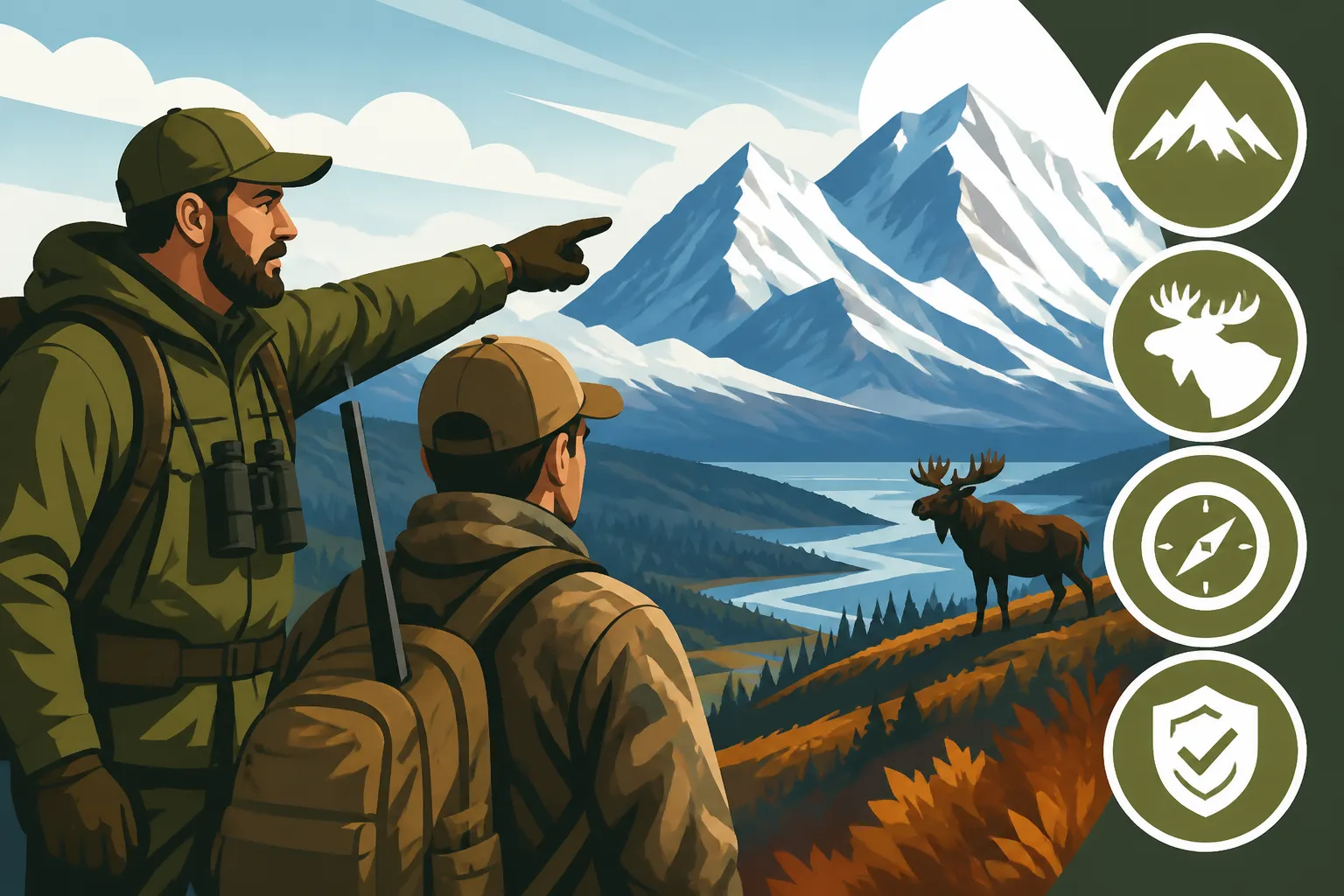
Why a Foreign Hunter Always Needs an Alaska Guide
One of the biggest hurdles that many international hunters face when dreaming of an Alaska adventure isn't just the sheer logistics or the vast distances involved; it's often a fundamental misunderstanding of the hunting regulations. For foreign hunters, the rule is crystal clear and non-negotiable: if you're coming to Alaska to hunt big game, you absolutely must have a licensed Alaska Registered Guide-Outfitter by your side. This isn't just a suggestion; it's the law, and missing this crucial detail can turn a dream hunt into a very expensive and disappointing experience. This guide will walk you through exactly why this rule exists, what it means for your hunt, and how to navigate the process to ensure a successful and compliant adventure in the Last Frontier.
The Legal Mandate: Alaska's Guide Requirement for Nonresident Aliens
It can be a little confusing trying to keep all the hunting regulations straight, especially when you're crossing international borders. Alaska has specific rules that distinguish between Alaska residents, U.S. nonresidents, and what are termed "nonresident aliens." This last category is where foreign hunters fall, and it carries with it a very strict guiding requirement that affects every aspect of your hunt.
Defining "Nonresident Alien" in Alaska Hunting Law
First, let's clarify who falls into this critical category. A "nonresident alien" in the eyes of Alaska's hunting regulations is simply someone who is not a resident of the United States. This includes citizens of Canada, Mexico, European countries, Australia, and indeed, any country outside of the U.S. It doesn't matter if you've hunted in other U.S. states before or if you have extensive experience in your home country; if you are not a U.S. citizen or a permanent resident, you are considered a nonresident alien for hunting purposes in Alaska. This distinction is paramount because it triggers the mandatory guide requirement.
The Universal Guide Requirement for Foreign Big Game Hunters
Here’s the absolute core of the matter: if you are a nonresident alien, you are legally required to employ the services of an Alaska Registered Guide-Outfitter to hunt any species of big game in Alaska. This isn't just for brown bears or Dall sheep, which famously require guides for all nonresidents. This mandate extends to moose, caribou, black bear, Sitka blacktail deer, and any other species classified as big game in the state.
Imagine planning your dream caribou hunt, envisioning a backpack trip through vast tundra. If you're coming from, say, Germany or the UK, and you assume you can hunt caribou unguided like a U.S. nonresident might, you're setting yourself up for a serious legal problem. The law is explicit: a licensed guide must accompany you in the field. This requirement ensures not only compliance with Alaska's wildlife management goals but also plays a vital role in hunter safety and ethical harvesting, particularly for those unfamiliar with Alaska's extreme conditions and unique hunting environment. It’s a foundational rule that every foreign hunter must understand and budget for right from the start. You can dive deeper into the general structure of these requirements with resources like Alaska's Brown Bear, Sheep and Goat Guide Requirement.
Beyond the Law: Why a Guide is Indispensable for Foreign Hunters
While the legal requirement is the primary reason foreign hunters need a guide, it's far from the only reason. Alaska is a unique and often unforgiving wilderness, and a guide brings a level of expertise, local knowledge, and logistical support that is truly indispensable, especially for someone unfamiliar with the territory.
Navigating Unfamiliar Terrain and Regulations
Alaska isn't just "big"; it's a mosaic of diverse landscapes, each with its own challenges and nuances. What might seem like a simple concept on a map can become a serious obstacle in person. This is doubly true for foreign hunters who might be accustomed to vastly different terrains and regulatory frameworks.
- Understanding the Landscape: From the dense coastal rainforests of Southeast Alaska to the vast, treeless tundra of the Arctic, or the rugged peaks of the Alaska Range, the topography alone presents immense navigational and physical challenges. A good guide doesn't just know where to hunt; they understand the micro-terrain, the prevailing winds, animal travel corridors, and safe routes through treacherous areas. They can read the land in a way that years of experience living and hunting here affords, something a foreign hunter simply cannot acquire from maps alone, no matter how detailed. This local knowledge is crucial for safety and success, especially when you consider that Alpine Navigation Without Cell Service is the norm in much of the state.
- Deciphering Regulations and Land Status: Alaska's hunting regulations are complex, often varying by Game Management Unit (GMU), subunit, and even specific land designations. Add to this the intricate patchwork of land ownership—state, federal, Native Corporation, and private lands—and it's enough to make anyone's head spin. For a foreign hunter, this complexity is magnified by potential language barriers and unfamiliar legal jargon. A guide acts as your expert interpreter, ensuring you understand and comply with everything from bag limits and season dates to specific antler restrictions or methods of take. They also possess intimate knowledge of Land Status in Alaska: State, Federal and Native Corporation, preventing accidental trespass or hunting in restricted areas. Online resources like GoHunt can provide excellent preparatory research on regulations and units, but nothing beats a guide's on-the-ground, real-time knowledge.
Safety in Remote and Dangerous Environments
Alaska's wild nature is its greatest allure, but it also presents significant risks. For those unfamiliar with these specific dangers, a guide is not just helpful; they are a critical safety component.
- Wildlife Encounters: Let's be honest, Alaska is bear country, and not just black bears. Coastal brown bears and interior grizzlies are formidable animals, and encounters are a real possibility, especially around kill sites. A seasoned guide understands bear behavior, knows how to minimize risk, and is prepared to handle dangerous situations. They carry appropriate deterrents and firearms, and critically, they know how to react calmly and effectively under pressure. You'll want to be familiar with Bear Safety While Butchering a Kill in Alaska well before your trip, but having an experienced guide is your best defense.
- Extreme Weather and Remote Conditions: Alaska's weather is famously unpredictable and can change dramatically in minutes. Sudden storms, plummeting temperatures, heavy rain or snow, and high winds are all common. Getting lost or injured in these conditions without proper gear and knowledge can quickly become life-threatening. Guides are equipped for these eventualities, carrying satellite communication devices, extensive first-aid kits, and the experience to make sound decisions about camp locations, travel plans, and emergency evacuations. They understand the nuances of survival in a place where self-reliance is not just a virtue, but a necessity.
- Medical Emergencies: Far from roads and hospitals, any medical emergency in the Alaskan bush can become critical quickly. Guides are trained in wilderness first aid and know how to initiate communication for medical evacuation, which often involves complex logistics with bush planes or helicopters. This expertise is a comfort that no amount of personal preparation can fully replace when you are literally days from the nearest medical facility.
Logistics and Local Knowledge
Hunting in Alaska, especially in remote areas, is an enormous logistical undertaking. A guide handles the incredible complexities that would overwhelm most foreign hunters attempting to plan such a trip on their own.
- Transportation Deep into the Bush: Getting to the prime hunting grounds often requires specialized transport, most commonly bush planes or jet boats. Guides have established relationships with reliable air taxi operators and know the safe landing strips or river conditions. They coordinate flights, weight limits, and pick-up/drop-off schedules. Understanding Fly-In Hunting: Working With an Alaska Transporter Pilot is essential, but a guide manages all these moving parts.
- Gear and Camp Management: What specific gear do you need for a September moose hunt versus a spring bear hunt? What kind of tent will stand up to Alaskan winds and rain? How do you set up a comfortable and safe camp in bear country? Guides provide or specify the right equipment, ensuring you're adequately prepared without overpacking unnecessary items. They handle camp setup, cooking, and the daily chores that allow you to focus on hunting.
- Game Location and Field Care: This is where the guide's hunting acumen truly shines. They spend countless hours scouting, monitoring game movements, and tracking conditions. They know the seasonal patterns, the preferred habitats, and even specific animals within a given area. Once an animal is down, their expertise in field dressing, quartering, and proper meat and trophy care (crucial for complying with Alaska Moose Meat Salvage Requirements) is invaluable, especially under challenging field conditions. This ensures not only legal compliance but also the preservation of your hard-earned trophy and meat. Websites like BookYourHunt are excellent starting points for connecting with guides who possess this crucial local knowledge and logistical capability.
The Process: Securing Your Alaska Guided Hunt
Given that a guide is a non-negotiable requirement for foreign hunters, understanding how to select and engage one is your next crucial step. This isn't just about finding a guide; it's about finding the right guide for your specific hunting ambitions.
Finding a Reputable Guide
Choosing a guide in Alaska is one of the most important decisions you'll make for your hunt. This person will be your legal guardian in the field, your safety officer, and your hunting partner.
- Vetting Potential Guides: Start by researching reputable guide-outfitters who specialize in the species and region you're interested in. Platforms like BookYourHunt are excellent resources for browsing guides, reading reviews, and connecting with professionals. Look for guides with years of experience, a strong safety record, and a proven track record of client satisfaction. Remember, you're not just buying a hunt; you're buying an experience and a partnership.
- Checking Licenses and References: Always verify that a guide is currently licensed and in good standing with the Alaska Department of Fish and Game and the Alaska Board of Game. This is a critical step to ensure you're working with a legitimate operator. Ask for references from past clients, particularly those from your home country or with similar hunting expectations. A good guide will be happy to provide these. Information on Alaska Guide Licensing: Assistant, Registered and Master can help you understand the different levels of certification.
- Asking the Right Questions: Don't be afraid to ask detailed questions about their hunting style, success rates (and how they define "success"), typical shot distances, camp conditions, and emergency protocols. Discuss the physical demands of the hunt to ensure it matches your fitness level. You'll also want to inquire about what happens in case of bad weather delays or if a particular area isn't producing game.
Understanding Guide Contracts and Costs
A clear understanding of the financial and contractual aspects of your guided hunt is vital to avoid any surprises.
- What to Expect in a Contract: A comprehensive guide contract should clearly outline the hunt dates, species, geographical area, included services (e.g., food, lodging, field care, transportation from a specific point), and excluded services (e.g., licenses, tags, trophy shipping, taxidermy, personal gear). It should also detail payment schedules, cancellation policies, and any provisions for unforeseen circumstances like severe weather. Don't hesitate to review resources like Guide Contracts and Deposits in Alaska to understand what should be included.
- The Shape of Costs: Guided hunts in Alaska represent a significant investment, reflecting the immense logistical effort, specialized equipment, guide experience, and the sheer remoteness of the areas involved. Expect costs to cover not just the guide's daily rate, but also air charter fees, food, camp equipment, fuel, and potentially assistant guides or packers. Trophy fees for additional animals (if permitted) are also common. While specific figures are always changing, generally, hunts for species like brown bear and Dall sheep are at the higher end of the scale, often requiring booking years in advance as detailed in Booking an Alaska Brown Bear Hunt Years Ahead. Always budget for your Nonresident Hunting License Costs in Alaska and species tags, which are separate from the guide's fee.
Preparing for Your Guided Expedition
Once you've booked your guide, the real preparation begins. This phase is about ensuring you're physically, mentally, and materially ready for the challenges of an Alaskan hunt.
- Physical Fitness: Many Alaskan hunts are physically demanding, involving strenuous hiking, climbing, and packing heavy loads over uneven terrain. Start a rigorous fitness regimen well in advance. Your guide will likely provide guidance on the level of fitness required.
- Gear Selection: Your guide will provide a detailed gear list, often with specific recommendations. Follow this list closely. Focus on layering systems for clothing, high-quality rain gear, and durable, comfortable boots that are well broken in. Don't skimp on optics or essential personal items. Referring to Gear Lists Alaska Guides Send Before a Hunt is a great starting point for understanding typical requirements.
- Communication with Your Guide: Maintain open and regular communication with your guide in the months leading up to your hunt. This allows you to ask questions, address concerns, and coordinate any final details. Your guide wants you to be successful and safe, and clear communication is key to achieving that. Leverage tools like GoHunt to deepen your understanding of the unit you’ll be hunting, terrain, and any last-minute regulation updates, which can spark informed questions for your guide.
Remember, as a foreign hunter, a guide isn't just a convenience or a luxury; they are your legal requirement, your safety net, and your best asset for a successful and memorable Alaskan hunting adventure.
| Hunter Category | Guide Required for ALL Big Game? | Can Hunt Brown/Grizzly Bear, Dall Sheep, Mtn. Goat, Muskox Unguided? | Can Hunt Moose, Caribou, Black Bear, Sitka Blacktail Deer Unguided? |
|---|---|---|---|
| Alaska Resident | No | No | Yes |
| US Nonresident | No | No (requires guide or 2nd-degree kindred relative) | Yes |
| Nonresident Alien | Yes | No (requires Registered Guide) | No (requires Registered Guide) |
Disclaimer
This article is for general informational purposes only and does not constitute professional advice. Laws, prices and regulations vary by location and change over time. Consult a qualified professional for guidance on your specific situation.