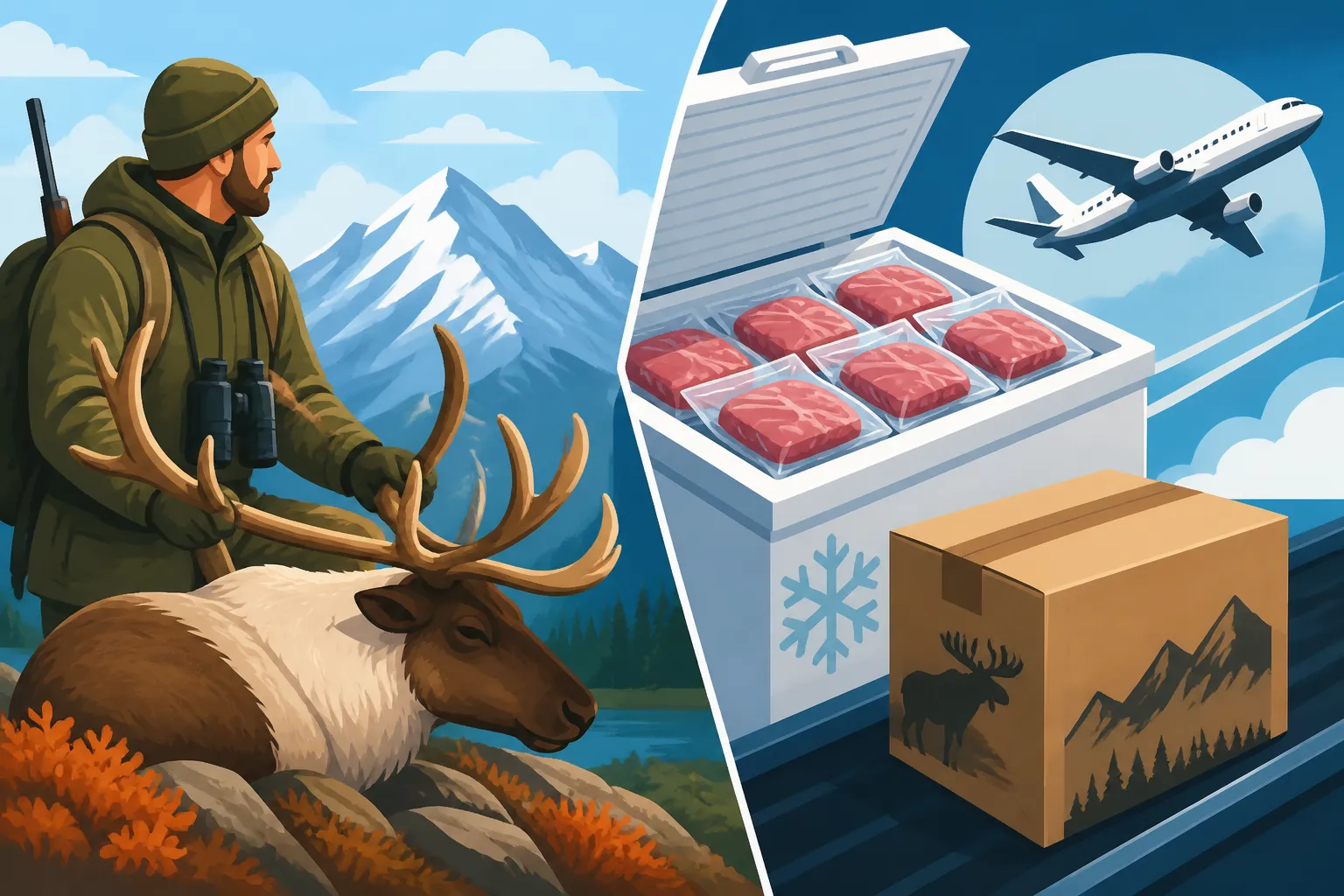
Freezing and Freighting Alaska Meat Home
After a successful hunt in the vast, wild landscapes of Alaska, one of the biggest challenges isn't always the stalk or the shot, but rather the monumental task of getting your hard-earned meat all the way back to your freezer at home. Many hunters arrive focused solely on the pursuit, only to be caught off guard by the logistics and sheer effort involved in preserving and shipping hundreds of pounds of prime wild game across immense distances. This guide is here to walk you through the essential steps, from initial field care to the moment those frozen packages arrive on your doorstep, ensuring your Alaskan harvest makes it home in top condition.
Initial Field Care: The Absolute Foundation for Quality Meat
Let's be honest, the moment an animal hits the ground, the clock starts ticking. All the effort you put into field care directly impacts the quality of the meat that ends up on your dinner table months later. This isn't just about following regulations; it's about respect for the animal and ensuring you get the most out of your incredible experience. Many a hunt has been soured by improper meat handling, and in Alaska's often remote and challenging conditions, this step is paramount.
Rapid Cooling in the Field
Alaska's unpredictable weather can throw anything at you. You might be hunting in chilly late September, or you might find yourself in an unseasonably warm spell where temperatures soar into the 50s. The immediate goal is to get that carcass cooled down as quickly as possible. This means gutting the animal promptly, often removing the hide, and then quartering it to allow air to circulate around the muscle tissue. Leaving an animal whole or unskinned, especially if it's lying on the ground, traps heat, leading to rapid bacterial growth and spoilage.
If you've just dropped a moose in a thick spruce bog, getting it to a cooler, open spot is critical. Often, this involves a lot of sweat and maybe even some creative use of tarps or sleds. Once quartered, prop the meat up on logs or hang it from a sturdy branch, ensuring it's off the warm ground. Even on a cool, windy day, the internal temperature of a large animal can remain dangerously high for hours. We've written extensively on Hanging Meat in Warm September Weather and Cooling a Carcass Before the Flies Find It, so be sure to check those out for more specific strategies.
Choosing the Right Game Bags
Forget about old flour sacks or thin pillowcases. Investing in high-quality game bags is non-negotiable for an Alaska hunt. You need bags that are breathable, durable, and large enough to accommodate substantial pieces of meat like an entire moose quarter. Good game bags protect the meat from flies, dirt, and debris, while still allowing it to breathe and cool. Synthetic, washable bags are often preferred over cotton for their strength and ability to resist moisture while still being breathable.
Imagine wrestling a hind quarter up a steep hill or loading it into a small bush plane; cheap bags will tear, exposing your meat to the elements and potentially attracting unwanted attention from scavengers. You want bags that can stand up to the abuse of wilderness travel. We've talked about Game Bags That Breathe in Coastal Rain before, which is especially important if you're hunting the wet regions of Southeast Alaska or the Alaska Peninsula.
Protecting Meat from Elements and Predators
Once you've got your meat quartered and bagged, the battle isn't over. You're in Alaska, which means bears are always a concern. If you're establishing a temporary meat cache, it absolutely must be out of bear reach. This often means hanging it high in a tree, slung between two trees, or building a sturdy pole cache well off the ground. In some areas, electric fences are becoming a common and highly effective tool for Bear Fence Setup at a Meat Cache.
Beyond bears, you need to protect your meat from rain, sun, and even magpies or ravens, which are surprisingly persistent. A simple tarp draped over hung quarters can shield them from direct sun and precipitation, just be sure it still allows for air circulation. Remember, even a small amount of spoilage on the exterior can penetrate deep into the muscle, compromising the entire quarter. This is especially true if you're stuck in camp for a few extra days due to weather, waiting for your pickup.
Getting Meat from the Bush to a Freezer
So, your meat is cooled and protected. Now comes the often-complicated process of transitioning it from the remote kill site to a proper cold storage facility or processor in a town. This stage introduces logistical challenges that require careful planning and often, additional resources.
Transporting from Spike Camp to Base Camp
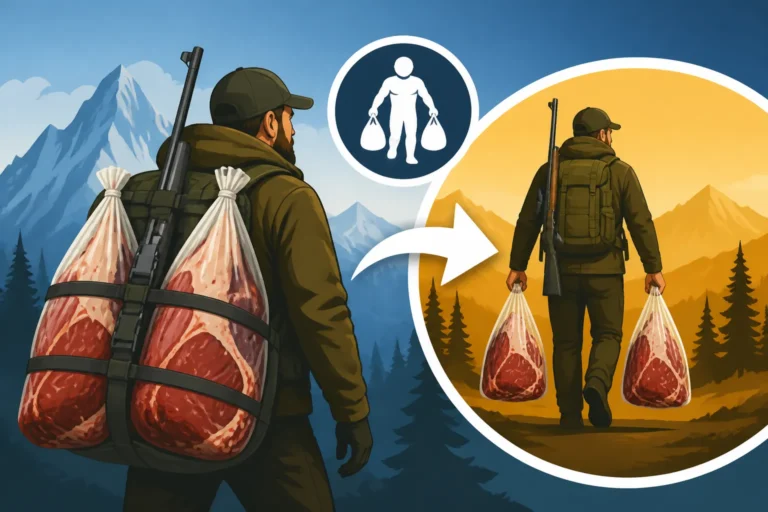
Whether you're backpacking a Dall sheep out of the mountains or using an ATV to haul moose quarters back to your primary camp, moving meat from the immediate kill site to a more accessible staging area is often the first significant hurdle. For backpack hunters, this means heavy loads. A single hindquarter of a large moose can weigh well over 100 pounds, and a full ram can easily be 70-80 pounds of bone-in meat, cape, and skull. Understanding Backpack Hunting in Alaska: Gear Weight and Meat Loads is crucial for these situations.
For those using vehicles or pack animals, planning your route and ensuring you have the capacity to move everything in one or two trips is key. Time spent hauling back and forth often means more time your meat is exposed to warmer temperatures or potential scavengers. This is where pre-scouting and having a robust recovery plan pays off immensely.
Arranging Air Taxi or Boat Transport
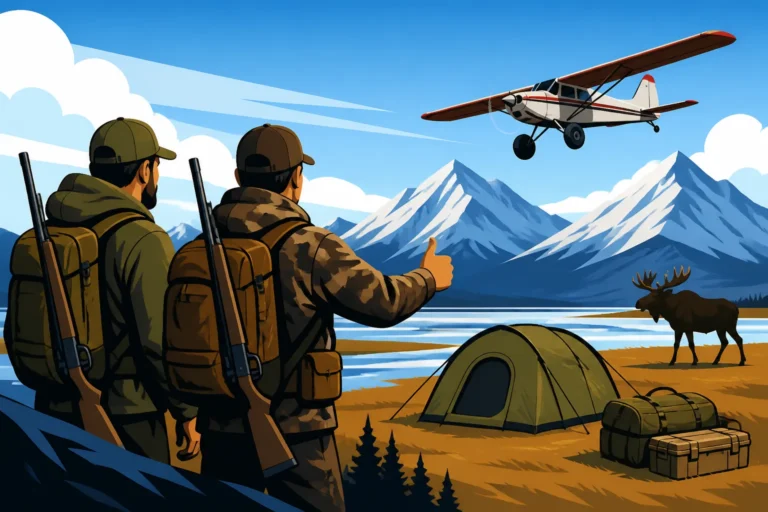
For many Alaska hunts, particularly fly-in or float hunts, your air taxi or boat charter is your lifeline to civilization. Coordinating meat pickup with your pilot or boat captain is essential. They need to know the volume and weight of meat you'll have, as this directly impacts their load planning and fuel consumption. You'll likely pay extra for additional trips to haul out your meat, often at an hourly rate or per pound. Don't be surprised by "deadhead" time, where the pilot flies empty to pick you up or to return to base.
It’s crucial to have a clear communication plan with your transporter. Signal Devices and Check-In Plans for Solo Alaska Hunts are not just for your personal safety, but also for coordinating your meat pickup. If your hunt yields a large bull moose, which can provide How Much Meat an Alaska Bull Moose Yields (often 500-800 pounds of boneless meat), you might require multiple plane loads. Be upfront with your air taxi service about these possibilities when booking. Professional outfitters like those you might find through BookYourHunt or GoHunt often have established relationships with air taxis and can help manage these logistics, but the ultimate responsibility for communicating your needs usually falls to the hunter.
Temporary Storage in a Bush Community
Sometimes, weather or flight schedules mean your meat needs to sit for a day or two in a small bush community before it can be flown to a larger hub like Anchorage or Fairbanks. Many small villages have limited facilities, but some might have a community freezer or a local air cargo office with cold storage capacity. It's wise to research these options beforehand, or ask your air taxi service for recommendations.
Understand that these facilities are not always equipped for long-term storage or processing, and space can be limited, especially during peak hunting seasons. Be prepared to pay a fee for temporary storage. Have your meat clearly labeled with your name, phone number, and any flight information. Even a short delay in getting meat into proper cold storage can impact quality, so this is where thorough planning saves you headaches and heartache.
Freezing Your Alaskan Harvest
Once your meat reaches a larger town, the real work of preparation for its long journey home begins. This stage is all about proper freezing and packaging to maintain quality during transit.
Finding a Processor or Cold Storage Facility
In larger Alaskan cities or even some regional hubs, you'll find professional meat processors or cold storage facilities that cater specifically to hunters. Places like Palmer, Wasilla, Fairbanks, and Anchorage have businesses that specialize in cutting, wrapping, and freezing wild game. These services are invaluable, especially if you're a nonresident. They understand the nuances of Alaska's game and the requirements for shipping.
These facilities will typically charge by the pound for processing, and often have additional fees for vacuum-sealing, grinding, or making specialty products like sausage. Many also offer freezer space rental for a period of time, which can be a lifesaver if you have a few days before your freight flight. Look for processors that specifically mention experience with game meat, as they'll know how to handle it for optimal quality and shipping.
The Importance of Flash Freezing
You can't just throw hundreds of pounds of meat into a regular freezer and expect it to freeze quickly and evenly. Slow freezing creates larger ice crystals, which can damage meat fibers and lead to "freezer burn" and a less palatable product. Flash freezing, where meat is rapidly frozen at very low temperatures, minimizes ice crystal formation, preserving the texture and flavor of the meat much better.
Professional cold storage facilities have commercial freezers capable of flash freezing. This is a critical step before freighting. When your meat is frozen solid, like a brick, it will hold its temperature much longer during transit. If it's only partially frozen or still soft when it leaves Alaska, it risks thawing and spoiling en route.
Packaging for Long-Haul Travel
Once frozen, the packaging becomes vital. Vacuum-sealed packages are superior for preventing freezer burn and keeping moisture in. These individual packages are then typically placed into sturdy, insulated containers for shipping. Cardboard boxes, even heavy-duty ones, are generally not enough on their own.
You'll want to use insulated fish boxes, heavy-duty coolers, or specialized game shipping containers. Many processors can provide these, or you can purchase them. The goal is to create a thermal barrier around the frozen meat. Label each box clearly with your name, contact information, the contents (e.g., "Moose Meat – Front Quarter"), and your destination address. Make sure the boxes are taped securely with heavy-duty packing tape. The last thing you want is a container bursting open during transit. This robust packaging is what will truly protect your Moose Versus Caribou Meat Comparison from the rigors of travel.
Freighting Your Frozen Meat Home
This is often the final, most complex hurdle. Getting hundreds of pounds of frozen meat from Alaska to the Lower 48 (or beyond) requires careful coordination with freight companies and an understanding of regulations.
Shipping Options: Air Cargo vs. Insulated Containers
You generally have two main options for freighting your meat:
- Air Cargo: This is the most common and often fastest method. Major airlines offer cargo services out of Anchorage and Fairbanks. You'll drop off your well-packaged, frozen meat at the cargo terminal, and it will typically fly on a commercial passenger plane's belly cargo hold, or on a dedicated freighter. This is often more expensive than ground shipping but drastically reduces transit time, minimizing the risk of thawing.
- Specialized Insulated Containers/Reefer Trucking: For very large quantities or certain destinations, you might look into specialized reefer (refrigerated) trucking services. This is less common for individual hunters but could be an option if you're consolidating a massive amount of meat with other hunters, perhaps organized through services like GoHunt or BookYourHunt. This is generally slower but can be more cost-effective for bulk shipments.
When considering options, always factor in the time of year. Shipping in the dead of winter often means colder transit temperatures, reducing thaw risk. In warmer months, faster transit and better insulation become even more critical.
Airline Regulations for Frozen Game Meat
Every airline has specific rules for shipping frozen game meat. These are crucial to understand before you show up at the cargo terminal. We have a dedicated article on Airline Rules for Frozen Game Meat, but here are the general points:
- Packaging: Most airlines require meat to be frozen solid and packed in leak-proof, insulated containers. Styrofoam coolers are usually acceptable if taped securely, but hard-sided coolers offer better protection.
- Weight Limits: Each box will have a maximum weight limit, often 50-70 pounds, to ensure it can be handled by cargo loaders. Exceeding this will either incur extra fees or require you to re-pack.
- Dry Ice/Gel Packs: Some airlines permit dry ice or gel packs, while others strictly forbid dry ice due to hazmat regulations. Always confirm this with your chosen carrier. If allowed, dry ice is excellent for keeping things frozen, but it requires special handling and proper ventilation.
- Labeling: Clear labeling with your name, address, contact number, contents, and any relevant hunt/tag numbers is usually required.
- Documentation: Have all your hunt permits, harvest tickets, and tag information readily available, as cargo staff may ask to see them.
Don't assume anything. Call the airline's cargo department directly several weeks before your anticipated departure to confirm their exact requirements.
Preparing for Customs and Inspections
For most hunters within the United States, shipping game meat across state lines doesn't involve "customs" in the international sense. However, you should always be prepared for potential inspections by wildlife officials or agricultural departments. Ensure all meat is properly tagged or identified with its source.
If you are a nonresident alien hunter, or shipping internationally, the process becomes significantly more complex, involving import permits, health certificates, and potentially CITES documentation for certain species (though most common Alaskan game does not fall under CITES restrictions for personal consumption). This requires early and thorough research with both Alaskan authorities and the receiving country's import regulations.
Estimating Freight Costs and Logistics
Freight costs can add a significant chunk to your overall hunt budget. Air cargo is typically priced by weight and sometimes by volume. A 500-pound moose meat shipment could easily run into several hundred dollars, or even over a thousand, depending on the distance and carrier.
- Get Quotes: Call multiple airlines' cargo departments for quotes. Prices can vary.
- Consolidate: If possible, consolidate shipments with hunting partners to potentially save on base fees or minimum charges.
- Time it Right: Factor in time for processing, freezing, and dropping off at the cargo terminal. Most cargo operations require drop-offs several hours before the flight.
- Pickup at Destination: You'll need to arrange for immediate pickup at your destination airport's cargo facility. Meat won't sit around in a refrigerated locker indefinitely. Be ready to pick it up as soon as it arrives to prevent thawing.
Think of it as the final, crucial leg of your hunt. You've invested so much time, effort, and money into your Alaskan adventure; don't let poor planning for freezing and freighting compromise the quality of your magnificent harvest. Proper care, from field to freezer, ensures that every bite brings back the memories of that incredible Alaskan wild.
Disclaimer
This article is for general informational purposes only and does not constitute professional advice. Laws, prices and regulations vary by location and change over time. Consult a qualified professional for guidance on your specific situation.