Alaska Air Taxi Hourly Rate and Round-Trip Cost
Planning an Alaska hunt is an exhilarating prospect, but one of the biggest unknowns, and often the most intimidating line item on the budget, is figuring out the real cost of getting into and out of the backcountry. You hear about hourly rates and round-trip fees, but what do those figures actually encompass? This guide will demystify the air taxi pricing structure in Alaska, helping you understand the variables, anticipate potential hidden costs, and budget confidently for your remote adventure.
Deconstructing the Alaska Air Taxi Hourly Rate
When you first start looking into an Alaska fly-in hunt, the air taxi will typically quote you an hourly rate. It sounds straightforward enough, right? Just multiply the flight time by the hourly rate. But the reality is a bit more nuanced than that. This hourly figure isn't just about the plane being in the air; it's a comprehensive charge that covers a multitude of operational expenses. Understanding what truly makes up this rate is the first step in accurately budgeting your trip.
What "Hourly Rate" Truly Means
The "hourly rate" an Alaska air taxi quotes you is essentially the meter running from the moment the engine fires up for your specific charter until it's shut down at the destination. This includes not just the actual flight time, but also crucial ground time like taxiing to the runway, loading and unloading gear, and even brief idle periods. For most clients, this will be a "wet rate," meaning the cost of aviation fuel is already baked into that hourly figure, saving you the headache of calculating it separately, especially with Alaska's fluctuating and often high fuel prices.
A critical component of this hourly charge that often surprises new backcountry hunters is what's known as "deadhead time" or "positioning flights." If your chosen drop-off point or pick-up location isn't right next to the air taxi's home base, the plane has to fly empty to get there. For instance, if your planned pick-up is two hours away from the air taxi's airfield, you're usually paying for those two hours of flight time before the pilot even gets to you. This ensures the operator is compensated for the full operational cost of getting their aircraft to where it needs to be for your charter. Always clarify this aspect when getting a quote, as it can significantly impact your total bill.
Factors Influencing the Base Hourly Cost
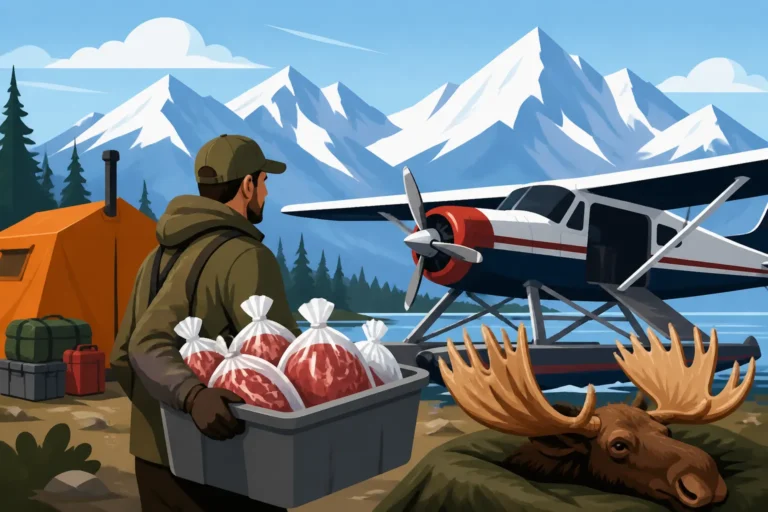
Several factors contribute to the specific hourly rate you'll be quoted. Firstly, the type of aircraft you need plays a huge role. A nimble Super Cub, ideal for tight, short strips or solo hunts, will typically have a lower hourly rate due to its smaller fuel consumption and operational costs. However, it also has very limited cargo capacity, often meaning Weight Limits on a Super Cub Drop are quickly met, potentially requiring more trips for larger kills. In contrast, a larger De Havilland Beaver or Otter, capable of hauling multiple hunters and substantial gear, will command a higher hourly rate, but might prove more economical per person or per pound of gear for a larger party on a moose hunt. A Cessna 185 often strikes a good balance between capacity and versatility, making it a popular choice.
Beyond the aircraft itself, the air taxi operator's overhead directly influences their rates. This encompasses everything from ongoing maintenance and rigorous safety inspections to insurance premiums (which are substantial for bush planes), hangar fees, and, of course, pilot wages. An air taxi with a long-standing reputation for meticulous aircraft maintenance and highly experienced, safety-conscious pilots will understandably have higher operational costs, and those costs are reflected in their hourly charges. When you're searching for operators, perhaps even browsing through vetted listings on a platform like BookYourHunt, you'll often see this correlation between a solid reputation and their pricing structure.
Finally, geography and market competition also play a part. Air taxis operating out of larger hubs like Anchorage might have different cost structures than those based in smaller, more remote communities, simply due to differences in local fuel prices and access to maintenance facilities. In areas with numerous operators, competition can lead to more competitive pricing. Conversely, in highly specialized or particularly remote niches, fewer options might mean less price flexibility. It's always wise to compare quotes, but remember that the lowest price isn't always the best value when it comes to safety and reliability in the Alaskan bush.
Understanding Round-Trip Costs and Hidden Fees
The "round-trip" cost might seem like it should be straightforward—just the flight out and the flight back. But in the world of Alaska air taxis, it's rarely just a simple multiplication. Hunters often overlook the intricacies of multiple flight legs, the impact of significant gear, and the ever-present wildcard of Alaska's weather. These elements can significantly inflate your initial estimate if not properly anticipated.
The Out-and-Back Equation
A typical "round-trip" for an air taxi service involves more than just two flights. Consider the sequence: the plane flies from the base to your drop-off point, then usually returns empty (that "deadhead" flight again) to the base. When it's time for your pick-up, the plane flies empty from the base to your pick-up point, and then finally flies you, your gear, and your hard-earned meat back to base. That's at least four distinct flight legs contributing to your total cost, even for a single drop and pick-up. Each of these segments is factored into the total "round-trip" calculation.
Furthermore, most air taxi operators have a minimum flight time charge, regardless of how short a leg might actually be. For example, if your drop-off point is only 30 minutes from their base, you might still be charged for a full hour of flight time. This policy ensures that the operator covers the fixed costs associated with firing up the aircraft and scheduling the pilot, even for quick hops. If you're planning a hunt with potential mid-trip moves, perhaps to a different spike camp location after an initial drop, each of those "moves" becomes an additional set of flight legs with its own minimum charges. It's vital to discuss any multi-leg scenarios with your air taxi operator upfront to get a clear picture of the total cost.
Weight, Weather, and Waiting: Unexpected Cost Drivers
The biggest factor that turns an estimated round-trip cost into a much larger bill is almost always the amount of gear and meat. Every aircraft has strict weight and balance limitations for safe operation. For a large animal like a moose, especially if you're a two-person party with all your camp gear, it's highly probable you'll need at least one extra flight for the meat, if not more. This means extra flight hours and additional cost. It's not just about the weight of your meat; it's the combined weight of your tent, sleeping systems, stove, fuel, food, optics, and personal items. Smart hunters spend considerable time considering Backpack Hunting in Alaska: Gear Weight and Meat Loads to minimize their footprint and potential flight costs.
Then there's the ever-present Alaskan weather. It's notoriously unpredictable, and a clear, sunny forecast can turn into days of rain, fog, or high winds in a matter of hours. If a storm rolls in and grounds planes, delaying your scheduled pick-up, you might incur charges for those extra days the plane might have had to wait, or for the pilot's multiple attempts to reach you. More importantly, you'll need to be prepared with extra food and fuel in your camp. This is precisely why it's so crucial to budget for Building Extra Days Into a Fly-In Schedule and have a buffer of supplies. Many operators also have "waiting fees" if you're not ready at the agreed-upon pick-up time, or if the pilot has to circle due to localized ground fog at your camp. Time is literally money for an air taxi, and delays impact their entire schedule. Finally, in truly remote areas, a pilot might need to fly fuel out ahead of time to service a specific location, a "fuel caching" flight that would add another chargeable leg to your trip. Be sure to ask about all potential Second Trip Charges for Meat Hauling as well.
Budgeting for Your Air Taxi
Budgeting for an Alaska air taxi isn't just about getting a quote and doubling it. It requires foresight, an understanding of potential contingencies, and a willingness to communicate openly with your chosen operator. Skipping these steps can lead to unpleasant financial surprises and undue stress during what should be an incredible hunting experience.
Planning for the "What If" Scenarios
The golden rule of budgeting for an Alaska air taxi is to always build in a contingency fund. Alaska is wild, and things rarely go exactly as planned. Bad weather can ground planes for days, a trophy animal might go down in a particularly challenging spot far from your camp, or you might even experience an unexpected gear failure that requires an early exit. These "what if" scenarios can add extra days to your trip and, consequently, extra costs to your air taxi bill. A good practice is to set aside an additional 15-20% of your estimated air taxi cost specifically for these unforeseen circumstances. This fund isn't just for potential flight delays; it can also cover unexpected Hotel Nights Before and After a Hunt in a staging town if your flights are pushed back.
For big game hunters, especially those targeting moose or large bears, budgeting for potential meat hauling is non-negotiable. While smaller aircraft like a Super Cub might struggle with even a single hunter's gear and a full moose load, even a larger Beaver might require an additional trip if you have two hunters, all their gear, and a bull moose. It's not just about the weight; getting meat cooled and to the air taxi base quickly can be crucial for salvage and quality, often meaning a trip sooner than your scheduled pick-up. Always discuss the logistics and potential Second Trip Charges for Meat Hauling with your operator well in advance, detailing your anticipated kill weight and number of hunters. Remember, spreading costs across a larger group can sometimes make a dedicated meat flight more palatable financially, but also means more gear in total.
Getting Accurate Quotes and Comparing Operators
To receive an accurate air taxi quote, you need to provide your operator with a detailed itinerary. This should include your precise preferred drop-off and pick-up locations (GPS coordinates are best if you have them), your exact dates, the number of hunters in your party, a realistic estimate of your total gear weight (including firearms and optics), and the species you intend to hunt. The more information you provide, the less guesswork the air taxi has to do, and the more precise their estimate will be.
Don't hesitate to ask specific, probing questions when comparing operators. Inquire about minimum flight times, how "deadhead" time is calculated, their policy on waiting fees, what happens in the event of weather delays, and any potential charges for extra trips. Transparency upfront is key to avoiding unwelcome surprises later. When researching, leverage resources like BookYourHunt or GoHunt, which may offer reviews or facilitate connections with reputable air taxi services. Word-of-mouth recommendations from other successful hunters are also invaluable. Finally, always get your final quote and any specific agreements in writing. A simple email exchange confirming details and costs is often sufficient but provides a clear record for both parties.
| Aircraft Type | Typical Hunter Capacity | Max Payload (Approx.) | Best For | Key Considerations |
|---|---|---|---|---|
| Super Cub | 1 (plus pilot) | 300-400 lbs | Solo hunts, tight backcountry strips, scouting | Smallest capacity, often needs multiple trips for larger game, less weather tolerant. |
| Cessna 180/185 | 2-3 (plus pilot) | 600-800 lbs | Small groups, moderate gear, diverse landing sites | Good balance of capacity and versatility, a common choice for many hunts. |
| De Havilland Beaver | 3-5 (plus pilot) | 1200-1500 lbs | Larger groups, heavy gear (e.g., moose hunts), float option | Higher hourly rate, needs longer strips or water landings, excellent for volume. |
| De Havilland Otter | 6-8 (plus pilot) | 2000-2500 lbs | Very large groups, expedition-style, heavy cargo | Highest hourly rate, requires specific, longer landing strips or substantial water bodies. |
Note: Capacities and payloads are general estimates and vary greatly by specific aircraft model, modifications, fuel load, and operator policy. Always confirm exact limitations with your chosen air taxi.
Working Effectively with Your Air Taxi Operator
Once you've selected an air taxi service, the relationship doesn't end there. Effective communication and preparation are paramount to a smooth operation, not only for your peace of mind but also for the pilot's ability to safely and efficiently execute your flight plan. Remember, they are the experts in flying the bush, and their judgment on safety, especially concerning weather, should always be respected.
Communication is Key for Smooth Operations
A thorough pre-trip briefing with your pilot is absolutely essential. Don't just book and then show up; have a detailed conversation well before your hunt. Discuss your specific hunting plans, including your target species, the general terrain of your hunting area, and your expectations for handling meat and trophies once a kill is made. This is also the ideal time to establish clear Signal Devices and Check-In Plans for Solo Alaska Hunts or group hunts, ensuring both you and the air taxi know the communication protocol, especially in areas without cell service.
Throughout your time in the field, maintaining in-field communication with your air taxi, typically via an InReach or satellite phone, is incredibly important. Stick to your agreed-upon check-in schedule. This isn't just for emergencies; it allows the air taxi to monitor weather conditions in your specific area, anticipate your readiness for pick-up, and adjust their schedule if necessary. If your plans change, even slightly – for instance, if you've moved your camp to a new location or you've made a kill that requires an earlier-than-scheduled pick-up – communicate this promptly. The more information they have, the better they can serve you.
Finally, remember that flexibility is a core tenet of Alaska hunting. The weather can change in an instant, and dense fog, high winds, or heavy rain can ground planes for days. Your pilot's primary concern is always safety – for themselves, their aircraft, and most importantly, for you. Never pressure them to fly in conditions they deem unsafe. Respect their judgment, even if it means delays to your plans. Embracing this flexibility will save you a lot of stress and ensure a safer, more enjoyable experience.
Preparing Your Gear for Bush Flights
Preparing your gear correctly for a bush flight is critical for maximizing space, adhering to weight limits, and ensuring an efficient loading and unloading process. Start by consolidating and packing smart: break down any large, cumbersome items, and utilize durable, flexible duffel bags over rigid containers that can be difficult to fit into the unique shapes of aircraft cargo holds. Clearly label everything with your name and contact information. Remember that weight is the ultimate arbiter on bush flights, so consider every item and its necessity.
Given that your gear might be shuttled in multiple loads, or that bad weather could strand you before all your supplies arrive, it's a smart strategy to pack a small, waterproof dry bag with your absolute critical essentials. This should include items like a basic shelter, your sleeping bag, a compact stove, essential first-aid supplies, and your satellite communication device. This ensures that even if you're dropped off and your main gear load follows on a subsequent flight, you have what you need for immediate survival and comfort.
For hunters targeting large game, proper meat and trophy preparation in the field is paramount. Discuss Quartering a Bull Moose Alone in the Field and Cape and Skull Care for a Brown Bear Hide protocols with your air taxi operator before your hunt. Some operators have specific preferences for how meat is bagged (e.g., breathable game bags versus heavy plastic), while others might have their own system for loading. The key is to cool your meat as quickly as possible and drain as much blood as you can. Not only does this preserve the quality of the meat, but it also reduces the overall weight, making it easier and potentially cheaper to fly out.
Disclaimer
This article is for general informational purposes only and does not constitute professional advice. Laws, prices and regulations vary by location and change over time. Consult a qualified professional for guidance on your specific situation.