How Guides Assign Camps and Hunting Areas
One of the most common anxieties for hunters heading into the vastness of Alaska is the unknown, especially when relying on an outfitter. You’ve booked your dream hunt, paid your deposit, and now you’re wondering: where exactly will I be hunting? What kind of camp will it be? How does my guide even decide this? This guide will pull back the curtain on how Alaska guides strategically assign hunting areas and set up camps, helping you understand the myriad factors that go into these critical decisions.
Understanding Guide Concessions and Operating Areas
It might surprise you to learn that an Alaska registered guide-outfitter can't just set up shop and hunt anywhere they please. The wilds of Alaska, while seemingly boundless, are managed lands, and guides operate under very specific permits and agreements that dictate where they can legally conduct business. This system ensures responsible resource use and prevents overcrowding, which is a good thing for both the wildlife and your hunting experience.
Federal and State Concession Permits
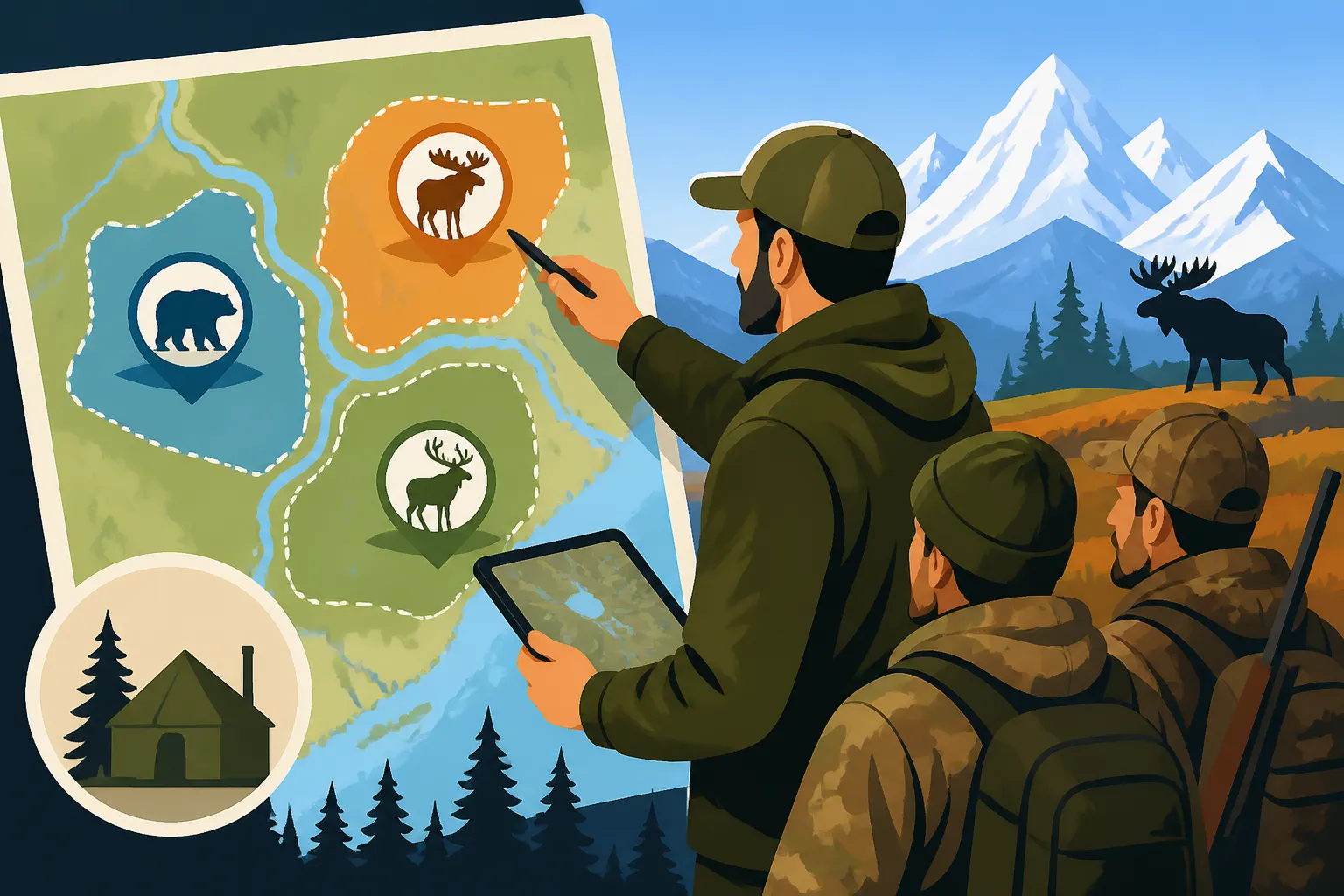
A significant portion of Alaska's prime hunting ground falls under federal jurisdiction, often within National Preserves, National Wildlife Refuges, or National Forests. To operate in these areas, guides must acquire a special use permit, often referred to as a concession. These permits are highly competitive, limited in number, and specific to certain areas and sometimes even certain species. For example, a guide might have a concession to hunt brown bear in a particular national preserve unit, but not moose in an adjacent state game management unit. State lands also have their own permitting systems, though they might be managed differently than federal lands.
When you're looking for a guide, it's wise to inquire about their permitted operating areas. A reputable guide will be upfront about where they can legally take clients. This isn't just a formality; it's the bedrock of their business and your hunt's legality. For instance, a guide might specialize in Katmai and Lake Clark Preserve Hunting for brown bears, meaning their expertise and permits are focused there. Always check that your chosen guide is licensed and has the appropriate concessions for the area and species you intend to hunt. You can even check the Alaska Guide Board Discipline Records to see if there have been any issues.
Rotating Camps and Minimizing Impact
Many experienced guides operate within multiple permitted areas or specific regions within a larger concession. To maintain healthy game populations, prevent over-harvesting specific locations, and preserve the quality of the hunting experience for future clients, they often employ a rotation system for their camps and hunting pressure. This means that a particular spike camp location or glassing ridge might only be hunted every few years.
Imagine a guide who hunts a remote drainage for Dall sheep. If they ran hunts from the exact same camp location every single year, the sheep in that immediate vicinity would quickly become wise to human presence, and the success rates would plummet. By rotating camps, and even entire drainages within their permitted areas, guides allow wildlife to recover from pressure and ensure that each client has a fresh, unpressured area to explore. This strategy is part of a larger ethos of responsible hunting, often aligning with "Leave No Trace" principles, ensuring that the wilderness remains wild. This practice of How Guides Rotate Camps Between Clients is a sign of a professional operation.
Exclusive Versus Non-Exclusive Areas
The nature of a guide's operating area can vary. Some concessions grant exclusive rights to a guide or outfitter within a defined boundary for a particular species, meaning no other commercial operator can guide there. This can be a huge advantage, as it eliminates competition from other guided parties and allows the guide to manage the game resource more directly. Think of it like having your own private hunting ranch, but on public land.
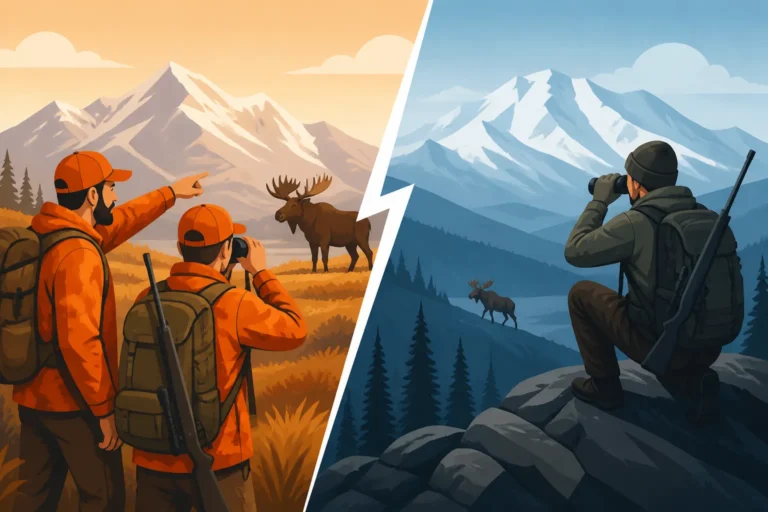
However, many areas are non-exclusive, especially on state lands or larger federal preserves, where multiple permitted guides might operate within the same general region. In such scenarios, professional courtesy and careful planning become paramount. Guides will often communicate with each other, especially those they know and trust, to avoid direct conflicts and ensure a positive experience for all hunters. For you as a hunter, understanding this distinction can inform your expectations regarding how much solitude you might experience in the field. When looking at potential guides, perhaps through platforms like BookYourHunt, you might filter by guides who advertise exclusive access if that's important to you.
The Role of the Guide-Client Relationship in Camp Selection
While guides are the experts, your preferences, physical capabilities, and expectations play a significant role in how and where your hunt unfolds. Good communication before and during the hunt is absolutely essential to ensure a successful experience for both parties.
Balancing Hunter Expectations and Reality
Every hunter arrives with a vision. Some dream of a high-alpine Dall sheep hunt, requiring brutal climbs and spike camps in unforgiving terrain. Others envision a more accessible moose hunt, perhaps a Float Hunting Alaska Rivers for Moose and Caribou trip, with a comfortable base camp. A guide's job is to listen to these expectations, but also to temper them with reality. They'll consider your physical fitness, hunting experience, and even your gear list. If you've never backpacked more than a mile, a multi-day high-country sheep hunt requiring a spike camp miles from the main base camp might not be feasible or safe.
Your guide will likely send you a detailed questionnaire or have extensive conversations to gauge your abilities and preferences. This isn't to judge you, but to set you up for success. They want you to have a safe and enjoyable hunt, and putting you in a situation you're not prepared for benefits no one. Be honest about your limits, and trust your guide's judgment. They know the terrain, the weather, and what it truly takes to hunt that country.
Scouted Areas Versus Flexible Approaches
Many guides pre-scout areas extensively, often using satellite imagery and even flying over the country themselves before the season starts. They'll have specific areas in mind where they've seen good game concentrations or where they've had success in previous years. These are their "go-to" spots. This preparation is a huge part of what you're paying for when Hiring an Alaska Registered Guide-Outfitter.
However, flexibility is the name of the game in Alaska. Wildlife moves, weather patterns change, and unexpected circumstances arise. A guide might have a prime area in mind, but if a wildfire has recently swept through, or if an early snow pushes animals to lower elevations, they need to be able to pivot. Sometimes, this means having alternative camp locations or even entirely different hunt areas within their permitted concessions ready to go. A truly skilled guide will adapt to the conditions on the ground, sometimes making real-time decisions about where to set up camp or where to focus hunting efforts, even if it wasn't the original plan. This adaptability is often what separates a good hunt from a great one.
Communication is Key
Before you ever step foot in Alaska, open and honest communication with your guide is paramount. Don't be shy about asking specific Questions to Ask an Alaska Guide Before Booking. Inquire about the typical camp setup (tents, cabins, wall tents?), the size of the hunting party, and what the daily routine might look like. Ask about the physical demands and the specific type of terrain you'll be hunting. It’s also wise to discuss contingency plans, such as what happens if bad weather delays flights or if game isn’t where it’s expected to be.
A good guide will appreciate your proactive questions, as it demonstrates your engagement and commitment to the hunt. They should be able to provide clear, detailed answers and perhaps even share photos of previous camps and hunting areas. This pre-hunt dialogue helps manage expectations on both sides and ensures that when you arrive, you’re on the same page and ready for the adventure ahead. When you're researching potential guides, perhaps using resources like GoHunt to understand game units, ensure that your chosen outfitter is responsive and transparent.
Logistical Considerations for Camp Placement
Beyond permits and client expectations, the raw logistics of setting up a camp in the Alaskan wilderness play a huge role. Alaska isn't like hunting the Lower 48; access, terrain, and even the simple availability of water can dictate where a camp can realistically be placed.
Access and Terrain Challenges
Getting to a remote camp in Alaska is usually half the battle. Many hunts are fly-in operations, relying on bush planes – often a Super Cub or a float plane. This means the camp location needs either a suitable gravel bar for wheel planes or a lake/river for float planes. The pilot, who often doubles as your Alaska Transporters and What They Legally Provide, will have strict requirements for landing strips, considering length, gradient, and surface conditions. They are also subject to Weight Limits on a Super Cub Drop, which impacts how much gear can be flown in. What looks like a perfect moose basin on a map might be completely inaccessible by air if there's no safe landing zone nearby.
Once on the ground, the terrain dictates much more. Is it flat enough for a wall tent? Is there sufficient shelter from prevailing winds? Is it high enough to avoid potential flooding if a big rain rolls in? Steep mountainsides, dense alder thickets, vast muskegs, and braided river systems all present challenges. Guides are masters of reading the landscape, finding those subtle benches or hidden clearings that offer just enough space and protection for a comfortable, functional camp.
Proximity to Game and Water Sources
You can't hunt what isn't there, and a camp needs to be positioned strategically relative to game movement. A moose camp will likely be near willow flats or old burn areas where browse is abundant. A sheep camp will be nestled below glassing knobs, close to a basin frequented by rams. Guides utilize their intimate knowledge of the area, combined with recent scouting, to place camps within reasonable striking distance of where target animals are likely to be.
Water is another non-negotiable factor. A camp, whether a spike camp or a comfortable base camp, needs a reliable source of potable water. This could be a clear stream, a lake, or even meltwater from snowfields. Carrying all your water for a multi-day hunt is simply not feasible. Guides will meticulously plan camp locations to ensure easy access to water, which often means being near a pristine stream or spring, and they’ll also consider how to dispose of waste responsibly to keep these sources clean. A good guide knows the best Water Sources at a High Spike Camp for a sheep hunt.
Weather Contingencies and Safety
Alaska's weather is famously unpredictable and can change on a dime, especially in the mountains or along the coast. A beautiful sunny morning can quickly turn into a raging blizzard or a days-long rain event. A well-chosen camp location incorporates weather contingencies. This means finding a spot that offers natural shelter from wind and precipitation, often utilizing terrain features like spruce thickets, rock formations, or a protected valley.
Safety is paramount. Camps need to be away from obvious bear travel corridors or areas with high bear density, especially when Working a Kill Site in Grizzly Country. Proximity to an emergency evacuation point or a safe landing zone for potential pickups, should a hunter get injured, is also a consideration. Guides often carry satellite communication devices like InReach or sat phones for check-ins and emergencies, and they establish clear Signal Devices and Check-In Plans for Solo Alaska Hunts if hunters are venturing out alone from a base camp. The experienced guide will always have multiple escape routes and contingency plans for weather delays or medical emergencies built into their camp selection process.
Ethical and Regulatory Constraints on Guides
While the guide's personal knowledge and logistics are key, overarching ethical standards and legal regulations also heavily influence how and where camps are assigned. These rules are in place to protect the resource, ensure fair chase, and prevent conflicts.
Avoiding Overlapping Hunt Pressure
Alaska is a vast place, but good hunting spots can be finite, especially for certain species or within specific areas. Professional guides, operating under a code of ethics and often in cooperation with land managers, strive to avoid overlapping hunt pressure. This means not setting up a camp right next to another outfitter's camp or a known public hunting access point. The goal is to provide each client with as wild and undisturbed an experience as possible, and to avoid "burning out" prime hunting areas.
This is where the rotating camp system mentioned earlier becomes critical. By not hammering the same areas year after year, guides help maintain game populations and quality experiences. Sometimes, informal agreements between guides who operate in adjacent non-exclusive areas help coordinate movements and minimize interference. This respect for other hunters and the land is a hallmark of a responsible outfitter.
Game Management Unit (GMU) Restrictions
Alaska is divided into numerous Alaska Game Management Units and How They Are Numbered, each with its own specific regulations regarding seasons, bag limits, and even methods of take. A guide must meticulously adhere to the rules of the specific GMU they are operating in. Camp placement must be within the legal boundaries for the hunt, and hunting activities cannot spill over into closed areas or adjacent units with different regulations.
For example, a guide might have a permit to hunt Unit 13 for moose, but they must be extremely careful that their camp and hunting efforts remain within the specific boundaries of Unit 13 and don't stray into, say, Unit 14, where seasons or antler restrictions might be different. These regulations are serious, and violations can result in hefty fines, loss of licenses, and forfeiture of trophies. Guides typically carry detailed maps and GPS devices to ensure they are always within legal boundaries. Understanding your specific GMU is also crucial for you as a hunter; GoHunt is an excellent resource for this kind of information, providing up-to-date regulatory details that can affect your hunt planning.
Leave No Trace Principles
Modern guiding in Alaska places a strong emphasis on Leave No Trace principles. This means that when a camp is broken down, it should look as if no one was ever there. This ethos influences camp assignment in several ways. Guides will seek out durable surfaces for camp, such as gravel bars, sparse tundra, or hard-packed earth, to minimize vegetation damage. They will carefully manage waste, packing out everything they pack in, including all food scraps.
For many guides, "leave no trace" isn't just a rule; it's a deep respect for the land. They often choose camp locations that are naturally less fragile, or they develop systems to ensure minimal impact. This commitment to conservation ensures that the wild beauty of Alaska remains intact for future generations of hunters and outdoor enthusiasts. It's a testament to the fact that responsible hunting and environmental stewardship go hand-in-hand in the Alaskan wilderness.
Planning Your Hunt: What to Ask Your Guide
When you're investing in an Alaska hunt, you're not just buying a tag; you're buying an experience. Knowing what questions to ask about camp and hunting area assignment can greatly enhance your preparation and ensure a more satisfying adventure.
Inquiring About Specific Camp Types
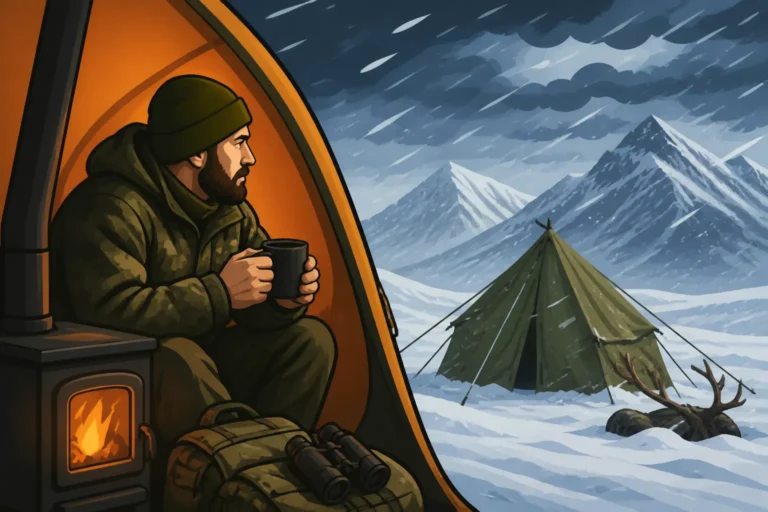
Not all camps are created equal, and it's perfectly reasonable to ask your guide about the type of camp you can expect. Will it be a rustic spike camp, where you're sleeping in a small tent, eating freeze-dried meals, and moving frequently? Or a more comfortable base camp, perhaps a large wall tent with a wood stove, cots, and fresh meals? There are also cabin-based hunts or lodge-based hunts, which offer different levels of amenities.
| Camp Type | Description | Pros | Cons |
|---|---|---|---|
| Spike Camp | Small, lightweight tent(s) moved frequently, often packed in from a base camp or dropped by plane. | Highly mobile, gets you deep into game country, authentic wilderness experience. | Minimal amenities, less comfort, physical demand is high, more exposed to weather. |
| Base Camp | Larger, more permanent camp (wall tent, cabin) with more gear, often fly-in accessible. | More comfort (stove, cots, cooking gear), safer in bad weather, easier to manage supplies. | Less mobile, might require longer hikes or ATV rides to reach game, less "deep wilderness" feel than spike. |
| Lodge/Cabin Hunt | Utilizes established lodges or remote cabins accessible by boat, plane, or sometimes road. | Maximum comfort (beds, running water, hot meals, sometimes showers), excellent for less mobile hunters. | Often less remote, can be more expensive, might involve more travel time to hunting grounds. |
It’s also fair to ask about the typical client-to-guide ratio. Are you on a 1×1 hunt (one hunter, one guide), or a 2×1 (two hunters, one guide)? This impacts how much individual attention you'll receive and how decisions about camp and hunting strategy are made. Many guides offer a variety of options, so discussing your preferences and physical capabilities beforehand helps ensure you’re placed in the right situation.
Understanding Hunt Area Rotation
As we've touched on, many guides utilize a system of rotating hunting areas to preserve game populations and hunting quality. It's a good idea to ask your guide about their rotation strategy. Understanding this can give you peace of mind that you're not hunting an area that's been hammered every single season. You might ask: "How often do you hunt this particular drainage for moose?" or "What's your strategy for minimizing pressure on your prime sheep country?"
A guide who can articulate a clear and responsible rotation plan is demonstrating their commitment to sustainable hunting and high ethical standards. It also ensures that the wilderness quality remains high, offering you a better chance at a truly wild and memorable experience. This also ties into knowing which game species Alaska hunters take most often in a given area.
Discussing Contingency Plans
Even the best-laid plans in Alaska can go awry. Weather delays are common, game can be elusive, and gear can break. A professional guide will always have contingency plans. Ask about these. What happens if your bush flight is weathered in for an extra day or two? Will there be provisions for extra food and fuel at camp? What if you or your guide sustain an injury in a remote location? This is where Emergency Evacuation Plans in Remote Alaska become critical.
Discussing these "what-ifs" upfront isn't being pessimistic; it's being prepared. It shows you're taking the seriousness of an Alaska hunt to heart. Your guide should be able to calmly outline their protocols for various scenarios, from minor gear failures to major medical emergencies. This preparation, and your guide's ability to adapt, can be the difference between a minor inconvenience and a serious problem in the Alaskan wilderness.
Disclaimer
This article is for general informational purposes only and does not constitute professional advice. Laws, prices and regulations vary by location and change over time. Consult a qualified professional for guidance on your specific situation.