Hunting Alaska Mental Health Trust Lands
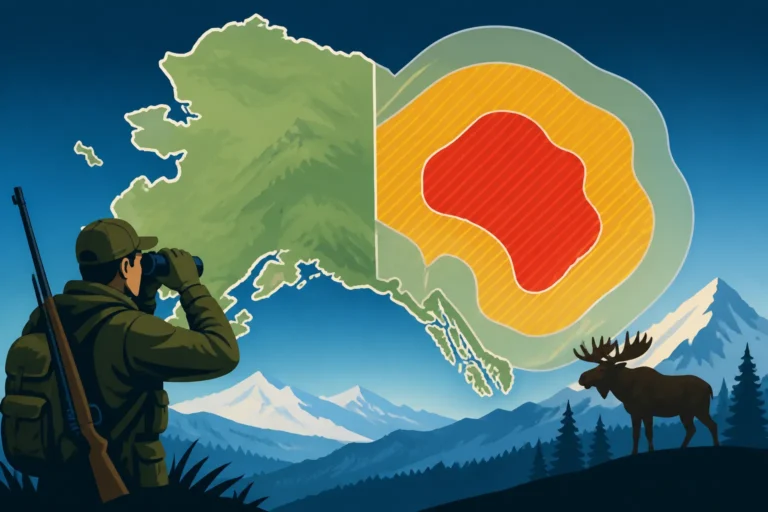
Navigating the complex patchwork of land ownership in Alaska can be one of the biggest challenges for any hunter, especially when you encounter unique designations like Alaska Mental Health Trust Lands. It's incredibly frustrating to spend hours scouting a promising area, only to discover later that you might not have the right to hunt there, or that the rules are entirely different from standard public land. This guide is here to untangle that confusion, providing you with a clear understanding of what Alaska Mental Health Trust Lands are, how to identify them, and the crucial steps you need to take to hunt them legally and responsibly.
What Are Alaska Mental Health Trust Lands and Why Are They Unique?
When we talk about hunting in Alaska, our minds often jump to vast expanses of federal and state public lands—national forests, preserves, state game refuges, and the like. And for the most part, that assumption holds true. However, the Alaska Mental Health Trust Lands present a distinct category of land ownership that operates under a different set of rules, often catching even seasoned Alaskans off guard. It’s not just "state land" in the way many think of it; these lands have a very specific purpose and management structure that impacts public access, especially for recreational activities like hunting.
The Trust's Mission and Land Holdings
At its core, the Alaska Mental Health Trust Authority manages land resources with a singular, vital mission: to generate revenue to support mental health programs and services for Alaskans. This isn't a federal park or a state forest managed primarily for recreation or conservation, although those values might coincidentally align in certain areas. Instead, every parcel held by the Trust is ultimately a financial asset, intended to be managed for the long-term benefit of mental health beneficiaries. This fundamental difference means their management priorities—and thus their access policies—are often geared towards revenue generation or maintaining asset value, rather than maximizing open recreational use. It's easy to assume all state land is fair game, but that's just not how it works with these parcels, which are often interspersed with general state land.
These land holdings are significant and can be found scattered across the state, from potential timber resources in Southeast to development parcels near urban centers, and even remote areas with high recreational value. The Trust holds hundreds of thousands of acres, and these parcels aren't always contiguous; they can be islands within other land designations or narrow strips that follow transportation corridors. Understanding that their primary purpose is to fund essential services gives you context for why their access rules are more stringent or revenue-focused than the lands managed by, say, the Department of Natural Resources for general public use. It’s a powerful reminder that not all state lands are created equal, and it requires a deeper dive into the specifics of each area.
Common Misconceptions About Access
One of the biggest hurdles hunters face when it comes to Alaska Mental Health Trust Lands is the common misconception that if it's "state land" and not clearly marked private, it's automatically open for hunting. This couldn't be further from the truth. Unlike many other state-managed lands where general recreational use is presumed unless otherwise stated, Trust lands often require explicit permission, a permit, or adherence to specific regulations that are unique to the Trust. You might find a promising game area, plan your entire hunt around it, only to realize at the last minute you've been scouting land that isn't openly accessible. That feeling of wasted effort, especially after investing time and resources, is profoundly frustrating.
The checkerboard nature of land ownership in Alaska only compounds this issue. You might be walking across federal land, then state land, then suddenly find yourself on a Native Corporation parcel, and then, without any clear boundary markers, onto a piece of Trust land. Without precise knowledge and mapping, it's incredibly easy to inadvertently trespass or violate specific land-use rules. This isn't about malicious intent; it's about the sheer complexity of the Alaskan landscape. As hunters, we are ultimately responsible for knowing where we are and what rules apply. Ignorance of the land status is never a valid defense, and the fines or consequences can be significant. This situation highlights why it's so critical to thoroughly research not just game regulations but also How to Check Alaska Land Status Before a Hunt before ever stepping foot in the field.
Navigating Access and Permits for Trust Lands
So, you've identified a promising area, perhaps some excellent moose habitat or a game trail leading into what looks like prime caribou country. Now comes the critical step: confirming the land ownership and understanding the specific requirements for access. This isn't just a recommendation; it's an absolute necessity to avoid legal issues and ensure a smooth, ethical hunt. The process requires diligent research and, often, direct communication with the land managers.
Identifying Trust Lands on the Ground and on Maps
The first and most crucial step in hunting Alaska Mental Health Trust Lands is knowing unequivocally where they are. Unlike some federal lands that might have distinct signage, Trust lands are often unmarked in the backcountry, blending seamlessly with adjacent state or federal parcels. Relying on intuition or vague directions is a recipe for trouble. This is where a good mapping app becomes your best friend, a real sanity saver in the Alaskan backcountry. Tools like onX Hunt are invaluable for this purpose. They layer property ownership boundaries directly onto topographic maps, allowing you to see in real-time, or when planning offline, exactly which agency or entity owns each parcel.
Before you ever leave your home, spend ample time with these digital mapping resources. Zoom in on your chosen hunting unit, identify all the different land designations, and pay particular attention to any parcels labeled as Alaska Mental Health Trust Lands. Note their exact boundaries, access points, and any surrounding lands. It’s also wise to cross-reference this information with official state resources, like the Alaska Department of Natural Resources (DNR) land records viewer, which offers another layer of verification. While the technology is fantastic, nothing beats a thorough pre-hunt study of all available land status information. Knowing these boundaries intimately helps you plan not just your hunting route but also your camping locations and Motorized Access Rules on Refuge Land if you're bringing an ATV or snowmachine.
Understanding Access Requirements and Permit Systems
Once you've confirmed that a potential hunting area is indeed under the purview of the Alaska Mental Health Trust Authority, the next step is to understand their specific access requirements. This isn't a one-size-fits-all situation, and that's a hurdle many hunters trip over. Unlike general state game lands where a hunting license usually grants you broad recreational access (within game regulations), Trust lands may have their own layer of permitting. These permits might be for general recreational use, specific activities like timber harvesting, or even dedicated hunting access. The rules can vary wildly depending on the specific parcel of land and the Trust's current management objectives for that area.
You might encounter different types of permits: some could be free, simply requiring registration, while others might involve a fee, either a flat rate or based on the duration or intensity of your activity. Hypothetically, imagine you've spent months planning a remote caribou hunt, flown into an isolated area, and set up camp, only to pull out your map and realize a large portion of your hunting grounds is Trust land. If you haven't secured the necessary permit beforehand, you could be forced to relocate, cut your hunt short, or worse, face a citation. This level of foresight is paramount. It’s not just about what game you can harvest under Alaska Hunting Seasons and Tag Rules Explained; it’s also about where you can legally pursue it. Always check for recreational or hunting-specific permits directly through the Trust's land management office.
Contacting the Alaska Mental Health Trust Authority
After you've done your initial mapping research and identified specific Trust parcels of interest, the most reliable way to get accurate, up-to-date information on access and permitting is to directly contact the Alaska Mental Health Trust Authority. Don't rely on hearsay or old forum posts; policies can change. Think of it as a crucial part of your pre-hunt reconnaissance, just as important as sighting in your rifle or checking the weather forecast. This step validates the frustration of navigating bureaucratic hurdles, but it's entirely necessary.
Look for the land or resource management division within the Trust. Their website is typically the best starting point, where you can often find contact information, maps of their holdings, and details on various permit applications. When you call or email, be specific: identify the Game Management Unit (GMU) you're interested in, and ideally, provide Township, Range, and Section numbers if you have them from your mapping research. Explain that you are a hunter looking to understand access requirements for recreational hunting on specific parcels of Trust land. Be polite, patient, and prepared to take detailed notes on any fees, application processes, deadlines, or restrictions they outline. This direct line of communication ensures you have the most accurate information straight from the source.
Planning Your Hunt on Trust Lands Responsibly
Hunting on Alaska Mental Health Trust Lands isn't just about obtaining permission; it's about embracing a heightened sense of responsibility. These are lands with a clear purpose beyond recreation, and respecting that purpose ensures continued access for all. Thoughtful planning, meticulous research, and ethical conduct are your best tools for a successful and trouble-free experience.
Researching Specific Unit and Parcel Rules
Beyond simply identifying Trust lands and knowing they require permission, it’s imperative to dive deep into the specific rules for the exact parcel you intend to hunt. This is where general knowledge gives way to granular detail. Because the Trust manages its lands for diverse purposes—from timber and gravel sales to potential leases for development—the access rules can vary dramatically from one parcel to another, even within the same Alaska Game Management Units and How They Are Numbered. Some areas might be open for walk-in access but closed to motorized vehicles, while others might have seasonal closures or specific restrictions on camping. It’s not enough to know it’s "Trust land"; you need to know what kind of Trust land and its specific management plan.
This is a step where tools like GoHunt can complement your efforts by providing broad regulatory overviews and drawing insights, which you then cross-reference with the Trust's specific land-use rules. Imagine you're eyeing a moose hunt in an area that’s a mix of state and Trust land. While state land might allow Camping Limits on Alaska State Land for up to a certain number of days, the adjacent Trust parcel could have a strict "no overnight camping" policy. Overlooking this detail could lead to your camp being deemed illegal. Always combine the general Alaska hunting regulations you'd find in the ADF&G booklet with the specific land-use rules from the Alaska Mental Health Trust Authority. This layered approach to research is key to avoiding costly mistakes and ensures you understand not just what you can hunt, but how and where you can operate on these unique properties.
Ethical Considerations and Conservation
Hunting on Alaska Mental Health Trust Lands comes with an implicit understanding of the Trust’s mission. These lands are generating revenue for mental health services across the state. Therefore, your actions as a hunter should reflect a high degree of ethical consideration and a commitment to conservation, helping to ensure the long-term viability of both the land's resources and future public access. This isn’t merely about following the letter of the law; it’s about respecting the spirit of the land's purpose. Leave no trace, pack out all your trash, and be mindful of your impact on the land and its resources.
Consider the potential for increased scrutiny on these lands. If recreational users, including hunters, consistently leave behind messes, damage property, or disregard rules, it provides a strong argument for the Trust to further restrict access or even monetize it more heavily. By contrast, a community of responsible, respectful hunters demonstrates that recreational use can coexist with the Trust's primary mission. This means adhering to litter laws, managing waste properly, and even being mindful of where you park or build temporary structures. For example, if you're taking advantage of any Public Access Points on Alaska Rivers that border Trust land, ensure your boats and gear are not infringing on private or restricted areas. Your individual conduct directly influences the perception of hunters and could impact access for generations to come.
Preparing for a Successful Hunt within Regulations
A successful hunt on Alaska Mental Health Trust Lands is less about luck and more about meticulous preparation that integrates all layers of regulations and access requirements. Once you've secured any necessary permits, thoroughly researched the parcel-specific rules, and understand the general game regulations, it's time to put it all together. This means having all your documentation—your hunting license, locking tags, harvest ticket, and any Trust land permits—readily accessible and in good order. It means studying your maps from onX Hunt or other sources, marking boundaries, and planning your routes to stay within legal areas.
Also, consider the practical logistics. If motorized access is restricted, are you prepared for a hike-in or Backpack Hunting in Alaska: Gear Weight and Meat Loads? If camping is prohibited, what's your plan for overnight stays, especially if you're Quartering a Bull Moose Alone in the Field and need time? Think about communication plans, especially for solo ventures. Signal Devices and Check-In Plans for Solo Alaska Hunts are critical, but especially so when you might be navigating complex land ownership. Your diligence in planning ensures you're not just ready for the challenges of hunting in Alaska, but also for the specific intricacies of Trust land regulations.
Here's a quick reference for responsible use of these unique lands:
| Action Category | Do's | Don'ts |
|---|---|---|
| Research & Access | Verify land status with mapping tools (onX Hunt) | Assume all "state land" is open |
| Contact the Trust for current permit requirements | Rely on outdated information or hearsay | |
| Carry all required permits and licenses | Enter without confirmed permission or permit | |
| On the Land | Stick to designated access routes | Trespass onto private or restricted areas |
| Practice Leave No Trace principles | Leave trash, spent casings, or unretrieved game | |
| Adhere to specific parcel-based regulations | Violate motorized vehicle restrictions or camping rules | |
| General Conduct | Be respectful of the land's primary purpose | Damage property or disturb active resource operations |
| Report any violations or illegal activity you observe | Turn a blind eye to irresponsible behavior by others | |
| Understand relevant Camping Limits on Alaska State Land if applicable | Overstay your welcome or establish permanent structures |
Disclaimer
This article is for general informational purposes only and does not constitute professional advice. Laws, prices and regulations vary by location and change over time. Consult a qualified professional for guidance on your specific situation.