Calling Moose in Alaska With a Scapula and a Cow Call
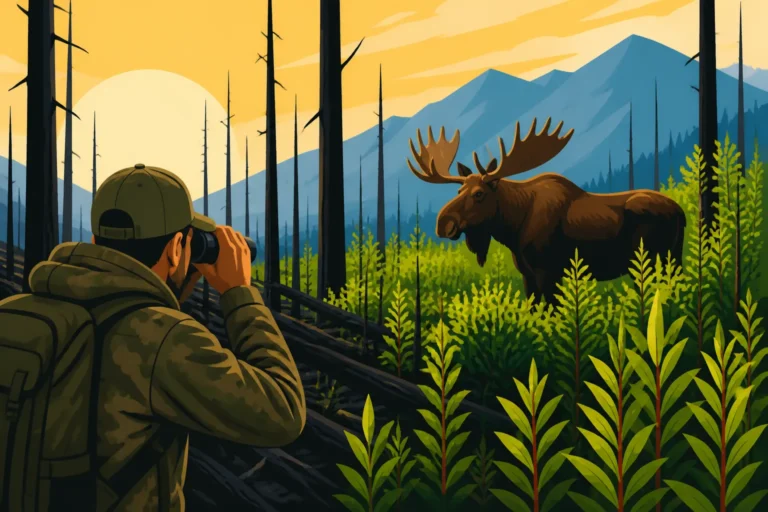
There’s nothing quite as frustrating as seeing a massive bull moose across a vast Alaskan drainage, antlers gleaming in the sub-arctic sun, and feeling utterly helpless to get him to budge an inch closer. Or maybe you've heard a distant grunt, tried a few calls, and just been met with deafening silence. It’s a common experience, and it can leave you questioning if calling moose even works. But trust me, it absolutely does, and this comprehensive guide is going to break down the art and science of calling moose in Alaska using both a traditional scapula and modern cow calls, helping you turn those distant sightings into close encounters.
Understanding Moose Communication: The Language of the Northern Forests
Before you ever lift a scapula or blow into a cow call, it's crucial to understand why moose communicate and what they're trying to say. Moose, especially during the rut, are constantly sending and receiving signals. Your job as a caller is to insert yourself into that conversation convincingly. Without this foundational understanding, your calls will just be noise in the wilderness, ignored by the very animals you're trying to attract.
Why Moose Call: Decoding Their Intent
Moose primarily call for two main reasons: to locate other moose and to establish dominance or attract mates. Cows will vocalize to locate calves or signal their estrus to bulls. These cow calls are often plaintive, drawn-out moans, designed to carry across vast distances and grab a bull's attention. Bulls, on the other hand, use grunts and bellows to announce their presence, challenge other bulls, and respond to interested cows. They're essentially broadcasting their availability and their physical prowess. Think of it as a constant, subtle (and sometimes not so subtle) negotiation for breeding rights and companionship. They're listening intently for receptive cows or challenging rivals, and if you can sound like either, you're in the game.
The Different Sounds Moose Make
Moose have a surprisingly varied vocal repertoire beyond just the classic "moan." Knowing these sounds and what they signify will significantly improve your calling strategy.
- Cow Calls: These are the bread and butter of moose calling. They vary from soft, seductive grunts to long, drawn-out bawls of a cow in estrus. A distressed cow call can also be effective, sometimes mimicking a cow who has lost her calf, which can pique a bull's curiosity. A successful cow call is less about volume and more about authenticity and duration. You're trying to sound like a lonely cow looking for love, and that sound can be very compelling to a bull, especially as the rut approaches its peak.
- Bull Grunts: These are typically shorter, guttural sounds, often accompanying a bull raking brush or posturing. A bull grunt signals his presence, his size, and his willingness to fight for a cow. Incorporating bull grunts into your sequence can challenge dominant bulls or draw in smaller, curious bulls looking for an easy fight or a chance to steal a cow. It’s a more aggressive call, and it can elicit a very different response than a cow call.
- Raking: This isn't a vocalization, but a crucial part of the auditory landscape during the rut. Bulls rub their antlers on trees and brush, not just to strip velvet but to signal their presence and strength. The sound of antlers tearing through alders or spruce is incredibly effective, telling other moose exactly where a bull is and that he's active and ready for action. This is where the scapula comes in, giving you the ability to imitate this sound perfectly.
The Scapula: An Old-School Tool with Modern Effectiveness
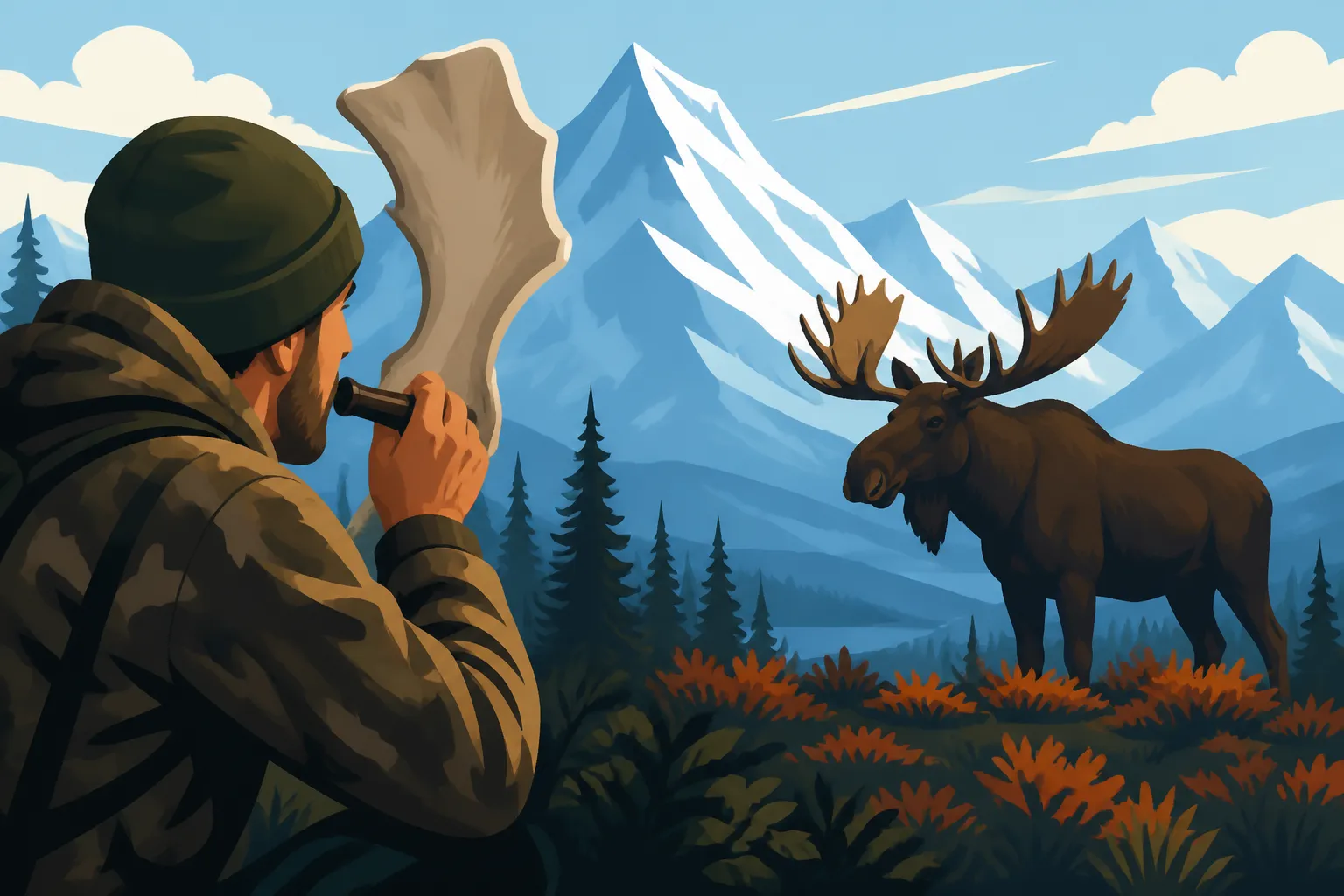
For centuries, indigenous hunters have known the power of mimicking a bull moose raking brush. Today, many Alaskan hunters still swear by a dried moose scapula (shoulder blade) for its uncanny ability to replicate these sounds. It's a simple, natural tool that, when used correctly, can be incredibly effective in bringing in even the wariest of bulls.
Why a Moose Scapula Works So Well
A moose scapula is truly one of the most underrated calling tools in Alaska. Its shape, density, and natural resonance make it an almost perfect replica of an actual moose antler. When scraped against brush, trees, or even the ground, it creates that distinctive, guttural tearing and snapping sound of a bull working over a bush. This isn't just about making noise; it’s about creating a realistic auditory scene. Bulls are listening for other bulls during the rut. The sound of raking signifies a bull is active, establishing his presence, and potentially challenging others. When a real bull hears this, especially if it's accompanied by a convincing cow call, his territorial instincts kick in. It sounds so natural because it is natural, made from the very animal you're trying to call. This organic authenticity is something no artificial call can truly replicate.
Sourcing and Preparing Your Scapula
The best place to get a moose scapula is, naturally, from a moose! If you or a hunting partner harvest a moose, make sure to save a shoulder blade. You'll want to clean it thoroughly of all meat and tissue. The easiest way to do this is to boil it until the remaining bits can be scraped off, then let it dry completely in the sun. It's important that it's fully dry, as any moisture can affect the sound and lead to unpleasant smells. Some hunters will sand down rough edges for a more comfortable grip, but otherwise, minimal preparation is needed. If you can’t get one from a harvest, sometimes taxidermists or even online forums might have them available. This is a tool you can make yourself, connecting you to the hunt in a deeper way.
Mastering the Raking Technique
Raking with a scapula isn't just about hitting a tree; it's about creating a rhythmic, aggressive display that simulates a bull working a rub. Find a sturdy sapling or a patch of thick brush near your calling position. Use the edge of the scapula to scrape, twist, and snap branches. Vary your intensity: start with subtle scrapes, then build to more aggressive thrashing. Incorporate pauses, just like a real bull would. A key part of the effect is the visual element if a bull is close enough to see the brush moving. The sound should carry, drawing attention, while the visual movement hints at a bull on the move. Don't be shy; a real bull makes a lot of noise. Think about what a dominant bull would do: he's not gently caressing a branch, he's asserting his dominance. You can read more about this specific tactic in our guide on How to Use a Moose Scapula for Raking.
The Cow Call: Your Primary Vocal Weapon
While raking can attract a bull's attention, the cow call is often the primary reason he'll commit to closing the distance. It's the sound of a potential mate, and during the rut, it's incredibly difficult for a bull to ignore. Mastering the cow call is paramount to consistent success in moose hunting.
Choosing the Right Cow Call
There's a bewildering array of cow calls on the market, from simple reed-and-tube designs to more elaborate mouth calls. The "best" one is truly subjective, but consistency and realism are key.
- Open Reed Calls: These are popular and relatively easy to use. Brands like Primos and Knight & Hale offer excellent options. They typically produce a clear, nasally moan that carries well. The trick is to learn breath control to vary the pitch and duration.
- Closed Reed Calls: These are often simpler for beginners as they require less finesse. They can produce a consistent sound, but might lack the nuanced range of an open reed.
- External Diaphragm Calls (Bugle Tubes): Some hunters use bugle tubes designed for elk to amplify cow calls, or even make their own from plastic tubing or birch bark. This can create incredible volume and a realistic, resonant sound that carries further. This is especially useful in vast, open country.
Whatever call you choose, practice is essential. Listen to recordings of real moose calls on platforms like YouTube or even use hunting apps like GoHunt that sometimes offer sound libraries. Try to replicate the natural cadence and inflection. It's not about being perfectly pitch-correct, but about capturing the essence of a moose. The most crucial factor is sounding like a real, desperate cow.
Delivering Authentic Cow Sounds
An authentic cow call is more than just a single note. It's a series of drawn-out moans, often ending with a slight waver or grunt, signaling a cow in estrus.
- The Basic Cow Moan: Start with a long, nasal "MooooAAAAHHH." Vary the pitch slightly, letting it rise and fall. Hold the notes for several seconds.
- Inflection and Emotion: A cow isn't just making noise; she's communicating desire. Add emotion to your calls. A rising pitch can signify searching, while a more drawn-out, breathy sound can be more seductive.
- Varying Volume: Don't always call at full volume. Sometimes a soft, pleading moan is more effective, especially if you suspect a bull is close. Think about how a cow would naturally call—sometimes loud and far-reaching, other times soft and inviting.
A good sequence often starts with a long, searching call, followed by shorter, more frequent calls as if the cow is getting impatient. Don't just blast calls; listen for responses, then adapt. The subtle nuances are what separate an average caller from a great one. Learning to use Cow Calls That Pull Bulls Out of Willows can transform your hunting success.
Integrating Cow Calls into Your Strategy
Cow calls should be the foundation of most of your calling sequences. They are the universal language that bulls understand.
- Long-Distance Lures: Use loud, drawn-out cow calls to cover vast distances and ascertain if there's a bull in the area. These calls tell any bull within earshot that a cow is ready.
- Close-Range Enticement: Once you get a response, or if you suspect a bull is nearby, switch to softer, shorter, more frequent calls. You're trying to sound like a cow who is interested but perhaps a little shy, encouraging the bull to close the last few yards.
- The "Lost Cow" Scenario: A series of short, slightly panicked cow calls can sometimes elicit a response from bulls who might be curious or even protective, thinking a cow is in trouble. This can be particularly effective in areas where moose density is lower and bulls are more eager to investigate any potential mate.
Remember, the goal is to create a realistic scenario. A cow isn't usually calling alone; she might be near other cows, or she's moving. Integrate your calls with pauses, walking a few steps, or even raking, to make the scene more believable.
Bull Grunts and Challenges: Adding Aggression to Your Sequence
While cow calls are your primary attractor, introducing bull grunts and challenge calls can be a game-changer, especially during the peak of the rut. These calls tap into a bull's territorial and competitive instincts, often eliciting a much more aggressive and direct response. However, they must be used judiciously, as a poorly timed or executed bull call can easily spook a cautious bull.
Mimicking a Bull Grunt
Bull grunts are typically deep, guttural "Uhhh-UH!" sounds, often made as a bull walks, feeds, or approaches a cow. They signify presence and confidence. You can often make these with your own voice, using your diaphragm to push air out in short, forceful bursts. Some specialized grunt tubes are also available, which can add realism and volume.
- The Contact Grunt: This is a softer, more frequent grunt, suggesting a bull that's simply moving through the territory, letting others know he's around. This can be a good starting point, especially if you're unsure how aggressive the local bulls are.
- The Challenge Grunt: This is louder, more drawn out, and often followed by raking. It's a direct challenge to another bull, essentially saying, "I'm here, and these are my cows." This type of grunt should be reserved for when you've already established contact with a bull and are trying to draw him into a confrontation.
- Mouth Placement: To get that deep, resonant sound, try cupping your hands around your mouth or using a short piece of plastic tubing. The larger the "sound chamber," the deeper the resonance, which helps carry the sound and make it sound like a larger bull.
Remember that when you're making bull grunts, you're essentially claiming territory. This can either draw a bull in to investigate or challenge, or it can intimidate a smaller bull, making him turn away. This is where reading the bull's initial response to your cow calls is crucial before escalating to bull grunts.
The Importance of Timing Challenge Calls
Timing is everything when it comes to challenge calls. Introduce them too early, and you might scare off a hesitant bull. Use them at the right moment, and you can provoke an aggressive charge.
- Responding to a Bull's Grunt: If a bull grunts back at your cow calls, that's your cue. A soft bull grunt and some aggressive raking can often be enough to make him curious.
- After a Bull Hangs Up: This is perhaps the most critical time. If a bull is coming in but stops just out of sight, perhaps pacing back and forth, a strong challenge grunt can often be the final push he needs to commit. He's trying to figure out who you are, and a direct challenge can force his hand.
- When to Back Off: If a bull goes completely silent or starts moving away after a challenge, it's time to ease off the aggressive calls and revert to softer cow moans, trying to re-establish a sense of safety and allure. You don't want to make him feel overwhelmed or threatened to the point of retreat. Knowing the Grunt Tube Distance a Bull Will Cover can also help you gauge how far to push the aggression.
The idea is to create a competitive environment. You want the bull to think there’s another bull infringing on his territory or stealing his potential mate. This aggression, coupled with the allure of a cow, is a powerful combination for drawing in large, rutting bulls.
Crafting Your Calling Sequence: When and How to Call
Calling moose isn't about random noise; it's about crafting a persuasive narrative. Your sequence, volume, and frequency should adapt to the time of year and the mood of the moose. There's no one-size-fits-all approach, and flexibility is key.
The Early Rut: Gentle Coaxing
The early rut, typically late August to early September, is a time of anticipation. Bulls are still relatively spread out, often in bachelor groups, and not yet in the full swing of breeding. They're curious but not overly aggressive.
- Focus on Searching Cow Calls: Start with longer, more drawn-out cow calls designed to cover ground and locate any interested bulls. These are exploratory calls, letting any nearby bull know a cow is becoming receptive.
- Subtle Raking: Light raking, mimicking a bull just starting to strip velvet or casually marking his territory, can work well. You don't want to sound overly aggressive yet, as it might intimidate bulls who aren't ready to fight.
- Patience is Key: Responses might be slower or more distant. Bulls may circle downwind to scent-check you before committing. Give them time, and don't overcall. A good rhythm might be a sequence of 2-3 cow calls, followed by a minute or two of silence, and then a few light rakes, repeating every 10-15 minutes. This period is less about confrontation and more about simply letting moose know you're there and available.
During this phase, you're planting the seed of interest, not demanding attention. It's an opportune time for those longer, exploratory calls, perhaps even using scouting tools from GoHunt to identify prime areas where moose are starting to gather before the full rut explosion.
Peak Rut Aggression: All-Out Dominance
Mid-September, when the leaves are turning and the air is crisp, is often the peak of the rut in many parts of Alaska. This is when bulls are most active, most competitive, and most susceptible to aggressive calling.
- Combination of Calls: This is the time to combine everything. Start with strong, estrus-laden cow calls to announce your presence. Once you get a response, introduce more aggressive bull grunts and heavy raking.
- Aggressive Sequences: Mimic a scenario where a dominant bull is trying to hold off a rival who is trying to steal his cow. Use a sequence like:
- Loud, pleading cow call.
- Pause, listen.
- If a bull grunts, respond with an immediate, challenging bull grunt and aggressive raking.
- Follow up with a shorter, more seductive cow call, as if the cow is distressed or trying to keep the bull's attention.
- Maintain this sequence, varying intensity based on the bull's response.
- Don't Be Afraid to Get Loud: During the peak rut, bulls are actively seeking confrontation. Louder, more aggressive calls are often what it takes to get them to commit. You can find detailed tactics for this aggressive phase in our guide, Alaska Moose Hunting Tactics for the September Rut.
This is the phase where you want to sound like the biggest, baddest bull in the drainage, trying to keep a hot cow all to yourself. Or, you're the hottest cow around, driving bulls crazy with your irresistible allure.
Late Season: Subtle Persuasion
Towards late September and into early October, the rut begins to wind down. Many cows are bred, and bulls are often worn out and less inclined to fight. This doesn't mean calling stops working, but your strategy needs to shift.
- Subtle Cow Calls: Focus primarily on softer, more drawn-out cow calls. Bulls are still looking for any unbred cows, but they're less likely to respond to aggressive challenges. You're trying to sound like a lonely, late-estrus cow that might still be available.
- Minimal Raking/Gruting: Use very light raking, if at all, and sparingly use soft, contact bull grunts. Overly aggressive calls will likely be ignored or even seen as a threat that tired bulls want to avoid.
- Patience and Persistence: Responses will be fewer and further between. A bull might approach very slowly and cautiously. You might need to call for longer periods with more extended pauses. This is when the bull might be more likely to circle downwind extensively, making wind direction and scent control even more critical. Understanding When Bulls Stop Answering Calls in September can help you adapt your approach.
In the late season, think about being the last chance, not the main event. It requires more subtlety and patience to convince a weary bull to come in.
Common Mistakes and How to Avoid Them
Even the best moose callers make mistakes, but recognizing and correcting them is what makes you better. Moose are incredibly intelligent and keenly aware of their surroundings, and any unnatural sounds or movements can send them packing.
Overcalling and Under-Calling
This is a classic dilemma for many hunters, and striking the right balance comes with experience.
- Overcalling: The most common mistake. Many hunters blast calls constantly, sounding unnatural and desperate. A real moose doesn't constantly moan or rake. They call, listen, move, and respond. Overcalling can make a bull think the source of the sound is stationary and safe, or worse, that it's a decoy. It can also overwhelm a bull, making him hesitant to approach.
- Solution: Call in bursts, then listen. Give the woods time to "breathe" and give the moose time to respond. A good rule of thumb is to call for 1-2 minutes, then listen intently for 5-10 minutes. If you get a response, adapt your sequence and reduce pauses.
- Under-Calling: While less common than overcalling, under-calling can also be a missed opportunity. If you're too quiet or don't call often enough, bulls simply might not hear you, especially in vast drainages or windy conditions.
- Solution: Be confident in your calls. If you haven't had a response in 20-30 minutes, increase your volume or try a different sequence. If you're in an area with a lot of natural noise (wind, flowing water), you may need to call a bit louder and more frequently to cut through the ambient sound. Always err on the side of slightly more calling than too little, but prioritize realism.
Ignoring the Wind and Terrain
Moose have an incredible sense of smell and hearing. Ignoring these factors is a surefire way to get busted.
- Wind Direction: A bull will almost always try to circle downwind to scent-check the source of a call. If your scent is blowing directly into his approach path, he'll smell you long before you see him.
- Solution: Always set up with the wind in your favor. If you're calling a bull from a distance, anticipate his downwind circle and position yourself so he has to pass within shooting range before he gets your scent. Consider setting up where thick cover forces him to approach from a predictable direction. This requires understanding wind currents and terrain features.
- Terrain Barriers: Rivers, thick willow thickets, steep hillsides, or dense timber can all influence how a bull hears your call and how he chooses to approach. Calls don't always carry well through dense cover.
- Solution: Scout your calling locations carefully. Use maps and tools like GoHunt's satellite imagery to identify natural travel corridors, open pockets, and areas where sound will carry best. Position yourself to minimize sound absorption and maximize visibility, anticipating where a bull might stage before stepping into the open. Think about how a bull would navigate that terrain.
Poor Setup and Patience
The moment a bull responds, the real game begins. How you're set up and your ability to remain patient are critical.
- Poor Setup: If you're caught in the open, silhouetted against the sky, or can't easily move for a shot, you've compromised your chances.
- Solution: Always set up with cover for yourself, a clear shooting lane, and a backdrop that breaks up your outline. Position yourself so you can see where a bull is likely to come from, and ensure you have a comfortable shooting rest. Ensure you're not in a position where you'll have to make a lot of noise to get into a shooting position when a bull appears.
- Lack of Patience: Moose, especially wary bulls, can take a long time to commit. They might stop, listen, circle, and listen again. Rushing the encounter by moving too soon or calling too aggressively can ruin the hunt.
- Solution: Once a bull responds, be prepared for a long wait. Sometimes it can take an hour or more for a bull to close a few hundred yards. Resist the urge to move or overcall. Let him work for it. Only move if you're certain he's hung up and won't come closer. This is where patience truly pays off, and it's often the hardest skill to master.
Integrating Other Hunting Tactics with Calling
Calling is an incredibly effective standalone method, but its power is amplified when combined with other strategic hunting tactics. A well-rounded moose hunter understands how to weave various approaches together to increase their odds of success.
Calling in Conjunction with Still Hunting
Still hunting involves moving slowly and deliberately through prime moose habitat, stopping frequently to scan, listen, and glass. When combined with calling, it becomes a dynamic and highly effective strategy.
- Stop, Call, Listen, Move: Instead of just walking, integrate calling into your still hunting routine. Walk for 100-200 yards through good cover, then stop in a strategic location (like a rise overlooking a willow flat or an edge of a burn). Perform a short calling sequence (1-2 cow calls, maybe a light rake). Listen intently for 5-10 minutes. If no response, move slowly to the next promising spot. This allows you to cover ground while actively soliciting responses.
- Ambush Points: As you still hunt, identify natural ambush points—places where moose frequently travel, or where they might come out into the open. These are ideal spots to pause, call, and wait for a period, rather than just walking through. Think about areas like natural funnels, creek crossings, or points where dense timber meets open feeding areas.
- Adapting to Habitat: Different habitats require different still hunting and calling approaches. In thick timber, you'll want shorter, more frequent calls that don't need to carry as far, and your movements will be slower. In open tundra, long-range calls and extensive glassing will be more effective. Knowledge of where moose concentrate, like in Old Burns and Where Moose Feed in Them or the preference for Willow Flats Versus Spruce for Bull Moose, is crucial for choosing your still hunting path.
This combined approach allows you to both locate distant moose and draw in closer ones, maximizing your presence in the hunting area without being overly aggressive or stationary.
Using Decoys to Enhance Your Calls
While not as common for moose as for other species, decoys can be a powerful psychological tool, especially when a bull is hanging up or needs that final visual reassurance.
- The Power of Visuals: Moose are primarily drawn by sound, but when they get close, they're looking for the source. A simple cow decoy or even a set of shed antlers positioned strategically can provide that visual confirmation that keeps a bull coming in. It gives him something to focus on other than you.
- Strategic Placement: Place your decoy 50-70 yards from your calling position, slightly off to the side, and upwind. This way, if the bull circles to scent-check the decoy, he'll still have to pass by your shooting lane. Ensure the decoy is visible from the direction you expect the bull to approach.
- Types of Decoys:
- Inflatable Cow Decoys: Lightweight and packable, these can be set up quickly. They offer the silhouette of a cow, which is often enough.
- Antler Decoys: A pair of shed antlers (from a legal bull, of course) strategically placed on a bush can simulate a bull raking or standing, especially effective if you're using bull grunts and aggressive raking. This provides a visual confirmation of the "rival" bull.
- Improvised Decoys: Sometimes, a dark tarp draped over a bush can be enough to break up the outline of a large animal, giving a bull just enough visual to commit.
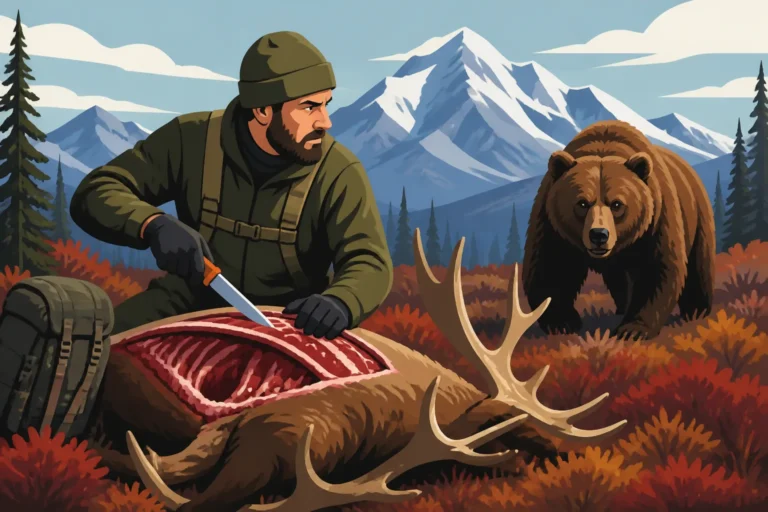
Remember, the decoy is an extension of your calling. It completes the picture you're painting with sound. It provides a focal point for the bull, taking his attention away from your hiding spot. However, always be mindful of bear safety while butchering a kill in Alaska, as decoys can also attract curious predators.
Advanced Tips for Experienced Moose Callers
For those who have logged countless hours in the Alaskan bush, moose calling often evolves beyond basic techniques into an intuitive art form. These advanced tips focus on subtle adaptations and understanding the nuanced behavior of individual bulls.
Adapting to Different Bull Personalities
Just like people, every bull moose has a unique personality. Some are aggressive and territorial, others are shy and cautious. A truly experienced caller knows how to "read" a bull and adjust their strategy on the fly.
- The Aggressive Bull: This bull responds quickly and directly, often grunting loudly and raking brush on his approach. For these bulls, you can often be more aggressive with your challenge grunts and raking. Keep up the pressure, make him think he's in for a fight or that a rival is about to steal his cow. Don't be afraid to keep calling as he approaches; you're trying to keep him focused on the "rival" or "cow."
- The Cautious Bull: This bull might respond with distant grunts, or he might go silent for long periods, circling downwind extensively. For these bulls, aggressive calling can be a deterrent.
- Solution: Scale back. Use softer, more pleading cow calls. Minimize or eliminate bull grunts and aggressive raking. Be incredibly patient. Let him take his time, and don't make him feel pressured. Sometimes, the softest, most infrequent calls are the most effective for these wary animals. You might even consider just letting out a single, long cow moan and then going completely silent, forcing him to search.
- The Hung-Up Bull: This is a bull that approaches within sight or hearing distance but refuses to commit the last 50-100 yards, often pacing or feeding nervously.
- Solution: This is where a well-timed, slightly aggressive bull grunt or a distressed cow call (as if the "cow" is getting impatient or in a slight predicament) can sometimes break the standoff. Alternatively, go completely silent. Make him wonder where you went. The sudden absence of sound can sometimes make a cautious bull step out to investigate. Often, this requires knowing your terrain and having excellent visibility, which is where tools like GoHunt can aid in pre-hunt scouting by marking potential holding areas.
Understanding these different responses and having the flexibility to change your calling strategy mid-encounter is a hallmark of a truly skilled moose caller. You're not just calling; you're having a conversation.
Hunting Called-In Bulls in Thick Cover
It's a common scenario: you've called a bull in, he's close, but the cover is so thick you can't get a clear shot. This is where patience, stealth, and a deep understanding of moose behavior come into play.
- Patience and Positioning: The number one rule is do not rush. The bull is in thick cover for a reason – he feels safe there. Maintain your calling rhythm, but slightly reduce the volume. Make him want to step out. If you know you're in an area with a high likelihood of close encounters in dense cover, consider setting up a few yards back from the thickest edge, providing yourself a slightly better vantage point when he emerges.
- Utilize the Wind: Even in thick cover, moose will try to circle the wind. Anticipate this. If you know he's approaching from a certain direction and the wind is in your face, be prepared for him to try to get downwind.
- Subtle Movement: If you know the bull is truly hung up and won't budge, very, very slowly and quietly reposition yourself to gain a sliver of a shooting lane. This is incredibly risky and should only be attempted if you have absolutely no other choice and are confident you can move without detection. A better tactic is to use a soft, inviting cow call and slowly back away, trying to coax him to follow you into a slightly more open area.
- The "Decoy Effect" (No Decoy Needed): Sometimes, if a bull is grunting but staying hidden, a very aggressive, loud rake and a challenge grunt, followed by absolute silence, can make him think the "other bull" just moved away. His curiosity, or even his drive to claim the "cow," might make him step out to investigate. You're essentially creating a false sense of security or urgency.
- Pre-Scouting for Lanes: Before you ever start calling in thick country, identify potential shooting lanes or clearings. Even small gaps in the brush can become critical. Mark these on your mental map or using GPS like on the GoHunt app. Knowing your terrain intimately, especially where a bull might present a shot, is vital when Calling Bull Moose During the Alaska Rut.
Hunting a called-in bull in thick cover is a chess match. It requires extreme patience, quiet movement, and the ability to think like a moose. It’s challenging, but incredibly rewarding when you finally get that narrow window for a shot.
Disclaimer
Hunting in Alaska involves inherent risks, including but not limited to adverse weather, challenging terrain, and dangerous wildlife. Always prioritize safety, adhere to all Alaska Department of Fish and Game regulations, and be prepared for emergencies. This guide provides general information and should not replace professional guidance or your own careful judgment and preparation. Local conditions can vary greatly, and hunters are responsible for understanding and complying with all applicable laws and regulations.