River Landings on the Innoko
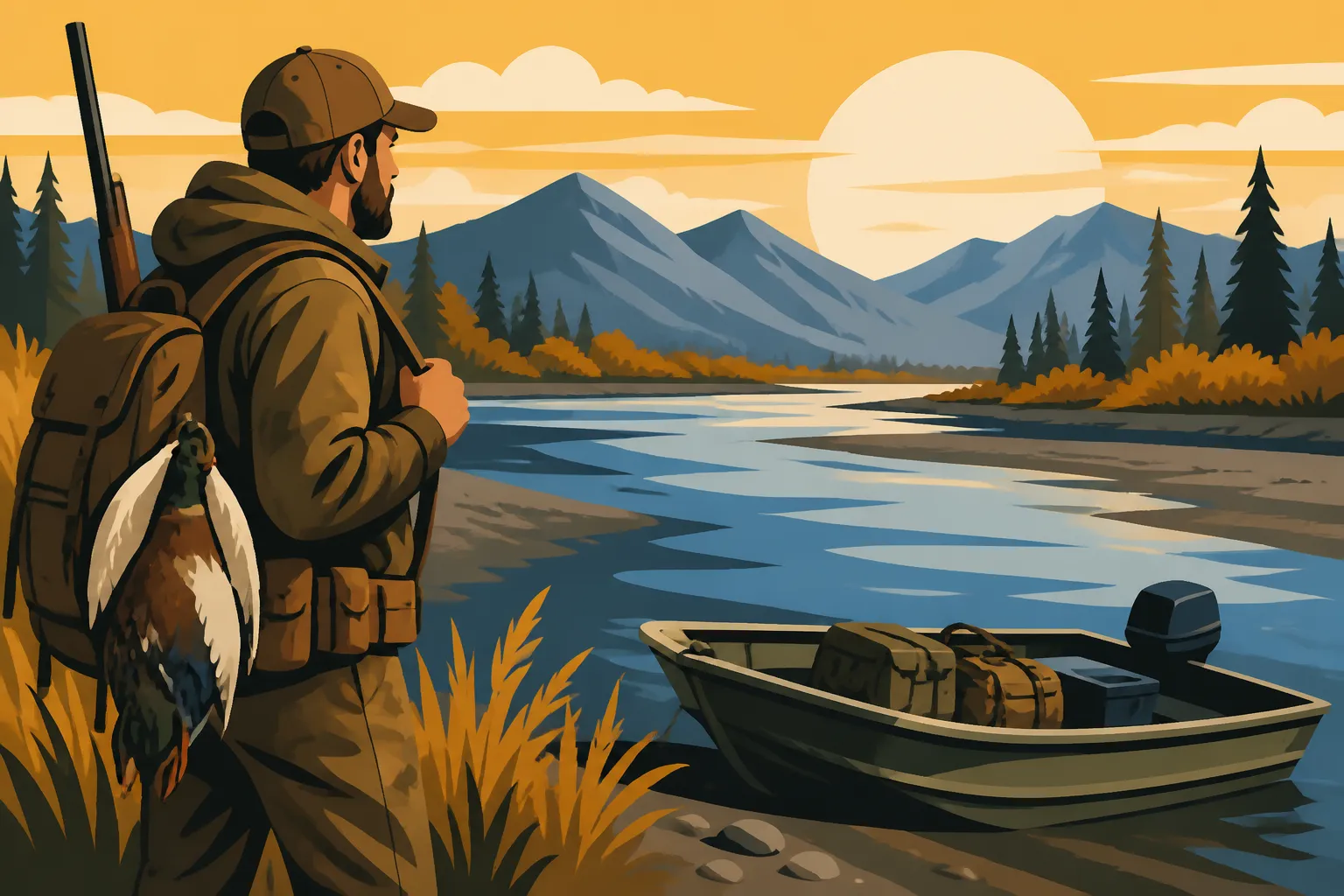
Heading out to a remote stretch of the Innoko River for a hunting trip is often the dream for many Alaska hunters, but the reality of actually getting there, especially with all your gear and the prospect of a heavy animal, can be a daunting puzzle. Finding a safe, reliable spot for your air taxi to land on a wild river system is one of the most critical, yet often overlooked, pieces of that puzzle. This guide will walk you through the nitty-gritty of understanding Innoko River landings, how to scout them, and what to expect when planning your remote Alaska adventure.
The Innoko River's Unique Character for Hunters
The Innoko River, flowing through west-central Alaska, is a prime example of untamed wilderness. It's not a highway with paved roads and marked turnoffs; it's a living, breathing, constantly changing artery of the Alaskan interior. Hunters often target this region for its robust populations of moose and caribou, but accessing these areas successfully hinges entirely on understanding the river itself.
Understanding its Remoteness and Wild Nature
Unlike some of Alaska's more accessible river systems, the Innoko is truly off the grid. There are no towns or established infrastructure along most of its length. This means any trip in is a full-on wilderness immersion, requiring complete self-sufficiency. The nearest permanent settlements are often small, remote villages, and even they aren't directly on the river itself for miles. This extreme remoteness is both its greatest appeal for hunters seeking solitude and its greatest logistical challenge. When your pilot drops you off, you are truly alone with your hunting party, the wildlife, and the vastness of Alaska. Fly-In Hunting: Working With an Alaska Transporter Pilot is essential reading for anyone contemplating such an endeavor.
Species You Might Encounter on the Innoko
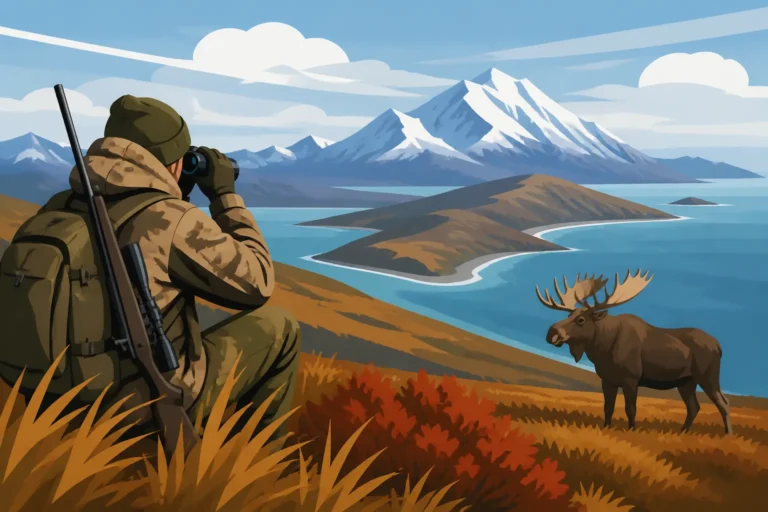
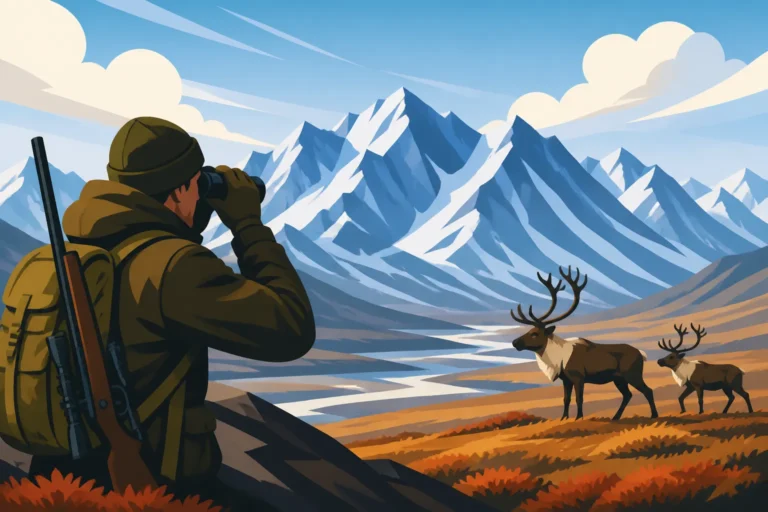
While the Innoko is renowned for its moose hunting, particularly during the fall rut, it's also excellent caribou country, especially for those targeting migratory herds. The dense willow and spruce flats along the river provide ideal moose habitat, while the higher ground and open tundra can hold migrating caribou. Of course, where there's abundant prey, there are predators. Black bears and even brown bears are certainly present, and wolves are common, adding another layer to the wilderness experience. The mixed habitat of river bottoms, sloughs, and bordering uplands creates a diverse ecosystem that supports a wide range of game animals, making the Innoko a truly wild hunting destination.
The Dynamic Landscape of Innoko River Banks
The most critical thing to grasp about the Innoko is its dynamic nature. The river is constantly reshaping its banks, eroding one side and depositing gravel on another. Water levels can fluctuate dramatically with rainfall upstream or snowmelt, completely altering what might have been a perfect landing strip last season. A beautiful, exposed gravel bar in August could be entirely submerged or riddled with soft spots by late September. This constant change means that historical knowledge, while helpful, is never a guarantee. Every flight in requires a careful assessment of current conditions, often from the air with your pilot. This unpredictability is why preparation and adaptability are paramount.
Scouting and Identifying Safe Landing Zones
Successfully getting to your hunting area on the Innoko depends entirely on finding a suitable landing strip for your bush plane. This isn't like landing at an airport; it's about finding natural features that can safely accommodate a small aircraft.
Utilizing Satellite Imagery for Pre-Trip Recon
Before you even book your flight, modern technology is your best friend. Tools like onX Hunt and GoHunt, with their high-resolution satellite imagery, allow you to "fly" the river virtually from your living room. You can spend hours meticulously searching for gravel bars, long stretches of exposed sand, or open sloughs that look promising. Look for areas that are relatively flat, long enough for a bush plane (usually 800-1,000 feet for a Super Cub or similar, but always confirm with your pilot), and free of obstructions like large rocks, stumps, or dense brush. Pay close attention to current imagery if available, comparing it to older photos to get a sense of how much the river shifts. Marking potential landing sites on your digital maps for discussion with your pilot is a great first step. Downloading Offline Maps Before a Fly-In is a critical step for navigation once you're on the ground.
Pilot Expertise: Your Eyes on the Ground (and Air)
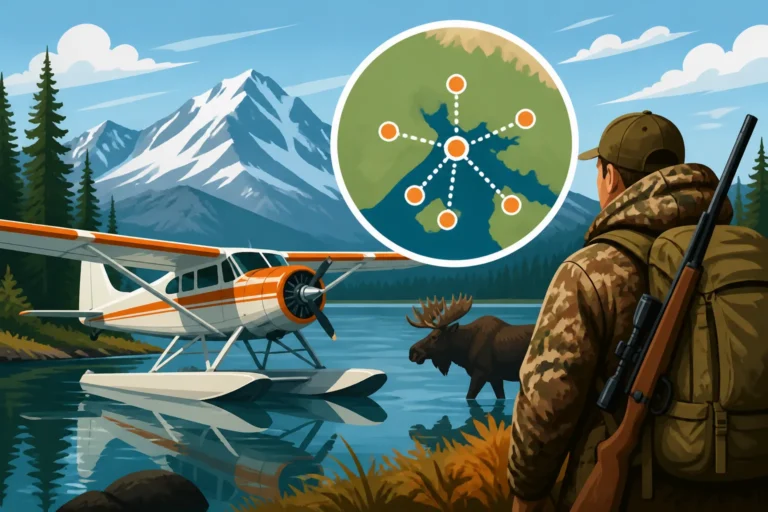
While satellite maps are invaluable, nothing replaces the experience and on-the-ground (or rather, in-the-air) assessment of your air taxi pilot. These pilots are true experts in their craft, intimately familiar with the rivers and terrain they service. They know what a "good" strip looks like, how wind conditions affect landings, and the subtle signs of soft ground or hidden obstacles. When you call to book your trip, discuss your intended area and ask if they have specific gravel bars or sloughs they prefer or frequent. On the actual flight in, your pilot will perform low passes, often circling potential landing sites multiple times, to visually inspect the surface for hazards. Trust their judgment implicitly; if they say a spot isn't safe, it isn't.
Factors That Define a Viable Gravel Bar or Slough Landing
A viable landing zone on the Innoko is a combination of several critical factors. First, length and width are non-negotiable for safe takeoff and landing. Second, the surface must be firm and free of deep sand, mud, or large rocks that could damage landing gear. Pilots often look for areas with a mix of small gravel and sand that offer good traction. Third, approach and departure paths are vital. Are there tall trees, steep banks, or sudden bends in the river that would make it dangerous to come in or take off? Fourth, water level is paramount. A gravel bar that was perfect last week might be partially submerged after heavy rains. For float planes, a slough or calm section of river needs to be deep enough, wide enough, and free of submerged logs or debris. It's a complex equation, and your pilot is the only one who can make the final call on what's safe.
Here's a quick reference for assessing potential Innoko River landing types:
| Landing Type | Pros | Cons | Ideal For |
|---|---|---|---|
| Gravel Bar | Firm surface, good traction, often long/wide. | Can be temporary, water level dependent, prone to shifting. | Wheel planes (Super Cub, Cessna 185) |
| Sand Bar | Often very long, smooth, easy for wheels. | Can be soft, prone to deep ruts, quicksand risk. | Wheel planes (with caution on softness) |
| River Slough | Protected from main current, calmer water. | Can be shallow, prone to submerged logs, limited length. | Float planes (Beaver, Cessna 206 on floats) |
| Small Lake | Reliable water depth, clearer of debris than river. | Can require more hiking to hunting grounds, limited options. | Float planes (best for long-term camp setup) |
Essential Planning for Your Innoko River Drop-Off
Once you've got a potential landing spot in mind and your air taxi is booked, the real planning for your trip to the Innoko begins. This isn't just about packing your rifle; it's about anticipating every possible scenario in a truly isolated environment.
Working Closely with Your Air Taxi Service
Your air taxi pilot isn't just a chauffeur; they are your lifeline to and from the wilderness. Maintain clear, consistent communication with them from the initial booking right up to the day of your flight. Discuss your proposed landing zones, your gear weight, and your desired pick-up date. Be realistic about your schedule; weather delays are common in Alaska, especially in remote areas. Building Extra Days Into a Fly-In Schedule is always a wise move. Confirm what their standard check-in procedures are once you're on the ground, whether it's a daily satellite phone call or an InReach message. Remember, they are responsible for your safety and knowing your plans helps them ensure your timely pick-up.
Gear Considerations for a Remote River Hunt
Packing for an Innoko River hunt means bringing everything you need, and nothing you don't. Every ounce matters, not just for the flight, but for packing into camp and, crucially, for packing out meat. Focus on lightweight, durable, and versatile gear. Think about shelter that can withstand wind and rain, a robust cooking system, and reliable navigation tools. Since you're on a river, a packraft might even be a consideration for accessing areas away from the landing zone, though this adds significant weight. Always ensure you have sufficient food for several extra days in case of weather delays. For meat care, bring plenty of breathable game bags. Game Bags That Breathe in Coastal Rain are crucial, even inland.
Communication and Emergency Preparedness
In the vastness of the Innoko region, cell service is a fantasy. A reliable satellite communication device, such as an InReach or satellite phone, is non-negotiable. This isn't just for contacting your pilot for pickup; it's for emergency situations. Ensure everyone in your party knows how to use it, and establish a clear check-in schedule with a trusted contact back home. Carry a comprehensive first-aid kit, and know how to use its contents for common wilderness injuries. Discuss potential hazards with your hunting partners – river crossings, bear encounters, hypothermia – and have a plan for each. Having Signal Devices and Check-In Plans for Solo Alaska Hunts in place, even if you're not solo, provides peace of mind.
Post-Landing Logistics and Navigating the Innoko Environment
Landing successfully on the Innoko is just the beginning. The real work starts when the plane departs and you're left to establish your camp, hunt, and prepare for the eventual journey home.
Setting Up Camp and Securing Your Gear
Once your pilot has taken off, the first order of business is establishing a secure and comfortable camp. Choose a spot that's above any potential flood lines, away from dense game trails, and ideally with some natural windbreak. Clear your chosen area of any sharp sticks or rocks that could damage your tent floor. Disperse your gear efficiently, organizing it for easy access. Critically, secure all food and anything else scented away from your sleeping area to minimize bear attractants. Even if you don't see fresh sign right at your landing, you're in bear country, and proper food storage is paramount. Hanging Meat Out of Bear Reach should also be practiced for any game you harvest.
Meat Care and Extraction Strategies
The Innoko is moose country, and a successful moose hunt means dealing with a lot of meat. Quartering a Bull Moose Alone in the Field is a serious undertaking that requires prior planning. You need a strategy for cooling the meat quickly, especially in early season warmth, and protecting it from flies and scavengers. Think about where you will hang quarters to air dry and cool, preferably in the shade. Your extraction plan for the meat is just as vital as getting yourself out. Discuss with your air taxi service beforehand how much meat they can carry per flight, and be prepared for multiple trips if you've harvested a large bull. This might involve setting up a meat cache near your landing strip or an accessible point on the river. Be familiar with Packing Out Meat in Alaska: The Salvage Law Hunters Must Follow to ensure you meet all legal requirements.
Staying Safe in Bear Country
You're a guest in bear country on the Innoko, and both black and brown bears call this region home. Always be bear aware. Carry bear spray, know how to use it, and consider a firearm for backup, especially when quartering and packing meat. Make noise while traveling through dense brush, and keep a clean camp. When working on a kill, always have at least one person on bear watch. The scent of a fresh kill travels far, and it's not uncommon for bears to investigate. Bear Safety While Butchering a Kill in Alaska is not just good advice, it's essential for your well-being. Knowing how to react in an encounter and taking proactive steps to avoid one can make all the difference in a remote setting like the Innoko.
Disclaimer
This article is for general informational purposes only and does not constitute professional advice. Laws, prices and regulations vary by location and change over time. Consult a qualified professional for guidance on your specific situation.