Five-Mile Corridor Rules on the Dalton
The Dalton Highway is a lifeline to Alaska's North Slope, but for hunters, it presents a unique challenge: navigating the strict five-mile corridor rules. Many well-intentioned hunters have found themselves on the wrong side of the law, unsure where they can legally hunt or even set foot. This guide is here to untangle those rules, help you understand the boundaries, and give you the confidence to plan a lawful and successful hunt along this iconic route.
Understanding the Dalton Highway Corridor
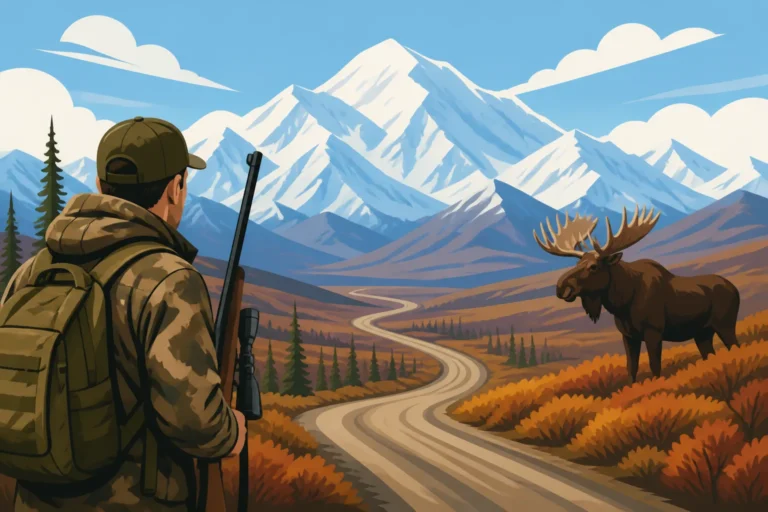
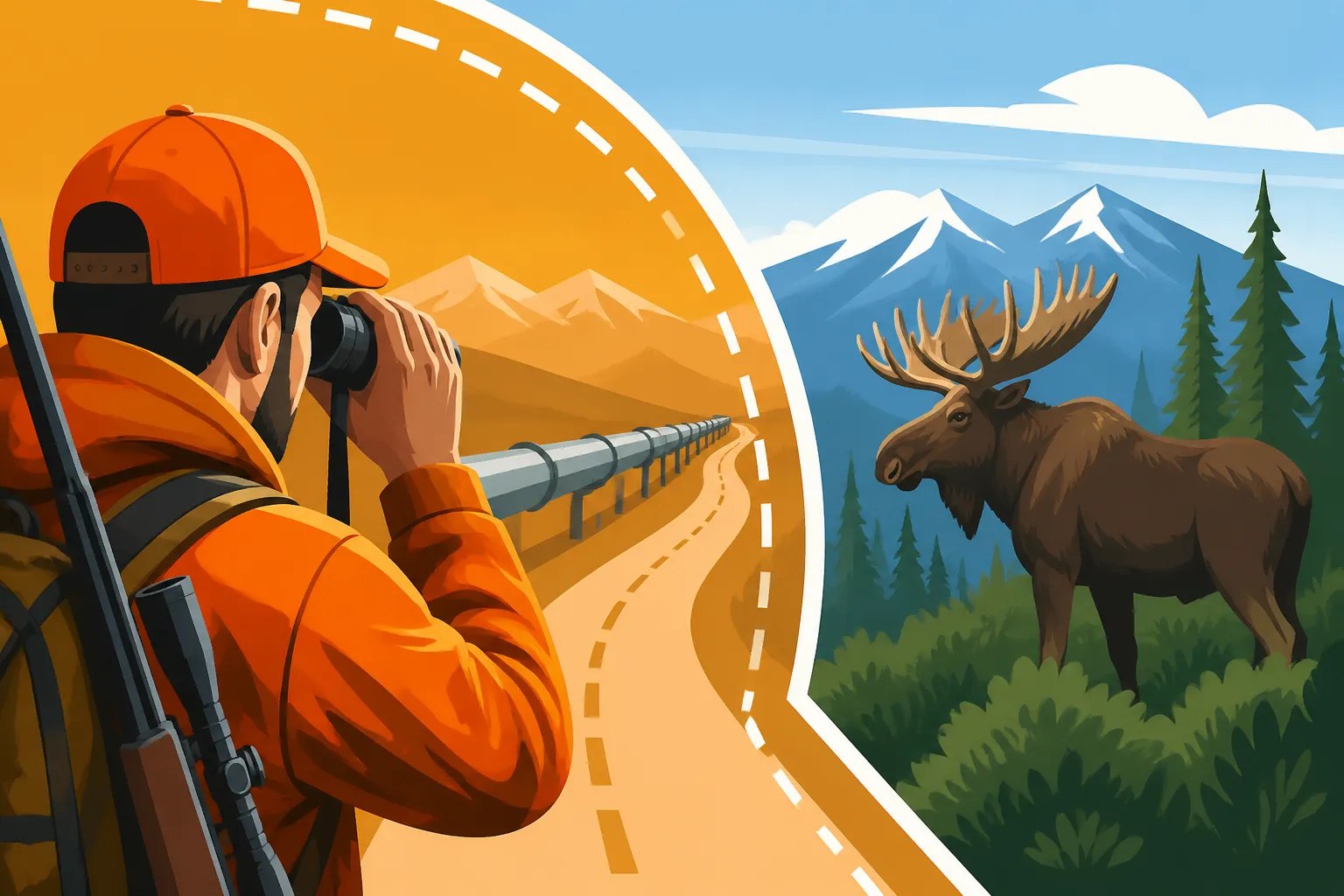
The James W. Dalton Highway, often simply called the Dalton, is a legendary road, stretching over 400 miles from Livengood to Prudhoe Bay. It's a rough, mostly gravel road, built primarily to support the Trans-Alaska Pipeline System. While it offers unparalleled access to vast swaths of interior and Arctic Alaska, it's not a free-for-all when it comes to hunting. The state has implemented specific regulations, most notably the "five-mile corridor rule," to manage wildlife, ensure public safety, and maintain the integrity of the land and the pipeline.
The Legal Framework and Its Purpose
The five-mile corridor on either side of the Dalton Highway is a designated area with special hunting regulations. Essentially, it's a buffer zone. The Alaska Department of Fish and Game (ADF&G), in coordination with other land management agencies, established these rules to address several key concerns. One major factor is the sheer accessibility the road provides. Without such regulations, the immediate vicinity of the highway could be over-pressured by hunting, leading to localized depletion of game populations and increased conflict between hunters and industrial traffic.
Beyond wildlife management, the corridor also serves a public safety function. Imagine the hazards if hunting were allowed right alongside a heavily traveled industrial highway where large trucks, some hauling hazardous materials, are constantly in motion. These regulations aim to reduce the risk of accidents involving hunters, other road users, and pipeline infrastructure. Furthermore, it helps prevent unethical hunting practices that might arise from easy road access, such as shooting from the road or using vehicles to spot game.
Why the Corridor Exists: Protecting Wildlife and Resources
Think about the sheer number of vehicles, from commercial trucks to RVs, that traverse the Dalton. This constant activity can put immense pressure on wildlife. Caribou, moose, and bear populations often cross or parallel the highway corridor. Without a restricted zone, these animals would be highly vulnerable to harvest pressure, especially from those who might be tempted to hunt right off the road. The corridor acts as a refuge, giving animals some space away from direct road-based hunting disturbance.
The Trans-Alaska Pipeline itself is another critical consideration. This vital piece of infrastructure stretches for hundreds of miles, often running parallel to the highway. Accidental damage from stray bullets or other hunting-related activities, however unlikely, could have devastating environmental and economic consequences. The corridor helps to minimize such risks by pushing hunting activity further away from the immediate vicinity of the pipeline and the road. This also supports the logistical needs of pipeline maintenance and operations, allowing personnel to work safely without encountering hunters in close proximity.
Navigating the Five-Mile Restriction
Understanding that a five-mile buffer exists is one thing, but knowing precisely what it means for your hunting plans is another. This isn't just about not shooting from the highway; it dictates where you can legally hunt, where you can walk with a firearm, and ultimately, how you access hunting grounds. Many hunters, especially nonresidents, often underestimate the implications of this rule until they are out in the field.
What "Five Miles" Truly Means for Hunters
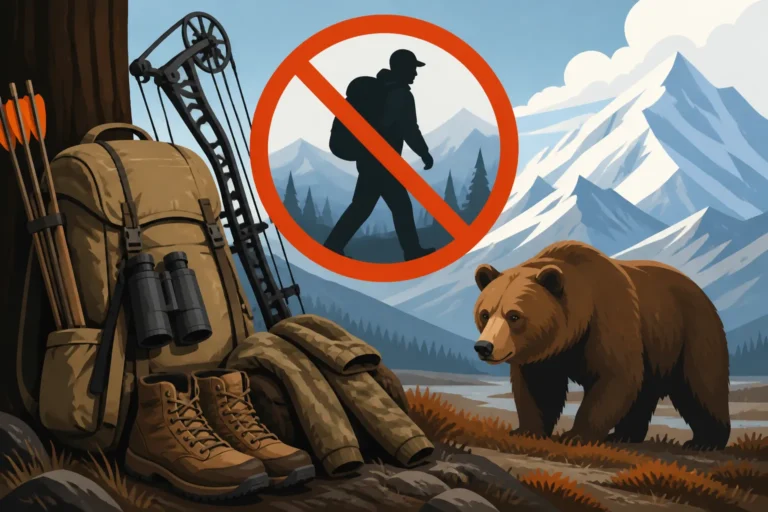
The five-mile corridor means that no hunting is permitted within five miles of the centerline of the Dalton Highway. This applies to all game animals, regardless of species or season. It's crucial to understand that this isn't just about discharging a firearm; it's about the act of hunting itself. You cannot be actively pursuing, stalking, or attempting to take game within this zone. This also means you can't transport a loaded or uncased firearm within the corridor if you're actively hunting, even if you intend to move beyond the boundary to shoot. Essentially, your hunting activity needs to start and end outside that five-mile buffer.
This rule makes accessing prime hunting areas a significant challenge. If your target species, like caribou from the Western Arctic Herd's Population Swings or Fortymile Caribou Herd Range and Migration, are congregating near the road, you still cannot hunt them unless they are clearly and legally outside the five-mile boundary. This requires meticulous planning and a strong understanding of your exact location relative to the highway. It means hiking, often with heavy packs, for considerable distances before you can even begin your hunt.
How to Legally Access Hunting Areas Beyond the Corridor
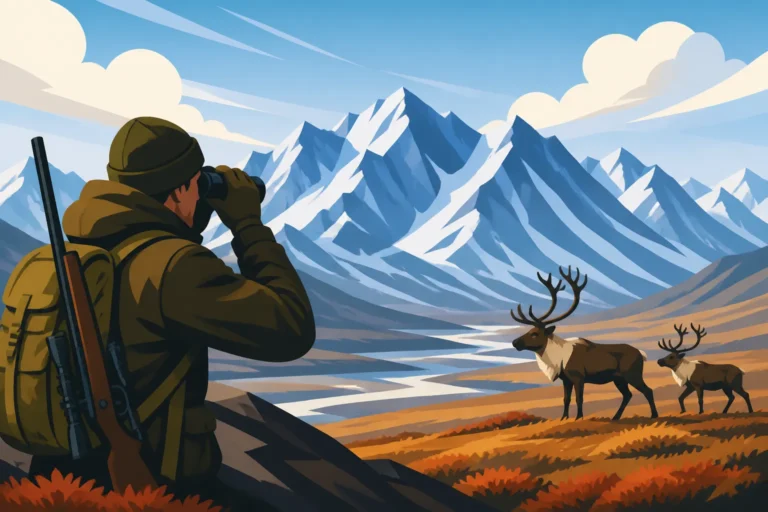
So, if you can't hunt within five miles, how do you get to where you can hunt? The answer is simple in concept, but challenging in practice: you walk. This means hoofing it at least five miles from the road before you can even think about glassing for game or carrying a loaded rifle. For many hunters, especially those targeting larger animals like moose or caribou, this immediately translates into a multi-day backpacking trip just to get to a legal hunting zone.
When planning, consider designated access points or public land that extends beyond this five-mile boundary. Remember that land status changes along the Dalton. While much of it is federal land (Bureau of Land Management, National Wildlife Refuges, or National Preserves), there are also state lands and even some Native Corporation lands. Always verify the land ownership where you intend to hunt, as rules can vary. Tools like Downloading Offline Maps Before a Fly-In are invaluable for this. You might also encounter specific rules, such as those governing the Dalton Highway Corridor Firearm Restrictions, which further complicate matters. Some intrepid hunters even utilize packrafts to access remote drainages adjacent to the corridor, allowing them to bypass the immediate road system and put distance between themselves and the highway more efficiently. Packraft Weight Versus Load Capacity becomes a critical consideration for these kinds of trips.
Practical Tools for Compliance and Planning
Successfully hunting beyond the Dalton Highway's five-mile corridor isn't just about physical endurance; it's about meticulous planning and leveraging the right tools. Guessing your distance from the road is a recipe for disaster and potential legal trouble. You need reliable ways to confirm your location at all times.
Mapping Apps and Their Critical Role
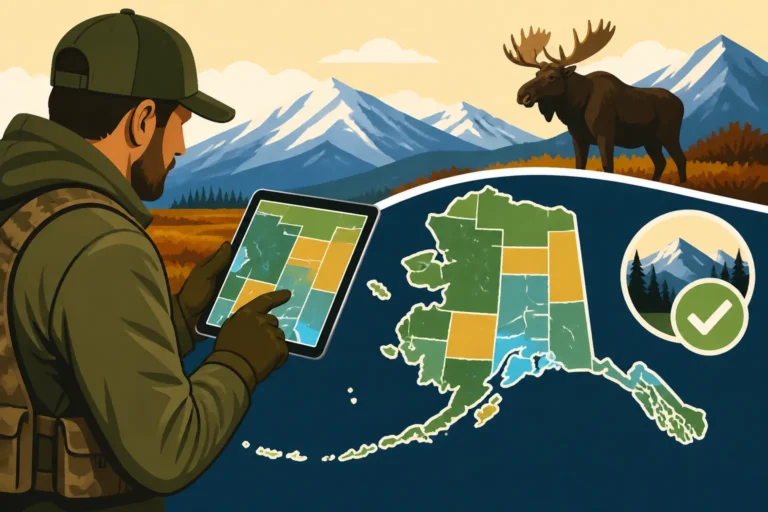
In the vast, often featureless landscape surrounding the Dalton Highway, relying on visual estimates for a five-mile distance is simply not good enough. This is where modern mapping applications become absolutely indispensable. Tools like onX Hunt or GoHunt are specifically designed for hunters and allow you to overlay land ownership, restricted zones, and your real-time GPS location directly onto detailed topographic maps. You can see precisely where the five-mile corridor ends and where legal hunting ground begins.
Before you even leave your home, you can use these apps to study the terrain, identify potential hiking routes, and mark safe distances from the highway. During your hunt, with a GPS-enabled device (like your phone or a dedicated unit), these apps will show you exactly where you stand in relation to the corridor boundary. This removes all guesswork, giving you confidence that you are operating within legal parameters. Remember to Downloading Offline Maps Before a Fly-In for any hunting area, especially in remote regions with no cell service.
Planning Your Hunt to Avoid Violations
Effective planning for a Dalton Highway hunt requires more than just knowing where the five-mile line is; it's about building in a buffer and understanding the logistics. First, always plan to walk at least five miles, and frankly, a bit more to give yourself some peace of mind. Terrain can be rugged, wet, and slow-going, so five miles on a map might mean a full day of arduous hiking. Don't underestimate it.
Think about your gear. You'll be Backpack Hunting in Alaska: Gear Weight and Meat Loads for potentially long distances, carrying everything you need for several days. If you're fortunate enough to make a kill, you'll then need to pack out meat and trophy, adding significantly to your load for the return journey. Quartering a Bull Moose Alone in the Field or Packing a Ram Off a Cliff Face can be exhausting enough without worrying about whether you've crossed an invisible line back into a restricted zone. Planning your camp to be well outside the corridor is also critical. Even if you hunt outside the zone, you can't legally set up a hunting camp within the five-mile boundary if your intention is to hunt from it. This foresight prevents accidental violations and ensures a smoother, more ethical hunt.
Common Pitfalls and Best Practices
Despite the clear regulations, hunters still occasionally run afoul of the Dalton Highway corridor rules. These mistakes often stem from a misunderstanding of the rules, inadequate preparation, or simply underestimating the challenges of Alaska's backcountry. Learning from these common pitfalls can save you a lot of headache and potential fines.
Mistaking Trailheads for Legal Access Points
One of the most frequent misconceptions is that any discernible trail or two-track leading off the Dalton Highway automatically grants immediate hunting access. This couldn't be further from the truth. While some tracks might lead to old mining claims, research sites, or designated public access points, they generally do not negate the five-mile restriction. You still need to travel five miles beyond the centerline of the Dalton Highway before you can commence hunting, even if you're on an ATV trail. ATV Trail Rules on Alaska State Land are another layer of regulation to consider, as many trails have their own restrictions.
Just because you can drive a certain distance down a trail, doesn't mean you can hunt there. Always use your mapping app to verify your position relative to the five-mile boundary, regardless of how far you've driven or walked on a side trail. These trails are often simply access for other purposes and do not override hunting regulations. It’s also wise to leave your vehicle parked in designated pull-outs or official parking areas, not just anywhere along the roadside, to avoid other issues.
Importance of Due Diligence and Asking Questions
The best defense against a violation is proactive education. Before you even pack your bags, dedicate serious time to studying the specific regulations for the Game Management Unit (GMU) you intend to hunt along the Dalton. Regulations can and do change, and it's your responsibility as a hunter to know them. The ADF&G website is a treasure trove of information, providing detailed maps, unit descriptions, and specific rules that apply to areas like the Dalton Corridor.
Don't hesitate to contact the local ADF&G office or the Bureau of Land Management (BLM) office for the region. They are there to help clarify any ambiguities you might have. Ask specific questions: "If I park at mile marker X, what's the closest point I can legally hunt from?" or "Are there any specific land closures along this stretch?" Talking to experienced hunters who have successfully navigated the Dalton can also provide invaluable insights. Remember, ignorance of the law is not an excuse, and a citation for a corridor violation can quickly turn a dream hunt into a very expensive nightmare. Tools like onX Hunt and GoHunt can help you visualize these questions, allowing you to ask more informed questions to state officials.
| Aspect of the Dalton Corridor Rule | Explanation | Hunter Action Required |
|---|---|---|
| Distance | No hunting within five miles of the Dalton Highway's centerline. | Hike at least five miles from the road before beginning hunting. |
| Hunting Activity | Prohibits any hunting activity (pursuing, stalking, taking game). | Ensure all hunting, including glassing with weapon ready, occurs beyond the five-mile line. |
| Firearms | Generally prohibits loaded or uncased firearms if actively hunting within the corridor. | Unload and case firearms when transporting within the corridor, if applicable to your hunting method. |
| Camps | Hunting camps must also be located outside the five-mile boundary if used for hunting. | Plan camp locations well beyond the five-mile mark. |
| Land Status | Rules apply regardless of federal, state, or other land ownership within the corridor. | Always verify land status using mapping tools like onX Hunt or GoHunt. |
Disclaimer
This article is for general informational purposes only and does not constitute professional advice. Laws, prices and regulations vary by location and change over time. Consult a qualified professional for guidance on your specific situation.