Yukon River Access in Unit 21
Trying to navigate the vastness of Alaska for a hunting trip can feel like staring at an atlas the size of a kitchen table and wondering where on earth to begin. For many, the idea of hunting along the legendary Yukon River, particularly in the sprawling wilderness of Unit 21, is the ultimate dream—but the sheer scale and remoteness make figuring out reliable access a major headache. This guide is here to untangle the complexities of reaching prime hunting grounds along the Yukon River in Unit 21, giving you the practical insights you need to plan a successful, unforgettable adventure.
Understanding Unit 21 and the Yukon River Corridor
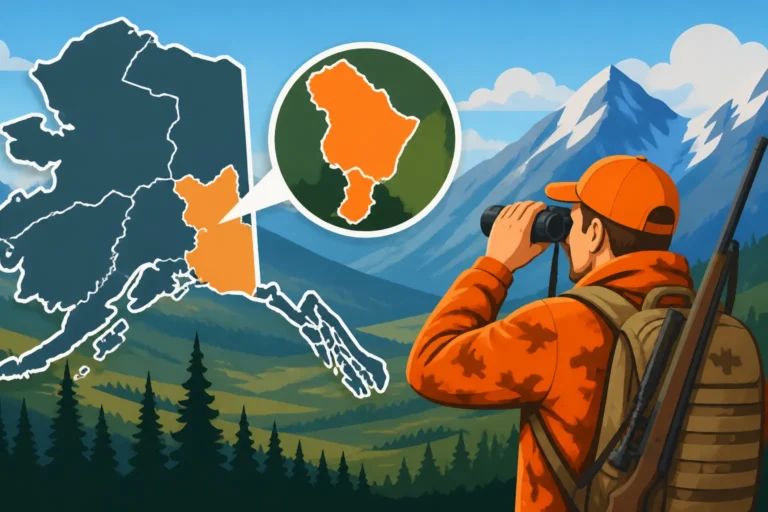
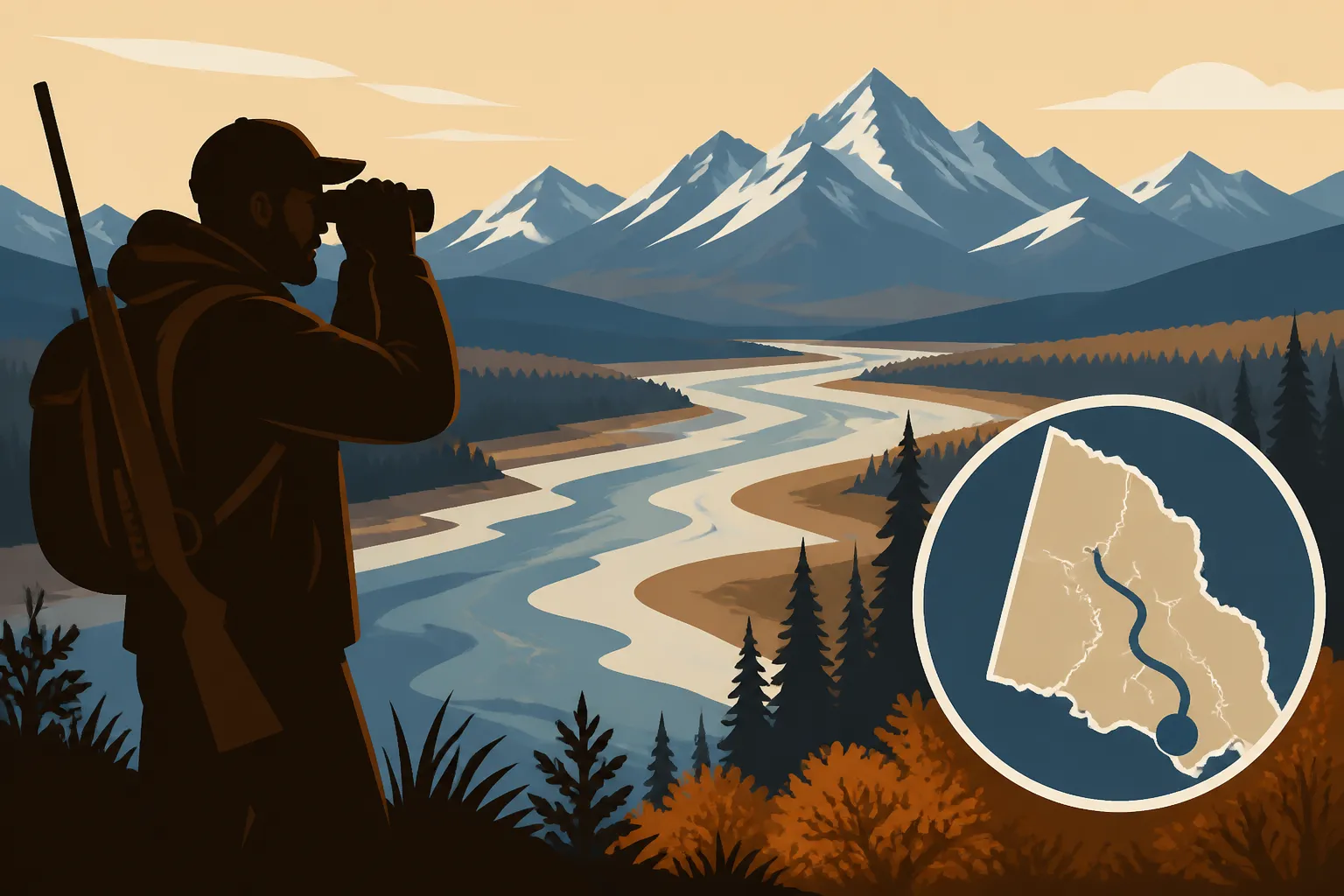
Unit 21 in Alaska is absolutely enormous, stretching across a significant portion of the state's interior. It encompasses diverse habitats, from vast river deltas and low-lying wetlands to rolling hills and spruce forests. The Yukon River, a massive artery flowing through this unit, isn't just a geographical feature; it's the highway, the lifeblood, and often the only practical means of deeper access for hunters looking to get off the sparse road system. Without understanding the fundamental role the river plays, planning a hunt here is almost impossible.
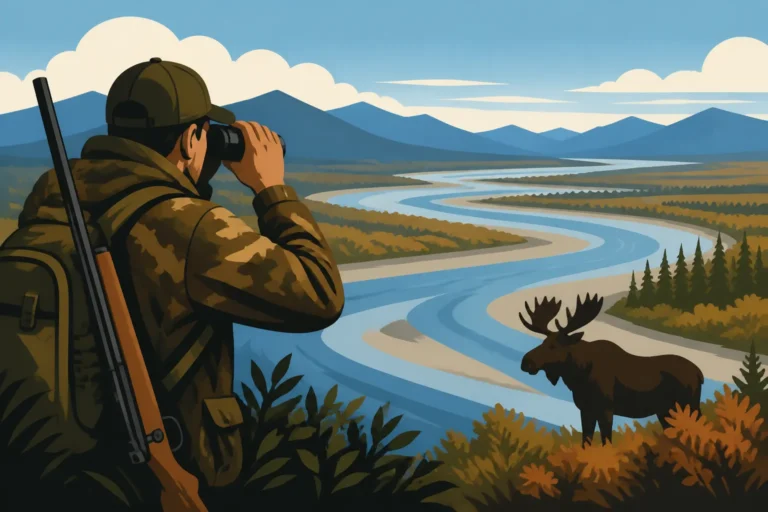
The river itself acts as a natural corridor, drawing in wildlife and providing an avenue for hunters. Imagine thousands of square miles where the primary "road" is a winding ribbon of water. This reality shapes everything about hunting here, from the species you target to the gear you pack. The riverbanks and the country immediately adjacent to them are often where hunters focus their efforts, as venturing too far inland without substantial resources and time becomes incredibly challenging.
What Makes Unit 21 Unique for Hunters
Unit 21 offers a truly classic Alaska interior hunting experience. It's renowned for its robust moose populations, particularly along the river corridors and in the vast wetlands fed by the Yukon and its tributaries. While you might not find the sheer density of moose found in some other units, the potential for trophy-class bulls exists, often in areas that see less pressure due to their remote nature. This is classic Float Hunting Alaska Rivers for Moose and Caribou country.
Beyond moose, caribou can also be found, particularly as migratory herds like the Western Arctic or Nelchina herds occasionally push through parts of the unit, although their movements are notoriously unpredictable and often dictate specific season closures or openings. Black bears are common throughout the timbered areas, offering a good secondary target. Wolves are also present, often following the moose and caribou, making them an exciting addition for opportunistic hunters. It’s a vast, wild landscape that truly embodies the spirit of self-guided adventure, but it demands serious preparation and respect.
The terrain itself presents unique challenges and opportunities. Along the river, you'll find extensive willow flats and boggy ground, perfect moose habitat but tough going on foot. Further back from the river, the ground tends to firm up into rolling, timbered hills. The sheer scale means that finding game often comes down to covering vast amounts of ground, either by boat along the river or with the aid of aircraft to reach specific lakes or clearings. This isn't a place for casual day hunts from a truck; it's a multi-day, self-sufficient expedition.
The Yukon River as a Lifeline
For hunters venturing into Unit 21, the Yukon River itself is the ultimate access point. It’s not just a river; it's the infrastructure that allows you to penetrate deep into the interior. Small villages dot its banks, often serving as critical resupply points or points of contact for air taxis. These communities are vital hubs, and understanding their location and services can make or break a trip. However, don't expect a bustling metropolis; these are remote outposts, often without regular amenities you might take for granted.
Most hunters will use the river either by float hunting—launching a raft or boat upstream and floating downstream to a pre-arranged pick-up—or by using a powerboat to navigate its currents. The river is wide and powerful, demanding respect and experienced navigation. Knowing the river's character, its sandbars, snags, and shifting channels, is paramount. You need to approach it with a healthy dose of caution and preparedness, as assistance can be days away if something goes wrong.
Common Access Methods for Yukon River Hunting
Getting into Unit 21 via the Yukon River typically boils down to two main strategies: utilizing the river directly with a boat, or flying in with an air taxi and potentially using a small craft for local movement. Each method has its own set of challenges, costs, and logistical considerations, and choosing the right one depends heavily on your budget, experience level, and the specific area you plan to hunt.
Riverboat Logistics and Considerations
Many experienced Alaska hunters choose to navigate the Yukon River system with their own riverboats. These are typically robust, shallow-draft boats, often with jet outboards, designed to handle the river's fluctuating water levels and hidden hazards like submerged logs or sandbars. You might launch from a road-accessible point, such as Nenana or Manley Hot Springs on the Tanana River (a major tributary of the Yukon), and then run downstream. The journey itself can be an adventure, covering hundreds of miles before you even reach your intended hunting grounds.
Fuel is a massive consideration. The distances are immense, and fuel consumption can be high, especially with heavy loads or against strong currents. You'll need to calculate your fuel needs meticulously and plan for multiple caches along the way or rely on limited, expensive fuel available in small villages. Carrying extra fuel in approved containers is standard practice. Navigating the river requires skill, a good map (digital tools like onX Hunt are invaluable here), and constant vigilance. Public Access Points on Alaska Rivers might be few and far between, so understanding where you can safely pull ashore is important.
Riverboats allow for flexibility once you're in the area. You can move up and down stretches of the river, exploring different sloughs and tributaries. This is particularly advantageous for moose hunting, as moose often frequent these water systems. However, a breakdown in remote territory can quickly become a life-threatening situation. Always carry spare parts, tools, and know how to perform basic repairs. Communication devices, such as a satellite messenger or InReach, are absolutely critical for safety.
Air Taxi Drop-offs and Pick-ups
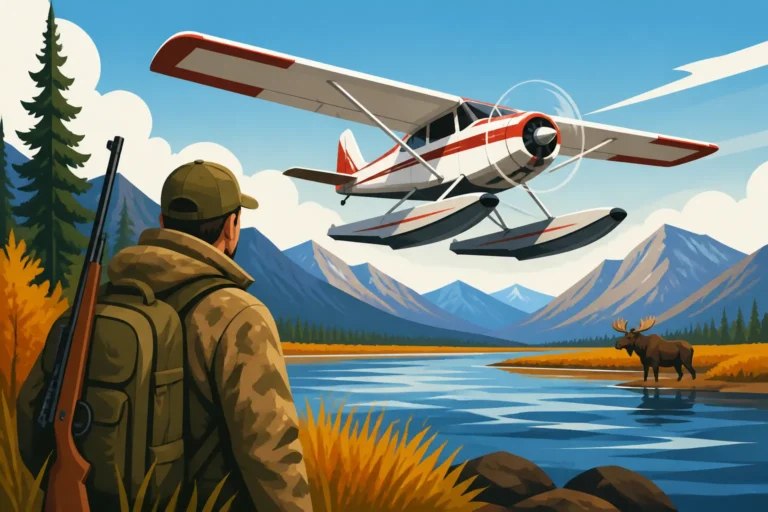
For those who don't own a riverboat or prefer to get deeper into specific areas more quickly, utilizing an air taxi is often the preferred method. Air taxis can drop you off on lakes, small rivers, or even suitable gravel bars along the Yukon or its tributaries. This allows you to bypass long riverboat journeys and access areas that are otherwise virtually unreachable. Many hunters prefer this method for its efficiency and ability to put them directly into prime hunting habitat.
Finding a reputable air taxi service is key. They understand the terrain, the weather patterns, and the legal landing zones. When booking, be very clear about your destination, your gear weight, and your expected pick-up date. Remember, weather delays are a common reality in Alaska, and you need to build flexibility into your schedule. Fly-In Hunting: Working With an Alaska Transporter Pilot is an art form, and clear communication is paramount. They will often drop you off with all your gear and food, and you'll be on your own until they return.
Gravel bars along the river and its larger tributaries often serve as impromptu landing strips for wheel planes. For floatplanes, any sufficiently large and calm lake or wide river section can be a landing zone. If you plan to hunt from a spike camp established via air taxi, you'll need to be entirely self-sufficient, capable of quartering and caring for your game, and packing it to the pickup point. Remember, if you take a large animal like a moose, the air taxi will likely need to make a second trip for the meat, adding to your cost. River Gravel Bars That Work as Landing Strips are a common sight from the air and vital for these operations.
| Access Method | Pros | Cons | Best For |
|---|---|---|---|
| Riverboat | Flexibility, access to many areas, self-reliant | High fuel cost, mechanical risk, slow travel, skilled navigation required | Multi-week expeditions, covering large river stretches, experienced groups |
| Air Taxi (Float) | Direct access to remote lakes/rivers, faster travel, less navigation skill needed | Weather delays, strict weight limits, higher initial cost, fixed drop-off/pickup | Targeting specific remote lakes or river sections, shorter trips |
| Air Taxi (Wheel) | Access to gravel bars, some clearings; good for larger loads than floatplanes | Requires suitable "runways" (gravel bars), limited landing zones | Covering vast distances quickly, accessing specific clearings or river segments |
Navigating Land Status and Regulations
One of the biggest pitfalls for hunters in Alaska, especially in vast and remote areas like Unit 21 along the Yukon River, is misunderstanding land ownership. Alaska is a mosaic of state, federal, and Native Corporation lands, and ignoring these distinctions can lead to serious legal trouble. You simply cannot assume that because land looks wild and undeveloped, it's open for public hunting or access.
The Yukon River itself, being a navigable waterway, is generally considered public domain, but the land adjacent to it can be anything. You might have federal wildlife refuges, Native Corporation lands, or state-owned parcels side-by-side. Each category comes with its own set of rules regarding access, camping, and hunting. A good map and diligent research are not optional; they are absolutely mandatory.
Identifying Public Versus Private Lands
This is where modern technology becomes your best friend. Relying solely on paper maps, while essential for backup, might not give you the up-to-the-minute detail you need. Tools like onX Hunt are game-changers for identifying land ownership in real-time (or with downloaded maps offline, which is critical in remote areas without cell service). With onX Hunt, you can zoom in and see clearly whether a particular parcel is state, federal, or Native Corporation land, and who the specific landowner is. GoHunt also offers robust mapping features and unit breakdowns that can assist in this crucial pre-hunt scouting.
Before you even leave home, spend considerable time poring over these digital maps. Mark your planned routes, potential camping spots, and any areas you intend to hunt. Cross-reference this with traditional maps and the Alaska Department of Fish and Game (ADF&G) regulations for Unit 21. Look for areas designated as national wildlife refuges, as these often have specific hunting regulations or require special permits. Land Status in Alaska: State, Federal and Native Corporation is a complex topic, and doing your homework prevents serious issues.
Remember that Native Corporation lands are private. Hunting or even accessing these lands without explicit permission (which often involves purchasing a permit from the corporation) is trespassing. Some Native Corporations, such as Doyon, Ltd., own vast tracts along the Yukon River and may offer permits for access and hunting. Always check with the relevant corporation well in advance of your trip. Don't show up assuming you can simply walk onto their land.
Understanding Federal and State Rules Along the River
Beyond land ownership, you need to be acutely aware of the specific hunting regulations for Unit 21, as defined by the Alaska Department of Fish and Game. These regulations cover everything from season dates, bag limits, and legal animal definitions (e.g., antler restrictions for moose) to methods of take. This is particularly crucial for species like moose and caribou. You must obtain an Alaska Harvest Ticket Requirement for certain species, and understand specific Alaska Moose Antler Restriction Areas if they apply.
Federal lands, such as national wildlife refuges (e.g., Yukon Flats National Wildlife Refuge, which borders or is part of Unit 21 in places), may also have their own additional regulations, which are often more restrictive than state regulations. It's a "most restrictive rule applies" situation. This means you need to consult both state regulations and federal regulations for any federal land you plan to access or hunt. The ADF&G typically publishes comprehensive regulation booklets, and the U.S. Fish and Wildlife Service has information for federal refuges. These should be downloaded or printed for offline use.
Furthermore, some areas along the Yukon may be designated as "Controlled Use Areas" (CUAs), which restrict certain forms of access, often motor vehicles or aircraft, during specific times of the year or for specific species. These are implemented to manage game populations and hunter pressure. Always check the CUA boundaries and regulations carefully. A quick online search for "Alaska Game Management Units and How They Are Numbered" can help you pinpoint specific boundaries and regulations.
Practical Considerations for a Yukon River Hunt
A hunt along the Yukon River in Unit 21 is a serious undertaking that requires meticulous planning and an unwavering commitment to self-sufficiency. This isn't a weekend trip to a developed campground. You'll be operating in genuinely remote wilderness, often many days from any form of conventional help.
Gear, Supplies, and Logistics Planning
Your gear list for a Yukon River hunt will be extensive and needs to be tailored to the specific method of access (boat or air taxi) and the duration of your trip. Think in terms of layers for clothing, as interior Alaska weather can swing wildly from warm and sunny to cold and wet, even in September. Good quality raingear is non-negotiable; you'll be wet. Sturdy, waterproof boots are essential for slogging through boggy terrain and navigating the riverbanks.
Food and water purification are critical. Plan for more food than you think you'll need, including high-calorie snacks. A reliable water filter or purification tablets are necessary, as boiling all your water isn't always practical. Shelter needs to be robust, capable of withstanding strong winds and heavy rain. A quality tent and sleeping system are investments in your comfort and safety. Consider the weight of your gear carefully, especially if flying in, as air taxis have strict Weight Limits on a Super Cub Drop.
Beyond personal gear, don't forget hunting-specific essentials: rifle or bow, ammunition, optics (binoculars, spotting scope), knives, game bags, rope, and a detailed map and compass (plus GPS with Downloading Offline Maps Before a Fly-In). For float hunts, patch kits for your raft, extra paddles, and a dry bag for every piece of gear are crucial. For any remote hunt, understanding Packing Out Meat in Alaska: The Salvage Law Hunters Must Follow is fundamental, as is having the means to do it safely and efficiently.
Emergency Preparedness and Communication
Being prepared for emergencies is paramount. This includes carrying a comprehensive first-aid kit, knowing basic wilderness first aid, and having a plan for more serious injuries. Hypothermia is a constant threat in wet, cold conditions, so understanding how to prevent and treat it is vital. Bear safety is another major concern; you're in prime bear country. Carrying bear spray and knowing how to use it, along with being proficient with a firearm, is highly recommended. Bear Safety While Butchering a Kill in Alaska is not just a suggestion, it's a necessity.
Communication is your lifeline to the outside world. Cell service along the Yukon River in Unit 21 is virtually non-existent. A satellite phone or a satellite messenger device (like an InReach) is absolutely essential for checking in with contacts, getting weather updates, or initiating an emergency rescue. Always leave a detailed trip plan with a trusted contact, including your itinerary, expected return date, and emergency procedures. Signal Devices and Check-In Plans for Solo Alaska Hunts are not just for solo hunters, they are good practice for any group.
Finally, remember that patience is a virtue in Alaska. Weather can ground planes for days, or river conditions can become too dangerous to navigate. Build extra days into your schedule for contingencies. Rushing can lead to dangerous decisions. Embrace the remoteness, respect the power of the land, and you'll be rewarded with an unparalleled hunting experience.
Disclaimer
This article is for general informational purposes only and does not constitute professional advice. Laws, prices and regulations vary by location and change over time. Consult a qualified professional for guidance on your specific situation.