Hunting on Alaska Native Corporation Land
Navigating land ownership in Alaska can feel like trying to solve a Rubik's Cube blindfolded, especially when you're dreaming of a remote hunt. One of the biggest puzzles for many hunters, particularly non-residents, is understanding how to legally access and hunt on lands owned by Alaska Native Corporations. This guide will unravel the complexities of hunting on these unique private lands, helping you understand access rules, permit requirements, and how to plan a successful trip.
The Unique Landscape of Alaska Native Corporation Lands
When you think of hunting in Alaska, vast stretches of public land often come to mind: National Forests, National Parks and Preserves, State Game Refuges, and Bureau of Land Management acres. And while these lands certainly make up a huge portion of the Last Frontier, there's another significant category that's often misunderstood, yet crucial for many hunting opportunities: lands owned by Alaska Native Corporations. These lands are fundamentally different from federal or state lands, and understanding their origin and purpose is the first step toward gaining legal access.
A Brief History and Purpose
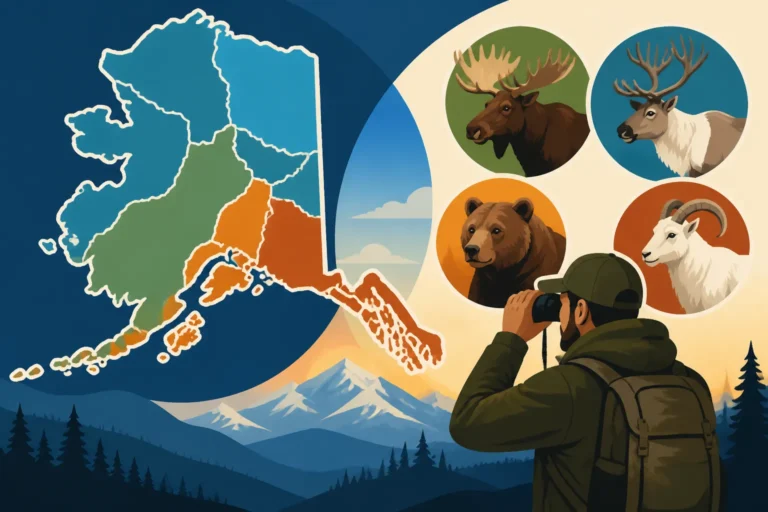
The story of Alaska Native Corporation lands begins with the Alaska Native Claims Settlement Act (ANCSA) of 1971. Before ANCSA, Alaska Natives had aboriginal claims to much of the state, but these claims were undefined and created uncertainty for land development and resource extraction. ANCSA settled these claims by extinguishing aboriginal title in exchange for 44 million acres of land and nearly $1 billion. This land and money were then distributed to 12 regional corporations and over 200 village corporations established specifically for this purpose.
These corporations are not tribes or traditional governments in the same sense as many Lower 48 Native American entities; they are for-profit corporations owned by Alaska Native shareholders. Their primary purpose is to generate economic benefits for their shareholders through resource development, investments, and other business ventures, including, in many cases, offering access for hunting, fishing, and recreation.
It’s vital to grasp that these lands are private property. They are not public lands that you can simply walk onto with your state hunting license. This distinction is often a source of confusion for hunters unfamiliar with Alaska's unique land ownership structure. Just because a map shows undeveloped wilderness doesn't mean it's open to the public; it could very well be a Native Corporation's private holding. You need explicit permission, typically in the form of a permit, to hunt on these lands.
Why Access is Different Here
The private nature of Native Corporation lands dictates a completely different approach to access compared to hunting on federal or state lands. On public lands, your state hunting license generally grants you the right to hunt, provided you adhere to game unit regulations and federal/state land use rules. On Native Corporation lands, however, your state license is only half the equation. The other, equally important half, is the permission from the landowner – the Native Corporation itself.
This permission usually comes with a cost. Native Corporations, being for-profit entities, often charge fees for access permits. These fees contribute to their economic goals, supporting their shareholders and various community programs. This is a critical difference from public land, where no additional fee is typically required just to step foot on the ground for hunting purposes. For a broader overview of how land status impacts hunting, check out our guide on Land Status in Alaska: State, Federal and Native Corporation.
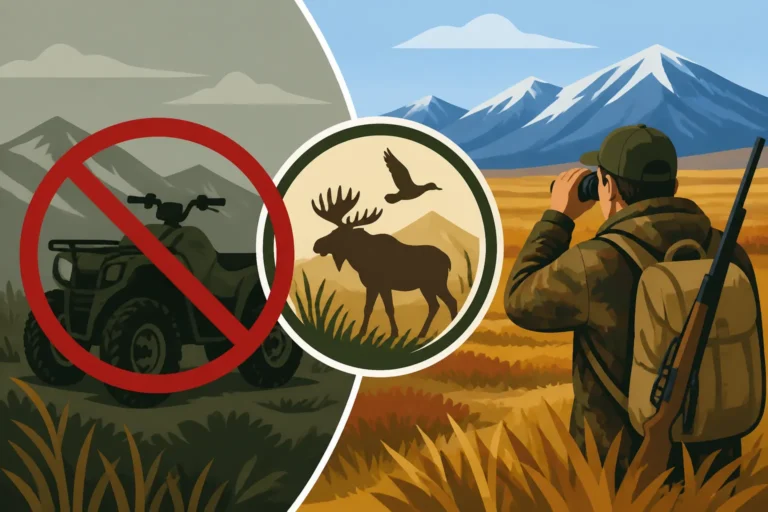
Furthermore, the rules and regulations for hunting on Native Corporation lands can vary significantly from one corporation to another, and sometimes even within different parcels owned by the same corporation. They might impose their own restrictions on species, hunting methods, seasons, or even types of gear that are allowed, in addition to state hunting regulations. It's not uncommon for these corporations to restrict ATV use, specify camping locations, or even require a certain type of guide. This mosaic of rules adds another layer of complexity that requires thorough research and planning well in advance of your hunt.
Navigating Access Rules and Permit Requirements
Given the unique legal status and operational mandates of Alaska Native Corporations, successfully hunting on their lands means understanding and meticulously adhering to their specific access rules. This isn't a one-size-fits-all situation; each corporation operates independently and sets its own policies, which can change year to year. Treating these lands as any other private property, but on a vast, wild scale, is the right mindset to adopt.
Understanding the "Private Land" Status
At its core, Native Corporation land is private property, period. This means that unlike the freedom you might experience on much of Alaska's state or federal acreage, there is no implied right of public access. Showing up with a valid state hunting license and game tags doesn't automatically grant you permission to hunt or even traverse these lands. Doing so without explicit consent is trespassing, and the consequences can range from fines and confiscation of game to criminal charges.
It's absolutely essential to be able to identify land ownership before you even start dreaming about a hunt in a specific area. Modern mapping tools are indispensable here. Applications like onX Hunt are incredibly valuable for clearly defining property lines and identifying land ownership, showing you precisely where Native Corporation lands begin and end. This kind of detailed map information can save you a lot of headaches, and potential legal trouble, by preventing accidental trespass. Before heading out, make sure you've layered all available land status information. For more on how to prepare, consider reviewing How to Check Alaska Land Status Before a Hunt.
Beyond digital tools, always remember that maps, no matter how detailed, are only as current as their last update. Corporations can change their policies, lease lands, or adjust access points. Therefore, always verify land status and access requirements directly with the specific Native Corporation involved. Relying solely on a map without confirmation from the landowner could lead to unforeseen issues in the field, even if you’ve done your homework.
Permit Application Processes
Because each Alaska Native Corporation is an independent entity, there is no single, centralized application process for hunting permits. This is perhaps one of the most frustrating aspects for hunters seeking access. You can't just go to one website or fill out one form for all Native Corporation lands. Instead, you must identify the specific corporation that owns the land you wish to hunt and then research their individual permitting process.
Some of the larger regional corporations, like Doyon, Ahtna, or Sealaska, have well-established websites with dedicated sections for recreation permits, including hunting. These sites often provide detailed information on available hunts, species, seasons, designated access areas, and the application procedure itself. They might have online application portals, downloadable forms, or clear contact information for their land management departments. However, for smaller village corporations, the process might be less formalized, requiring direct phone calls or even letters to the village council to inquire about access.
When you do find the permit application, be prepared for a variety of requirements and fees. Permits often specify the exact species you can hunt, the dates of your hunt, the permitted method (e.g., rifle, bow), and the specific boundaries of your access. Fees can vary widely depending on the species, the duration of the hunt, and whether you are an Alaska resident or a non-resident. It's crucial to factor these additional costs into your overall trip budget, as they are separate from your state hunting license and tag fees. For a better understanding of these costs, take a look at What an Alaska Native Corporation Permit Costs. Always ensure you understand every clause of the permit before signing, and carry a copy of your permit with you at all times during your hunt, along with your state hunting license and tags.
Major Alaska Native Corporations and Their Hunting Opportunities
Alaska is home to 12 regional Native Corporations and over 200 village corporations, each with its own land base and approach to land management and recreational access. While it's impossible to cover every single one, understanding the policies of some of the larger regional corporations can provide a good framework for how these lands operate and what to expect when seeking hunting opportunities.
Regional Corporations: Doyon, Ahtna, and CIRI Examples
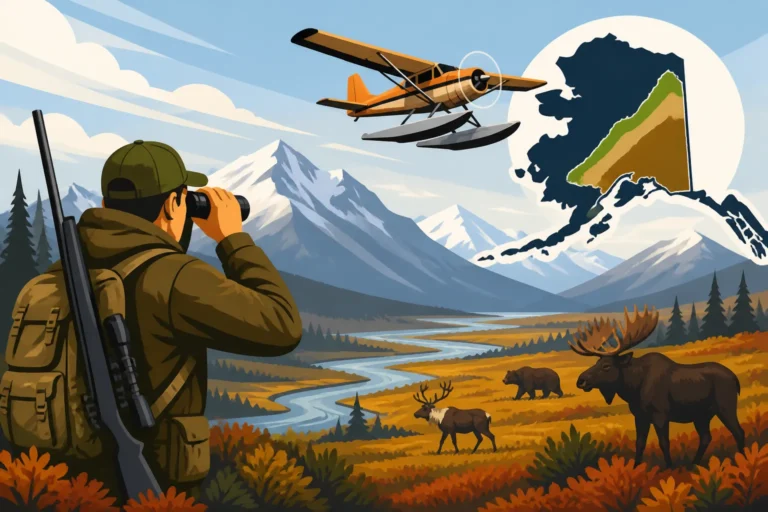
Doyon, Limited is Alaska's largest private landowner, holding approximately 12.5 million acres primarily in Interior Alaska. This vast expanse offers incredible potential for remote moose, caribou, bear, and even sheep hunting. Doyon is known for having a relatively robust permit system, often requiring non-residents to use a licensed guide for big game hunts on their lands. They typically have a tiered system for permits, with different costs and access rules for shareholders, residents, and non-residents. Their lands are often remote, necessitating fly-in access, and proper planning with an air taxi and guide is essential. You can learn more about specific requirements by researching Doyon Lands and Hunter Access.
Ahtna, Inc. manages lands predominantly in the Copper River Basin of Southcentral Alaska, totaling around 1.5 million acres. Ahtna lands often provide road-accessible opportunities, particularly along major highways like the Glenn Highway and Richardson Highway, making them popular for moose and caribou hunters. Ahtna also has a well-defined permitting system, often with specific requirements for certain areas or species. They, too, distinguish between shareholder, resident, and non-resident access, and their policies can be quite detailed regarding methods of travel, camping, and species limitations. For specifics on hunting this region, check out Ahtna Lands in the Copper Basin.
Cook Inlet Region, Inc. (CIRI) manages a more diverse and often more fragmented land base, primarily in Southcentral Alaska, including areas relatively close to Anchorage. Their holdings can be a patchwork amongst state and federal lands, making precise land identification absolutely critical. CIRI's approach to recreational access can be quite dynamic, often involving leases to other entities or strict permit requirements. Hunters interested in accessing CIRI lands need to be particularly diligent in their research and communication to understand the specific rules for any given parcel. Our article Hunting CIRI Lands Near Anchorage provides more detail on navigating these opportunities.
Village Corporations and Other Landowners
Beyond the regional powerhouses, hundreds of village corporations across Alaska also own significant tracts of land. These corporations typically hold surface estate within a village area and often surrounding traditional hunting grounds. Access to these lands can be more nuanced and might require direct contact with the village council or the corporation's land department. In many cases, these lands are integral to the local subsistence lifestyle, and hunting permits for non-shareholders or non-residents may be limited, or culturally sensitive.
Sometimes, access to village corporation lands is offered as part of a package deal with a local air taxi or guide service that has an existing permit or agreement with the corporation. This can be a simpler route for hunters unfamiliar with direct negotiations. However, even in these situations, it's crucial to understand the terms of the permit and to respect local customs and priorities. Always be aware that Native Allotments, which are individual land parcels selected by Alaska Natives, can also exist within both Native Corporation and public lands. These are also private and require permission.
It's worth noting that some Native Corporations might not offer general public hunting permits at all, or they may restrict access to shareholders and their immediate family only. Others may focus on leasing their lands for specific resource development or to commercial guiding operations, thereby limiting independent hunting access. The key takeaway is that due diligence is paramount; always assume land is private until you have confirmed otherwise and secured all necessary permissions.
| Corporation Type | Common Access Method | Typical Permit Availability | General Cost Shape | Key Consideration |
|---|---|---|---|---|
| Large Regional (e.g., Doyon) | Fly-in, ATV (restricted) | Often available for non-residents | Moderate to High Fees | Non-resident guide requirement common. Vast lands. |
| Smaller Regional (e.g., Ahtna) | Road, ATV, Boat | Often available for non-residents | Moderate Fees | Specific road/trail rules. Can be popular. |
| Village Corporation | Local boat, ATV, walk-in | Limited/Local Preference | Low to Moderate Fees | Direct contact with village council often needed. |
| Leased to Outfitter | Guide/Air Taxi arranged | Only through specific outfitter | Included in guide fee | You deal with the outfitter, not the corporation. |
Planning Your Hunt on Native Corporation Lands
Successfully planning a hunt on Alaska Native Corporation land demands more than just knowing what species you're after or how to handle your rifle. It requires a deep dive into land ownership, permit specifics, and a commitment to respecting the unique context of these properties. This pre-trip groundwork is just as important as your physical conditioning or gear preparation.
Essential Research and Mapping Tools
The very first step in planning any hunt on Native Corporation land is to clearly identify the land ownership of your target area. This isn't always straightforward in Alaska's complex land mosaic. Start by identifying the Game Management Unit (GMU) you're interested in, then overlay detailed land ownership maps. Tools like onX Hunt are absolutely crucial here. They allow you to toggle different land layers, revealing federal, state, and private (including Native Corporation) boundaries with high precision right on your phone or computer. You can scout potential access points, identify adjacent public lands, and understand the exact parcels you'd need permission for. This is infinitely more reliable than relying on outdated paper maps or general knowledge.
Once you’ve pinpointed the Native Corporation owning the land, your research shifts to their specific land-use policies. Visit their official website, if available, or make direct phone calls to their land or permitting department. Don't be shy about asking detailed questions: What species are permitted? Are there specific season dates that differ from state regulations? Are there restrictions on camping, vehicle use (e.g., ATVs), or firearms? What are the permit fees for non-residents, and what does the permit actually cover? The more information you gather upfront, the fewer surprises you'll encounter in the field. For comprehensive information on determining land ownership, refer to How to Check Alaska Land Status Before a Hunt.
Remember that these corporations are not government agencies; they are private businesses. Their policies are designed to benefit their shareholders and manage their assets. This means their rules can be quite strict, and adherence is non-negotiable. Platforms like GoHunt can also offer valuable insights into various hunting units, draw odds, and often include user-generated reports that might mention experiences with Native Corporation lands, though always cross-reference this with official corporation information. Thorough planning is the only way to avoid legal issues and ensure a smooth hunting experience.
Budgeting and Logistics for Permitted Hunts
Hunting on Native Corporation lands adds distinct financial and logistical layers to your trip planning. First and foremost, permit fees from the corporations are an additional cost on top of your standard Alaska hunting license and game tags. These fees can range from nominal amounts to hundreds or even thousands of dollars, depending on the corporation, the species, and the demand for access. You need to factor these permit costs into your overall Budgeting Licence, Tags and Fees for an Alaska Hunt from the very beginning. Don't forget that if you're working with a guide who already has a concession agreement with the corporation, the permit fee might be rolled into the guide's overall service fee, but it's always wise to clarify this.
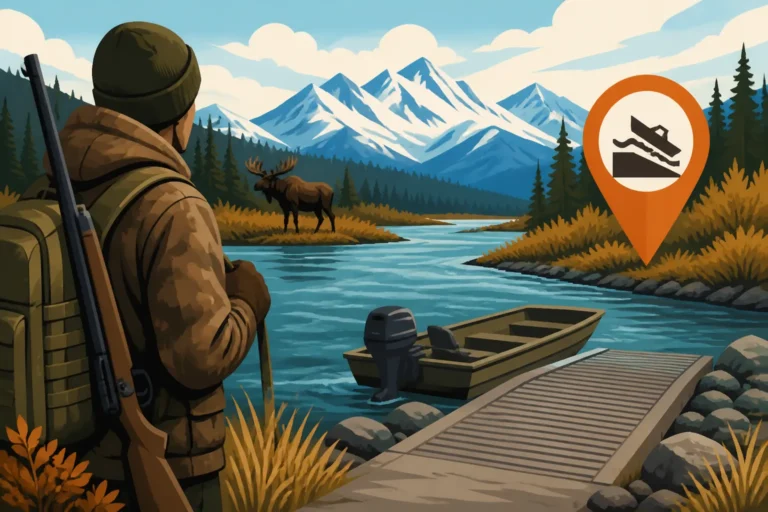
Logistics are equally critical. Many Native Corporation lands are in remote areas, meaning access will involve bush planes, boats, or ATVs. If you're planning a fly-in hunt, you'll need to coordinate with an air taxi service, which will have its own costs and weight restrictions. Fly-In Hunting Areas Across Interior Alaska can give you an idea of the considerations for such trips. Ensure your chosen access method is explicitly permitted by the corporation. Some corporations might have designated landing strips or river access points that are the only legal ways to enter their lands, or they might restrict specific types of vehicles or aircraft.
Finally, always consider the possibility of unforeseen delays, especially due to weather in remote Alaska. Building in extra days at the beginning and end of your trip can save you from missing flights or violating permit dates. Communicate your travel plans clearly with the Native Corporation, especially if you anticipate any changes to your schedule. Being prepared for these logistical challenges will make your permitted hunt on Native Corporation land far more enjoyable and successful.
Ethical Considerations and Best Practices
Hunting on Alaska Native Corporation lands isn't just about obtaining a permit; it's about entering a landscape with deep cultural significance and respecting the landowners' heritage and rules. Approaching these hunts with a strong ethical compass and a commitment to best practices is paramount, not only for a successful trip but also for maintaining good relationships between hunters and Native Corporations, which in turn preserves future access opportunities.
Respecting the Land and Culture
When you acquire a permit to hunt on Native Corporation land, you're gaining temporary access to private property that is often ancestral homelands. This land holds profound cultural, spiritual, and economic importance for the Alaska Native shareholders. Therefore, your conduct on these lands should reflect an elevated level of respect, extending beyond just following hunting regulations.
Always adhere to the principles of "Leave No Trace." Pack out everything you pack in, including all trash, spent casings, and any non-biodegradable waste. Avoid damaging vegetation, cultural sites, or natural features. If you encounter any historical or archaeological sites, leave them undisturbed and, if possible, report their location to the Native Corporation. Your actions on their lands are a reflection not just on you, but on all hunters. Being a responsible steward helps foster trust and ensures that these corporations remain open to recreational access.
Furthermore, be mindful of any specific requests or restrictions the corporation might have, which could range from designated camping areas to limitations on fire use or even particular routes of travel. These rules are often put in place to protect sensitive habitats, maintain traditional uses, or minimize impacts on local communities. Understanding and honoring these requests demonstrates respect for the landowners and their cultural values.
Communicating and Complying
Clear, open, and proactive communication with the Alaska Native Corporation is a hallmark of responsible hunting. Before your trip, make sure all your permit details are in writing, and you fully understand every clause. If you have any questions or uncertainties, reach out to them directly. It's much better to clarify something beforehand than to make an assumption in the field that could lead to a violation.
During your hunt, always carry your permit, state hunting license, and tags. Be prepared to present them if requested by corporation representatives or law enforcement. Upon a successful harvest, comply with all reporting requirements specified by both the state and the Native Corporation. Just like state Alaska Harvest Tickets, Registration Permits and Draw Permits, the corporations often have their own reporting deadlines and forms to track activity on their lands. This data helps them manage their resources and assess the impact of recreational hunting.
Finally, remember that you are an ambassador for the hunting community. Positive interactions and strict adherence to rules help build a favorable reputation for hunters, encouraging Native Corporations to continue offering access. Conversely, a single incident of disregard or violation can jeopardize access for everyone. By acting ethically and responsibly, you contribute to a sustainable future for hunting on these unique and valuable lands. You might also encounter Alaska Controlled Use Areas and What They Restrict near or adjacent to Native Corporation lands, adding another layer of rules to understand and follow.
Disclaimer
This article is for general informational purposes only and does not constitute professional advice. Laws, prices and regulations vary by location and change over time. Consult a qualified professional for guidance on your specific situation.