Denali National Preserve Hunting Access
It’s a common misconception, especially for those new to hunting in Alaska, that Denali National Park and Preserve is entirely off-limits for hunting. You hear "National Park" and immediately think no hunting, right? It's a totally understandable assumption, and one that often leads hunters to overlook a vast and spectacular area brimming with opportunity. This guide is here to untangle that confusion, walking you through the ins and outs of legally accessing and hunting within the Denali National Preserve, ensuring you understand the rules, the nuances, and what it truly takes to plan a successful trip into this iconic Alaskan landscape.
Understanding the Unique Status of Denali National Preserve
Navigating the various land designations in Alaska can feel like trying to read a map drawn by a dozen different people. You’ve got state lands, federal lands, Native Corporation lands, and then these specific federal designations like National Parks and Preserves, each with their own set of rules. It’s enough to make your head spin, and Denali is a prime example of where clarity is absolutely essential for hunters.
National Park Versus National Preserve: What's the Difference for Hunters?
The biggest hurdle for many hunters is simply understanding that Denali isn't one monolithic entity with a single set of rules. It's actually a combination of a National Park and a National Preserve. The Denali National Park, established in 1917, is where most of the famous roadside wildlife viewing happens, and as is typical for national parks, all hunting is strictly prohibited. This is the part everyone knows, and frankly, it often overshadows the preserve section.
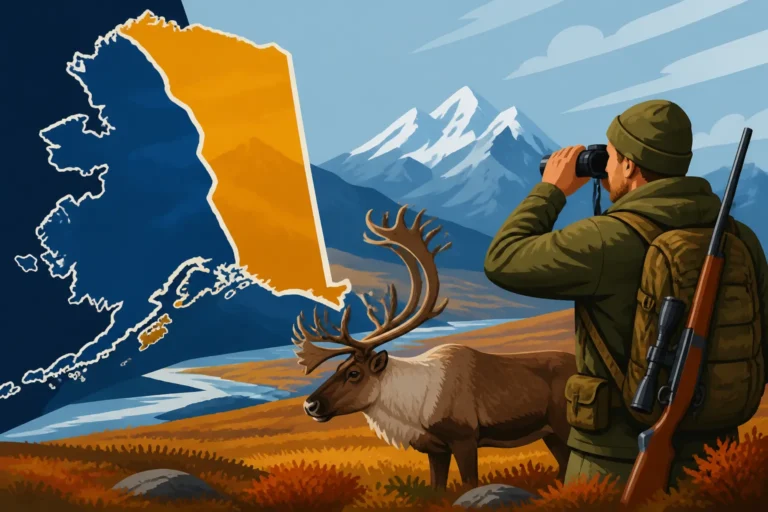
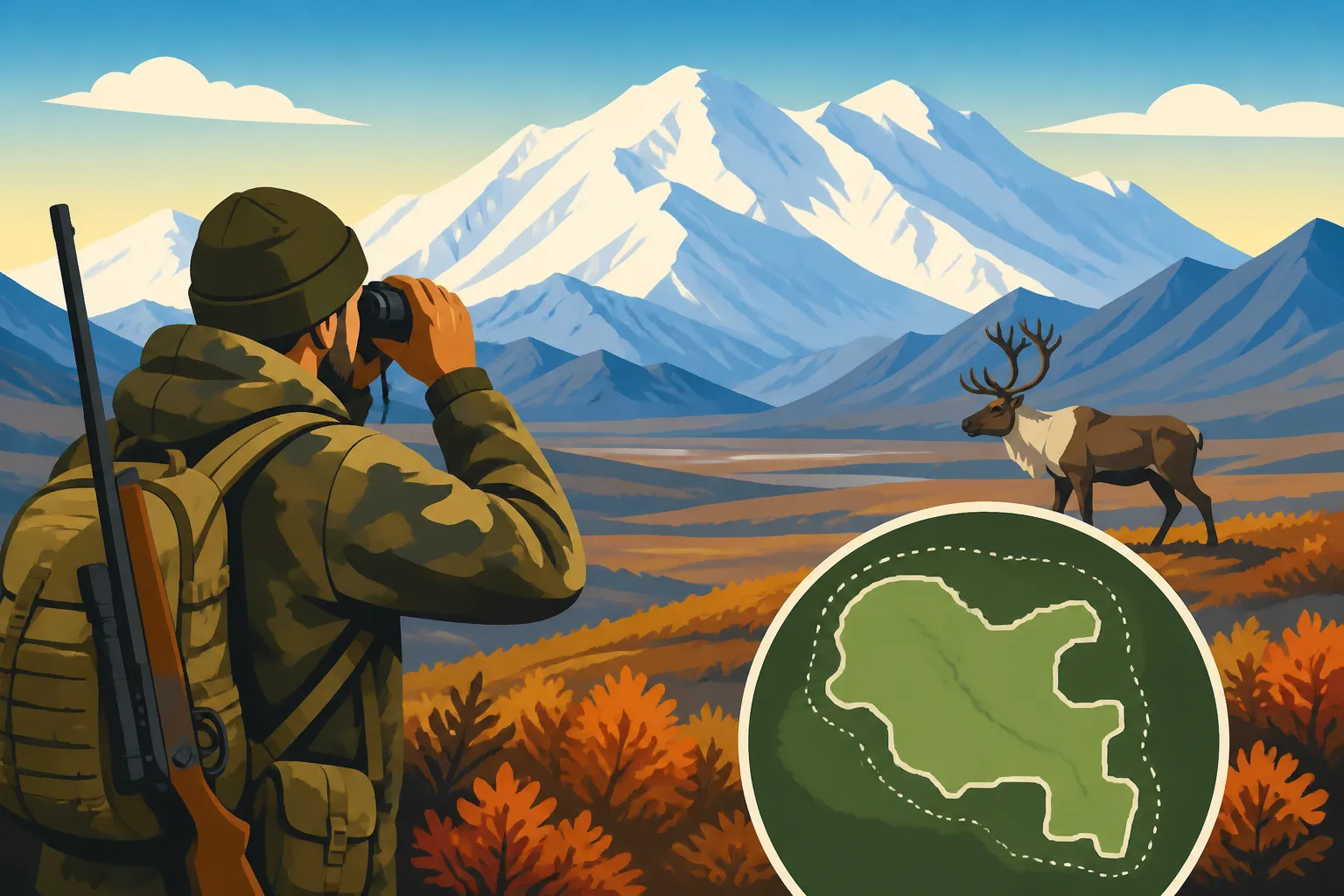
However, Denali National Preserve was created later, specifically to allow for traditional activities like hunting and trapping, while still protecting the natural environment. Think of it as a bridge, a place where conservation and customary use coexist. For a hunter, this distinction is paramount. It means that while you can't sling your rifle in the park, there are significant portions of the Denali complex where, with the right permits and knowledge, you absolutely can pursue game. The boundaries aren't always intuitive on a map, which is why a good, detailed mapping system like onX Hunt becomes an indispensable tool for identifying where the park ends and the preserve begins. Without knowing this fundamental difference, you're either missing out on incredible hunting or, worse, risking a serious violation. Understanding this legal mosaic is the very first step to hunting Denali. Denali National Preserve Versus Park Boundaries offers more context on delineating these areas.
General Regulations Versus Federal Regulations
Once you grasp the park vs. preserve distinction, the next layer of complexity is understanding which regulations apply. For the most part, hunting within Denali National Preserve falls under the purview of the Alaska Department of Fish and Game (ADF&G) state hunting regulations. This means you'll be adhering to the same season dates, bag limits, and legal requirements (like needing a hunting license and appropriate tags) that you would on adjacent state lands. So, if it's moose season in Unit 20C, it's generally moose season in the parts of the preserve that fall within Unit 20C.
However, because it's federal land managed by the National Park Service, there can be additional federal regulations or restrictions that overlay the state rules. These federal rules often dictate things like access methods, allowable campsites, or specific weapon restrictions in certain zones. For example, while the state might allow ATVs in some areas, the preserve might prohibit them entirely. It’s not uncommon for federal lands to have stricter rules on things like campfires, food storage, or even the type of structures you can erect. You must consult both the current ADF&G regulations and the Denali National Park and Preserve specific hunting regulations (found on the National Park Service website). Overlooking one set of rules can lead to fines, citations, or worse, losing your hunting privileges. It's a hassle, absolutely, but it's the cost of admission for hunting in such a special place. For a broader look at differing federal designations, consider Wrangell-St. Elias Preserve Versus Park Lands.
Planning Your Denali National Preserve Hunt
Planning a hunt in Denali National Preserve is not a spur-of-the-moment decision. It requires meticulous research, careful logistics, and a deep understanding of the regulatory landscape. This isn't your average road-system hunt; it’s a commitment to an Alaskan backcountry experience that demands respect for both the wildlife and the rules.
Species Available for Harvest in the Preserve
Denali National Preserve offers opportunities for a variety of Alaska's big game species, making it a truly diverse hunting destination. Depending on the specific Game Management Unit (GMU) that a section of the preserve falls into, you can find huntable populations of moose, caribou, Dall sheep, grizzly (brown) bears, and black bears. For example, the eastern portions of the preserve might offer moose and caribou, while higher alpine areas are home to Dall sheep. Black bears and grizzlies are found throughout, often following the salmon runs or berry patches.
Each of these species will have its own specific season dates, bag limits, and legal harvest criteria as set by the Alaska Department of Fish and Game. It's not a free-for-all; you'll need the correct locking tags for species like moose, caribou, and bears, and a Dall sheep tag is often a draw permit in many units. Always check the current regulations booklet for the GMU you plan to hunt within the preserve. The key here is not just knowing what you can hunt, but where within the preserve that species is most prevalent and what the specific state regulations are for that area.
Permit Requirements and Application Processes
As we touched on, hunting in Denali National Preserve primarily adheres to Alaska's state hunting regulations. This means you'll need a valid Alaska hunting license and, for big game, the appropriate locking tags. Many of the sought-after species, like Dall sheep and sometimes specific caribou or moose hunts, are managed through Alaska's draw permit system. This is a competitive application process where hunters apply for specific hunt numbers months in advance, hoping to be one of the lucky few to draw a tag. The application period usually runs from November 1st to December 15th each year, with results announced in February.
For species with general season hunts, like black bear or certain moose areas, you might purchase an over-the-counter locking tag. However, it’s crucial to verify if the particular hunt number you're interested in within the preserve is indeed a general season or a draw hunt. Additionally, always double-check if the National Park Service has any additional federal permits or registration requirements specifically for hunting within the preserve boundaries. While less common for general hunting, some federal lands do have supplemental permits to manage hunter numbers or track usage. Don't assume; always verify with both ADF&G and NPS. For more on Alaska's permit system, check out Alaska Harvest Tickets, Registration Permits and Draw Permits.
Season Dates and Quotas Specific to Denali Preserve
While Denali National Preserve hunts typically follow state season dates and bag limits, it's vital to recognize that these can sometimes be subject to additional layers of management or even emergency closures by federal authorities or ADF&G. For example, a particular caribou herd that migrates through the preserve might have its season length or quota adjusted based on herd health or movement patterns, potentially differing slightly from a nearby state-managed area.
Quotas are especially critical to track. Many caribou hunts, and occasionally moose or bear hunts, operate on a quota system where the season closes early once a predetermined number of animals have been harvested. This is often announced via emergency orders. Staying informed means constantly monitoring the ADF&G website and bulletins, especially as your hunt date approaches. You can’t just rely on the printed regulations; conditions in the field and management decisions can change quickly. Services like GoHunt can be invaluable here, often aggregating these updates, but always confirm with the official sources. Knowing the nuances of potential early closures, and having a backup plan, is just part of hunting in a dynamic environment like Alaska. To learn more about how seasons can change, see Alaska Emergency Orders That Close a Season Early.
| Feature | National Park (e.g., Denali National Park) | National Preserve (e.g., Denali National Preserve) |
|---|---|---|
| Primary Purpose | Strict conservation, recreation, education | Conservation with allowance for traditional uses |
| Hunting Permitted? | No, strictly prohibited | Yes, under specific state & federal regulations |
| Trapping Permitted? | No | Yes, under specific state & federal regulations |
| Motorized Access | Highly restricted, often shuttle bus only | Often restricted, but generally more flexible |
| Primary Management | National Park Service (NPS) | National Park Service (NPS) (overseeing state regs) |
| Typical Activities | Wildlife viewing, hiking, photography | Hunting, hiking, camping, traditional subsistence |
| Required Permits | Park entrance fees/reservations | State hunting license, tags, potentially federal permits |
Navigating Access and Transportation within the Preserve
Getting into Denali National Preserve for a hunt is often the biggest logistical challenge. Unlike road-system hunts, direct vehicle access is severely limited, pushing most hunters into a remote, fly-in, or extensive backpacking scenario. It’s an adventure in itself just to get to where you want to hunt.
Road Access and the Denali Park Road System
The famous Denali Park Road is the primary artery through the Denali complex, stretching 92 miles into the heart of the wilderness. However, for hunters, this road presents more restrictions than opportunities. The vast majority of the road lies within the National Park boundaries, where hunting is prohibited. Even the small sections that might skirt the preserve have severe limitations on private vehicle use. For most of the season, private vehicles are restricted beyond a certain point (typically Savage River at Mile 15), with a shuttle bus system transporting visitors deeper into the park.
This means you generally cannot drive your truck right up to a trailhead in the preserve and start hunting. Any hunting access from the Denali Park Road corridor would likely require a significant hike off-road and into the preserve boundaries, often beginning far from any convenient parking or drop-off points. Some limited exceptions or specific permits might exist for certain times of the year or particular areas, so always verify current regulations directly with the National Park Service. For all practical purposes, if you're planning a vehicle-based hunt, the Denali Park Road is not your friend. You'll need to explore other options or focus on truly off-road, remote access points. If you're looking for more accessible hunting, you might consider areas with better road infrastructure, like those along the Denali Highway Mile Markers and Access.
Fly-In Hunting and Bush Plane Limitations
For many hunters, a bush plane is the most practical way to access the remote hunting grounds of Denali National Preserve. Air taxis can drop you off deep in the backcountry, often on gravel bars, tundra strips, or remote lakes. This opens up vast areas that would otherwise be inaccessible. However, flying into a federal preserve comes with its own set of rules. You can't just land anywhere; there are designated landing strips or approved zones for aircraft. The National Park Service has strict regulations on where bush planes can operate and what kind of impact they can have.
You'll need to work with an experienced air taxi operator who is permitted to fly into Denali National Preserve and understands the specific federal regulations. They'll know the legal landing sites and the nuances of operating within a protected area. Weight limits are also a critical consideration when flying in. Every ounce counts, not just for your gear on the way in, but especially for meat and trophies on the way out. You'll likely need to plan for multiple flights or for flying lighter than usual. Be prepared for weather delays, which are common and can significantly impact your schedule. Trust your pilot’s judgment; they’re the experts on safe bush operations. Consider reading Fly-In Hunting: Working With an Alaska Transporter Pilot for more insights on air charters.
Backpacking, Packrafting, and ATV Use
Once on the ground, your primary modes of travel will be foot power, and perhaps a packraft or pack stock. Backpacking is a given for most Denali hunts. You'll be carrying all your gear, food, and eventually, if successful, your meat and trophy on your back. This demands a high level of physical fitness and appropriate gear for extended stays in unforgiving terrain.
Packrafting is another excellent option for accessing remote areas, especially those with braided rivers or numerous lakes within the preserve. A packraft allows you to move efficiently across water bodies, cover ground quickly, and potentially even float out meat. However, familiarize yourself with safe packrafting techniques and the specific water conditions you'll encounter. Rivers can be swift and cold, and a mishap can quickly become life-threatening. Packrafting Into a Roadless Alaska Drainage delves deeper into this method.
Regarding ATVs and other motorized vehicles, restrictions within Denali National Preserve are typically very stringent. Generally, motorized off-road travel for hunting purposes is prohibited. You cannot simply drive your ATV through the tundra in the preserve. Any use of ATVs would be limited to specific, designated trails or established routes, which are rare for hunting access. Always assume "no" unless you have explicit, written confirmation from the National Park Service that a particular motorized access method is allowed in your chosen hunting area. It's much safer to plan on strictly non-motorized travel once you're on the ground.
Essential Gear and Camp Considerations for Denali
Hunting in Denali National Preserve isn't just about finding game; it's about surviving and thriving in a genuinely wild, unforgiving environment. The gear you bring, how you manage your camp, and your approach to safety are paramount. This isn't a place for cutting corners on equipment or preparedness.
Bear Safety and Encounter Protocols
Denali National Preserve is prime habitat for both grizzly (brown) bears and black bears. Bear encounters are not a possibility; they are a probability. Therefore, bear safety is non-negotiable and must be at the forefront of all your planning and actions in the field. This includes proper food storage: all food, garbage, and anything scented (like toiletries) must be stored in bear-resistant containers, hung from a tree well off the ground and away from your sleeping area, or placed in an electric bear fence. Never cook or eat near your tent.
Carrying bear spray is a must, and it should be easily accessible, not buried in your pack. Knowing how to use it effectively is also crucial. Many hunters also carry a firearm for bear defense, typically a powerful caliber rifle or a large-bore handgun. The debate between bear spray and firearms is ongoing, but the most important thing is to have a plan and practice it. Know how to react in different bear encounter scenarios – whether it’s a curious bear, a defensive sow with cubs, or a predatory bear. Being mentally prepared and physically equipped can make all the difference. The fear of a bear encounter is real and valid, but proper preparation can significantly mitigate the risk. For more on this topic, read Bear Safety While Butchering a Kill in Alaska.
Camp Logistics: Water, Shelter, and Communication
Establishing a secure and functional camp in Denali is critical for comfort and safety. When choosing a campsite, prioritize access to clean water sources. While glacial streams and lakes might look pristine, always filter or purify your drinking water to prevent giardia and other waterborne illnesses. Good quality, reliable filtration systems are essential.
Your shelter needs to be robust. Alaskan weather is notoriously unpredictable, and Denali can throw everything at you: torrential rain, snow, high winds, and freezing temperatures, often within the same day. A strong, four-season tent with a good fly and sturdy poles is a necessity. Make sure you know how to pitch it securely in windy conditions. Keeping warm and dry is fundamental to your health and morale in the backcountry.
Communication is another major concern, as cell service is non-existent in most of the preserve. A satellite communication device, like an inReach or Spot device, is not just a luxury; it's a safety essential. These devices allow you to send and receive text messages, share your location, and, critically, send an SOS signal in an emergency. Establish a check-in schedule with a contact back home so someone knows your plans and when to expect to hear from you. This is especially vital for solo hunters. For more on communication, see Signal Devices and Check-In Plans for Solo Alaska Hunts.
Meat Care and Salvage Requirements
Alaska has strict game salvage laws, and federal lands like Denali National Preserve often have additional considerations. The most critical rule is that all edible meat must be salvaged and transported from the field. This isn't just a suggestion; it's the law, designed to prevent wanton waste. For a moose or caribou, this means every ounce of edible meat must be packed out, including the neck meat and ribs. For bears, while the hide and skull are typically the primary trophy, some edible meat must also be salvaged, and you must understand how to properly care for bear meat to mitigate trichinosis risk.
Once an animal is down, your priority shifts to quickly cooling the meat and protecting it from scavengers. Game bags are essential for keeping meat clean and allowing it to breathe. Hang meat in a shady, airy spot, away from the ground, and ideally out of reach of bears and wolves. If you're backpacking, you'll need a robust internal or external frame pack capable of handling heavy, awkward meat loads. This can mean multiple trips back and forth, or a single, brutally heavy haul. Plan your extraction strategy before you pull the trigger. Ignoring meat care can lead to spoilage, which is both a waste and a violation. You’ll find more details on this crucial topic in Packing Out Meat in Alaska: The Salvage Law Hunters Must Follow.
Respecting the Resource and Other Users
Hunting in a national preserve is a privilege, not a right. The future of hunting in these unique areas hinges on how responsibly and ethically hunters conduct themselves. This means not only adhering to regulations but also demonstrating a deep respect for the land, the wildlife, and the other people who come to Denali for different reasons.
Minimum Impact Hunting Practices
Hunting in Denali National Preserve demands an unwavering commitment to minimum impact practices, often referred to as "Leave No Trace" principles. This means that everything you pack in, you must pack out – including all your garbage, spent casings, and even organic waste like orange peels or apple cores. These items don't break down quickly in cold climates and detract from the wilderness experience for others.
Ethical shot placement is paramount. You owe it to the animal to make a clean, humane kill and ensure a quick recovery. This means practicing your shooting skills extensively before your hunt and knowing your effective range. Avoid shots that are likely to wound and lose an animal, particularly in rugged terrain where recovery might be impossible. When field dressing, minimize disturbance to the site. Scatter offal to allow scavengers to disperse it naturally, rather than leaving a concentrated pile. Your goal should be to leave the area looking as though you were never there, preserving the wild character of Denali for everyone.
Interacting with Hikers and Wildlife Viewers
One of the unique aspects of hunting in Denali National Preserve, compared to more remote state lands, is the potential for encountering non-hunting visitors. Denali attracts thousands of hikers, photographers, and wildlife viewers who may not understand or approve of hunting. While you have every right to be there, exercising courtesy and discretion is essential.
When you encounter other users, be polite and respectful. Keep firearms cased or slung in a non-threatening manner if possible, especially when passing close by. Be mindful of how your actions might be perceived. This isn't about hiding that you're hunting, but about being a good ambassador for hunting. A simple nod, a friendly greeting, or a brief, educational conversation can go a long way in fostering understanding rather than antagonism. Remember, their wilderness experience is as valid as yours, and a shared respect for the landscape and each other can help ensure continued access for all users.
Reporting Your Harvest and Compliance
The hunt isn't truly over until you've accurately and promptly reported your harvest. Alaska has specific deadlines for reporting, whether it's an online submission for a general season animal or turning in a physical harvest ticket for a registration hunt. For draw permit hunts, reporting is also mandatory, regardless of success. This data is absolutely vital for wildlife managers to assess population health, track harvest numbers, and make informed decisions about future hunting seasons.
Failure to report your harvest is not just a minor oversight; it's a violation of state regulations and can result in fines and potentially impact your ability to apply for future permits. When hunting in a federal preserve, there might be additional reporting requirements specific to the National Park Service, beyond the state's mandate. Always check both sets of regulations to ensure full compliance. Responsible hunters understand that their actions contribute directly to the management and conservation of Alaska's wildlife. Accurate reporting is a cornerstone of ethical hunting and a way to give back to the resource that provides such incredible opportunities. For specific details on reporting deadlines, refer to Alaska Harvest Report Deadline After the Hunt.
Disclaimer
This article is for general informational purposes only and does not constitute professional advice. Laws, prices and regulations vary by location and change over time. Consult a qualified professional for guidance on your specific situation.