When an Alaska Registration Hunt Closes on Quota
There's nothing quite like the excitement of planning an Alaska hunting trip, meticulously laying out gear, studying maps, and dreaming of big game. But for many hunters, especially those looking at Alaska's registration hunts, a nagging worry often lurks: what if the season closes early? It's a real frustration, pouring all that effort into preparation only to find out the hunt has been called off before you even leave home, or worse, while you're already in the field. This guide is here to demystify how Alaska's registration hunts work, particularly the critical aspect of quota closures, so you can plan smarter and stay informed.
Understanding Alaska's Registration Hunts
Alaska's hunting landscape is complex, with different permit systems designed to manage specific game populations and hunting pressure. Unlike drawing permits, which are awarded through a lottery, or general season hunts where you just need a harvest ticket, registration hunts, often called "RG" hunts, are a unique beast. They're designed to provide hunting opportunities while allowing the Alaska Department of Fish and Game (ADF&G) to closely monitor harvest numbers and protect wildlife populations.
What Makes Registration Hunts Different
Registration hunts are typically open to anyone with a valid hunting license, but there's a crucial extra step: you must register for the hunt before going afield. This registration isn't a guarantee of a kill, nor does it mean you have exclusive access. It simply puts you on the roster, so to speak, allowing ADF&G to track the number of participants and, most importantly, the harvest. These hunts are often implemented for species or areas where managers need to react quickly to harvest trends, habitat conditions, or population fluctuations. Think of it as a flexible management tool, allowing for immediate adjustments to hunting pressure. This contrasts sharply with general seasons that have fixed dates or even Alaska Harvest Tickets, Registration Permits and Draw Permits which require a successful draw application.
Species and Areas Often Managed by Registration Quotas
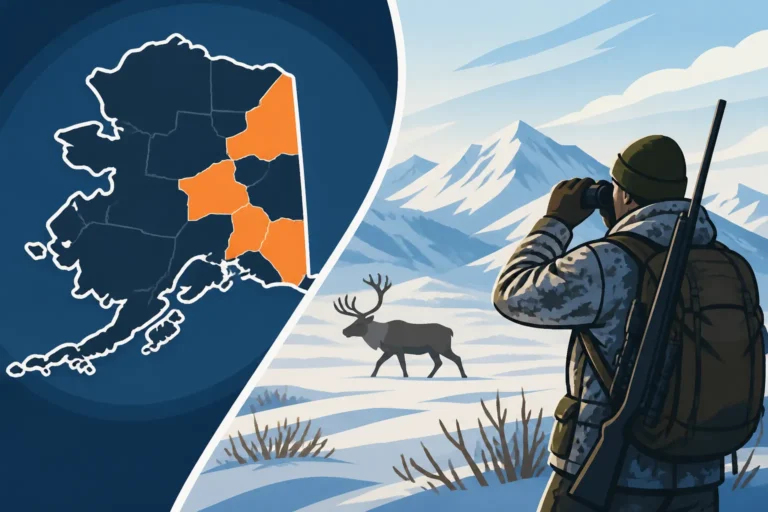
You'll commonly find registration hunts for caribou, moose, and sometimes black bears in specific Game Management Units (GMUs) or subunits. For instance, large caribou herds, like the Fortymile herd, are frequently managed with registration permits because their movements can be unpredictable, and managers need the ability to close areas or shift quotas quickly. Similarly, certain moose populations that are highly accessible or in areas with sensitive numbers might be subject to registration permits. These aren't always the "trophy" hunts; often, they're designed for meat hunters or to alleviate population pressure in certain areas. It's a system built on real-time data, requiring hunters to be actively engaged in understanding the rules.
The Quota System and Early Closures
The core of a registration hunt closing early lies in its quota system. Unlike a draw hunt where a fixed number of permits are issued at the outset, registration hunts allow an open number of hunters to participate until a predetermined harvest quota is met. This system is a powerful conservation tool, but it can be a source of anxiety for hunters.
How Harvest Quotas Are Established
ADF&G biologists work tirelessly to assess game populations, considering factors like winter severity, calf survival rates, predation, and habitat conditions. Based on these assessments, they set an allowable harvest quota for a specific species in a particular area. This quota represents the number of animals that can be taken without negatively impacting the long-term health and sustainability of the population. For example, the Fortymile Caribou Quota for the Season is a prime example of how these quotas are established, based on herd surveys and population dynamics. The quota isn't just a random number; it's a scientifically derived figure aimed at ensuring future hunting opportunities.
Triggering an Early Season Closure
Once a registration hunt is open, ADF&G continually monitors reported harvests. This is where your role as a hunter becomes critical: accurate and timely harvest reporting is essential. Hunters are generally required to report their kill within a very short timeframe, often within 24 to 72 hours, depending on the hunt specifics. As reported harvests approach the established quota, ADF&G will issue an Alaska Emergency Orders That Close a Season Early. This order means the hunt is officially closed, usually effective within a day or two to allow hunters already in the field to return safely. The speed at which a hunt can close can be startling, especially for popular species or in accessible areas where hunting pressure is high. One day it's open, the next it's not, and if you haven't been checking, you might find yourself in violation.
| Hunt Type | Permit Acquisition | Season Dates | Harvest Monitoring | Closure Mechanism | Key Feature |
|---|---|---|---|---|---|
| Registration | Register (often online) | Open until quota met | Continuous (daily/weekly) | Emergency Order (Quota) | Flexible, responsive to harvest, can close early |
| Drawing | Lottery application | Fixed dates | Post-season reporting | Fixed (no early closure) | Limited permits, high demand, fixed outcome |
| General Season | Harvest Ticket | Fixed dates | Post-season reporting | Fixed (no early closure) | Broad access, common for plentiful species |
Staying Informed About Quota Closures
Given the dynamic nature of registration hunts, staying informed is paramount. Relying on outdated information or casual conversation is a recipe for disappointment and potential legal issues. You need to be proactive and tap into the official communication channels.
Official ADF&G Communication Channels
The Alaska Department of Fish and Game (ADF&G) uses several official channels to announce emergency orders, including season closures. The primary and most reliable source is the ADF&G website, specifically their "Emergency Orders & Press Releases" section. This is Where Alaska Posts Season Changes and should be your first stop. They also often disseminate information through local news outlets, social media, and sometimes even via email alerts if you've signed up for their newsletters. For instance, when it comes to When Moose Seasons Open Across Alaska Units, paying attention to these resources is key. It's a non-negotiable part of responsible hunting in Alaska.
The Role of Technology and Planning Platforms
In today's digital age, technology can be a huge asset in keeping abreast of rapidly changing hunt conditions. Many hunters now use comprehensive planning platforms like GoHunt, which often integrate official ADF&G information and provide real-time updates. These platforms can send notifications directly to your phone or computer, alerting you to emergency orders or other critical changes to hunt statuses. While GoHunt and similar services are excellent tools, always cross-reference any information with the official ADF&G channels. Think of them as excellent aggregators that make staying informed much easier, but the official source is always the final authority. GoHunt is particularly useful for consolidating information from various GMUs and species you might be interested in, ensuring you don't miss a critical update because you were looking in the wrong place.
The Importance of Pre-Hunt Research
Before you even leave your driveway, thorough pre-hunt research is critical. This involves not only understanding the specific regulations for your chosen registration hunt but also familiarizing yourself with the harvest history of that area and species. While past performance doesn't guarantee future results, it can give you a general idea of how quickly quotas tend to be met. Many hunters rely on resources such as GoHunt to research harvest statistics and historical closure dates, which can help in anticipating potential early closures. Remember, Alaska Hunter Education and Orientation Requirements often emphasize the importance of knowing the regulations; this extends to understanding how quotas affect your hunt.
Implications of an Early Closure
An early closure of a registration hunt isn't just an inconvenience; it can have significant ramifications for your hunt plan, your financial investment, and even your legal standing. Understanding these implications helps drive home the importance of staying informed.
Financial and Logistical Impact
Imagine you've booked a bush plane, packed hundreds of pounds of gear, and flown deep into the backcountry for a caribou hunt, only to find out, once you're out of cell service, that the season closed two days ago. This isn't a hypothetical scenario; it happens. The financial impact can be substantial: non-refundable air taxi deposits, wasted time off work, and the cost of gear and supplies. Logistically, you might be stranded or have to pivot to a completely different hunt, which might not even be legal or practical. This is why many experienced Alaska hunters will call the ADF&G hotline or check the website literally the day they fly out, even if they've checked it for weeks prior. Platforms like GoHunt can provide a last-minute check before you go truly off-grid, minimizing this risk.
Legal Consequences of Hunting During a Closed Season
Hunting during a closed season, even if you were genuinely unaware of the closure, is a serious violation in Alaska. The consequences can range from hefty fines and forfeiture of your harvested game and equipment to loss of hunting privileges for several years, not just in Alaska but potentially across state lines due to interstate wildlife compacts. Ignorance of the law is rarely an excuse that holds up in court. This reinforces the need to regularly check for updates, especially as the hunt period progresses. ADF&G wardens are out there, and they take these violations seriously, particularly when it comes to quota-managed species where conservation is a high priority. Reporting your harvest promptly, even if it means cutting your trip short, contributes to accurate data that informs future seasons and helps avoid these sudden closures for others. Make sure you understand Alaska Harvest Report Deadline After the Hunt for your specific permit.
Planning for the Unexpected: Contingency Plans
Given the potential for early closures, savvy Alaska hunters always have a Plan B (and sometimes a Plan C). This might involve having a backup species or unit in mind that has a more stable season, or perhaps focusing on a general season hunt that isn't quota-limited. For example, if your primary target is a caribou registration hunt, perhaps you also have a black bear general season tag, allowing you to shift focus if the caribou hunt closes. Another strategy is to factor in extra days at the front end of your trip to allow for travel and immediate scouting, rather than arriving just as the hunt is wrapping up. Consulting tools like GoHunt can help identify these alternative opportunities and track their regulatory status, giving you more flexibility and peace of mind when venturing into Alaska's dynamic hunting environment.
Disclaimer
Please remember that hunting regulations in Alaska are complex and can change frequently. While this guide provides general information, it is not a substitute for reviewing the current Alaska Hunting Regulations booklet published by the Alaska Department of Fish and Game (ADF&G). Always verify season dates, bag limits, and specific regulations for your chosen Game Management Unit and species directly with ADF&G before going afield. Your diligence in understanding and adhering to all regulations is your responsibility as a hunter.