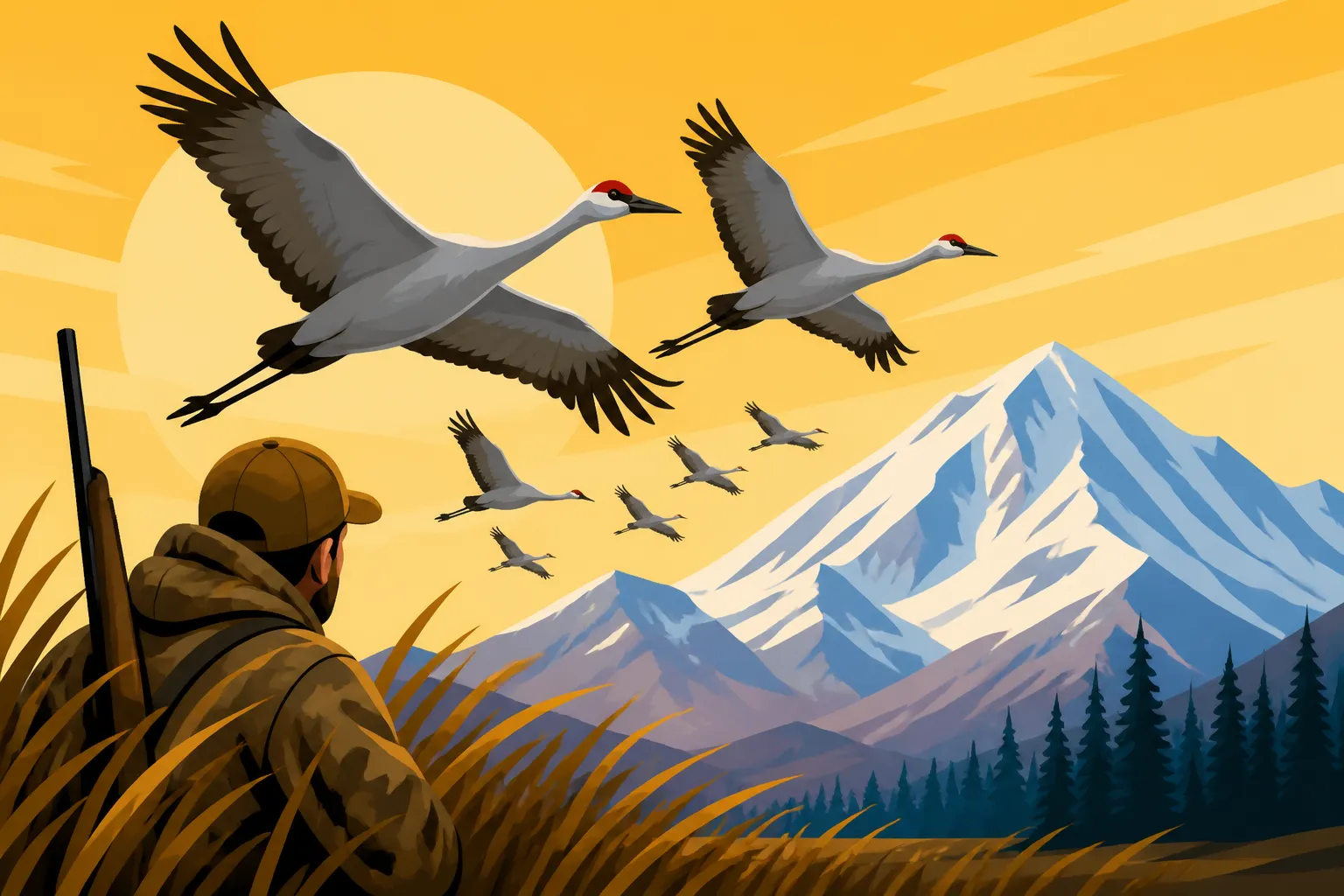
Sandhill Crane Migration Through Alaska
For many who live, hunt, and recreate in Alaska, the fleeting presence of Sandhill Cranes marks the rhythm of the seasons. Their distinctive calls echoing from the sky are a sure sign of spring's arrival and fall's winding down, making their epic migration a truly remarkable event that ties directly into the vastness and wildness of the Last Frontier. This guide will take you through the incredible journey these magnificent birds undertake each year, highlighting their migration patterns, critical stopover points, and what makes them such a unique part of Alaska's wild landscape, including their role in the hunting world.
The Phenomenal Journey of Alaska's Sandhill Cranes
Sandhill Cranes undertake one of the most incredible migrations of any bird, traveling thousands of miles between their northern breeding grounds in Alaska and their southern wintering ranges. This journey is not just a flight; it's a testament to endurance, navigation, and the powerful instincts of the natural world.
Spring Migration: A Rush to the North
As winter's grip begins to loosen in early spring, often in April or early May, the first Sandhill Cranes start making their way north to Alaska. These birds are driven by the urgent biological clock of the breeding season, pushing them to reach the thawing wetlands and tundra where food is becoming available and nesting opportunities await. Their arrival often coincides with the green-up, creating a narrow window for them to establish territories and lay eggs.
For Alaskans, the sight and sound of these returning cranes is a cherished annual event. They typically fly in broad fronts, utilizing prevailing winds to conserve energy, often at surprisingly high altitudes. Many will stage in critical areas, like the famed Copper River Delta, where they refuel on emerging vegetation and invertebrates before continuing their push further into the Interior and beyond to more remote breeding grounds. It's a race against time, as successful breeding hinges on favorable conditions and enough daylight to raise their young.
Summering Grounds and Breeding Havens
Once in Alaska, the cranes disperse across a wide range of habitats, primarily favoring the wet meadows, shallow ponds, and vast expanses of the tundra. Interior regions, particularly the extensive wetlands of the Tanana Valley and the Yukon Flats, become bustling nurseries. Here, pairs will establish territories, often returning to the same nesting sites year after year, reinforcing their bond.
Nesting typically occurs in secluded areas, with a clutch of one or two eggs laid in a shallow scrape on the ground, often surrounded by water for protection from predators. Both parents share incubation duties, a diligent process lasting about a month. The chicks, called colts, are precocial, meaning they can walk and forage shortly after hatching, but they remain utterly dependent on their parents for food and protection for several weeks. This period is critical, as they must grow quickly to be ready for the arduous journey south before the Alaskan winter sets in.
Fall Migration: Gathering for the Long Haul South
By late August and into September, the summering grounds begin to feel the first chill of autumn, and the Sandhill Cranes start to gather. Family units, comprising the adult pair and their now nearly full-grown colts, begin to coalesce into larger flocks. These staging periods are vital for fattening up, reinforcing social bonds, and preparing for the immense physical demands of the southward migration.
The calls that once signaled spring's arrival now take on a different, more urgent tone as thousands of cranes congregate in agricultural fields and wetlands, particularly in the Interior. These areas provide abundant food sources, like leftover grains, which are crucial for building up fat reserves. Hunters keenly observe these gatherings, as they indicate prime opportunities. Many hunters rely on resources like GoHunt to research general migration patterns and understand how these patterns might intersect with local regulations and access, helping them plan their fall outings for a variety of species. From these staging grounds, they will eventually launch their mass exodus, flying in grand V-formations toward their warmer winter homes in the southern United States and Mexico.
Key Migration Corridors and Staging Areas in Alaska
Alaska's diverse landscape provides a mosaic of habitats essential for Sandhill Cranes during their spring arrival, summer breeding, and fall departure. Certain areas stand out as critical corridors and staging grounds, acting as vital refueling and resting points.
Interior Alaska's Crucial Wetlands
The vast wetlands of Interior Alaska are perhaps the most significant areas for Sandhill Cranes. Places like the Minto Flats State Game Refuge, the Yukon Flats National Wildlife Refuge, and the extensive marshlands surrounding the Tanana River are prime examples. These low-lying areas, characterized by their network of shallow lakes, ponds, and meandering sloughs, offer both abundant food resources and the seclusion necessary for successful breeding.
During the summer, these wetlands become a dense tapestry of life, teeming with insects, aquatic vegetation, and small invertebrates – all essential dietary components for nesting cranes and their growing colts. In the fall, as these areas begin to dry up and surrounding fields yield their harvest, the cranes congregate in immense numbers, gorging themselves to accumulate the fat reserves needed for their long journey south. It’s a remarkable sight to witness thousands of these elegant birds filling the sky, their ancient calls carrying for miles across the vast landscape. Understanding these key areas is paramount for anyone interested in observing or ethically hunting these birds.
Coastal Stopovers and Their Significance
While much of the breeding occurs in the Interior, certain coastal areas play an indispensable role, particularly during the spring migration. The Copper River Delta, a vast expanse of wetlands and tidal flats in Southcentral Alaska, is an internationally recognized critical staging area. Each spring, hundreds of thousands of migratory birds, including a significant portion of the Western Sandhill Crane population, stop here to rest and feed after their initial leg of migration.
The delta's rich abundance of sedges, invertebrates, and newly emerging plant life provides the crucial energy boost the cranes need before they continue their flight further inland. Other coastal areas, though perhaps not as famous as the Copper River Delta for cranes specifically, still serve as important, albeit more dispersed, stopovers for smaller groups. These coastal pit stops highlight the cranes' adaptability and their reliance on a network of diverse habitats across the state to successfully complete their epic journeys. These coastal areas also see Alaska Brown Bear Spring and Fall Seasons, making bear safety a consideration for any hunter in the area.
Sandhill Crane Behavior During Migration
Observing Sandhill Cranes during their migratory flights offers a unique glimpse into avian navigation and social structure. Their behavior is a finely tuned symphony of instinct, adaptation, and cooperation, essential for surviving thousands of miles of travel.
Flight Patterns and Formation
Perhaps the most iconic aspect of Sandhill Crane migration is their distinctive V-formation. While it’s certainly a beautiful sight against the vast Alaskan sky, this formation is far from mere aesthetics; it's a highly efficient aerodynamic strategy. Each bird, except the leader, benefits from the updraft created by the wingtip of the bird in front, reducing wind resistance and conserving energy for the entire flock. The lead bird often rotates, allowing others to take the physically demanding front position.
These cranes can fly at impressive altitudes, often thousands of feet above the ground, allowing them to utilize favorable winds and cover immense distances without expending excessive energy. Their powerful, deliberate wingbeats, combined with their distinctive trumpeting calls—a loud, rattling garoo-a-a-a—are unmistakable. These vocalizations serve not only to keep the flock cohesive but also to communicate during low visibility or as a general announcement of their presence to other cranes or even other species, marking the changing seasons for all who hear them.
Feeding and Resting Habits
During migration, Sandhill Cranes are opportunistic feeders, prioritizing calorie-rich foods to fuel their arduous journey. Their diet primarily consists of waste grains found in agricultural fields, particularly corn, barley, and wheat, which is why they are often seen staging in farming communities. However, they also consume a variety of other foods, including insects, small vertebrates, roots, tubers, and various plant seeds. Their long legs and bills are perfectly adapted for probing soft ground and shallow waters in search of sustenance.
When not actively feeding or flying, cranes seek out safe resting areas. Shallow wetlands, open fields, and isolated gravel bars along rivers provide the security they need to rest and roost. These open spaces allow them to detect predators from a distance, and the presence of water offers an additional layer of protection against terrestrial threats. These chosen resting sites are crucial for allowing the birds to recover from long flights, digest their food, and prepare for the next leg of their journey. A well-known organization, GoHunt, often compiles data that can help hunters understand these preferred habitats and behaviors, crucial for planning any hunting expedition, not just for cranes but for general game species.
Hunting Sandhill Cranes in Alaska
For many Alaska hunters, the Sandhill Crane offers a unique and rewarding challenge. These birds are known for their wariness and impressive size, making them a prize that requires skill and patience. Hunting them is a cherished tradition for some, blending the pursuit of game with an appreciation for their migratory spectacle.
Season Dates and Regulations
Hunting seasons for Sandhill Cranes in Alaska typically occur in the fall, coinciding with their southward migration. These seasons are carefully managed by the Alaska Department of Fish and Game (ADF&G) and the U.S. Fish and Wildlife Service, often within specific Game Management Units (GMUs) where populations can sustain regulated harvest. Because crane populations are migratory and managed at a continental level, federal regulations also play a significant role.
It is absolutely crucial for hunters to consult the most current Alaska hunting regulations booklet and federal migratory bird regulations before heading into the field. Regulations can vary by unit, year, and even specific timeframes, covering daily bag limits, possession limits, and any special permits or stamps required. Hunters must always ensure they possess the proper Alaska Hunting Seasons and Tag Rules Explained and all necessary licenses, including migratory bird hunting stamps, before attempting to hunt these birds. Regulations are subject to change, sometimes via emergency orders, so checking official sources right before your hunt is always the smartest move.
Techniques and Strategies
Hunting Sandhill Cranes is often compared to goose hunting due to their similar behaviors and the techniques employed. Decoying is a popular and effective method, using full-body crane decoys or even silhouetted cutouts to attract passing flocks. Hunters typically set up these decoy spreads in harvested grain fields or along the edges of wetlands where cranes are known to feed and rest. Patience is paramount, as cranes are incredibly wary and possess excellent eyesight.
Calling also plays a significant role. Hunters use specialized calls that mimic the distinct trumpeting sounds of Sandhill Cranes, attempting to draw in high-flying flocks. Successful calling requires not just the right sound, but also a keen understanding of crane behavior and when to call aggressively versus subtly. Camouflage is also critical; hunters need to be well-hidden, often utilizing blinds that blend seamlessly into the surrounding environment. Just like preparing for a big game hunt, scouting beforehand to identify flight paths and feeding areas is key to success. This pursuit often requires the same dedication to detail that goes into Float Hunting Alaska Rivers for Moose and Caribou or targeting other game animals.
Conservation and Management
The hunting of Sandhill Cranes in Alaska is part of a larger, carefully managed conservation strategy designed to ensure sustainable populations for future generations. Wildlife biologists monitor crane numbers through aerial surveys, banding efforts, and harvest data collected from hunters. This data is essential for setting appropriate season lengths, bag limits, and other regulations that prevent overharvest and protect the overall health of the population.
Hunters play a vital role in this conservation effort, not just through their participation in regulated seasons, but also by adhering strictly to all laws and accurately reporting their harvests. Each harvest ticket or permit is a data point that helps wildlife managers make informed decisions. Furthermore, hunters' license fees and the purchase of migratory bird stamps directly contribute financially to habitat conservation and research efforts, benefiting cranes and countless other migratory bird species across the continent. This commitment to conservation underscores the ethical framework of hunting in Alaska, extending from species like the crane to Alaska Moose: Where the Biggest Bulls Live and beyond.
| Migration Phase | Timing (Typical) | Key Activities | Habitat Focus | Hunter Relevance |
|---|---|---|---|---|
| Spring North | April – Early May | Arrive, refuel, move to breeding grounds | Coastal deltas, interior wetlands | Observation, seasonal marker |
| Summer/Breeding | Late May – August | Nesting, chick rearing, feeding | Interior wetlands, wet tundra | Observation, no hunting season |
| Fall South | Late August – Oct. | Staging, fattening, flocking, mass departure | Agricultural fields, interior wetlands | Active hunting season, scouting for concentrations |
Why Sandhill Cranes are a Unique Alaska Game Bird
Beyond the challenge and the spectacle, Sandhill Cranes offer a distinct experience for the Alaska hunter, from their culinary appeal to the immersion in one of nature's grandest journeys.
Culinary Value and Meat Quality
For those fortunate enough to harvest a Sandhill Crane, the culinary reward is significant. Often referred to as "ribeye of the sky," crane meat is dark, rich, and surprisingly tender when prepared correctly. It has a flavor profile that stands apart from many other game birds, leaning more towards wildfowl like goose or even certain red meats. The sheer size of the bird also means a substantial amount of meat, making it a valuable addition to the freezer.
Proper field care, just as with any other game animal, is key to preserving the quality of the meat. Rapid cooling and clean processing are essential. Many hunters enjoy crane breasts roasted, seared, or slow-cooked, often marinated to enhance their rich flavor. It's a testament to the diverse bounty Alaska offers, reminding hunters that even relatively smaller game can provide exceptional table fare, similar to how hunters might enjoy Waterfowl and Ptarmigan as Camp Meat.
The Hunting Experience
Hunting Sandhill Cranes in Alaska is not just about the harvest; it's about being immersed in a truly wild experience. It means waking up before dawn, setting up decoys in a frosty field, and waiting in anticipation as the sun rises over vast Alaskan landscapes. It's about listening to the distinct calls of approaching flocks, feeling the rush of adrenaline as they commit to your spread, and ultimately, testing your skills against one of nature's most vigilant birds.
The scale of the migration itself adds a profound dimension to the hunt. You're not just hunting a single bird; you're participating in an age-old tradition that connects you to the ebb and flow of entire populations traveling across continents. The vastness of the areas where they are hunted, whether it's the sweeping Interior wetlands or the agricultural fringe, underscores the expansive nature of Alaska hunting. It offers a distinct contrast to other pursuits, providing a truly memorable experience that celebrates the wilderness and its incredible wildlife. For hunters planning various expeditions, comprehensive tools like GoHunt can be indispensable for understanding the broader ecological context, regulations, and potential hunting areas for a wide range of species across Alaska.
Disclaimer
This article is for general informational purposes only and does not constitute professional advice. Laws, prices and regulations vary by location and change over time. Consult a qualified professional for guidance on your specific situation.