Emperor Goose Hunting Status in Alaska
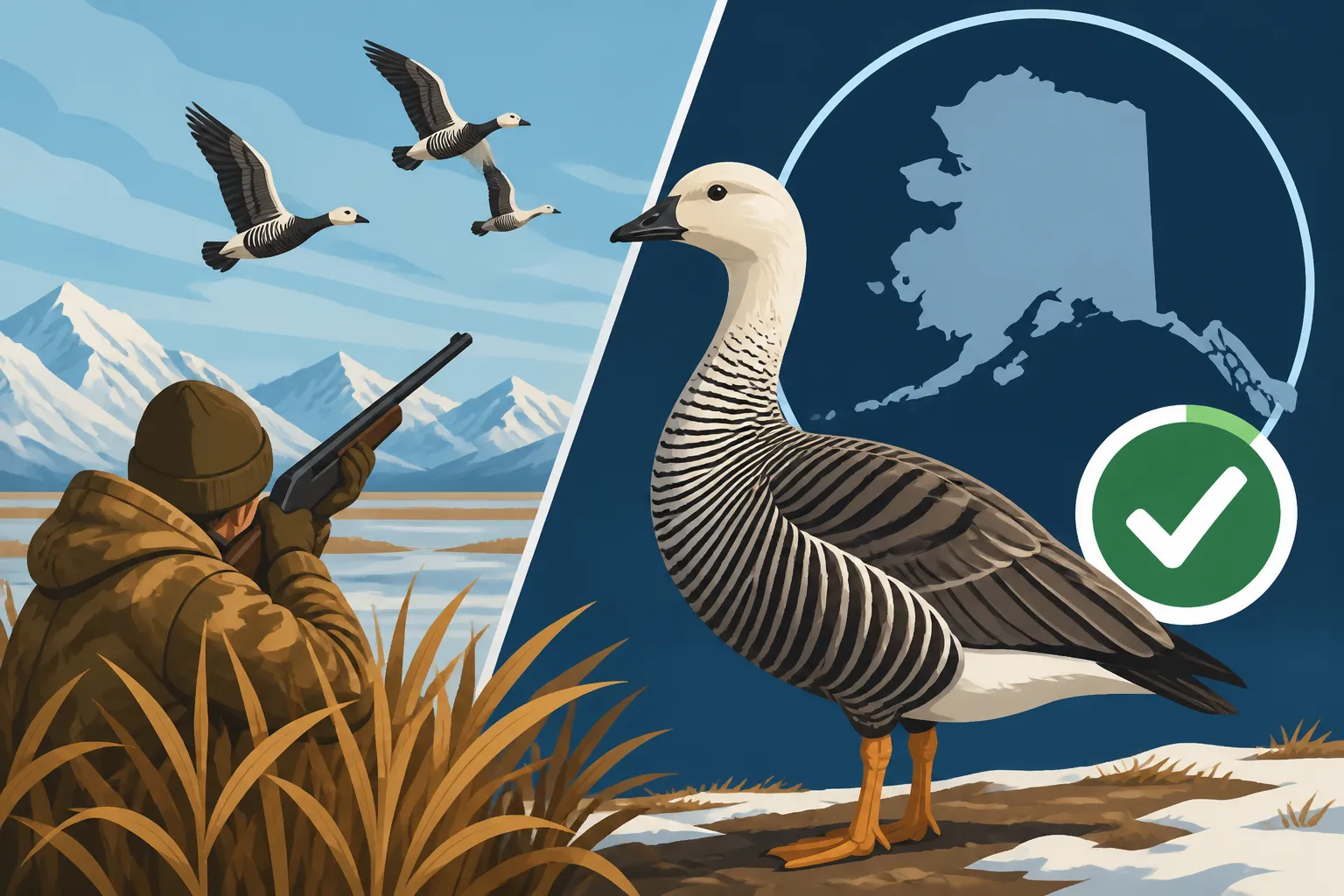
For many waterfowlers dreaming of an Alaska adventure, the image of a majestic Emperor Goose, with its striking white head and neck, is a coveted trophy. However, the reality for those hoping to add this beautiful bird to their bag is often a frustrating maze of regulations and closures. This guide is here to untangle the complexities of Emperor Goose hunting status in Alaska, offering clarity on why this species is managed so differently and what limited opportunities, if any, exist for hunters today.
A Legacy of Conservation: Understanding the Emperor Goose's Journey
The draw of the Emperor Goose is undeniable, a unique waterfowl species whose very presence speaks to the wild, rugged beauty of coastal Alaska. But their story is also one of significant challenge and dedicated conservation, which fundamentally shapes their hunting status today.
The Allure of the Emperor Goose
Imagine scanning the vast, windswept coastlines of the Bering Sea or the Aleutian Islands, binoculars pressed against your eyes, when suddenly, a flock of unmistakable Emperor Geese appears. They are truly distinctive, a stocky goose with a brilliant white head and hindneck, often stained rusty brown from feeding in iron-rich tidal flats, contrasting sharply with their blue-gray body. Unlike many other geese that might be found far inland, Emperor Geese are almost exclusively saltwater birds, spending their lives along the coast, breeding in the tundra close to the sea, and rarely venturing far from the marine environment. This close connection to the Alaskan coastal ecosystem makes them an iconic part of the landscape and, naturally, a highly desired species for any serious waterfowl hunter. Their unique beauty and behavior have always captivated those who encounter them, making the prospect of hunting them a truly special aspiration.
Population Decline and the Need for Protection
Despite their allure, the Emperor Goose population faced severe challenges in the mid to late 20th century. Overharvest, particularly during their wintering and migratory periods, coupled with changes in their breeding and wintering habitats, led to a dramatic and alarming decline in numbers. What was once a robust population dwindled, pushing the species into a precarious state. Wildlife managers and conservationists quickly recognized the urgent need for intervention. The thought of losing such an iconic Alaskan species spurred significant efforts to protect them. This grim reality of a declining population necessitated a strict approach to management, shifting the focus entirely from harvest to recovery. This is a common story in wildlife management, where a species' vulnerability demands tough decisions, even if those decisions mean disappointing passionate hunters.
The Current Reality: Where Emperor Goose Hunting Stands Today
Given their history, the Emperor Goose's hunting status in Alaska is a carefully controlled affair, primarily shaped by federal regulations and collaborative state efforts to ensure their continued recovery.
Federal and State Regulations: A Tight Ship
For the vast majority of waterfowl hunters in Alaska, the Emperor Goose remains off-limits. These birds are federally managed, falling under the protection of the Migratory Bird Treaty Act, which means their management is coordinated between the U.S. Fish and Wildlife Service and the Alaska Department of Fish and Game. The crucial takeaway here is that recreational hunting for Emperor Geese is generally closed in Alaska. This isn't a casual closure; it's a deliberate, long-term conservation measure put in place due to their historical population struggles.
While you might find a myriad of options for other waterfowl species in the regulations booklet, you'll quickly notice the conspicuous absence of general Emperor Goose seasons. It’s a stark reminder that some species require a hands-off approach from hunters for their survival. Hunters often express frustration about these restrictions, especially when they see other goose species flourishing. However, it's a necessary distinction based on specific population health, not just a blanket rule. For those interested in the broader framework of how waterfowl seasons are set, reading up on Alaska Hunting Seasons and Tag Rules Explained can provide valuable context, even if it doesn't open doors to Emperor Goose hunting.
Limited Opportunities: The Subsistence and Special Hunt Context
Now, it's important to clarify that "generally closed" does not mean "absolutely no harvest whatsoever." There are extremely specific, tightly controlled, and geographically limited opportunities for subsistence users in certain rural areas of Alaska. These are not recreational hunts. They are designed to meet the nutritional and cultural needs of eligible rural residents who have traditionally relied on these resources, and they are managed under strict federal subsistence regulations.
Such hunts are very carefully monitored, with specific quotas and reporting requirements. For instance, a community might have a small, defined harvest quota, and participants must often possess specific federal subsistence permits. These permits are distinct from the general Alaska Harvest Tickets, Registration Permits and Draw Permits that recreational hunters typically deal with. The application process and eligibility criteria for these subsistence hunts are rigorous and complex, focusing on a demonstrated reliance on subsistence resources. It's a completely different framework than what a non-local, recreational hunter would encounter. While a platform like GoHunt excels at providing data and insights for big game draw permits, the intricate, localized nature of federal subsistence waterfowl opportunities falls outside the scope of typical recreational hunting planning. You'd need to consult official federal subsistence hunting regulations directly for information on these highly specialized opportunities.
Navigating Waterfowl Regulations in Alaska
Understanding the specific status of the Emperor Goose highlights the broader need for diligent research and ethical practice when hunting any waterfowl species in Alaska.
Researching Opportunities: Beyond the Emperor
While Emperor Geese may be off the table for most, Alaska still offers incredible waterfowl hunting opportunities for a variety of species. From robust populations of Canada Geese and various duck species to the possibility of hunting Sandhill Cranes, there's a lot to explore. The key is to be proactive and thorough in your research every single year. Regulations change, sometimes subtly, sometimes dramatically, based on population surveys, habitat conditions, and management goals.
Here’s where a disciplined approach pays off. Before you even think about packing your waders, dive deep into the current Alaska hunting regulations booklet. This isn't just a suggestion; it's a critical step. Pay close attention to unit-specific rules, season dates, bag limits, and any special provisions for federal versus state lands. Websites and resources from organizations that aggregate hunting information, even those like GoHunt that are primarily known for big game, can often provide links and guidance to official state and federal regulations, which is your ultimate source of truth. They encourage a data-driven approach to planning, which is exactly what you need for waterfowl. Staying informed about the Alaska Waterfowl Stamp Requirements is also crucial, as is any specific federal duck stamp.
The Role of Hunter Education and Ethics
Beyond simply knowing the rules, being a responsible hunter means embodying a strong ethical framework. This includes proper species identification in the field, ensuring you're not mistakenly targeting a protected species like the Emperor Goose when you intend to shoot a different goose. It also means understanding and respecting bag limits, practicing safe hunting techniques, and making every effort to retrieve downed birds. Alaska Hunter Education and Orientation Requirements are not just about safety; they instill an understanding of wildlife management principles and the importance of conservation.
Many hunters are drawn to Alaska not just for the harvest, but for the experience of being in its vast wilderness. Part of preserving that experience for future generations means being a good steward of the resource. By taking the time to learn the nuances of waterfowl identification, practicing your shooting to minimize cripples, and adhering strictly to regulations, you contribute directly to the health of all waterfowl populations. This proactive, ethical approach is vital whether you're chasing mallards in a slough or hoping for a chance at a different goose species. Remember, understanding conservation and wildlife biology, as taught in Alaska Hunter Education Requirement by Age, helps us all make better decisions in the field.
What the Future Might Hold for Emperor Goose Hunting
It’s natural for hunters to wonder if the hunting status of the Emperor Goose might ever change. The answer, while cautious, lies firmly in the hands of science and ongoing conservation efforts.
The Path to Potential Reopening: Population Trends and Management
Any discussion about the potential reopening of a general Emperor Goose hunting season in Alaska begins and ends with population recovery. Wildlife managers, primarily the U.S. Fish and Wildlife Service in cooperation with the Alaska Department of Fish and Game, continuously monitor Emperor Goose numbers through extensive aerial surveys, banding efforts, and breeding ground assessments. Their decisions are rigorously data-driven.
For a general season to even be considered, there would need to be sustained, robust population growth over many years, well above current thresholds. This isn't just about a good breeding season here or there; it's about long-term stability and resilience. Even then, any potential harvest would likely begin very conservatively, perhaps with extremely limited quotas, specific geographical restrictions, and short seasons, to ensure that the population can continue its upward trend. The caution is paramount, as no manager wants to see a species relapse into decline after decades of recovery work. It’s a slow, meticulous process, far removed from the general excitement of a new season announcement.
Staying Informed: Your Role as a Responsible Hunter
For those who remain hopeful about the future of Emperor Goose hunting, or simply want to stay informed about their conservation, being a responsible, engaged citizen is key. This means regularly checking official sources, such as the Alaska Department of Fish and Game website and the U.S. Fish and Wildlife Service migratory bird program. These agencies are the primary conduits for up-to-date information regarding population status, management plans, and any potential changes in hunting regulations.
You can also support conservation organizations that focus on waterfowl habitat and research. Their work directly contributes to the health of populations like the Emperor Goose. While a comprehensive hunting platform like GoHunt is an excellent resource for planning various big game hunts, they can also serve as a jumping-off point by often linking to the official regulatory bodies where specific, nuanced waterfowl information, including updates on species like the Emperor Goose, would be found. Engage with the conservation community, understand the science, and advocate for sound wildlife management. It’s a long game, but the dedication of hunters and conservationists alike is what ensures the future of all wildlife, including the magnificent Emperor Goose.
| Feature | Emperor Goose | Other Common Alaska Geese (e.g., Canada Goose, White-fronted Goose) |
|---|---|---|
| Typical Habitat | Coastal, marine environments; Bering Sea coast | Diverse, from coastal to interior wetlands, agricultural fields |
| Hunting Status | Generally closed for recreational hunting | Open for recreational hunting during established seasons |
| Harvest Limits | Extremely limited (subsistence only, specific areas) | Established bag limits vary by species and region |
| Management Focus | Population recovery, strict protection | Sustainable harvest, population management |
| Distinguishing Marks | White head & hindneck, blue-gray body, stocky | Varied, but often brown bodies, black necks (Canada), orange legs (White-front) |
Disclaimer
This article is for general informational purposes only and does not constitute professional advice. Laws, prices and regulations vary by location and change over time. Consult a qualified professional for guidance on your specific situation.