What Makes Alaska Peninsula Bears So Large
It’s a question that echoes through every hunter's mind, every wildlife photographer’s lens, and every armchair adventurer's dream: what exactly makes those bears on the Alaska Peninsula so incredibly huge? You’ve seen the pictures, heard the stories, and perhaps even glimpsed them yourself—brown bears that look like small cars, dwarfing even the most seasoned hunters. This isn't just a myth; it's a fascinating reality shaped by a unique combination of environment, diet, and genetics, and understanding it is key to appreciating these magnificent animals.
The Abundant Feast: Salmon as the Primary Driver
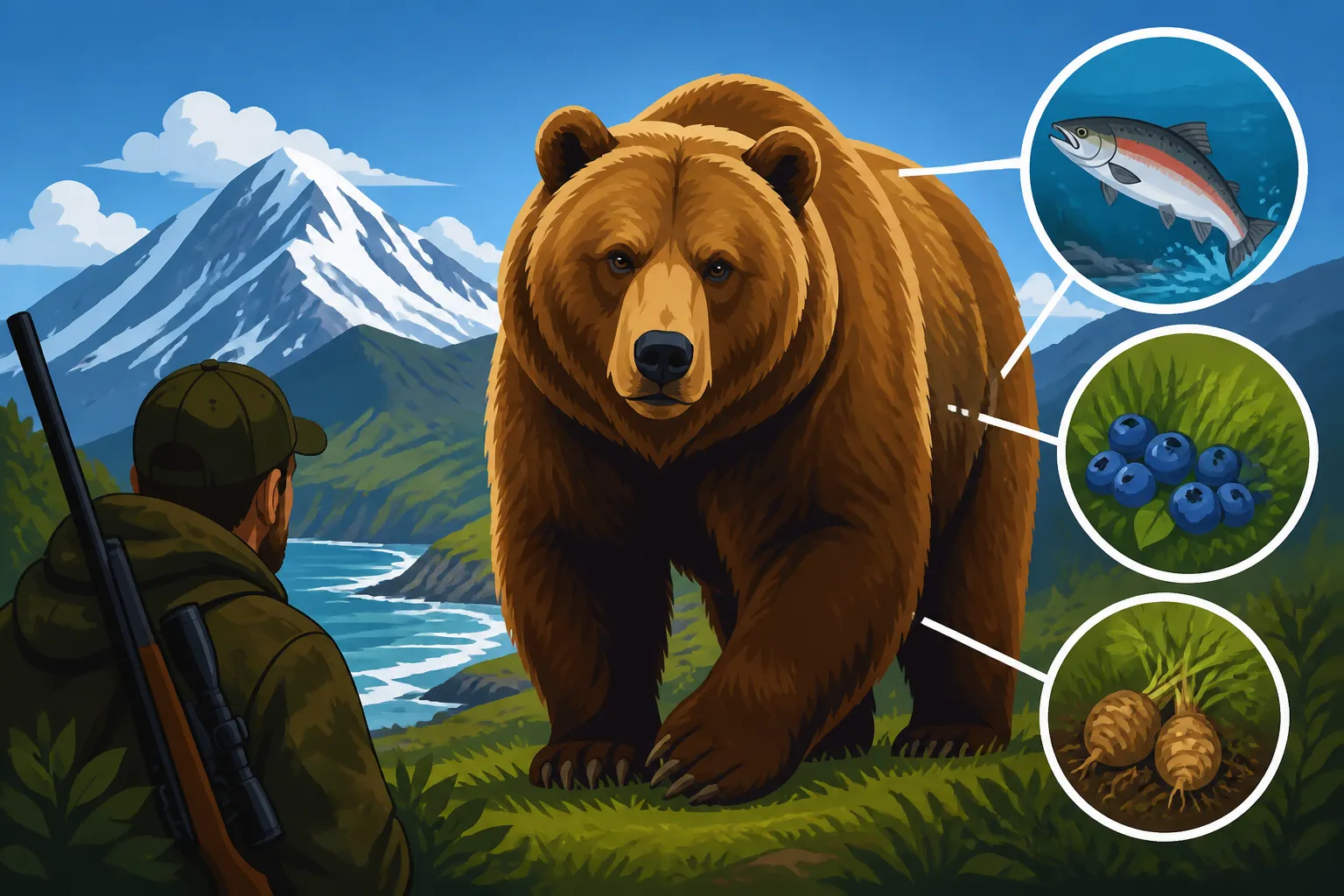
When you think of the Alaska Peninsula, it’s almost impossible not to conjure an image of a massive brown bear standing in a river, paws expertly swatting at silver flashes of salmon. This isn’t just a picturesque scene; it’s the bedrock of why these bears reach such gargantuan sizes. Unlike many other bear populations around the globe, the coastal brown bears of the Alaska Peninsula have access to a caloric bounty that is virtually unparalleled.
Annual Salmon Spawning Events
Imagine a grocery store that restocks itself with prime, protein-rich food, often multiple times a year, in quantities that seem limitless. That's essentially what the salmon runs are for the bears of the Alaska Peninsula. Starting in late spring and continuing through the fall, different species of Pacific salmon—Sockeye, Chum, Pink, Coho, and Chinook—return from the ocean to spawn in the rivers and streams that crisscross the peninsula. This staggered arrival means there's a continuous, fresh supply of high-fat, high-protein food available for months on end. It's not just a summer snack; it's a sustained feeding frenzy that allows bears to pack on hundreds of pounds of fat.
These annual migrations aren't just large; they are monumental. Rivers like the Brooks River in Katmai National Park, or the myriad other unnamed streams and braids across the peninsula, become choked with fish. Bears can literally stand in one spot and gorge themselves, expending minimal energy for maximum caloric intake. This efficiency is a huge factor, allowing them to divert more energy into growth and fat storage rather than constant searching and chasing.
Nutritional Value and Caloric Density of Salmon
It’s not just the quantity of salmon; it’s the quality. Salmon, especially after their arduous journey from the ocean, are incredibly rich in fat. These fats, particularly omega-3 fatty acids, are dense sources of energy. A single sockeye salmon can provide a bear with thousands of calories, essentially a perfect high-energy meal. When bears are consuming dozens of these fish per day during the peak of the runs, the caloric intake is astronomical. This massive energy boost translates directly into rapid weight gain and impressive size.
Consider a bear that focuses on the fattiest parts of the fish, like the brains, eggs, and skin, discarding much of the less nutritious muscle tissue if food is super abundant. This selective feeding further maximizes their caloric intake, allowing them to build up thick layers of subcutaneous fat. This fat isn't just for looking impressive; it's crucial for surviving the long winter hibernation, and the more they can store, the better their chances of successful reproduction and growth into the next season. It truly underpins why Salmon Runs and Alaska Coastal Bear Size are so intrinsically linked to the immense size seen in these animals.
The Sheer Volume of Fish
The sheer biomass of salmon available on the Alaska Peninsula is almost unimaginable elsewhere. During peak runs, rivers can be so dense with fish that you could almost walk across their backs. For a bear, this means not only easy access but also minimal competition per individual fish. While many bears might congregate at prime fishing spots, the abundance is often enough to sustain numerous large individuals without significant food scarcity. This constant, effortless access to protein and fat allows them to focus on growth and building reserves without the energy drain of extensive foraging or fierce competition for scarce resources.
This consistent, predictable food source differentiates them dramatically from their interior cousins. An interior grizzly might catch a few salmon in a scattered river, but it will never experience the sustained, overwhelming abundance found on the peninsula. This difference in food availability is perhaps the single most important factor contributing to the Alaska Peninsula bears' massive stature.
Genetics and Evolutionary Adaptation
While diet is undoubtedly a colossal factor, it's not the only one at play. Over countless generations, the bears of the Alaska Peninsula have evolved, with genetics playing a critical role in their size. The combination of abundant resources and selective pressures has led to a population predisposed to large body mass.
Inherited Traits for Larger Stature
Think of it like selective breeding, but by nature. Bears that were genetically inclined to grow larger, process more calories, and efficiently convert those calories into body mass would have an advantage. Larger bears generally dominate prime fishing spots, are more successful in securing mates, and are better equipped to survive the harsh Alaskan winters. Over time, these traits would become more prevalent in the gene pool. The result is a population where the average size is significantly greater than in areas with fewer resources.
This isn't to say every bear on the peninsula is a giant, but the genetic blueprint for achieving immense size is much more common here. The baseline for what a "big" bear looks like shifts dramatically on the peninsula, reflecting generations of adaptation to a super-rich environment. This also explains why you don't typically see a scrawny, underfed bear in these prime habitats; the environment selects for efficiency and size.
Regional Differences in Bear Populations
It's easy to lump all brown bears into one category, but Alaska's vastness means there are significant regional differences. The bears on the Alaska Peninsula are a prime example of a subspecies, or at least a distinct population group, that has optimized for its specific environment. Their size isn't just an anomaly; it's a reflection of distinct evolutionary pathways. For hunters planning trips, understanding these distinctions is crucial, as the bears you'll encounter on the coast will be vastly different from those found deep in the interior. In fact, many hunters use tools like GoHunt to research these regional variations, including typical bear size and habitat, before committing to a specific hunt area.
This regional specialization extends beyond just size. It also influences their behavior, denning habits, and even their coat colors, creating a diverse and fascinating array of adaptations across the state. This helps explain why hunters seeking true trophy-class brown bears often focus specifically on the coastal regions of the Alaska Peninsula.
Comparing Coastal Brown Bears to Interior Grizzlies
The distinction between a "brown bear" and a "grizzly bear" in Alaska is often a point of confusion. Scientifically, they are all Ursus arctos horribilis, a subspecies of brown bear. The common distinction usually boils down to geography and diet: coastal brown bears have access to marine-derived protein like salmon, while interior grizzlies do not. This single dietary difference creates a dramatic disparity in size. Interior Grizzly Behavior Versus Coastal Brown Bears illustrates this perfectly. A mature coastal brown bear on the Alaska Peninsula can easily weigh 800-1,200 pounds or more, with some boars exceeding 1,500 pounds. In contrast, a large interior grizzly might top out at 500-700 pounds.
| Feature | Coastal Brown Bear (e.g., Alaska Peninsula) | Interior Grizzly Bear (e.g., Brooks Range) |
|---|---|---|
| Primary Diet | High-fat salmon, berries, grasses, carrion | Berries, roots, grasses, small mammals, carrion |
| Typical Adult Weight | 800 – 1,500+ lbs | 300 – 700 lbs |
| Height (Standing) | Up to 10 feet | Up to 8 feet |
| Habitat | Coastal regions, salmon-rich rivers | Interior mountains, tundra, forests |
| Fat Reserves | Extremely high, critical for hibernation | Moderate, relies more on varied foraging |
| Aggression Level | Variable, but often habituated to humans near fishing streams | Generally more wary of humans |
This table clearly shows the pronounced difference. The coastal environment provides an unparalleled caloric advantage, directly contributing to the much larger size of the brown bears found there. It's not just a subtle difference; it's a monumental one that impacts every aspect of their biology.
Prime Habitat and Resource Availability
Beyond just salmon, the overall habitat of the Alaska Peninsula provides an incredibly supportive environment for bears to thrive and grow large. It’s a convergence of specific ecological factors that create an ideal setting for these apex predators.
Lush Coastal Ecosystems and Diverse Food Sources
While salmon are the headline act, they aren’t the only food source. The Alaska Peninsula boasts incredibly rich and diverse ecosystems. During late summer and fall, vast fields of berries—blueberries, cranberries, salmonberries—ripen, offering another critical source of carbohydrates and sugars for bears to bulk up. Grasses and sedges are abundant in spring, providing important early-season roughage. Marine resources like carrion washed ashore, or even shellfish in some areas, supplement their diet. This diversity ensures that even outside the main salmon runs, bears have ample opportunities to forage and maintain their massive body mass.
The sheer greenness and fertility of the coastal lowlands, nourished by abundant rainfall and rich volcanic soils, create a continuous pantry for bears. This means less energy is spent traveling vast distances for food, allowing more energy to be channeled into growth and reproduction. This rich habitat also supports other prey species, which bears may opportunistically predate, further diversifying their diet and maximizing nutrient intake.
Denning Opportunities and Longevity
The volcanic landscape and rugged terrain of the Alaska Peninsula offer an abundance of ideal denning sites. Bears prefer to den in areas with good drainage, deep soil for insulation, and protection from the elements, often on slopes or in dense vegetation. The availability of these secure, comfortable dens contributes to their overall health and survival rate. A bear that can consistently find a good den experiences less stress during hibernation, conserves energy more effectively, and likely emerges in better condition each spring, ready to capitalize on the returning salmon.
Longevity is a critical factor in achieving massive size. A bear that lives longer has more seasons to grow and accumulate mass. The secure denning sites, combined with reduced human pressure in many areas (relative to other parts of Alaska), allow these bears to live out their full lifespans, maximizing their growth potential. The oldest and largest bears are often those that have been able to consistently find good dens and avoid conflict.
Limited Predation Pressure on Cubs
For a bear to reach its full potential size, it first needs to survive cubhood. On the Alaska Peninsula, cubs generally face fewer significant natural predators beyond other large male bears. While infanticide by boars is a factor, the sheer abundance of food means that sows are often in excellent condition, capable of raising strong, healthy cubs. A mother bear that can consistently access nutrient-rich salmon is better equipped to produce milk and protect her offspring, giving them a strong start in life.
This lower overall predation pressure, compared to interior environments where wolf packs or other large carnivores might pose a greater threat to young bears, allows a higher percentage of cubs to survive to adulthood. This, in turn, contributes to a robust population with many individuals reaching old age and therefore, larger sizes. The success of Sow and Cub Family Breakup Timing also plays a role, as cubs are given the best chance to learn and thrive before venturing out on their own.
Extended Growing Seasons and Lifespans
The coastal climate of the Alaska Peninsula, while still undeniably Alaskan, offers a slightly milder and longer active season for bears compared to the extreme interior. This subtle difference has profound implications for their growth and overall size.
Shorter Hibernation Periods
Because the climate is moderated by the ocean, the winters on the Alaska Peninsula, while still severe, might see bears entering hibernation a bit later and emerging a bit earlier than their interior counterparts. This translates into a longer active foraging period each year. Even an extra few weeks of feeding time, accumulated over many years, can add hundreds of pounds to a bear’s frame. This extended season allows them more opportunities to capitalize on late-season berry crops or early-spring green-up, further boosting their caloric intake.
The coastal influence means snowpacks might not be as deep or as long-lasting as in the higher elevations of interior Alaska, allowing bears to move around and find food earlier in the spring. This longer window of activity is a subtle but powerful driver of the immense size these bears achieve. Understanding Spring Emergence Timing for Coastal Bears is crucial for anyone studying their growth patterns.
Longevity and Cumulative Growth
As mentioned earlier, longevity is key. The combination of abundant food, secure denning sites, and relatively stable populations means many bears on the Alaska Peninsula live to be quite old—often into their late teens or even early twenties. Bears, like many mammals, continue to grow throughout much of their lives, albeit at a slower rate after reaching maturity. An animal that lives for 20 years with consistent access to an incredible diet will naturally be much larger than one that lives for 10-12 years in a leaner environment.
Each year, these bears add another layer of muscle and fat, slowly but surely accumulating mass. It's a cumulative effect, and the extended lifespan allowed by their environment means they simply have more time to put on the pounds. This also means that tracking How Heavy Alaska Peninsula Brown Bears Get involves understanding these long-term growth trajectories.
Factors Influencing Bear Mortality Rates
While there are certainly challenges, overall mortality rates for brown bears on the Alaska Peninsula can be lower in certain aspects compared to other bear populations. Human-caused mortality, while a factor, is often managed through strict hunting regulations and limited access in many prime bear habitats. Natural mortality from starvation, particularly for cubs, is reduced due to the abundant food sources. Disease and injury are always present, but a well-fed, healthy bear is better equipped to fight off illness and recover from wounds.
However, hunting is a reality in many areas, and managing it responsibly is key. Organizations like GoHunt provide valuable resources for hunters to understand regulations and ethical practices, helping ensure sustainable populations while still allowing for the harvest of trophy animals. The careful balance between allowing hunting and protecting the population contributes to the presence of older, larger bears.
The Influence of Bear Behavior and Diet Diversity
While salmon are paramount, the success of Alaska Peninsula bears also comes down to their behavioral adaptations and their ability to maximize other food sources, demonstrating an opportunistic approach to their diet.
Efficient Foraging Strategies
These bears are not just big; they are incredibly smart and efficient foragers. They learn the best fishing spots, the timing of different salmon runs, and the most effective techniques for catching fish. Some will charge into the water, pinning fish with their paws, while others might patiently wait at waterfalls, snatching salmon as they leap. This learned behavior is passed down through generations, ensuring that each new cohort of bears inherits a wealth of knowledge about how to exploit their environment's bounty.
Beyond salmon, they also know where the best berry patches are, when they ripen, and how to effectively graze on protein-rich sedges and grasses in the spring. Their keen sense of smell allows them to locate carrion from miles away, providing an easy meal when available. This combination of inherited knowledge and individual learning makes them incredibly adept at maximizing their caloric intake with minimal energy expenditure.
Beyond Salmon: Berries, Grasses, and Marine Resources
Even with the salmon bonanza, a bear's diet is not monolithic. The diversity of food sources available on the Alaska Peninsula plays a crucial supporting role. As fall approaches and salmon runs dwindle, bears shift their focus to the rich berry crops. These berries provide essential carbohydrates to supplement the fats from salmon, helping them put on even more weight for winter. The lush coastal sedges and grasses provide important nutrients in the spring when bears first emerge from their dens and salmon are not yet available.
Furthermore, coastal bears often scavenge marine mammal carcasses that wash up on beaches, providing huge, high-fat meals. Some bears even learn to dig for clams or other invertebrates in tidal flats. This dietary flexibility and opportunistic feeding ensure that bears are almost always able to find something nutritious to eat, preventing periods of severe hunger that could hinder growth.
Access to Protein from Other Sources
While salmon is the dominant protein, other protein sources are available and utilized by these opportunistic feeders. Bears are not above predating on moose or caribou calves, particularly in spring when the young are vulnerable. They will also scavenge on winter-killed animals or hunter-harvested game, if given the chance. In some areas, they might even take smaller mammals or birds. This varied protein intake ensures they get a full spectrum of amino acids and nutrients vital for building and maintaining their massive muscle mass and bone structure.
This comprehensive approach to foraging, where no viable food source is ignored, contributes significantly to their overall health and immense size. It’s a complete package: abundant high-fat fish, ample carbohydrates from berries, and diverse protein sources that allow these Alaska Peninsula bears to truly become giants of the wilderness.
Disclaimer
Please remember that hunting regulations and wildlife management policies are subject to change. Always consult the latest Alaska Department of Fish and Game regulations before planning any hunt or wildlife viewing activity. Safety in bear country is paramount; always carry bear spray and know how to use it, and understand bear behavior.