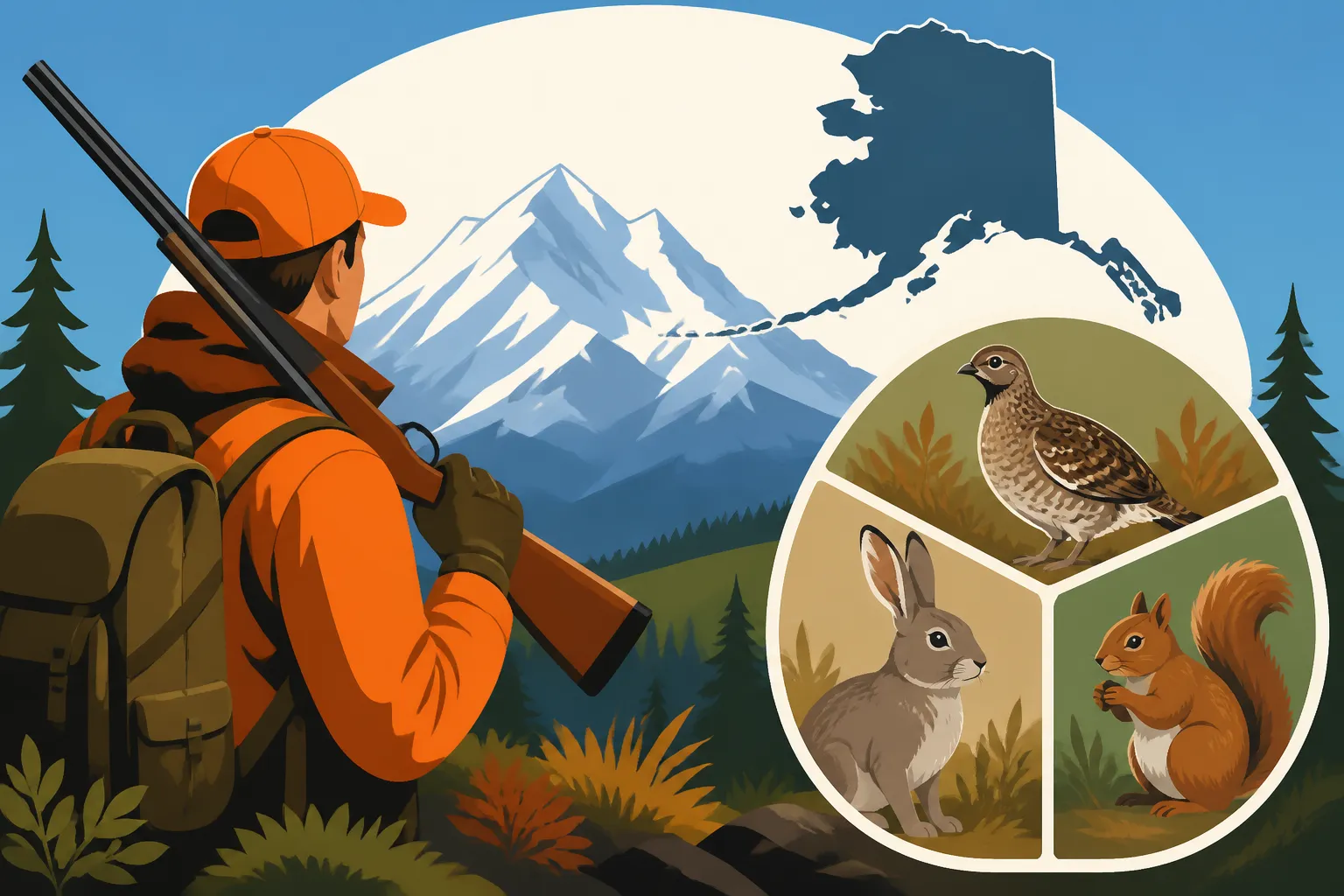
Alaska Small Game License Requirements
Navigating the world of hunting licenses can feel like a labyrinth, especially when you're trying to figure out the specifics for small game in a vast state like Alaska. It's easy to get overwhelmed by different permit types, residency rules, and federal versus state requirements, leaving you wondering if you'll accidentally break a rule just trying to pursue ptarmigan. This guide is here to untangle the complexities, clearly outlining exactly what you need to know about Alaska's small game license requirements so you can hit the field with confidence.
Understanding Alaska's Small Game Hunting Philosophy
Alaska is often celebrated for its majestic big game animals – the towering moose, the elusive Dall sheep, and the formidable brown bear. But beneath this grand facade lies a vibrant small game tradition, deeply ingrained in the state's outdoor culture. For many, small game hunting isn't just a pastime; it's a way to put delicious, wild meat on the table or to simply enjoy the immense solitude and beauty of the Alaskan backcountry without the logistical burden of a major big game expedition.
Why Small Game Matters in the Last Frontier
Small game species like ptarmigan, grouse, and snowshoe hare are incredibly resilient and widespread throughout Alaska, offering fantastic opportunities for hunters of all ages and experience levels. These hunts are often more accessible, requiring less specialized gear or remote travel compared to their big game counterparts. For residents, small game can be a crucial supplement to their diet, connecting them directly to the land. For visitors, it offers a chance to experience a truly Alaskan hunt, perhaps as an add-on to a larger trip or as a primary focus for a more relaxed adventure. Think of a crisp fall day, hiking through vibrant tundra, chasing a covey of willow ptarmigan – it's an experience that encapsulates the spirit of Alaska just as much as a mountain sheep hunt. They also provide valuable camp meat when on a longer expedition, ensuring you're not solely relying on freeze-dried meals.
The Legal Framework: State vs. Federal Lands
One common point of confusion for hunters in Alaska is understanding which set of rules applies to them. Much of Alaska is public land, managed by either the state or various federal agencies, including the National Park Service, Bureau of Land Management, and U.S. Fish and Wildlife Service. While the Alaska Department of Fish and Game (ADF&G) sets the primary hunting regulations for most species across the state, federal lands can sometimes have additional or specific rules that hunters must adhere to. For instance, some federal preserves allow hunting, while adjacent national parks do not.
Even for small game, it's vital to know the land status of your intended hunting area. The general hunting license requirements usually remain consistent, but specific methods of take, access restrictions, or even bag limits might vary depending on whether you're on state or federal ground. Always consult both the ADF&G regulations booklet and specific federal land management agency rules for your chosen hunting unit to avoid any surprises. Reputable resources like GoHunt can often help distill this information, providing a clearer picture of what to expect in different areas.
Essential License Requirements for Small Game
Before you even think about loading your shotgun or stringing your bow for small game in Alaska, securing the proper licensing is your absolute first step. This isn't just a formality; it's a legal necessity that supports wildlife conservation efforts across the state. Without the correct paperwork, your hunt could quickly turn into a costly and disappointing experience.
Who Needs a License? Residents vs. Nonresidents
The most fundamental requirement for hunting small game in Alaska is a valid hunting license. Generally speaking, everyone who hunts small game needs one, with very few exceptions.
For Alaska Residents:
If you meet the Alaska residency requirements (primarily living in the state for at least 12 consecutive months immediately preceding the application for a license and not claiming residency elsewhere), you'll purchase an Alaska Resident Hunting License. This license is significantly less expensive than a nonresident license, reflecting the state's priority for its long-term residents. Most residents only need this basic hunting license for common small game like ptarmigan, grouse, or snowshoe hare.
For Nonresidents:
If you don't meet Alaska's residency criteria, you'll need to purchase an Alaska Nonresident Hunting License. This license is priced higher than the resident equivalent. It’s important to understand that your basic nonresident hunting license covers most small game species, but additional stamps or permits might be required for certain categories, as we'll discuss next. Remember, obtaining your license is a prerequisite before hitting the field. For youth hunters, specific rules apply, and it's worth checking the detailed Alaska Youth Hunting License Rules for precise age categories and what is required.
Specific Stamps and Endorsements
While a basic hunting license covers a wide array of small game species, there are specific instances where additional stamps or permits are mandatory, primarily for migratory birds.
Federal Migratory Bird Hunting and Conservation Stamp (Federal Duck Stamp): If you plan to hunt any migratory waterfowl (ducks, geese, swans, coots, and brant), you must possess a valid Federal Duck Stamp. This stamp is a federal requirement, not just an Alaska one, and it's required for anyone 16 years of age or older. The funds generated from these stamp sales go directly to conserving wetlands and purchasing waterfowl habitat. You can purchase these stamps at many post offices, select sporting goods stores, or online through the U.S. Fish and Wildlife Service.
Alaska Migratory Bird Hunting Stamp (Alaska Duck Stamp): In addition to the federal stamp, Alaska requires its own state migratory bird stamp for hunters 16 years of age or older pursuing migratory waterfowl. This stamp helps fund waterfowl management programs within Alaska. So, if you're targeting ducks or geese, you'll need both the federal and state stamps. Make sure you understand all of the Alaska Waterfowl Stamp Requirements before heading out.
For other small game like ptarmigan, grouse, or snowshoe hare, these migratory bird stamps are generally not required. Always double-check the current ADF&G regulations booklet for any new or updated requirements for specific species you plan to hunt.
Hunter Education Requirements
Alaska takes hunter safety seriously, and proper education is a cornerstone of responsible hunting. This is particularly relevant for younger or first-time hunters.
Who Needs It?: Generally, anyone born after January 1, 1986, must successfully complete an approved hunter education course to hunt in Alaska, unless they are hunting on their own land, with a qualified adult, or meet other specific exemptions. This requirement applies to both residents and nonresidents.
Proving Completion: When purchasing your license, you'll often be asked for proof of hunter education. This usually comes in the form of a hunter education card or certificate number.
Reciprocity: The good news for nonresidents is that Alaska recognizes hunter education certifications from other states, provinces, and countries that meet the standards of the International Hunter Education Association (IHEA-USA). So, if you completed a hunter education course in, say, Montana or British Columbia, it's likely valid in Alaska. Just be sure to carry proof of completion with you while hunting, in addition to your license. It's always best to be clear on the Alaska Hunter Education Requirement by Age before planning your trip.
The Process: How to Obtain Your Small Game License
Getting your Alaska small game hunting license doesn't have to be a daunting task. The Alaska Department of Fish and Game (ADF&G) has streamlined the process to make it as accessible as possible, whether you prefer the convenience of online services or the traditional route of an in-person purchase.
Online, In-Person, and By Mail Options
You have several convenient ways to secure your Alaska hunting license:
Online: This is by far the most popular and often the easiest method, especially for those planning a trip from out of state or who live in a remote area. The ADF&G website hosts an online licensing system where you can purchase your basic hunting license, any necessary state migratory bird stamps, and even federal duck stamps. You'll typically create an account, provide your personal information, pay with a credit card, and then print a temporary license. Your official license and stamps are then mailed to you. This method is quick and efficient, ensuring you have your paperwork well before your hunt begins. Many hunters also use online platforms like GoHunt to stay abreast of season changes and license purchasing windows, making it a comprehensive resource for their planning.
In-Person: If you prefer a tangible transaction or need to ask questions, you can purchase your license in person. This can be done at various license vendors across the state, including many sporting goods stores, hardware stores, grocery stores, and even some air taxi offices in smaller communities. ADF&G offices in major cities like Anchorage, Fairbanks, and Juneau also sell licenses. This option is great if you're already in Alaska and want to pick up your license while running other errands or if you realize you need a license at the last minute.
By Mail: While less common today with the advent of online purchasing, you can still obtain licenses by mail. You would typically download an application form from the ADF&G website, fill it out, and mail it with a check or money order. This method takes longer due to processing and mail delivery times, so it's only advisable if you're planning your hunt far in advance and don't have internet access or prefer not to use online payment methods.
Understanding Validity Periods and Renewals
Alaska hunting licenses operate on a specific annual cycle, and understanding this is critical to avoid hunting with an expired license.
Annual Validity: Most Alaska hunting licenses are valid for a calendar year, typically from January 1st through December 31st of the year they are issued. This means if you buy a license in September, it will expire on December 31st of that same year, not 12 months from your purchase date. This is a common point of confusion for new hunters or those accustomed to licenses valid for a full year from the date of purchase in other states. Always confirm the exact validity period when you purchase your license. This information is clearly printed on the license itself, so take a moment to review it. The Alaska Hunting License Validity Period article offers a deeper dive into this topic.
Renewals: Since licenses are annual, you'll need to purchase a new one each year you plan to hunt. ADF&G usually makes the new year's licenses available for purchase in late fall or early winter. It's a good habit to purchase your next year's license before your existing one expires, especially if you plan on participating in late-season hunts that extend into January. Setting a reminder or using online platforms like GoHunt that often alert users to renewal periods can be a helpful strategy.
Common Pitfalls and How to Avoid Them
Even with the process laid out, it's easy to overlook small details that can lead to big headaches. Here are some common pitfalls related to small game licensing and how to steer clear of them:
Forgetting Federal or State Waterfowl Stamps: This is perhaps the most frequent mistake. A hunter may have a valid basic hunting license but forgets the crucial federal and/or state migratory bird stamps for ducks or geese. Always remember that if wingshooting migratory birds, these stamps are additional requirements beyond your basic hunting license. Make it a checklist item.
Not Having Proof of Hunter Education: Especially for those born after January 1, 1986, not having your hunter education card or a recognized equivalent on your person while hunting can result in a citation. Even if you completed the course years ago, ensure you can produce proof if asked by a Fish and Game Trooper. It's a good idea to keep a digital photo of your card on your phone as a backup.
Misunderstanding Bag Limits or Season Dates for Small Game: While less strict than big game, small game species still have regulated seasons and bag limits. For instance, ptarmigan seasons might vary by game management unit, or snowshoe hare bag limits could change. Never assume; always consult the current ADF&G regulations booklet for the specific unit and species you intend to hunt. These booklets are available online and in print at license vendors.
Incorrect Residency Claim: Attempting to purchase a resident license when you do not meet the strict residency requirements is a serious offense that can lead to significant fines, loss of hunting privileges, and even jail time. Be honest and ensure you genuinely qualify for resident status. The Alaska Resident Versus Nonresident License Fees in Alaska article provides a comprehensive breakdown of the financial implications and legal definitions.
Beyond the License: Key Considerations for Small Game Hunters
Having your small game hunting license in hand is a fantastic start, but it's just one piece of the puzzle for a successful and legal hunt in Alaska. The Last Frontier demands diligence and awareness from its hunters, even for seemingly simple pursuits like chasing ptarmigan.
Knowing Your Species and Regulations
Alaska is home to a diverse array of small game, each with its own characteristics and, often, its own set of rules. While many are covered by a general small game season, specific regulations can apply:
Ptarmigan: Alaska boasts three species of ptarmigan: willow, rock, and white-tailed. These hardy birds are often found in alpine and subalpine environments, changing their plumage with the seasons. Their seasons are typically quite long, often extending from early fall into late winter, but daily and seasonal bag limits are enforced. Knowing how to identify each species in the field is important for respectful hunting and following regulations. For more detail, you can check out Ptarmigan Species Found in Alaska.
Grouse: Spruce grouse and ruffed grouse are common in Alaska's timbered areas. They are often less wary than ptarmigan and provide excellent table fare. Again, check your specific game management unit for season dates and bag limits, as these can vary.
Snowshoe Hare: These iconic critters are found throughout much of Alaska's forested and brushy country. Their populations cycle dramatically, often booming for several years before crashing, influencing hunting success. They are often hunted in conjunction with other species or as a standalone pursuit. Their season is usually long, often year-round in many areas, with generous bag limits. Learning about Alaska Snowshoe Hare Population Cycles can help you predict good years for hunting them.
Always carry a copy of the current ADF&G hunting regulations booklet. It's your bible in the field, detailing season dates, bag limits, shooting hours, and any other specific rules for the species and area you're hunting. Don't rely on memory or outdated information.
Accessing Hunting Areas
Alaska's vastness means incredible hunting opportunities, but it also presents challenges regarding land access. Even for small game, understanding land ownership and access rules is crucial.
Public Lands: The majority of Alaska is public land, managed by the state or federal government. State lands are generally open to hunting, but it's important to differentiate between state game refuges, critical habitat areas, or parks, which may have specific restrictions. Federal lands like National Forests, National Preserves, and Bureau of Land Management (BLM) lands are typically open to hunting under state regulations, but federal refuges might have additional permitting requirements or restrictions on certain activities. Learning about Alaska State Land Open to General Hunting is a great start.
Private and Native Corporation Lands: A significant portion of Alaska is owned by Alaska Native Corporations or private individuals. Hunting on these lands almost always requires permission or a specific access permit, which may come with a fee. Hunting without permission on private land is trespassing and illegal. Before you venture out, it is absolutely paramount to verify the land status of your chosen hunting spot. Tools and resources are available from ADF&G, BLM, and services like GoHunt to help you determine land ownership. The article on How to Check Alaska Land Status Before a Hunt offers valuable guidance here. Never assume land is public simply because it appears undeveloped.
Equipment and Safety
While small game hunting might seem less intense than big game, it still requires appropriate equipment and a keen focus on safety, especially in Alaska's challenging environment.
Firearms and Ammunition: Shotguns are typical for bird species like ptarmigan and grouse, with various gauges and shot sizes being appropriate depending on the bird and conditions. For snowshoe hare, a .22 caliber rifle or pistol is often a good choice, as it's quiet and effective at closer ranges. Some hunters also use small caliber air rifles. If you're out for big game and happen upon small game, it's generally legal to harvest small game with a big game rifle, but you'll need to consider meat damage. The article on Shooting Small Game With a Big Game Rifle explores this concept further. Always ensure your firearm is appropriate for the species and that you are using legal ammunition.
General Field Safety: Alaska's wilderness is beautiful but unforgiving. Even on a small game hunt, carry essential survival gear: extra layers, fire-starting supplies, a first-aid kit, food, water, and reliable navigation (GPS, map, and compass). Inform someone of your hunting plans and expected return time. Be acutely aware of other hunters in the field and always follow universal firearm safety rules. Additionally, remember that you are in bear country; carrying bear spray and knowing how to use it is always a wise precaution, no matter how "small" your game.
Alaska Small Game License & Waterfowl Stamp Requirements
To help simplify the core requirements for small game hunting in Alaska, here’s a quick overview of the typical licenses and stamps you'll need.
| Requirement | Alaska Resident (16+) | Nonresident (16+) | Notes |
|---|---|---|---|
| Basic Hunting License | Mandatory | Mandatory | Covers most small game (ptarmigan, grouse, hare). |
| Federal Duck Stamp | Mandatory for migratory waterfowl (ducks, geese) | Mandatory for migratory waterfowl (ducks, geese) | Funds national wildlife refuges. Valid nationwide. |
| Alaska Duck Stamp | Mandatory for migratory waterfowl (ducks, geese) | Mandatory for migratory waterfowl (ducks, geese) | Supports Alaska's waterfowl management programs. |
| Hunter Education Card | Mandatory if born after Jan 1, 1986 (with exceptions) | Mandatory if born after Jan 1, 1986 (with exceptions) | Reciprocal with IHEA-USA certified courses. Always carry proof. |
| Cost (Approximate, 2024) | $30 – $40 (Basic + State Duck) | $100 – $140 (Basic + State Duck) | Federal Duck Stamp is additional ($25) for both. Costs are subject to change by ADF&G. |
| Validity | January 1 – December 31 of current year | January 1 – December 31 of current year | Licenses expire at the end of the calendar year, regardless of purchase date. |
This table provides a general guideline, but always refer to the official Alaska Department of Fish and Game regulations for the most current and detailed information before your hunt.
Disclaimer
The information provided in this guide is for general informational purposes only and does not constitute legal advice. Hunting regulations in Alaska are complex and subject to change. It is the sole responsibility of every hunter to review and comply with all current federal, state, and local hunting laws and regulations before engaging in any hunting activities. Always consult the official Alaska Department of Fish and Game (ADF&G) regulations booklet, specific federal land management agency rules, and any applicable emergency orders.