Alaska Disabled Veteran License Rules
Navigating the complexities of hunting regulations can be a daunting task for any Alaskan, but for our disabled veterans, the added layers of eligibility and application processes can feel particularly overwhelming. Many wonder if their service and sacrifices translate into tangible benefits when it comes to pursuing their passion in the Last Frontier's wild spaces. This guide is here to cut through the confusion, offering a clear, empathetic breakdown of Alaska's disabled veteran hunting license rules, ensuring you understand your entitlements and how to access them.
Understanding Alaska's Disabled Veteran License Benefits
It’s a common misconception that any veteran with a disability rating automatically qualifies for special hunting license benefits in Alaska. Unfortunately, the reality isn't quite so broad, and this can be a source of significant frustration for those who’ve served our nation. Alaska has specific criteria, and it's essential to understand them upfront to avoid disappointment and wasted effort. The good news is that for those who meet the qualifications, the state offers free hunting, fishing, and trapping licenses, a small but meaningful recognition of your service and sacrifice.
For residents who qualify, this benefit covers the standard annual hunting license, trapping license, and sport fishing license. It's not just a discount; it's a zero-cost license. This means you don't have to worry about the baseline cost that other residents pay, which, while not astronomical, can certainly add up over the years. However, it's crucial to remember that this does not automatically include big game locking tags, drawing permits, or harvest tickets for specific species like moose, caribou, or bear. These specific tags and permits often still need to be purchased or applied for, although the underlying general license is covered. Think of it as getting your entry pass to the park for free, but you still need to pay for specific attractions inside.
The distinction between a "disabled veteran" and a "permanently and totally disabled resident" can also cause confusion. While both categories can qualify for the free license, the criteria for proving that disability differ. Our focus here is primarily on the veteran-specific pathway, but it's worth noting that other Alaskans with severe, permanent disabilities can also access these benefits, broadening the scope of support the state offers to its most vulnerable residents. It's a system designed to help those who face significant physical challenges enjoy Alaska's incredible outdoors, a pursuit that can be incredibly therapeutic and restorative.
Detailed Eligibility for Disabled Veteran Residents
When we talk about Alaska’s disabled veteran hunting license rules, the devil is truly in the details regarding eligibility. The core requirement for disabled veterans is quite specific: you must be an Alaska resident and have a 100% service-connected disability rating from the U.S. Department of Veterans Affairs (VA). This isn't just "disabled" in a general sense; it's explicitly tied to your military service and that perfect 100% rating. Anything less than 100% will, unfortunately, not qualify you for this specific benefit, which can be a tough pill to swallow for many veterans with significant service-connected disabilities.
First and foremost, Alaska residency is non-negotiable. This means you must have been physically present in Alaska with the intent to remain indefinitely for at least 12 consecutive months immediately preceding your application. You'll need to provide proof of residency, such as an Alaska Driver's License or State ID, voter registration, or property ownership documents. Simply owning land or visiting frequently won't cut it; you need to demonstrate that Alaska is your established home. This requirement is in place to ensure that the state's resources and benefits are directed toward its permanent inhabitants who contribute to the community.
The second critical component is that 100% service-connected disability rating. This rating must be verifiable through official documentation from the VA. Typically, this means an official letter or benefits summary from the VA clearly stating your 100% service-connected disability. This documentation proves to the Alaska Department of Fish and Game (ADF&G) that you meet the federal criteria for profound disability directly linked to your time in uniform. Without this specific rating and official proof, the application for the free disabled veteran license cannot proceed. It's not enough to be receiving some VA benefits; it has to be the full, 100% service-connected determination. This can sometimes involve a waiting period after you initially receive your VA rating, so it's wise to ensure all your paperwork is in order before applying. For veterans seeking to understand their broader entitlements and how these specific rules align with other state programs, resources like GoHunt can be invaluable for cross-referencing regulations and staying current on policy changes.
The Application Process: Getting Your License in Hand
Once you’ve confirmed your eligibility, the application process itself is fairly straightforward, though it requires attention to detail. The Alaska Department of Fish and Game (ADF&G) is the agency responsible for issuing these licenses. You have a few options for how to apply, which offers some flexibility depending on your location and preference.
The most common way to get your license is to apply directly through the ADF&G website. The state has invested in making many of its services accessible online, and obtaining a hunting license is no exception. When you apply online, you'll need to create an account if you don't already have one, and then navigate to the license purchasing section. There, you'll find options for various license types, including those for disabled veterans. You'll be prompted to upload your documentation, specifically that official VA letter confirming your 100% service-connected disability and proof of your Alaska residency. Make sure these documents are clear, legible, and contain all necessary information. The online system often provides immediate confirmation, and you can usually print a temporary license right away, with the official hard copy arriving in the mail later. If you're wondering about the typical costs associated with a license for a non-disabled resident, you can look up information on What an Alaska Resident Pays for a Hunting License.
If you prefer a more personal touch, or if you have questions that aren't easily answered by the website, you can also apply in person. ADF&G offices are located in several major Alaskan cities, including Anchorage, Fairbanks, Juneau, and Palmer. Bringing your original documents – your VA letter, Alaska ID, and any other proof of residency – to one of these offices allows a staff member to assist you directly, answer questions, and ensure your application is filled out correctly. This can be particularly helpful if you're new to the system or have unique circumstances. Additionally, many license vendors across the state, such as sporting goods stores, might be able to help process your application, although it's always best to call ahead to confirm their capabilities for special license types like disabled veteran benefits.
Regardless of how you apply, ensure you keep copies of all your documentation and your submitted application. This habit is good practice for any important paperwork, especially something as crucial as your hunting license. After receiving your free general license, you'll still need to consider species-specific permits and tags, which might have their own application processes and costs. Tools like GoHunt can sometimes streamline the research for these additional permits, allowing you to quickly check draw odds or registration requirements for various species and Game Management Units. Remember, the general license covers the right to hunt, but specific big game animals require additional tags, many of which still carry a fee. This includes managing your harvest tickets and reporting deadlines, which are vital for all hunters as detailed in Alaska Harvest Report Deadline After the Hunt.
Here's a quick overview of the application process and requirements:
| Step | Description | Key Requirement |
|---|---|---|
| 1. Verify Eligibility | Ensure you meet the criteria: Alaska resident AND 100% service-connected disability as determined by the VA. This is the absolute first hurdle. | Official VA letter stating 100% service-connected disability & proof of Alaska residency |
| 2. Gather Documentation | Collect your official VA letter, proof of Alaska residency (e.g., driver's license, state ID, voter registration, utility bill showing 12+ months residency), and any other supporting identification. | Clear, legible copies of VA letter and Alaska residency proof |
| 3. Choose Application Method | Decide whether to apply online through the ADF&G license portal or in person at an ADF&G office or authorized license vendor. | Internet access or physical presence at an ADF&G location |
| 4. Complete Application | Fill out the application completely and accurately. If applying online, upload your digital documents. If in person, present your physical documents. | Accurate personal information and uploaded/presented documents |
| 5. Receive License | Once approved, you'll receive your free annual hunting, fishing, and trapping license. Online applicants often get a printable temporary license immediately. | Confirmation of approval and the physical/digital license |
| 6. Consider Additional Permits | Remember, the free license covers the general privilege. You'll still need to apply for and potentially purchase big game locking tags, draw permits, or harvest tickets for specific species (e.g., moose, caribou, bear, sheep, goat). Each of these often has its own application process and deadlines, as discussed in Alaska Big Game Locking Tags and What Each Costs. | Research species-specific regulations and application deadlines |
Maximizing Your Hunting Opportunities and Staying Compliant
Receiving your free disabled veteran hunting license is a fantastic benefit, but it's just the first step toward a successful and rewarding hunt in Alaska. To truly maximize your opportunities and, more importantly, stay compliant with the law, there are several other critical aspects to consider. Alaska's hunting regulations are complex, and even with a free license, a missed deadline or overlooked rule can lead to significant penalties. This is where diligent planning and continuous education become your most valuable assets.
First, your free license covers the general right to hunt, fish, and trap. However, as mentioned, nearly every big game species in Alaska requires additional permits or tags. These can be:
- Harvest Tickets: For commonly hunted species like moose or caribou in general seasons, you'll need to obtain a harvest ticket. These are often free but must be acquired before hunting and reported afterward. Failing to report on time can result in fines or impact your ability to acquire future licenses, a process outlined in Alaska Harvest Report Deadline After the Hunt.
- Drawing Permits: For high-demand or limited-quota hunts (like certain Dall sheep, bison, or special moose hunts), you'll need to apply through the annual draw system. These applications often have fees and are highly competitive. GoHunt is an excellent resource for analyzing draw odds and strategizing your applications for specific Game Management Units.
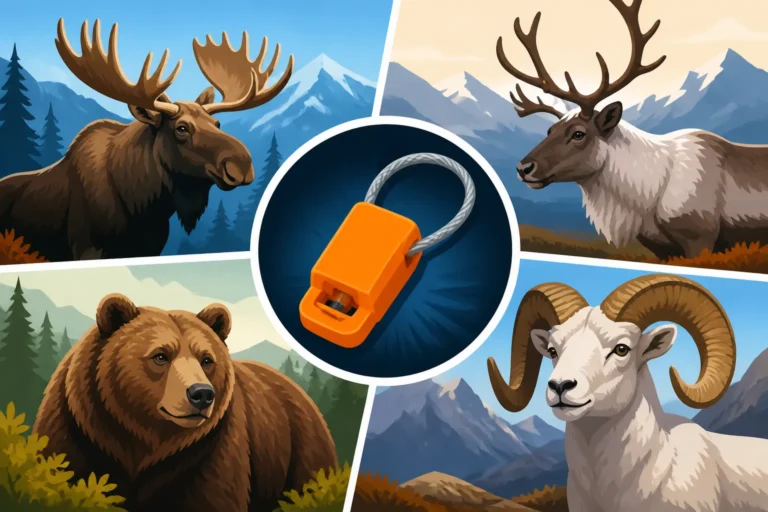
- Locking Tags: For species like brown bear, moose, caribou, Dall sheep, and mountain goat, you'll need to purchase and attach a physical locking tag to your animal immediately after a kill. The cost of these tags varies significantly, especially for non-residents, but residents also pay a fee for certain species. Even with a free general license, these specific tags are a separate expense, as explored in What an Alaska Moose Tag Adds to a Hunt Budget.
Beyond permits and tags, understanding and adhering to seasonal dates and bag limits is paramount. Alaska's seasons are highly localized and can change frequently based on game populations and emergency orders. What might be legal in one Game Management Unit (GMU) could be illegal just across the river. Always consult the current year's Alaska Hunting Regulations manual, available online through ADF&G, before heading out. This is especially true for those considering hunts that might require specific orientations, like the Alaska Sheep Hunter Orientation Deadline, which must be completed before you pursue Dall sheep.
Another crucial area is hunter education. While disabled veterans may have extensive military experience with firearms, Alaska Hunter Education and Orientation Requirements apply to everyone born after January 1, 1986. Even if you’re exempt by age, refreshing your knowledge on ethical hunting practices, game identification, and carcass care is always beneficial. For more remote hunts, consider reviewing information on Signal Devices and Check-In Plans for Solo Alaska Hunts to ensure your safety and communication plan is solid.
Finally, remember that your hunting is often a physically demanding endeavor. Plan for the reality of field dressing and packing out your animal, especially large game like moose. Understanding laws like Packing Out Meat in Alaska: The Salvage Law Hunters Must Follow is not just about compliance, but ethical hunting and efficient meat recovery. For those venturing into truly remote areas, having a contingency plan for emergencies, including Emergency Evacuation Plans in Remote Alaska, is vital. These considerations are part of being a responsible hunter in Alaska, ensuring that your pursuit of game is not only successful but also safe and legal.
Disclaimer
The information provided in this guide is intended for general informational purposes only and does not constitute legal advice. Alaska hunting regulations are subject to change and can be complex. Hunters are responsible for verifying all current regulations, seasons, bag limits, and licensing requirements with the Alaska Department of Fish and Game (ADF&G) before engaging in any hunting activities. Always refer to the official ADF&G hunting regulations booklet for the most accurate and up-to-date information.