Alaska Muskox Fall and Winter Hunt Periods
Deciphering Alaska's intricate hunting seasons, especially for unique species like muskox, can be incredibly daunting. Many aspiring hunters find themselves overwhelmed by the specific regulations, permit systems, and the stark differences between fall and winter hunt periods. This comprehensive guide aims to cut through that complexity, providing a detailed breakdown of muskox hunting in the Last Frontier, helping you confidently navigate the permit process and prepare for an unforgettable expedition.
Understanding Alaska's Muskox Hunting Regulations and Permit System
Muskox hunting in Alaska isn't like heading out for small game; it's a highly regulated pursuit, primarily managed through a limited draw permit system. This means you can't just buy an over-the-counter tag and head into the field. The state carefully manages muskox populations to ensure their health and sustainability, which translates into specific, often hard-to-draw, permits.
The Core of Muskox Hunting: Draw Permits
At its heart, muskox hunting in Alaska is a draw-permit endeavor. Hunters must apply for specific hunt numbers that correspond to particular geographic areas, hunt periods (like fall or winter), and sometimes even the sex of the animal (bull or cow). These permits are incredibly scarce, reflecting the limited nature of muskox populations and the high demand among hunters seeking this iconic Arctic species. Because of their scarcity, many hunters consider drawing a muskox permit a once-in-a-lifetime opportunity, often requiring years of persistent application.
Each permit is essentially a golden ticket, granting you the legal right to pursue a muskox under very strict conditions. This isn't just about obtaining a tag; it's about being selected from hundreds, if not thousands, of other applicants for a chance to hunt in areas like Nunivak Island or the North Slope. The low success rate in the draw often means a multi-year strategy for hopeful hunters, making every application cycle a significant event. Before even thinking about gear or travel, your first and most critical step is understanding the draw system and applying correctly.
Key Game Management Units for Muskox
When you dive into the regulations, you'll quickly learn that muskox are not widely distributed across Alaska. Instead, they are concentrated in specific Game Management Units (GMUs), each with its own unique set of regulations and characteristics. The most renowned area for muskox hunting, and arguably the most sought-after, is Nunivak Island (GMU 22E). This remote island in the Bering Sea is famous for its large, healthy herd and offers both fall and winter permit hunts.
Beyond Nunivak, opportunities exist on Nelson Island (GMU 18), another remote island with its own distinct permit hunts, and on portions of the North Slope (GMU 26). Each of these units presents different logistical challenges, weather patterns, and access methods. For instance, a Nunivak Island hunt might involve a commercial flight to Mekoryuk, while a North Slope hunt could mean flying into a small village or being dropped off by a bush plane on skis far out on the tundra. Hunters must diligently research the specific hunt numbers for these GMUs in the annual Alaska Department of Fish and Game (ADF&G) regulations booklet, as each number dictates the precise legal parameters, including season dates and bag limits. Understanding the nuances of each unit is crucial for selecting the right permit to apply for and preparing adequately if you are drawn.
Distinguishing Legal Hunt Periods
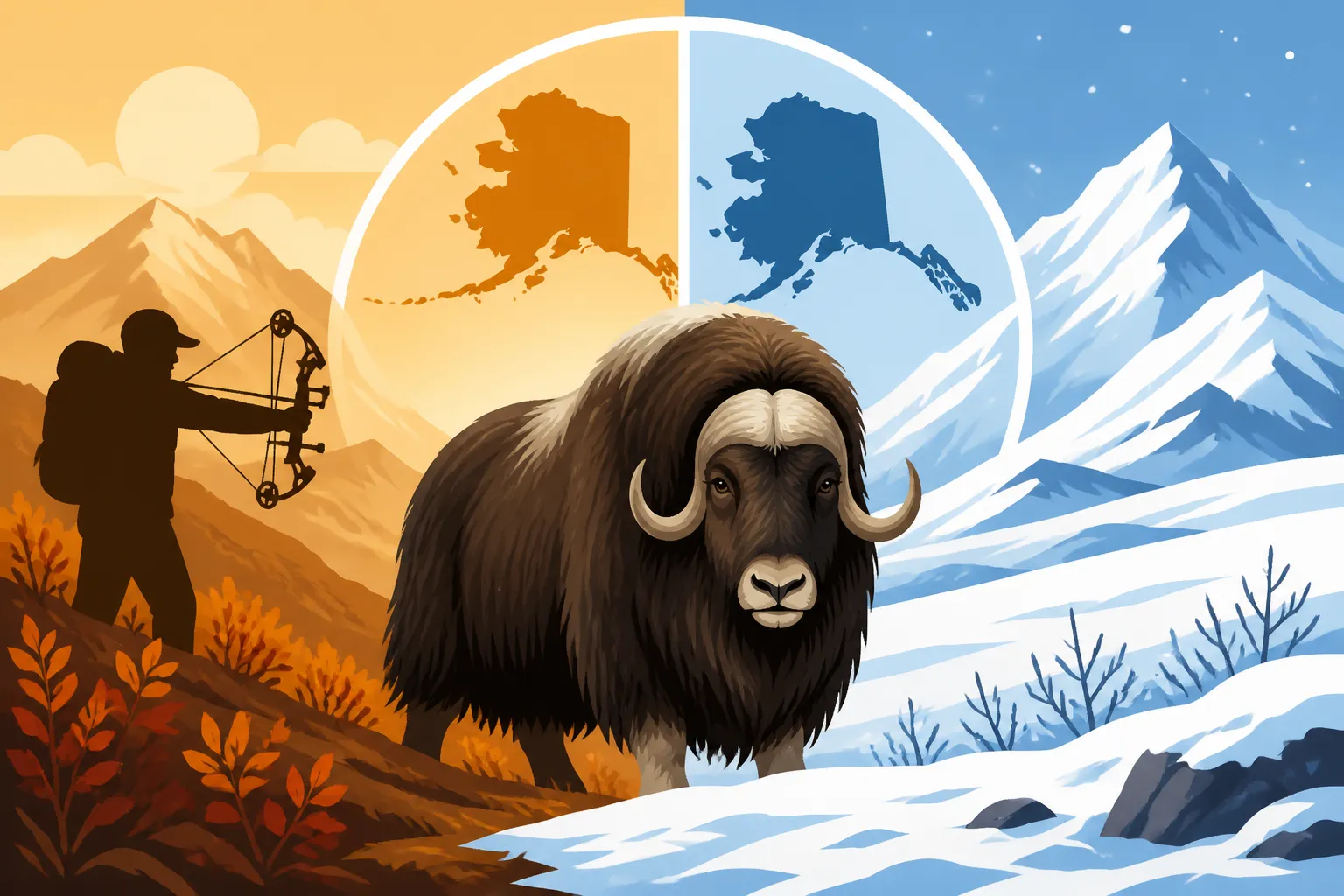
In Alaska muskox hunting, "fall" and "winter" aren't just vague seasonal descriptors; they are distinct, legally defined hunt periods, each with specific start and end dates meticulously set by the ADF&G. These dates are critical, as your permit is valid only for the period specified on it. If you're lucky enough to draw a fall permit, you cannot legally hunt during the winter hunt period, and vice-versa. This strict adherence to dates is paramount and is a common pitfall for hunters who don't pore over the regulations.
The rationale behind these distinct periods often revolves around herd management goals, animal behavior patterns, and accessibility to hunting grounds. For example, fall hunts might target bulls during or just after the rut, while winter hunts might coincide with periods when animals are more concentrated and visible against the snow. Factors like calving season, ice conditions for access, or traditional subsistence harvests in certain areas also play a role in shaping these seasonal windows. Therefore, thoroughly understanding the exact legal dates for your specific hunt number is not just a recommendation; it's a fundamental requirement for a legal and successful hunt.
Fall Hunt Periods: Navigating Early Season Opportunities
Fall muskox hunts offer a distinct experience compared to their winter counterparts, generally presenting milder conditions and unique challenges. These early season opportunities can be appealing for hunters seeking a slightly less extreme Arctic expedition, but they still demand thorough preparation for Alaska's notoriously fickle weather.
Advantages and Weather Dynamics of Fall Hunts
Hunting muskox in the fall, typically from late August through September and sometimes into early October, generally means encountering more moderate temperatures than the brutal deep freeze of winter. While "mild" is a relative term in the Alaskan Arctic, you'll likely experience longer daylight hours, potentially less snow, and unfrozen ground, which can significantly ease travel and camping logistics. The tundra during this period is often a kaleidoscope of vibrant autumn colors—deep reds, oranges, and yellows—making for incredibly scenic backdrops.
During the fall, muskox might be more dispersed across the vast tundra as they graze on a wider variety of available forage before the deep snows arrive. For bulls, this period often coincides with the tail end of or just after their intense rutting season, which can influence their behavior and where they might be found. While the temperatures are usually more forgiving, hunters must still be prepared for Alaska's notorious weather swings. A beautiful, clear morning can quickly turn into a cold, wet, and incredibly windy afternoon, especially on exposed islands like Nunivak. Good layering is essential, and forgetting even for a moment that you’re in a wild, unforgiving environment can lead to trouble. Ensuring your gear, like your bowstring, stays dry is critical, as discussed in Keeping a Bowstring Dry for Ten Days.
Typical Fall Muskox Hunt Dates
While specific dates always require a check of the current ADF&G regulations, fall muskox hunts generally run from late August through September and occasionally into the first week or two of October. For many of the Nunivak Island permits, a common opener might be around the first week of September, with hunt periods lasting a few weeks. These dates are carefully chosen to align with management goals and animal behavior, such as post-rut dispersal or foraging patterns.
It cannot be stressed enough: these are general timeframes. Hunters absolutely must consult the official Alaska Department of Fish and Game regulations for the current year and the specific hunt number they intend to apply for or have drawn. Regulations can shift based on population assessments, winter severity, or other factors, and a minor change in dates could significantly impact your meticulously planned logistics. Some fall windows can be quite brief, demanding that hunters be ready to deploy swiftly if they are fortunate enough to draw a permit. The rapidly changing Arctic weather also necessitates flexibility in your travel plans, as bush flights can be delayed by low clouds, strong winds, or unexpected storms.
Gear and Logistical Considerations for Fall Expeditions
Preparing for a fall muskox hunt involves a careful balance of protection from the elements and practicality for travel over uneven terrain. Layering is not just a suggestion; it's a survival strategy. Start with moisture-wicking base layers, add insulating mid-layers like fleece or puffy jackets, and top it off with a bombproof outer shell system. A high-quality rain jacket and pants are non-negotiable for coastal and island hunts, where persistent dampness can quickly lead to hypothermia. Sturdy, waterproof boots with good ankle support are crucial for navigating wet, uneven tundra, which can be surprisingly arduous to traverse.
For shelter, a robust four-season tent capable of withstanding strong winds and driving rain is essential. While temperatures might not be as extreme as winter, you'll still want a reliable cooking system and plenty of fuel. Food storage must also consider potential encounters with coastal brown bears or interior grizzlies, depending on your hunt unit, though bear pressure might generally be less intense than in salmon-rich areas. While muskox areas are typically far from dense grizzly populations, being prepared for Bear Safety While Butchering a Kill in Alaska is always prudent in Alaska. Transportation for fall hunts often involves air taxis flying fixed-wing aircraft with wheels, landing on remote gravel bars or tundra strips, or occasionally boat charters for island access. Unfrozen ground generally allows for easier landings and movement once on the ground. For covering ground once you've landed, options like packrafts can also be viable for crossing smaller rivers or sloughs in the early fall, as detailed in Packrafting Into a Roadless Alaska Drainage.
Winter Hunt Periods: Challenges and Rewards of Late Season Hunts
Venturing after muskox in the heart of an Alaskan winter is an endeavor reserved for the most resilient hunters. These late-season hunts present an entirely different set of environmental challenges, demanding specialized gear, meticulous planning, and an unwavering spirit to endure the Arctic's harshest conditions.
The Rigors of Alaska's Winter Muskox Hunts
Winter muskox hunts, typically spanning from late November through March, plunge hunters into the extreme realities of the Alaskan Arctic. Picture unbelievably cold temperatures that can plummet far below zero, accompanied by relentless, biting winds that slice through exposed skin. Daylight hours are drastically reduced, often offering just a few precious hours of twilight for hunting, forcing you to navigate and set up camp in near-darkness. Deep snow covers the landscape, making travel on foot an exhausting, lung-burning ordeal, while icy conditions add a treacherous element to every step. This is not merely a hunting trip; it's a test of survival against the raw power of nature.
These brutal conditions profoundly influence muskox behavior. To conserve energy and find what little forage is accessible, muskox often band together in larger herds during the winter. They might huddle in sheltered depressions or along windswept ridges where snow is thinner, exposing mosses and lichens. This clustering can sometimes make them easier to locate from a distance compared to their more dispersed fall patterns, but approaching them unnoticed in a vast, open, snow-covered landscape with limited cover presents its own tactical difficulties. The increased logistical demands of winter hunting mean everything takes longer, from setting up a bombproof camp to simply boiling water. The risk of frostbite, hypothermia, and gear failure in extreme cold is omnipresent. Keeping crucial electronics working, for instance, means diligently managing GPS Battery Life in Cold Camps, as cold drains batteries rapidly.
Typical Winter Muskox Hunt Dates
Similar to fall hunts, winter muskox hunt dates are meticulously outlined in the ADF&G regulations, but they generally extend from late November or December through January, February, and sometimes into early March. Nunivak Island, for instance, often has significant winter hunt periods, providing opportunities when the island is completely blanketed in snow and the Bering Sea is partially frozen. These later dates are often chosen to coincide with stable ice conditions for travel and specific animal distributions.
Once again, these dates are merely a guide. Hunters must consult the specific hunt number within the current year's official ADF&G regulations. Winter dates can be particularly susceptible to environmental variables, such as unusually mild winters delaying ice formation or unusually severe winters limiting access. These hunts often occur concurrently with traditional subsistence activities by local rural communities, which can sometimes affect local transportation arrangements or require heightened cultural sensitivity from visiting hunters. Hunters should also be prepared for potential emergency orders or season closures if conditions become too extreme or if quotas are met rapidly.
Specialized Gear and Access for Winter Hunts
Success in a winter muskox hunt hinges on specialized gear and robust logistics designed for extreme cold. Your layering system needs to be upgraded significantly: think expedition-grade parkas, heavily insulated bibs or pants, and redundant layers of down or synthetic insulation. Heavy-duty mittens or "choppers" with glove liners are essential to prevent frostbite on your hands, and insulated boots (like Schnee's, Baffin, or traditional mukluks) are critical for protecting your feet from the pervasive cold radiating from the frozen ground.
Your shelter will also need to be upgraded. A four-season mountaineering tent, often paired with a stove jack and a portable wood or propane stove, is necessary to create a habitable and safe base camp. Moving gear over deep snow and ice often requires specialized equipment like pulks or sleds. For transportation, snowmachines (snowmobiles) become the primary mode of travel across the frozen tundra and sea ice. Air taxi services for winter hunts typically use ski-equipped planes, allowing them to land on snow-covered strips or frozen lakes. The logistics become far more complex, requiring careful planning for fuel caches, emergency repair kits for snowmachines, and a robust communication plan. Proper preparation for Strapping Gear Loads for a Bush Flight is also crucial, as overloaded planes are a safety hazard.
Applying for Muskox Permits and Maximizing Your Chances
The application process for an Alaska muskox permit is your gateway to this unique hunting experience. Understanding the nuances of the draw, leveraging available resources, and preparing diligently are all crucial steps in turning a dream into reality.
Navigating the Alaska Draw Application Process
Muskox draw hunts are an integral part of Alaska's broader Big Game Drawing Permit system, a process that many hunters find both exciting and nerve-wracking. To participate, you'll need to submit applications for specific hunt numbers during a tightly defined annual application period. This period typically opens around November 1st and closes on December 15th, giving you a focused window to research, plan, and submit your choices. The results of the draw are usually announced in mid-February, often ushering in a flurry of activity as successful applicants begin their intense preparation.
It's paramount to approach the application process with precision. Each hunt number represents a unique set of parameters: a specific species (muskox), a particular GMU, defined season dates, and sometimes even weapon restrictions (e.g., archery-only hunts). Carefully reading and understanding these conditions is non-negotiable. Some hunts may also carry specific hunter orientation requirements or detailed post-hunt reporting obligations, similar to the general Alaska Hunter Education and Orientation Requirements. Hunters should also be aware of the fees associated with applying for each hunt number. Many seasoned applicants utilize online resources and scouting tools, like those offered by GoHunt, to help make sense of the complex odds and options before submitting their applications.
Leveraging Data and Resources for Permit Success
Given the highly competitive nature of muskox draw permits, simply "applying" isn't enough; strategic application is key. This is where diligent research becomes your most powerful tool. You need to delve into past drawing odds, success rates for specific units and hunt numbers, and current population trends. Don't just pick a hunt number blindly; study the data. Resources like GoHunt's Insider service provide invaluable in-depth analytics, historical drawing odds, and harvest reports, empowering hunters to make informed decisions about which permits to apply for based on their personal goals and risk tolerance.
Understanding how to strategically use your primary and alternative hunt choices can also influence your chances, though muskox hunts typically offer fewer choices than more common species like moose or caribou. Consider diversifying your applications by including permits for less popular units or hunt periods, which might have slightly better odds, even if it means preparing for tougher hunting conditions. It's a calculated gamble. Non-resident hunters, in particular, face additional considerations, as they are generally required to hire an Alaska registered guide for muskox hunts, significantly adding to the cost and complexity of the expedition. This regulation is unique to certain species and is an important part of the planning process, as highlighted in Hiring an Alaska Registered Guide-Outfitter. Thorough research into guide availability and reputation should commence long before the application period.
Essential Preparation Once You Draw a Permit
The moment you receive that coveted email or see your name on the successful applicants list, the real work begins. If you're a non-resident, your first and most critical step is to secure a qualified and reputable Alaska registered guide immediately. Many top guides are booked years in advance for muskox hunts, so having a pre-arranged plan or a guide on standby is absolutely crucial. This involves not only vetting potential guides but also understanding and signing comprehensive contracts, as detailed in guides like Choosing a Guide for an Alaska Moose Hunt.
Beyond securing a guide, the logistical planning for an Alaska muskox hunt is immense. This includes booking commercial flights to remote villages that serve as staging points, then arranging local air taxi charters (often on ski-planes in winter), snowmachine rentals, or boat charters, depending on your hunt unit and season. Securing accommodations in remote villages before and after your hunt, and finalizing your extensive gear list, are also critical. Every aspect of your preparation must be tailored to the specific challenges of your drawn season—fall's wet, windy conditions versus winter's extreme cold and deep snow. Finally, physical conditioning cannot be overstated. Muskox hunting, whether in fall's squishy tundra or winter's deep snow, is incredibly demanding. Practice shooting in cold weather, with heavy layers, and be prepared for strenuous activity and packing out heavy meat in challenging conditions.
| Feature | Fall Muskox Hunts (Late Aug – Early Oct) | Winter Muskox Hunts (Nov – Mar) |
|---|---|---|
| Typical Weather | Milder, rain/wind common, first snows possible | Extreme cold, deep snow, high winds, short daylight |
| Accessibility | Float plane, wheeled plane (gravel bars), boat. Unfrozen ground | Ski-equipped planes, snowmachines. Frozen ground/water |
| Muskox Behavior | More dispersed, potentially in rut (bulls), feeding widely | Clustered for warmth, often in more predictable areas |
| Challenges | Variable weather, bugs, navigating wet tundra, longer daylight for tracking | Frostbite risk, gear failure, deep snow travel, short daylight, higher logistical costs |
| Logistical Needs | Good rain gear, sturdy boots, robust tent, bear precautions | Extreme cold weather clothing, insulated shelter (stove), sleds, snowmachines, extensive emergency gear |
| Meat Care | Cooling meat quickly, protecting from flies | Keeping meat from freezing too fast for quartering, protecting from predators |
Disclaimer
The information provided in this guide is for general informational purposes only and is subject to change. Hunting regulations, seasons, and permit requirements in Alaska are complex and can be updated frequently by the Alaska Department of Fish and Game (ADF&G). It is the sole responsibility of every hunter to consult the official, current ADF&G hunting regulations booklet and any emergency orders before planning or undertaking any hunt. Past drawing odds or success rates are not a guarantee of future outcomes.