Fortymile Zone Openings and Delays
The Fortymile caribou herd represents one of Alaska's most iconic and, at times, most frustrating hunting opportunities. For many of us, planning a hunt around a specific season opening date is already a challenge, but when that date is constantly in flux, dependent on caribou movements and population dynamics, it can feel like trying to hit a moving target while blindfolded. This guide aims to pull back the curtain on the complexities of Fortymile zone openings and delays, helping you understand the "why" behind the changes and empowering you with the tools to stay informed.
Understanding the Fortymile Caribou Herd and its Management
Before we dive into the nitty-gritty of season dates, it's crucial to grasp the nature of the beast: the Fortymile Caribou Herd. These aren't creatures that stick to a neat schedule or a small territory; they are truly wild, vast, and nomadic, roaming across thousands of square miles of interior Alaska and the Yukon Territory. This inherent unpredictability is the primary driver behind the dynamic nature of their hunting seasons.
The Legacy of the Fortymile Herd
The Fortymile herd boasts a legendary status among Alaskan hunters, and for good reason. Once one of the largest caribou herds in North America, its numbers dipped drastically in the mid-20th century before a remarkable recovery effort. This comeback story is a testament to careful management and the resilience of the species. Today, the herd is managed cooperatively by both Alaska and Yukon wildlife agencies, requiring immense coordination due to its transboundary movements. It's a herd that has seen its population ebb and flow, creating a historical pattern of intense hunting pressure followed by closures, then gradual reopenings as numbers rebound. This history means that every decision about season openings and closures is made with a deep understanding of previous successes and failures, aiming for long-term sustainability rather than short-term gains.
Understanding Their Movements and Impact on Seasons
Imagine trying to predict where tens of thousands of animals will be, day by day, across a landscape as vast and varied as interior Alaska. That's the challenge wildlife managers face with the Fortymile. Their migrations are driven by a complex interplay of factors: forage availability, predator pressure, snow depth, insect harassment, and even the timing of the rut. One year, they might be accessible from the Taylor Highway; the next, they could be deep within the Yukon-Charley Rivers National Preserve. This constant movement means that a zone that was teeming with caribou one season could be completely empty the next. This is why Alaska's management model often relies on "registration hunts" and "emergency orders" that allow for flexible closures based on real-time observations, rather than rigid, calendar-based seasons. If the herd shifts unexpectedly, or if the harvest quota is met sooner than anticipated in a particular area, a season can close with very little notice. This fluid situation requires hunters to be constantly vigilant and ready to adapt. You can learn more about the Fortymile Caribou Herd Range and Migration to better grasp this immense scope.
Why Seasons Open, Close, and Sometimes Just… Pause
The uncertainty surrounding Fortymile caribou seasons is a common source of frustration for hunters. You've planned your time off, scouted potential access points, and maybe even bought your gear, only for an announcement to throw a wrench in your plans. It's not arbitrary; there are very specific, scientifically backed reasons why the Alaska Department of Fish and Game (ADF&G) makes these tough calls.
Population Dynamics and Harvest Quotas
At the heart of every Fortymile season decision lies the health and size of the caribou herd. Wildlife biologists conduct aerial surveys, often during late winter or early spring, to estimate the population and track trends in calf production and survival. These numbers are critical. If the population is robust and growing, there's more leeway for a longer or more liberal season. Conversely, if numbers are declining, managers may opt for more conservative quotas, shorter seasons, or even full closures to allow the herd to recover. The Fortymile Caribou Quota for the Season is not a static number but is adjusted annually based on these scientific assessments. Once the total number of caribou allotted for harvest across all zones is reached, or projected to be reached, sections of the season are often closed via emergency order. This dynamic management ensures the long-term sustainability of the herd, even if it means short-term inconvenience for hunters.
Caribou Location and Public Access
Another significant factor, and one that causes much head-scratching, is the actual physical location of the caribou. Sometimes, the herd's population might be healthy, but they've simply decided to spend the season in an area that's inaccessible to most hunters, or within a designated closed area. This could mean they are deep in remote wilderness areas, far from road systems or viable landing strips, or they might be concentrated in areas reserved for federal subsistence hunting. ADF&G makes efforts to open seasons when the caribou are reasonably available to hunters in designated areas, but they won't open a season just for the sake of it if the animals aren't there. For instance, if the bulk of the herd decides to winter farther north, away from the typical hunting zones accessible from the Taylor Highway, the likelihood of a robust early fall season might diminish significantly.
The Role of Federal and State Management
Alaska is unique in its dual management system, where both state (Alaska Department of Fish and Game) and federal (U.S. Fish and Wildlife Service, Bureau of Land Management) agencies manage wildlife, particularly on federal lands like National Preserves or Refuges. For the Fortymile herd, this means there can be distinct seasons and regulations depending on whether you're hunting on state land or federal land. For example, the Federal Fortymile Winter Hunt Opening Date might differ from a state-managed fall hunt. This adds another layer of complexity, as federal subsistence hunting priorities often take precedence for rural residents on federal lands. It's not uncommon for state-managed general hunts to close early due to quota attainment, while a federal subsistence hunt might remain open under different guidelines. Understanding these overlapping jurisdictions is paramount for any hunter planning a trip to the Fortymile, as ignorance of one set of rules can lead to serious violations.
Your Game Plan: Staying Ahead of the Changes
Given the dynamic nature of Fortymile caribou seasons, planning ahead means more than just marking a calendar. It means actively engaging with the resources available and being prepared to adapt. The most successful Fortymile hunters are often those who are diligent about checking for updates right up until the day they head out.
Essential Resources for Real-Time Updates
The Alaska Department of Fish and Game (ADF&G) website is your absolute go-to resource. It's where all official announcements, including emergency orders, are posted. Make it a habit to check their "Emergency Orders and Press Releases" section regularly, especially in the weeks leading up to and during the season. This is where you'll find out about Alaska Emergency Order Announcements and Where Alaska Posts Season Changes. These orders are legally binding and often impact seasons with very short notice. Many hunters also find value in platforms like GoHunt, which aggregate official data and present it in a user-friendly format, often with historical data and draw odds for other hunts, making it easier to track trends and official announcements related to the Fortymile. Signing up for email alerts from ADF&G for specific game units can also be a lifesaver, delivering critical updates directly to your inbox.
Interpreting Emergency Orders and Quota Closures
An emergency order (EO) is exactly what it sounds like: an urgent modification to hunting regulations, often prompted by real-time events. For caribou, this almost always means a season closure or a change in bag limits due to the harvest quota being met or exceeded, or the animals moving out of a huntable zone. When you see an EO, pay close attention to the specific Game Management Unit (GMU) and subunits mentioned, as well as the effective date and time. An EO can close a hunt "until further notice" or specify a new, earlier closing date. It's not just about knowing that an EO was issued, but meticulously understanding what it changes and where. Being in the field and missing an EO can lead to a citation, so always make sure you have a way to check for updates, even if it's just a satellite messenger capable of receiving texts from a contact back home. This vigilance is crucial for compliance and a successful, legal hunt.
Utilizing Technology for Scouting and Planning
In the age of digital mapping and satellite communication, "scouting" isn't just about boots on the ground anymore. Tools like satellite imagery from providers like Google Earth, Gaia GPS, or integrated platforms such as those offered by GoHunt, can show you recent herd movements (if fresh imagery is available), potential travel corridors, and even current snow conditions in remote areas. Before you even leave home, you can be Scouting a Unit From Satellite Imagery Before You Fly, looking for recent burns that provide good forage or identifying key river crossings. Always make sure to download offline maps for your GPS device or smartphone before heading into the field, as cell service is non-existent in most Fortymile hunting areas. Having your maps loaded ensures you can navigate and locate yourself even without a signal. This blend of remote intelligence and field navigation is indispensable for hunting a mobile species like caribou.
Navigating the Specifics: Zones, Permits, and Bag Limits
Hunting the Fortymile caribou herd isn't a one-size-fits-all endeavor. The vast region it inhabits is divided into various management units and zones, each with its own set of rules, permit requirements, and bag limits. Understanding these specifics is crucial to planning a legal and successful hunt.
Breaking Down the Fortymile Zones
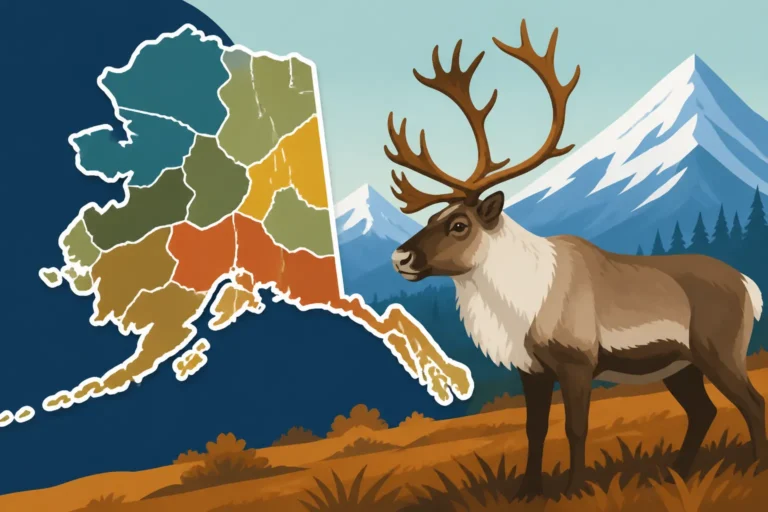
The "Fortymile country" isn't a single, uniform hunting area. It primarily encompasses portions of Game Management Unit 20E, stretching into areas like Unit 25C and even further into the Yukon. Within these larger units, specific zones are sometimes established for different phases of the hunt or for subsistence versus general hunting. For instance, areas accessible from the Taylor Highway might have different opening and closing dates or quota allocations than more remote, fly-in zones. It's essential to consult the current Alaska Hunting Regulations booklet for the exact boundaries and rules pertaining to each specific zone you intend to hunt. These zones are meticulously defined and are designed to distribute hunting pressure and manage harvest according to where the caribou are located and the specific management objectives for that sub-area. Disregarding these boundaries, even inadvertently, can lead to serious legal trouble.
Permits, Harvest Tickets, and Locking Tags
When you embark on a Fortymile caribou hunt, you'll need more than just a hunting license. The primary mechanism for managing caribou harvest in the Fortymile is often a registration permit (RC860 for the state hunts, for example). This is not a draw permit; rather, it's a permit you sign out, agreeing to abide by the season dates and harvest limits. These registration hunts are quota-driven, meaning they close when a specific number of animals have been harvested, or when managers determine the herd has moved out of the huntable area. Furthermore, you'll need a physical caribou locking tag (for non-residents) and a harvest ticket. The harvest ticket is a free document required for all hunters and must be completed and submitted to ADF&G after your hunt, regardless of success. This data is vital for wildlife managers to track harvest and make informed decisions about future seasons. Missing your Alaska Harvest Ticket Reporting Deadlines can result in penalties and delay crucial management data. Understanding the difference between a registration permit, a harvest ticket, and a locking tag is fundamental to being a responsible hunter in Alaska.
Understanding Bag Limits and Antler Restrictions
The Fortymile herd's management often involves specific bag limits and, at times, antler restrictions. For many state-managed hunts, the bag limit is one caribou. However, this can change based on the specific zone, the time of year, and the herd's health. The Fortymile Bull-Only Bag Limit is a common regulation, especially during early season hunts or when managers are trying to protect the reproductive capacity of the cows. Sometimes, the season might open with a bull-only limit and then transition to "any caribou" later in the season if quotas allow, or if the herd structure indicates it would be beneficial. The season might also be split, with a Fortymile Fall and Winter Quota Split allowing for different management strategies during different times of the year. Always verify the current regulations for the specific hunt code and zone you are targeting, as these details are subject to annual change and emergency orders. Familiarizing yourself with these nuances is critical, as misidentifying an animal or exceeding a bag limit can have serious consequences.
| Factor Influencing Fortymile Seasons | Description | Where to Find Information | Typical Impact on Season |
|---|---|---|---|
| Herd Population Estimates | Annual aerial surveys determine the estimated number of caribou in the herd. Drives overall harvest quota. | ADF&G Website: Annual Survey Reports, Management Plans | High population = more liberal season potential; Low population = restrictive seasons/closures |
| Herd Location/Migration | Caribou are highly nomadic; their location changes frequently based on forage, weather, predators. | ADF&G Emergency Orders, ADF&G Caribou Reports, GoHunt Mapping | If herd is inaccessible or in closed areas, season may be delayed or closed. |
| Harvest Quota Attainment | ADF&G sets a maximum number of caribou that can be harvested. Harvest is monitored in real-time. | ADF&G Emergency Orders, ADF&G Caribou Harvest Reports | Once quota is met or projected to be met, the season (or specific zones) will close via EO. |
| Federal vs. State Regulations | Different rules apply on federal lands (e.g., National Preserves) versus state lands. Federal subsistence priorities can influence openings/closures. | ADF&G Regulations, Federal Subsistence Board Regulations | Separate seasons and closing dates may exist for federal and state hunters. |
| Weather Conditions | Extreme weather can impact caribou movement, hunter access, and even ADF&G's ability to monitor the herd or enforce regulations. | Local weather forecasts, ADF&G announcements (less common direct impact) | May cause delays in opening or closing, or impact hunt success rates. |
Disclaimer
The information provided in this guide is for general informational purposes only and is subject to change. Hunting regulations in Alaska are complex and can change frequently via emergency order. It is the sole responsibility of the hunter to consult the most current Alaska Hunting Regulations, emergency orders, and other official sources from the Alaska Department of Fish and Game (ADF&G) and relevant federal agencies before planning or engaging in any hunting activity. Failure to do so can result in citations, fines, and forfeiture of game.