Alaska Draw Application Opening Date
If you’ve ever dreamed of drawing a coveted Alaska hunting permit, you know the process can feel like navigating a complex maze, especially when it comes to deadlines. Missing the application window means your once-in-a-lifetime opportunity for a prime caribou, moose, or sheep hunt vanishes for another year, and that's a truly gut-wrenching feeling. This guide is here to simplify one of the most crucial pieces of that puzzle: understanding exactly when the Alaska draw application window opens and what to do once it does.
The All-Important Alaska Draw Application Opening Date
The Alaska Department of Fish and Game (ADF&G) drawing permit hunt system is your gateway to some of the most sought-after big game hunts in the state. From massive Interior moose to remote Dall sheep, these hunts are often limited by permit and decided by a lottery. But before you can even dream of the draw, you absolutely must know when to throw your hat in the ring.
Marking Your Calendar for November 1st
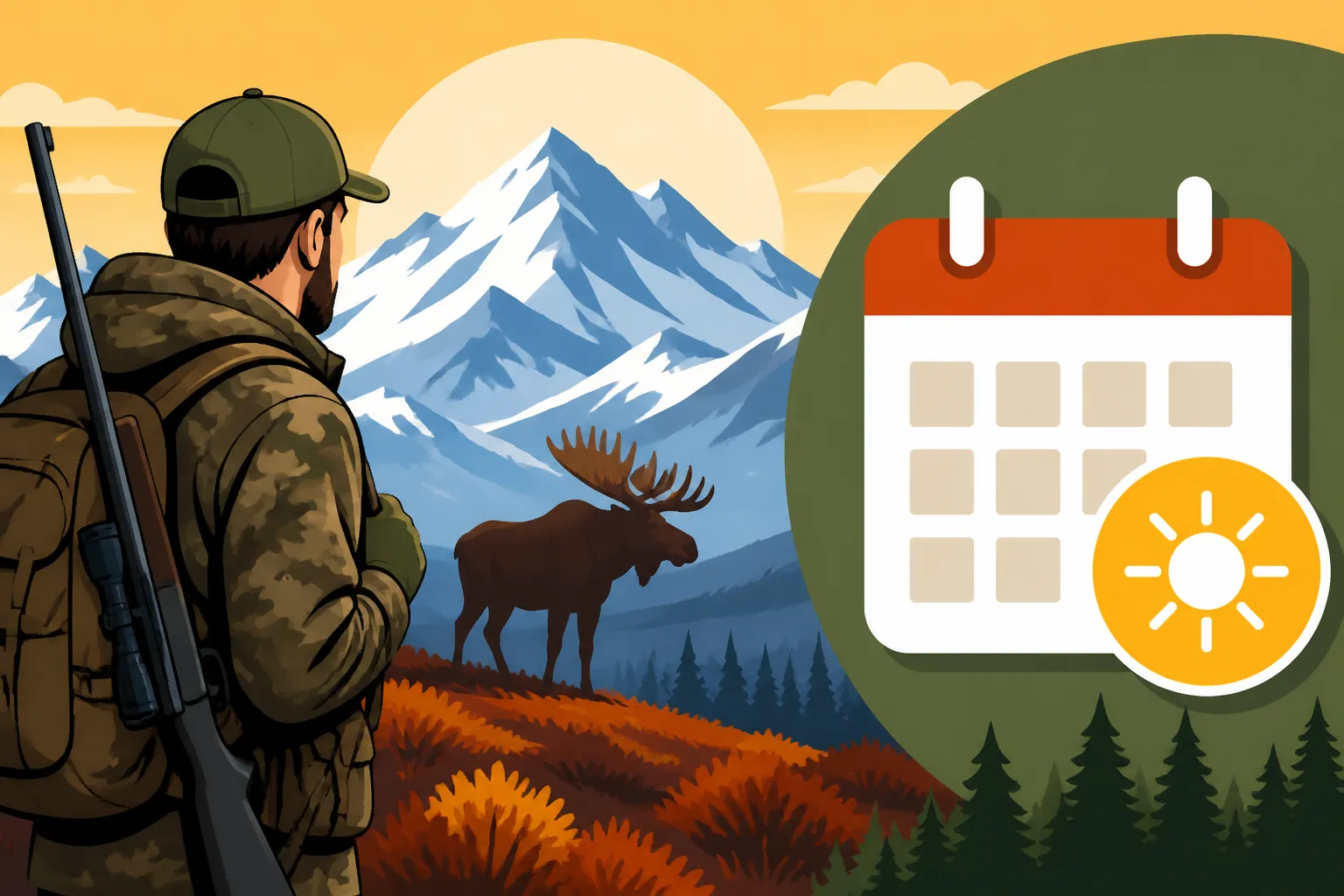
Let's get right to it: The Alaska big game drawing permit application period officially opens on November 1st each year. This is the day when the online application system goes live, allowing eager hunters from across the globe to submit their applications for the following year's hunts. Think of it like a highly anticipated retail release; you know it's coming, and you want to be ready. This isn't just a casual date; it's the kickoff to realizing your Alaska hunting dreams.
While the opening date is a clear target, it's equally important to understand the full application timeframe. The window typically runs from November 1st through December 15th. This means you have about a month and a half to get your application submitted. For a detailed look at the full period, you might want to check out information on the Alaska Draw Application Deadline Time Zone. Don't fall into the trap of thinking "I have plenty of time," because those weeks can fly by, especially when you're busy with work, family, and other life commitments.
Why Missing the Window is Not an Option
Imagine spending months, even years, dreaming of a specific hunt – perhaps a once-in-a-lifetime Dall sheep adventure in the rugged Alaska Range, or a chance at a record-book moose in a remote unit. You've researched the areas, you've saved your money, you've even started to mentally pack your gear. Then, in a moment of oversight or confusion, you miss the application deadline. The feeling is absolutely crushing. All that planning, all that anticipation, evaporates instantly because a simple date slipped your mind. This isn't just about missing out on a lottery; it's about losing an entire year of opportunity, and for some species, that lost year might mean a longer wait in an already competitive draw.
The reality in Alaska is that many of the most desirable hunts are only accessible via drawing permits. These aren't over-the-counter tags you can simply pick up. The management objective for these specific hunts often involves limiting hunter numbers to maintain game populations or provide high-quality experiences. If you're serious about hunting specific species or in particular units, participating in the draw is often your only option. Therefore, being prepared for the November 1st opening, and ensuring your application is complete well before the December 15th closure, is paramount. There are no extensions, no exceptions, and no second chances once that deadline passes.
Navigating the Application Platform and Key Considerations
Once November 1st rolls around, the excitement builds, but it's important to approach the actual application process systematically. The Alaska Department of Fish and Game (ADF&G) has a dedicated online system for these applications, and understanding how it works is crucial.
The Alaska Department of Fish and Game Online System
The primary way to apply for an Alaska drawing permit is through the official ADF&G online licensing and permit system. While some people might still recall paper applications from years past, today everything is digitized, streamlined, and accessible from your computer or mobile device. This system is where you'll create an account (if you don't already have one), purchase your hunting license, and then select the specific drawing hunts you wish to apply for.
When the application window opens, the site can experience high traffic, especially in the first few days. While it's generally robust, it's wise not to wait until the very last minute to submit your application to avoid any potential technical glitches or slow loading times. The system itself is fairly intuitive, guiding you through the steps to purchase your hunting license first, and then allowing you to browse available draw hunts. For a comprehensive walkthrough, you might find specific instructions on How to Apply for an Alaska Drawing Permit. It's always a good idea to ensure your web browser is up to date and you have a stable internet connection before beginning the process.
Understanding Your Application Choices and Fees
The Alaska draw system allows you to apply for multiple hunts, but there are specific rules and associated costs that you need to be aware of. Each individual hunt number you apply for will incur an application fee. These fees vary, but they are generally modest, designed to cover administrative costs. However, if you're applying for several hunts, these fees can add up, so it's wise to budget accordingly. For a detailed breakdown, explore information on Alaska Draw Application Fees Per Hunt Number.
Beyond the application fees, it's critical to understand the concept of "locking tags." When you apply for certain high-value species like moose, caribou, Dall sheep, mountain goat, or brown/grizzly bear, you often pay the full tag fee at the time of application. This means if you are successful in drawing the permit, you've already paid for the tag. If you are unsuccessful, the tag fee for that specific species is fully refunded to you. This system ensures that only serious applicants who are prepared to pay for the tag are participating in the draw for these highly sought-after hunts. Make sure your credit card is ready for these charges, as they can be substantial, especially for non-residents.
Strategic Planning for Your Alaska Draw Entries
Simply knowing when the draw opens isn't enough; you need a strategy. With limited permits and often high demand, approaching the application process thoughtfully can significantly increase your chances of drawing a desirable tag or, at the very least, ensure you're making the most of your application fees.
Maximizing Your Chances: Hunt Choices and Species Specifics
Alaska’s draw system has specific rules about how many hunts you can apply for. Generally, you're limited to a certain number of hunt numbers across different species. For most species, you can apply for up to The Three-Hunt-Number Limit on Alaska Draw Applications. This means you can select your top three choices, giving you a few bites at the apple, so to speak. However, there's a notable exception: moose. Because moose are such a popular species and offer diverse hunting opportunities, Why Alaska Allows Six Moose Hunt Choices within the draw. This allows hunters to apply for multiple units or hunt types for moose, increasing their odds of drawing a bull moose permit.
It's also worth noting that some hunts allow for party applications. If you're planning a trip with a hunting buddy or a group, Party Applications in the Alaska Draw can be a great way to ensure that if one of you draws, everyone in the party does. This is particularly useful for remote hunts where logistical planning is often shared. Just remember that everyone in the party must apply together and be eligible for the chosen hunt. For species like Dall sheep or brown bear, you’ll also need to consider the guide requirements for nonresidents.
Researching Units and Hunt Numbers Before You Apply
The key to a successful draw strategy lies in thorough research before November 1st. Don't wait until the application window opens to start figuring out which hunt numbers to choose. By then, you should have a clear idea of your top choices, backup options, and a realistic understanding of the odds. This preparation phase is where tools like GoHunt become incredibly valuable. GoHunt, and similar platforms, compile data on draw odds, success rates, and unit information, helping you make informed decisions. They can help you sift through the myriad of Alaska Game Management Units and How They Are Numbered and decipher which specific hunt numbers align with your goals and realistic chances.
Start by poring over the current year's Alaska hunting regulations booklet. This document, available both online and in print, is your Bible for all things Alaska hunting. It details season dates, bag limits, legal weapons, and specific regulations for every hunt number. You can find out Where to Get the Alaska Hunting Regulations Booklet on the ADF&G website. Pay close attention to harvest statistics from previous years, available on the ADF&G site. While past success doesn't guarantee future results, it gives you a realistic picture of demand and harvest success. Look at Scouting a Unit From Satellite Imagery Before You Fly to get a feel for the terrain and access points in potential hunt areas. Consider factors like access (road-system, fly-in, boat), the physical demands of the hunt, and the type of experience you're seeking. This kind of diligent pre-work is what separates the consistently successful applicants from those who just blindly pick numbers.
What Happens After You Submit Your Application?
Once you’ve meticulously filled out your application, double-checked your choices, and hit that submit button, a different kind of challenge begins: the waiting game. The period between the application deadline and the announcement of results can feel agonizingly long, filled with anticipation and hopeful speculation.
The Waiting Game: When to Expect Alaska Draw Results Release in February
After the December 15th application deadline, the ADF&G processes tens of thousands of applications, conducts the draw, and prepares the results for public release. The good news is, you don't have to wait an entire year to find out if your dreams are coming true. Alaska Draw Results Release in February. Typically, the results are announced sometime in mid-February, though the exact date can vary slightly from year to year. You'll usually receive an email notification if you provided one, or you can log back into the ADF&G online system to check your status.
This period of waiting is where many hunters find themselves frequently checking their inboxes and forums, eager for any news. It’s a nail-biting time, but it’s also a good opportunity to start mentally preparing for either outcome: the elation of drawing a coveted permit or the need to shift focus to other hunting opportunities if you're unsuccessful.
Here's a quick overview of the typical draw timeline:
| Event | Date/Period | Notes |
|---|---|---|
| Application Window Opens | November 1st | First day to submit your drawing applications. |
| Application Window Closes | December 15th, 5 PM AKST | Hard deadline for all submissions. |
| Draw Results Announced | Mid-February | Check your ADF&G account or email. |
| Successful Permits Issued | Soon after results | Physical permits mailed or available online. |
| Unsuccessful Applicant Refunds | Varies | Locking tag fees are automatically refunded. |
| Harvest Report Deadline | Varies by species/hunt | Mandatory for successful hunters after the season. |
Post-Draw Actions: From Permits to Refunds
If you are one of the lucky few to draw a permit, congratulations! This is where the real planning for your hunt begins. Your permit will either be mailed to you or made available digitally through your online account. Make sure your contact information is up to date with ADF&G. Once you have that permit in hand, it’s time to finalize your logistics: booking bush flights, securing gear, and potentially arranging for Float Hunting Alaska Rivers for Moose and Caribou or other specialized transportation. This is also when you'd confirm any guide or outfitter services, if required for your hunt, such as a nonresident brown bear or sheep hunt.
For those who are unsuccessful in the draw, it can be disappointing, but it's not the end of the world. For hunts requiring a locking tag fee (like moose, sheep, or bear), Alaska Draw Refunds for Unsuccessful Applicants are automatically processed. While the application fee itself is typically non-refundable, the significant tag fees are returned to you, often to the credit card used for the original purchase. This allows you to either save that money for next year's application or perhaps redirect it towards over-the-counter opportunities or different adventures. Don't let an unsuccessful draw discourage you; it's part of the process for many premier hunts. Use the disappointment as fuel to refine your strategy for next year, perhaps by looking into new units, different species, or even considering different hunting methods like Bear Baiting in Alaska: How the Registered Site System Works for black bear if that's an option in your area.
Disclaimer
The information provided in this article is for general guidance only and is subject to change. Hunting regulations in Alaska are complex and can be modified by the Alaska Department of Fish and Game at any time. Hunters are solely responsible for verifying all regulations, season dates, bag limits, and legal requirements with the official ADF&G regulations booklet and website before planning or undertaking any hunting activity. Always confirm specific dates and rules for your chosen hunt number and unit.