Deer Tags on Kodiak and What They Cost
Trying to sort out the specifics of hunting in Alaska can feel like navigating a maze blindfolded, especially when you're looking at a specific hunt like Sitka blacktail deer on Kodiak Island. Many hunters get overwhelmed by the layered costs of licenses, tags, and understanding the nuanced regulations that govern harvest limits. This comprehensive guide is designed to clarify exactly what deer tags on Kodiak cost, how to acquire them, and what critical regulations you need to know to plan a successful and legal hunt.
Understanding Deer Tag Costs for Kodiak Island
When you set your sights on Kodiak Island for Sitka blacktail deer, one of the first things you need to wrap your head around is the financial aspect of the tags themselves. It's not just a simple one-and-done purchase; the price structure varies significantly based on your residency, and there are often additional fees and considerations that can quickly add up. Ignoring these upfront can lead to some painful surprises down the line, both for your wallet and your hunt plans.
Nonresident vs. Resident Tag Prices
The most significant factor influencing the cost of your deer tag for Kodiak Island is whether you're an Alaska resident or a nonresident. Alaska, like many states, employs a two-tiered pricing system to prioritize its residents and help manage wildlife resources, often leading to substantially higher costs for those coming from out of state.
For a nonresident, the cost of an annual Alaska hunting license alone can be a substantial initial investment. As of the current regulatory year, a nonresident Alaska hunting license is usually several hundred dollars. On top of that, each individual Sitka blacktail deer tag carries its own fee, which, for a nonresident, is typically around $150. If you’re planning to harvest multiple deer, you'll need a separate tag for each, multiplying this cost. It’s crucial to factor this into your overall budget. For example, if you hope to take two deer, you’re looking at a license fee plus two deer tags.
In stark contrast, Alaska residents enjoy much lower fees. A resident annual hunting license is significantly less, often under $50. Furthermore, resident deer tags are usually quite affordable, often just a few dollars each, or even included under a general hunting license for certain species. This difference is designed to support the local hunting culture and provide accessible opportunities for those who live and contribute to the state year-round. It’s a pretty big gap, and it underscores why understanding your residency status and the associated costs is paramount before you even book your flights. For a detailed breakdown, you might want to look into Nonresident Hunting License Costs in Alaska.
Beyond the Basic Tag: License and Federal Duck Stamp
While the deer tag itself is central, it's never the only thing you'll need to purchase. Every hunter, resident or nonresident, must first acquire an Alaska hunting license. This is your foundational permit to hunt any game in the state, and the deer tag is then affixed to this license or recorded under its number. Think of the license as your hunting "passport" and the tags as the "visas" for specific species.
Moreover, if your Kodiak deer hunt involves any waterfowl hunting – perhaps you're setting up camp near a marshy area and decide to hunt some ducks for camp meat – you'll need additional stamps. This includes a federal duck stamp, which is a common requirement across the U.S. for waterfowl hunting, and potentially an Alaska waterfowl stamp. Even if it's just an opportunistic hunt for Waterfowl and Ptarmigan as Camp Meat, these small additions can catch you off guard if you haven't budgeted for them. Always consult the current Alaska Department of Fish and Game (ADF&G) regulations for the most up-to-date requirements, because rules can shift. Sometimes, planning resources like GoHunt can help you consolidate all these requirements and their costs into one easy-to-digest summary.
Hunting Multiple Deer and Bag Limits
Kodiak Island is renowned for its healthy Sitka blacktail deer populations, and many hunters dream of filling their freezer. However, the number of deer you can legally harvest, known as the bag limit, directly impacts your total tag cost. The bag limit on Kodiak for nonresidents is typically one deer, though this can vary by unit or specific regulations. If you, as a nonresident, wish to take a second deer, it would likely be under a separate draw permit or specific management area, which would necessitate another tag purchase, if even allowed. Always check the specific regulations for the Game Management Unit (GMU) you intend to hunt. For example, the Kodiak Nonresident Deer Bag Limit is a crucial piece of information to confirm.
For residents, bag limits are often more generous, sometimes allowing for multiple deer (e.g., three or four) per regulatory year, and each of these would generally require its own tag. This means residents, while paying less per tag, might end up buying several if they plan to maximize their harvest. The regulations often include details about antler restrictions (spike-fork, four points on one side, etc.) and also specify seasons for "any deer," which means either a buck or a doe. Understanding these rules is essential not just for legality, but for accurately predicting how many tags you'll need.
How to Acquire Your Kodiak Deer Tags
Once you’ve got a handle on the costs, the next practical step is actually getting your hands on those tags. It's not particularly complicated, but there are preferred methods and timelines that can make the process smoother or, if ignored, lead to unnecessary headaches.
Purchasing Online and In-Person
The most convenient way for most hunters, especially nonresidents, to purchase their Alaska hunting license and deer tags is online through the Alaska Department of Fish and Game (ADF&G) website. The site is usually user-friendly and allows you to select your license type, add the necessary locking tags for deer (and any other species you plan to hunt), and pay securely. Once purchased, you can often print a temporary license and tags at home, with the official, more durable versions mailed to you. Make sure to check the regulations for whether a printed copy is sufficient or if you need the physical tag in hand before heading out.
For those already in Alaska, licenses and tags can also be purchased in person at various vendors across the state, including many sporting goods stores, some general stores in larger towns, and ADF&G offices. This can be a good option if you have last-minute needs or prefer a physical transaction. However, for a planned trip to Kodiak, buying online well in advance is almost always the easiest route. Regardless of how you purchase, double-check all information before finalizing your transaction to ensure accuracy, especially your residency status.
The Importance of Timely Purchase
While you can often purchase licenses and tags right up until the day you hunt, waiting until the last minute is a gamble you don't want to take, especially for a remote hunt on Kodiak. Issues with internet connectivity, printer malfunctions, or simply forgetting a crucial step can derail your trip before it even begins. It's highly recommended to purchase your hunting license and all required tags several weeks, if not months, before your planned departure. This allows ample time for physical tags to be mailed to you, resolves any potential purchasing issues, and gives you peace of mind.
Imagine flying all the way to Kodiak, getting settled, and then realizing your online purchase didn't go through, or your printer ran out of ink, and now you're scrambling in a remote location where internet access is spotty at best. Save yourself the stress and buy early. Many experienced hunters use planning platforms like GoHunt to keep track of these deadlines and ensure all necessary permits are acquired well in advance.
Tag Validity Period and Activation
Once you purchase your deer tag, it's generally valid for the current regulatory hunting year, which typically runs from July 1st to June 30th. It’s important to understand that the tag isn't automatically "used" until you actually harvest an animal. When you successfully take a deer, you are required to immediately validate your tag by signing and dating it, and attaching it to the carcass as specified by ADF&G regulations. This process ensures proper management and prevents hunters from reusing tags.
The Alaska Deer Harvest Ticket Requirement goes hand-in-hand with this. Beyond attaching the physical tag, you’ll also have specific reporting obligations. Many tags come with a harvest report section that needs to be filled out and submitted by a designated deadline, whether online or via mail. Failing to report a harvest is a violation and can result in penalties, so always pay close attention to the reporting instructions accompanying your tags. This data is crucial for wildlife managers to assess harvest rates and make informed decisions about future seasons and bag limits.
Kodiak Deer Season and Regulatory Nuances
Hunting on Kodiak isn't just about buying a tag; it's also about understanding the rhythm of the seasons and the subtle rules that govern when and what you can harvest. Kodiak Island's unique ecosystem, a blend of rugged mountains and dense coastal forests, dictates specific seasons and often more complex regulations than road-accessible areas.
General Season Dates and Species
The primary species hunted on Kodiak Island is the Sitka blacktail deer. These deer are known for their adaptability to the island's often harsh conditions, from dense rainforests to alpine ridges. The general deer season on Kodiak typically opens in August and can run well into the late fall or early winter, sometimes even into the new year, depending on the specific Game Management Unit (GMU) or subunit. For instance, in some parts of Kodiak (GMU 8), the season for a single antlered buck might open as early as August 1st, while "any deer" seasons (bucks or does) often start later, perhaps in September or October, and can run until the end of the year or beyond.
These season dates are crucial because they influence not only when you can hunt but also deer behavior. Early season hunts might find deer in higher alpine areas, while later hunts will see them moving down to lower elevations as snow pushes them. Familiarity with Hunting Sitka Blacktail Deer in the Alpine Before Snow can be very useful for those early season hunts. Always cross-reference your chosen hunt dates with the official ADF&G regulations booklet for GMU 8, as dates can shift slightly year to year based on population assessments and management goals.
Antlerless Deer Seasons and Special Considerations
One of the most common questions from hunters heading to Kodiak is about taking "any deer" – meaning an antlerless deer (doe) or a buck of any size. Typically, general seasons on Kodiak begin as "antlered only," meaning you can only harvest a buck with visible antlers. This helps protect the breeding stock and allows young bucks to mature.
However, as the season progresses, many areas on Kodiak transition to an "any deer" season, often beginning in September or October. This means that hunters can legally take an antlerless deer. This is a significant consideration, especially for nonresident hunters who may want to maximize their meat harvest or those hunting late in the season when antlered bucks can be harder to locate. It’s also often When Any Deer Becomes Legal on Kodiak is specified in the regulations. These rules are put in place by ADF&G to help manage deer populations and ensure a healthy balance between bucks and does, and they’re subject to change, so always verify the current year’s regulations. Understanding these specific dates and rules is vital for ensuring a legal and ethical harvest.
Harvest Reporting Requirements
After successfully harvesting a deer on Kodiak, your responsibilities don't end with tagging the animal. Alaska has strict harvest reporting requirements that are crucial for wildlife management. For deer, this typically involves reporting your kill within a specified timeframe, often within 15-30 days of the kill date or by a specific closing date for the season. This can usually be done online through the ADF&G website.
The information collected includes the date and location of the kill, the sex of the animal, and sometimes antler measurements or other biological data. This data helps biologists track harvest numbers, monitor population trends, and make informed decisions about future hunting seasons and bag limits. It’s not just a bureaucratic hoop; it’s a direct contribution to the health of the deer herd you're hunting. Failing to report a harvest can lead to citations and fines, so always make this a priority. Make sure to understand your Alaska Deer Harvest Ticket Requirement fully before your hunt begins.
Budgeting for Your Kodiak Deer Hunt
A successful Kodiak deer hunt involves more than just understanding tags and seasons; it's a significant financial undertaking. Beyond the cost of deer tags themselves, you'll encounter a myriad of expenses that need careful planning. A realistic budget will save you stress and ensure you can fully enjoy your adventure without unexpected financial pitfalls.
Beyond Tags: Travel, Gear, and Logistics
The true cost of a Kodiak deer hunt extends far beyond the price of your hunting license and deer tags. Consider the extensive travel expenses: flights to Anchorage, then a connecting flight to Kodiak City. Once on Kodiak, you'll need transportation to your hunting grounds, which often means hiring a local boat charter or an air taxi to drop you off in a remote bay or alpine basin. These services can easily run into thousands of dollars. Kodiak has a vibrant maritime community, and many hunters opt for Skiff Hunting Deer Along Saltwater Beaches, which often involves renting a boat or hiring a guide with one.
Then there's the gear. Kodiak is known for its wet, often unforgiving weather. High-quality rain gear, waterproof boots, and durable camping equipment are not luxuries; they are necessities. Expect to invest in robust items like Game Bags That Breathe in Coastal Rain to protect your meat and gear that can withstand continuous moisture. Don't forget food, fuel, satellite communication devices (like an inReach for emergencies), and potentially lodging before and after your hunt. Each of these components adds to the overall budget, and overlooking any of them can lead to being underprepared or over budget.
Utilizing Resources for Planning
Given the complexity and cost of an Alaskan hunt, utilizing planning resources is not just helpful; it's essential. Platforms like GoHunt offer detailed information on hunting units, draw odds (though not usually applicable to general Kodiak deer tags), and often include tools for budgeting and trip planning. They can help you visualize the various expenses, from licenses and tags to flights and logistics, giving you a clearer picture of the total investment. These resources can also provide insights into specific regulations and help you track important dates, such as season openings or reporting deadlines.
Furthermore, connecting with experienced Kodiak hunters or local outfitters can provide invaluable real-world advice. They can offer recommendations on reputable transporters, gear choices that truly stand up to Kodiak's conditions, and strategies for efficiently managing costs.
The Value of Preparation for Cost Savings
While an Alaskan hunt is never "cheap," meticulous preparation can significantly mitigate unexpected expenses and make your trip more cost-effective. Booking flights and transporters well in advance often secures better rates. Researching and purchasing durable, multi-purpose gear before you go can save you from costly last-minute buys or failures in the field. Preparing and packaging your own food, rather than relying solely on expensive bush store purchases, can also trim your budget.
Additionally, understanding the regulations to avoid violations is a huge cost-saver. Fines for hunting illegally or failing to report a harvest can be substantial. For example, knowing precisely when Any Deer Becomes Legal on Kodiak prevents accidental antlerless harvests during an antlered-only season. Thoughtful planning extends to meat care as well; understanding Meat Care in 50-Degree September Weather can prevent spoilage, saving you the cost and disappointment of wasted meat. By investing time in thorough planning and research, you’re not just preparing for a hunt; you’re making a wise financial decision that maximizes your chances of a successful and affordable adventure.
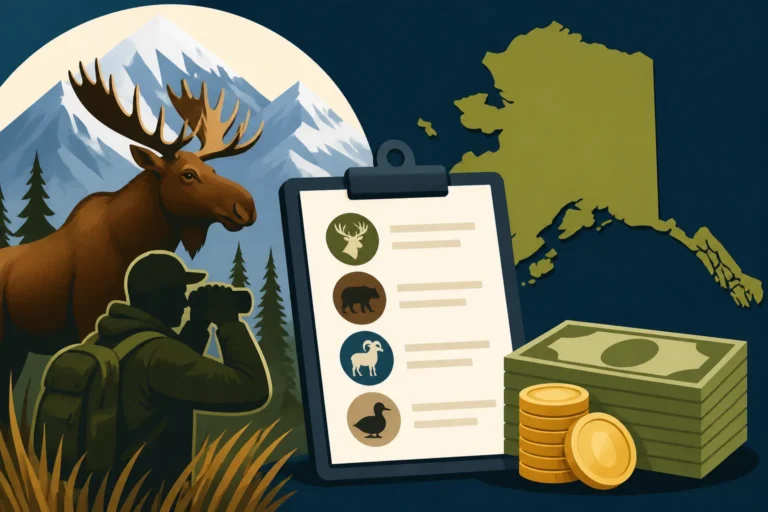
Here's a quick overview of potential costs for Kodiak deer tags and associated items:
| Item | Alaska Resident Cost (Approx.) | Nonresident Cost (Approx.) | Notes |
|---|---|---|---|
| Annual Hunting License | $25 – $40 | $160 – $200 | Mandatory for all hunters. |
| Sitka Blacktail Deer Tag | $5 – $25 per tag | $150 – $175 per tag | Required for each deer harvested. Kodiak limits apply. |
| Federal Duck Stamp | $25 – $30 | $25 – $30 | Only if hunting waterfowl. |
| Alaska Waterfowl Stamp | $5 – $10 | $5 – $10 | Only if hunting waterfowl. |
| Total for One Deer | $35 – $105 | $335 – $415 | Basic costs, not including travel, gear, or transport. |
| Total for Two Deer | $40 – $130 | $485 – $590 | If bag limit allows for multiple deer with separate tags. |
Note: These are approximate costs and can change annually. Always consult the current Alaska Department of Fish and Game (ADF&G) regulations for precise pricing.
Disclaimer
The information provided in this guide is for general informational purposes only and does not constitute legal advice. Hunting regulations in Alaska are complex and subject to change. Hunters are solely responsible for understanding and complying with all current Alaska Department of Fish and Game (ADF&G) regulations, federal laws, and local ordinances before engaging in any hunting activities. Always refer to the official ADF&G regulations booklet for the most accurate and up-to-date information.