Alaska Caribou Seasons and the Winter Hunt Split
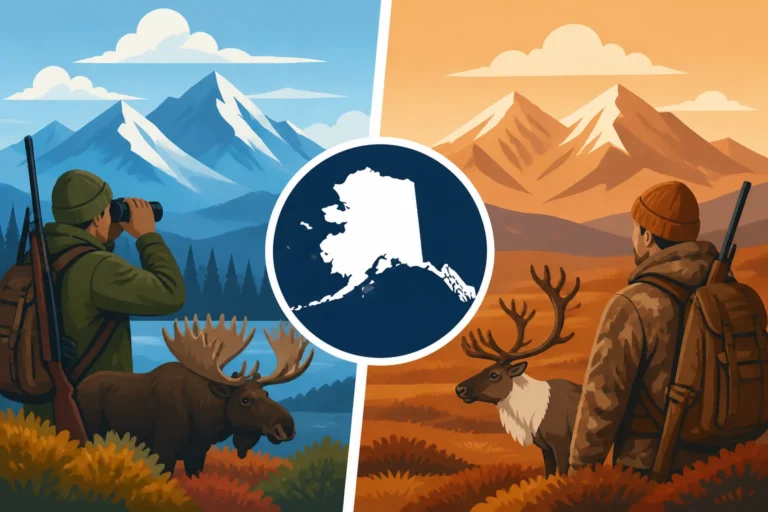
Planning an Alaska caribou hunt can feel like trying to hit a moving target – literally and figuratively. The sheer scale of the herds, their unpredictable migrations, and the often-confusing season structures, especially the notorious "winter hunt split," leave many hunters scratching their heads, wondering when and where they can legally pursue these incredible animals. This guide is here to untangle those complexities, helping you understand the nuances of Alaska's caribou seasons so you can plan a successful and compliant hunt.
Understanding Alaska's Caribou Herds and Their Movements
Alaska isn't home to just one big caribou herd; we're talking about numerous distinct populations, each with its own migratory patterns, population dynamics, and specific management strategies. This is why you can't just generalize about caribou hunting here. Understanding the herd you plan to pursue is the absolute first step, because their movements directly dictate the season dates and success rates. These animals are true nomads, constantly on the move, chasing new forage and escaping predators, which makes predicting their exact location a challenge, but their general range and migration corridors are well-studied.
The Fortymile Caribou Herd's Unique Challenges
The Fortymile Caribou Herd is one of Alaska's most iconic, ranging across a vast area of Interior Alaska and into Canada's Yukon Territory. What makes this herd unique, and often challenging for hunters, is its transboundary nature and its history of dramatic population fluctuations. The herd has seen incredible comebacks from historical lows, a testament to robust management, but it also means seasons can be very dynamic. Hunters often find themselves navigating complex regulations, including specific zones and quotas that can change even within a single season. Its range is rugged, encompassing rolling tundra, spruce forests, and river drainages, and the caribou here are truly wild, often requiring significant effort to access. The "Fortymile Caribou Quota for the Season" is a critical piece of information hunters must track.
When the Fortymile herd is on the move, they can cover dozens of miles in a day, which presents both opportunities and frustrations for hunters. One week, an area might be teeming with animals, and the next, it could be barren. This makes pre-hunt scouting, often relying on satellite imagery or local knowledge, incredibly important. Success with this herd often hinges on being in the right place at the right time, and having the flexibility to adapt your plans if the herd decides to take an unexpected detour. You'll often hear about hunters waiting patiently along historic migration routes, hoping to intercept a band of animals.
Nelchina Caribou Herd's Accessibility
In stark contrast to the remote nature of some other herds, the Nelchina Caribou Herd in Unit 13 is often considered Alaska's most accessible road-system caribou hunt. Its range covers a significant portion of the Copper Basin and adjacent areas, making it a popular choice for both resident and non-resident hunters who prefer not to fly deep into the bush. The accessibility, however, also comes with its own set of challenges, primarily increased hunter pressure. While you can often drive to within a few miles of caribou, don't expect to have the place to yourself.
The Nelchina herd has a long history of intensive management, with seasons often structured around registration permits to manage hunter numbers and harvest. Because of its popularity, the Mulchatna Caribou Closure Since 2021 in another area, serves as a stark reminder of how quickly caribou seasons can change when populations fluctuate or management objectives are not met. The Nelchina herd's movements can still be quite extensive, but often follow predictable patterns within its core range, especially in the colder months. This herd provides a fantastic opportunity for hunters looking for a more "do-it-yourself" experience without the logistical complexities of a fly-in hunt, but careful attention to registration dates and any emergency orders is absolutely essential. Understanding Alaska Registration Hunts That Close on Quota is especially relevant here.
Western Arctic Herd and Its Vast Range
The Western Arctic Caribou Herd (WAH) is one of the largest caribou herds on the planet, numbering in the hundreds of thousands, though its population does experience significant cycles. Its range is truly immense, stretching across vast swaths of northwest Alaska, from the Brooks Range to the coast. Hunting the WAH is an experience in raw, untamed wilderness, often requiring fly-in access to remote camps. The sheer scale of this herd means that while finding caribou is often less of an issue than with smaller, more fragmented herds, accessing them can be a major undertaking.
Historically, the WAH has supported a large number of hunters, including significant subsistence harvests. However, like all caribou populations, it is subject to natural cycles, and recent years have seen increased scrutiny and more conservative management actions. The challenges for hunters here often involve the logistics of getting into and out of remote areas, dealing with unpredictable weather, and being prepared for extended periods in the field. The scale of the migration can be breathtaking, with thousands of animals moving across the tundra, but pinpointing their exact location months in advance is nearly impossible. Many hunters rely on experienced air taxi operators who track herd movements to drop them in the best possible areas. For non-local hunters, understanding the implications of Unit 23 Federal Closure to Nonlocal Hunters is vital.
Decoding Alaska's Caribou Season Structure
Alaska's caribou hunting seasons are rarely as simple as a single start and end date. The state's management approach often employs a multi-tiered system that includes general seasons, registration permits, and drawing permits, all overlaid with a critical distinction: the "winter hunt split." This complex system is designed to manage harvest pressure across different times of the year and within specific geographical areas, while also accounting for factors like herd health, migration patterns, and the needs of both resident and nonresident hunters.
The General Fall Hunt: Your First Opportunity
For many hunters, the general fall hunt is the primary target for caribou. These seasons typically open in late summer or early fall, often in August or September, when caribou are in excellent condition and their antlers are hard. This timing coincides with cooler weather, generally fewer bugs, and the vibrant colors of the Alaskan tundra turning gold and crimson – truly a beautiful time to be in the field. The fall hunt offers the advantage of longer daylight hours and generally more predictable weather compared to the deep winter.
However, the fall hunt often comes with its own set of rules, particularly regarding antler restrictions. Many units, especially those with high hunter pressure or specific management goals, will have "bull-only" limits, and sometimes even more restrictive "spike-fork" or "50-inch spread" rules, designed to protect younger breeding bulls or ensure a sustainable harvest of mature animals. It's absolutely crucial to study the specific regulations for the Game Management Unit (GMU) you intend to hunt, as these rules can vary significantly. The "Fortymile Bull-Only Bag Limit" is a classic example of this. You'll also need to be mindful of Caribou Antler Shedding and Bull Identification to ensure you're harvesting a legal animal.
The "Winter Hunt Split" Explained
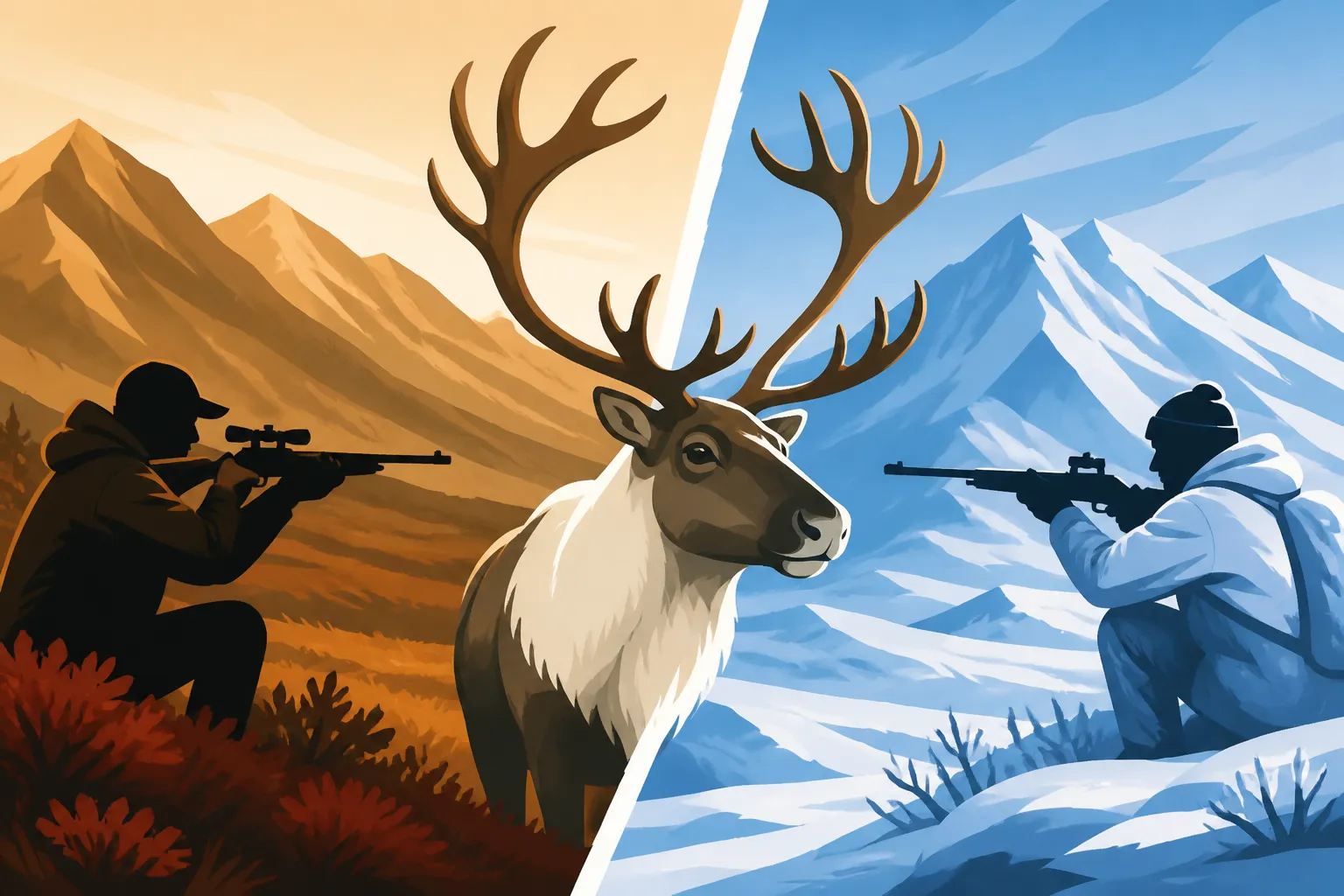
The term "winter hunt split" refers to a common regulatory practice where a single caribou hunting season is effectively broken into two or more distinct periods, often with a closure in between. Typically, there's an early fall season, a closure period, and then a reopening later in the winter. This split serves several important purposes from a management perspective. It allows biologists to assess harvest data from the initial fall hunt, gather new population data, and observe herd movements before deciding on the parameters of a potential winter season.
For hunters, the winter hunt can offer unique opportunities. Caribou are often found in different areas during the colder months, sometimes congregating in more accessible regions as they seek winter forage, or moving closer to road systems. However, hunting in winter means contending with significantly harsher conditions: deep snow, extremely cold temperatures, and very short daylight hours. Access might shift from bush planes to snowmachines, requiring different gear and logistics. Hunters pursuing the "Fortymile Fall and Winter Quota Split" often have to recalibrate their entire approach. This split system provides flexibility for both wildlife managers and hunters, allowing for adaptive management based on real-time data and offering different experiences depending on a hunter's preferences and equipment.
Emergency Orders and Quota Closures
One of the most critical aspects of hunting Alaska caribou is the ever-present possibility of emergency orders (EOs) and quota closures. Unlike general seasons which are set months in advance, registration hunts, and sometimes even general seasons for migratory animals like caribou, can close abruptly. This happens when a predetermined harvest quota for a specific herd or area is met, or when biological concerns, such as unexpected herd movements or population declines, necessitate an immediate closure to protect the resource.
These closures can literally happen overnight. The Alaska Department of Fish and Game (ADF&G) uses various channels to announce these EOs, including their website, local radio stations, and email lists. As a hunter, it is your responsibility to be aware of the current status of the season you are hunting. This means checking for updates right up until you leave for your hunt, and ideally, having a way to receive updates while in the field if possible, though cell service is often nonexistent in remote areas. Services like GoHunt provide valuable tools for tracking such changes. Failing to heed an emergency closure can result in serious penalties, including citations, fines, and forfeiture of your harvested animal. Understanding Alaska Emergency Orders That Close a Season Early is not just good practice, it's essential for legal hunting.
Key Regulations Affecting Caribou Hunters
Navigating Alaska's hunting regulations can be a labyrinth, but for caribou, certain rules repeatedly come into play that every hunter, resident or nonresident, needs to internalize. Beyond understanding the season dates and herd movements, adhering to these specific requirements is paramount to a successful and legal hunt. It’s easy to get caught up in the excitement of the chase, but overlooking a minor detail can turn an unforgettable adventure into a frustrating legal headache.
Harvest Tickets and Reporting Deadlines
No matter what type of caribou hunt you're on – general season, registration, or draw permit – you will almost certainly need a harvest ticket. Harvest tickets are essentially free permits that allow the state to gather crucial data on harvest numbers, locations, and hunter effort. They are distinct from the locking tags required for species like moose or brown bear, but equally important for caribou management. You can often obtain these online, at ADF&G offices, or from license vendors.
The real catch, and where many hunters make mistakes, is the reporting deadline. After a successful hunt, you are legally obligated to report your harvest by a specific date, even if the season is still open or your permit has not expired. These deadlines are strict and are often tied to the end of the calendar year or shortly after the close of the specific hunt period. Failure to report your harvest can lead to penalties, including being barred from obtaining future harvest tickets or drawing permits. This information is vital for the state to manage caribou populations effectively, so don't overlook it. Ensure you know the Alaska Harvest Report Deadline After the Hunt.
Antler Restrictions and Legal Bull Identification
Many of Alaska's caribou hunts, particularly for bulls, come with specific antler restrictions. These are not arbitrary rules; they are carefully designed to manage herd dynamics, protect breeding animals, and distribute hunting pressure. Common restrictions include "bull-only," "spike-fork," or requirements for a minimum number of brow tines or antler points. Identifying a legal bull in the field, especially from a distance or in challenging light, requires careful observation and practice.
For example, a "spike-fork" rule means the bull must have at least one antler with an unbranched spike or a fork. A "brow tine" rule might require a minimum of two brow tines on each antler. The specific language is critical, and misinterpreting it can lead to harvesting an illegal animal. Always carry a copy of the current regulations for your GMU and spend time familiarizing yourself with the definitions and illustrations. Learning How to Count Brow Tines on a Live Bull can be difficult in the field, but it's a skill worth honing to avoid any confusion or legal trouble. It's far better to pass on a questionable animal than to risk a citation.
Federal Versus State Regulations
Alaska is unique in its dual management system, with both the Alaska Department of Fish and Game (ADF&G) and federal agencies managing wildlife. This often creates a complex patchwork of regulations, especially for subsistence hunting and access to certain lands. While state regulations generally apply statewide, federal regulations can supersede state rules on federal lands, particularly for "federally qualified subsistence users."
For caribou, this distinction is crucial in areas like Unit 23 (Western Arctic Herd) or parts of the Fortymile range, where federal lands are extensive. Nonresident hunters, or even residents who do not qualify for federal subsistence privileges, need to be acutely aware of which regulations apply to them on specific land parcels. You might find different season dates, bag limits, or even access restrictions depending on whether you are on state, federal, or Native Corporation lands. Always verify the land status of your hunting area before you go. This dual system is a major reason why researching "Federal Subsistence Hunting on Alaska Public Lands" is so important, as it directly impacts who can hunt what, where, and when.
Planning Your Caribou Hunt Around Season Splits
Successfully navigating Alaska's caribou seasons, especially with the winter hunt split, demands meticulous planning and adaptability. It's not just about choosing a herd; it's about strategizing your approach based on the specific season segment you're targeting, the environmental conditions you'll face, and the resources you'll need. Don't underestimate the differences between a late summer hunt and a deep winter expedition—they are worlds apart in terms of logistics and personal endurance.
Advantages and Disadvantages of Fall Versus Winter Hunts
Deciding between a fall and a winter caribou hunt involves weighing several factors. Fall hunts, typically from August to early October, are often preferred for their milder weather, longer daylight hours, and the fact that bulls are often in velvet or hard-antlered, making for beautiful trophies. Game meat is usually in prime condition, and the overall experience is often less physically demanding. Access via floatplanes to remote lakes or wheel planes to gravel bars is common. However, fall hunts can also mean more bugs (mosquitoes, white socks, flies), potentially warmer weather that challenges meat care, and denser vegetation that can make spotting more difficult. You'll also likely encounter more hunters in easily accessible areas. For more details on field care during warmer temperatures, consider reviewing Hanging Meat in Warm September Weather.
Winter hunts, on the other hand, offer a dramatically different experience, usually from late October or November through March. The landscape is transformed by snow and ice, offering stark beauty and often excellent visibility on the white tundra. Caribou coats are thick and prime for caping, and the cold weather simplifies meat preservation. Hunter numbers can be lower in some areas, and access shifts to snowmachines, skis, or even dog teams. The disadvantages are significant: extreme cold, short daylight hours, deep snow making travel arduous, and the increased risk of frostbite or hypothermia. Gear needs are substantially different, focusing on extreme cold weather protection. Knowing the "Fortymile Winter Hunt Opening Date" can open up new opportunities, but demands a different skill set.
| Feature | Fall Caribou Hunt (Aug-Oct) | Winter Caribou Hunt (Nov-Mar) |
|---|---|---|
| Weather | Mild to cool, rain possible, fewer bugs as season progresses | Extreme cold, deep snow, short daylight, often windy |
| Trophy Quality | Bulls in velvet or hard-antlered, prime coats for taxidermy | Bulls often shed antlers (some cows retain), thick winter coats |
| Meat Care | Requires active cooling, game bags, attention to flies | Natural refrigeration, less concern about flies |
| Access | Float planes, wheel planes, ATVs, hiking | Snowmachines, skis, snowshoes, limited road access |
| Visibility | Variable, dense vegetation in early fall, opens up later | Excellent visibility against snow, open tundra |
| Hunter Pressure | Generally higher in accessible areas | Lower in many areas due to harsh conditions |
| Gear Needs | Layering, rain gear, bug dope, sturdy hiking boots | Extreme cold weather clothing, insulated boots, survival gear |
Essential Gear Considerations for Both Seasons
Your gear list will fundamentally change depending on whether you're targeting a fall or winter caribou. For a fall hunt, robust rain gear, quick-drying layers, and comfortable, waterproof hiking boots are non-negotiable. A quality spotting scope and binoculars are essential for glassing the vast expanses of tundra, and a sturdy pack frame will be indispensable for packing out meat. Don't forget bug spray and head nets, especially in August. A good communication device like a satellite messenger (Garmin inReach or Zoleo) is always a smart addition, regardless of the season, for check-ins or emergencies. Consider a lightweight tent and stove system, especially if you're planning a multi-day backpack hunt. You might find our guide on Backpack Hunting in Alaska: Gear Weight and Meat Loads particularly useful.
A winter hunt, however, demands an entirely different level of preparation. Think expedition-grade cold weather gear: extreme cold parkas and pants, insulated boots rated for sub-zero temperatures (like Baffin or Schnee's), heavy-duty mittens, and multiple layers of wool or synthetic insulation. Snowshoes or skis might be necessary for travel, and a heavy-duty, four-season tent with a reliable stove is crucial for survival and comfort. Firestarting supplies, extra fuel, and redundant heat sources are also critical. Your rifle scope must be able to handle extreme temperature swings without fogging. For any deep winter hunt, a detailed Signal Devices and Check-In Plans for Solo Alaska Hunts is a must, and it's highly advisable not to hunt alone.
Leveraging Technology for Season Updates
In the world of dynamic caribou seasons, staying informed is half the battle. Technology has become an indispensable tool for hunters. Bookmark the Alaska Department of Fish and Game's website (ADF&G) and sign up for their email alerts, especially for the GMU you plan to hunt. These alerts are often the first official notification of emergency orders or season changes. Regularly checking ADF&G's "Where Alaska Posts Season Changes" page can save you a lot of grief.
Beyond official sources, dedicated hunting platforms and apps can be incredibly useful. Many serious hunters, myself included, rely on tools from companies like GoHunt. Their platform provides up-to-date regulations, season dates, draw odds, and mapping features that can integrate land ownership and hunting unit boundaries. Being able to cross-reference your planned hunt area with current regulations and potential closures in real-time can make all the difference. For caribou, especially with their migratory nature and the possibility of quota closures, having a system that provides instant access to the latest information is no longer a luxury, it's a necessity. Utilizing these resources allows you to adapt to herd movements, season adjustments, and ensure you're always hunting legally and ethically.
Disclaimer
Please remember that hunting regulations in Alaska are complex and can change frequently due to emergency orders or new biological data. This article is intended for informational purposes only and should not be considered a substitute for reading and understanding the current Alaska Department of Fish and Game hunting regulations for your specific hunt area and species. Always consult the official ADF&G regulations booklet and website before planning and executing any hunt in Alaska.