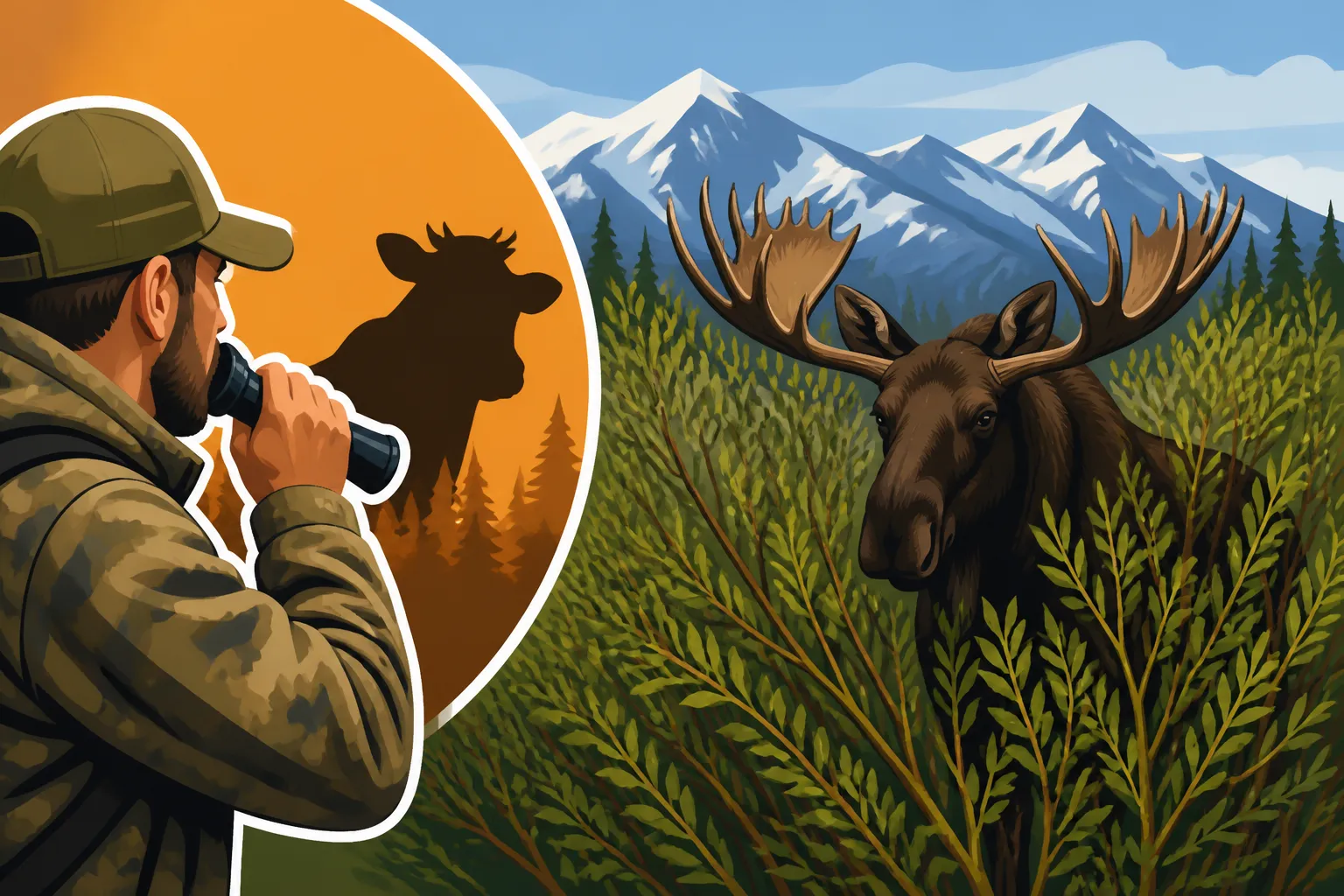
Cow Calls That Pull Bulls Out of Willows
There’s almost nothing more frustrating in the Alaska moose woods than hearing a bull answer your calls, only to have him hang up deep in a dense willow thicket. You know he's there, you can sometimes hear him raking or grunting, but he just won't commit to stepping out into the open. This guide is all about how to leverage the persuasive power of cow calls to coax those stubborn bulls out of their leafy fortresses and into shooting lanes.
Understanding Why Bulls Hang Up in Willows
It’s easy to get discouraged when a bull won't budge, but understanding why they do it is the first step toward getting them to change their mind. Willows, especially the dense, head-high varieties found across much of Alaska, offer several advantages to a wary bull. They’re not just a place to hide; they're a strategic stronghold.
The Security Cover Factor
Imagine being a giant bull moose, weighing well over a thousand pounds, with antlers that can span six feet or more. You're a prime target for predators like bears and wolves, and even other bulls can be a threat during the rut. Thick willows provide immediate security. They break up your silhouette, mask your movement, and offer a sense of concealment. A bull knows that stepping out into an open burn, a sparse spruce flat, or a gravel bar makes him vulnerable.
This isn't just about hiding from hunters; it's instinctual. They’ll often use the edge of the willows as a kind of "staging area," where they can listen, smell, and observe without fully exposing themselves. They want to verify that the "cow" they're hearing is truly alone and safe before committing to showing themselves. If your calling sounds too easy, too perfect, or too stationary, it immediately raises a red flag in their massive, rut-addled brains. They're looking for a sign that it's worth the risk, and that risk assessment often keeps them just out of sight.
Assessing the Wind and Thermals
A moose's nose is arguably its most potent defense, and they use it constantly. When a bull is holed up in willows, he’s not just listening; he’s meticulously analyzing the air currents. Wind direction is critical, but in many of Alaska's drainages, thermals are just as important, especially in the mornings and evenings. Thermals are those subtle air movements that rise as the ground warms and fall as it cools.
A smart bull will often try to circle downwind of your call to get a scent check before he ever shows himself. If you're calling from upwind, he'll likely stay put, waiting for the wind to shift or for the cow to come to him, so he can get that crucial sniff. If he gets even a whiff of human scent, the game is over. This is why paying close attention to the wind, not just at your level, but understanding how it might swirl and eddy around terrain features, is paramount. You might be feeling a steady breeze, but ten feet lower in the willows, or just around that bend in the creek, the wind could be doing something entirely different. Always consider how a bull might approach to check the wind before he appears.
The "Too Easy" Problem
Sometimes, a bull hangs up because your calling is almost too good, or perhaps, not dynamic enough. Moose are intelligent animals, especially the mature bulls that have survived multiple hunting seasons. They've learned that not everything that sounds like a cow is actually a cow. If a cow call sounds stationary for too long, a bull might conclude she's not actively looking for him, or worse, that she's stuck or hesitant, which can make him wary.
Think about real moose behavior during the rut. Cows move, they feed, they might wander a bit. If your call just sits in one spot for an hour, it doesn't sound natural. This can lead to the "coy bull" syndrome, where he expects the cow to come to him. He's heard your call, he knows where you are, and now he's waiting for you to make the next move. This is particularly true if he's already gathered a few cows, or if he's feeling dominant. He's saying, "I'm here, come find me." You need to convince him that he needs to come find you, or at least that the situation warrants him leaving his secure hideout.
The Art of the Convincing Cow Call
Calling a moose out of heavy cover is more than just making a sound; it's about crafting an illusion. You’re trying to paint a picture in the bull’s mind that makes him believe what he’s hearing is a real, interested cow, and that the opportunity to breed is imminent.
Mastering Basic Cow Sounds
There are several variations of cow calls, and each serves a different purpose, much like a nuanced conversation. The most common is the basic estrous cow moan – a long, drawn-out sound indicating a cow ready to breed. But you also need to incorporate shorter, more inquisitive mews and grunts.
- The Estrous Moan: This is your bread and butter. It's a deep, guttural, somewhat nasal "Mooooo-AAAHHHHH" that tapers off. It should convey a sense of longing and availability. Practice making it last 3-5 seconds. You can use a variety of calls, from simple open-reed calls to more complex diaphragm calls. Brands like Knight & Hale and Primos offer effective options that can mimic this sound well.
- The Lost Cow Call: This is often a series of shorter, more urgent mews and moans, sometimes with a slightly higher pitch, conveying a sense of being alone and searching. This can pique a bull's curiosity, especially if he thinks he's missed a cow in his area.
- The Content Cow Grunt/Mew: These are softer, shorter sounds, often made when a cow is feeding or moving casually. Interspersing these with your estrous moans can add realism, making it sound like a cow just going about her day, but also ready to breed.
Understanding how to transition between these sounds, and when to use them, is key. It's not just a single sound; it's a sequence. For more on effective calling, you might want to check out "Best Moose Call Sequence for the Early Rut".
Incorporating Movement and Location Changes
A stationary sound from a hidden source is suspicious. Real cows move, and your calling should reflect that. If you're calling from a position you don't want to leave, try to simulate movement within your setup. This might mean taking a few steps in one direction, calling, then taking a few steps in another direction and calling again.
If the terrain allows, try to move a bit more significantly. Call from one spot, then reposition 20-30 yards away, and call again. This creates the illusion of a cow meandering. Even subtle movements like raking a small branch against a tree can add to the authenticity, making it sound like a cow is brushing through vegetation. You can also incorporate the classic technique of using a moose scapula or paddle for raking. Learning "How to Use a Moose Scapula for Raking" can add another layer of realism to your setup.
The goal is to make the bull believe the cow he hears is moving, and that if he doesn't come out now, she might just disappear, or another bull might find her first. This subtle pressure can be just enough to tip him over the edge.
Adding Subtlety and Realism
Over-calling is a common mistake. You don't need to blast calls every minute. Think like a cow: they don't constantly vocalize. Sometimes, silence is your most effective tool. Call a few times, then wait. Let the woods breathe, and let the bull wonder. This silence can make him impatient or curious, leading him to investigate.
Listen for his responses. Is he grunting back? Is he raking? Is he moving? Adjust your calling based on his reactions. If he’s grunting aggressively, he might be challenging. If he’s quiet, he might be approaching stealthily. A common pitfall is to escalate your calling intensity when a bull doesn't respond quickly. Often, a softer, more subtle approach can be more effective. A quiet, confident cow sound can be incredibly alluring.
Consider the time of day. Bulls are often more active and responsive during low light conditions – early morning and late evening. During midday, they might be bedded down in those willows, and it could take a very persuasive call, or a lot of patience, to get them moving. Knowing "When Bulls Stop Answering Calls in September" can also help manage your expectations and tactics throughout the rut.
Tactics for Drawing Bulls Out of Thick Cover
Once you understand why bulls hang up and how to make realistic cow calls, it's time to put those pieces together into actionable strategies designed specifically to get them out of the willows.
The "Hit and Run" or Decoy Approach
This tactic involves calling vigorously from one spot, then quickly and quietly moving to a new position, ideally 50-100 yards away, to set up your ambush. The idea is to make the bull think the "cow" is moving away, or that he’s missed her. He might charge out to intercept her, only to find nothing there but an empty space. This is when your new, hidden position comes into play.
Another variation is to use a decoy. If you're hunting with a partner, one person can stay hidden with the caller, while the other moves a realistic cow decoy to simulate a moving moose. The bull is drawn to the visual, and as he steps out to investigate the decoy, you're ready. This requires excellent communication and teamwork, but it can be incredibly effective at pulling even the most reluctant bull into the open. Just ensure you're both aware of each other's positions and potential shooting lanes.
Mimicking a Lost or Estranged Cow
A series of higher-pitched, slightly distressed, yet still alluring cow mews and moans can suggest a cow that has become separated from her main group or a bull. This taps into a bull's protective or opportunistic instincts. He might think, "Here's a vulnerable cow, and I can claim her easily."
This call needs to sound a bit less confident than a standard estrous moan. It’s not desperate, but rather a bit forlorn and searching. This type of call can sometimes work wonders when traditional aggressive calling or estrous moans haven't produced results. It’s less about challenging other bulls and more about appealing directly to a bull's desire to find an unattached cow. Don't be afraid to experiment with the pitch and urgency slightly to see what gets a response.
Combining Cow Calls with Light Bull Grunts
Sometimes, a bull needs a little competition to motivate him. If you're hitting him with cow calls and he's just grunting back from the willows, try adding some subtle, light bull grunts. This isn't about making him think there's a rival bull directly with the cow, but rather that another bull is in the area and might be moving in on her.
The key here is light grunts. You don't want to sound like a dominant bull who’s already secured the cow, which might intimidate a younger bull or make a mature bull wait for you to come to him. Instead, sound like a secondary bull, or one that’s just approaching. This might make the hanging bull think, "I need to get out there and claim her before that other guy does." This strategy works by tapping into their competitive drive without making them feel threatened enough to just push off.
The Patience Game
Often, the most challenging part of calling is simply waiting. After a calling sequence, especially if you're getting responses, resist the urge to immediately call again. Give the bull time to process, to move, to decide. Moose can be incredibly patient, and they expect the cow to eventually come to them if they're holding ground.
If you have responses, try waiting for 15-30 minutes, or even longer, in complete silence. Use this time for intense glassing of the willow edges where you expect him to emerge. If you're using a scouting app like GoHunt, mark his last known location and visualize his likely travel paths. Often, after a period of silence, a bull that has been hanging up will finally take those crucial few steps out, driven by curiosity or impatience. This is where your preparedness—having your rifle ready, knowing your shooting lanes—becomes critical. Patience is a virtue, especially when a massive bull is just on the other side of that last patch of willows.
Table: Cow Call Effectiveness by Bull Response & Strategy
| Bull Response | Likely Mood / Behavior | Suggested Cow Call Tactic | Key Outcome / Goal |
|---|---|---|---|
| Light Grunts, Raking from Willows | Curious, but cautious. Waiting for cow to commit. | Estrous moans, with subtle movement. Occasional soft, content mews. Long periods of silence. | Convince him the cow is alluring but playing hard to get, making him impatient enough to emerge. |
| Aggressive Grunts, Snorts, Breaks Branches | Dominant, possessive. Expects cow to come to him. | "Lost cow" calls, then soft estrous moans. Interspersed with very light, non-threatening bull grunts to create competition. | Challenge his dominance subtly, or make him think another bull is encroaching on his "territory." |
| No immediate response after several calls | Either not interested, or very wary/stealthy. | Vary intensity (soft to slightly louder), incorporate movement. Try longer waits between calls. | Spark curiosity, make him believe the cow is moving away, or that he's been missed. |
| Circles downwind, but stays in cover | Performing a scent check. Very cautious. | Stop calling. Reposition downwind of his likely approach. Wait for him to commit fully, or call from new position. | Force him to commit to the open by eliminating his scent-checking advantage from cover. |
| Appears at the edge, but won't step out fully | Extremely wary, sizing up the situation. | Very soft, seductive estrous mews. Absolutely no movement from you. Focus on his visual. | Reassure him of safety, use visual temptation to draw him the last few steps. |
Gear and Practice for Effective Calling
Having the right tools and knowing how to use them are fundamental to becoming a successful moose caller. It's not just about the call itself, but also how you integrate it into your overall hunting strategy.
Choosing the Right Cow Call
Just like there are many types of firearms for different hunting scenarios, there are various cow calls, each with its own advantages.
- Open-Reed Calls: These are perhaps the most popular and easiest to learn. They typically produce a realistic estrous moan with relatively little effort. Brands like Primos and Knight & Hale make excellent open-reed calls that are durable and user-friendly. They offer good volume control, allowing you to go from soft mews to loud moans.
- Diaphragm Calls: Often favored by more experienced callers, these calls fit in your mouth and allow for hands-free operation. This is a huge advantage when you need to keep your rifle ready. They offer incredible versatility in sound, allowing for complex sequences of moans, mews, and grunts. However, they have a steeper learning curve.
- Hand-Held Grunt Tubes/Bellows: While often used for bull grunts, some bellows-style calls can also be adapted for deeper cow moans, particularly if you're trying to project sound a long distance or through dense timber.
- Electronic Calls: While legal for moose in some areas, check Alaska's regulations carefully before considering an electronic call, as rules can vary. They offer consistency and a wide range of realistic sounds, but many hunters prefer the challenge and satisfaction of manual calling.
The "best" call is the one you're most comfortable and proficient with. It's often a good idea to have a couple of different types on hand in case one fails or you want to vary your sound.
Practicing to Sound Authentic
The most expensive call won't help if you don't sound convincing. Practice is paramount. Listen to recordings of real moose vocalizations. Pay attention to the cadence, the pitch, and the duration of their calls. Then, try to mimic those sounds with your chosen call.
Practice in different environments. What sounds good in your living room might sound entirely different outside, especially with wind and trees absorbing sound. Practice at varying volumes and experiment with hand positions to cup the call and direct sound. The goal isn't just to make the right sound, but to make it believable. Record yourself and listen back critically. Ask a hunting buddy for feedback. The more authentic your calls, the higher your chances of success. Consistent practice ensures that when that critical moment arrives, you can produce a perfect sound without hesitation.
Using Technology to Enhance Your Strategy
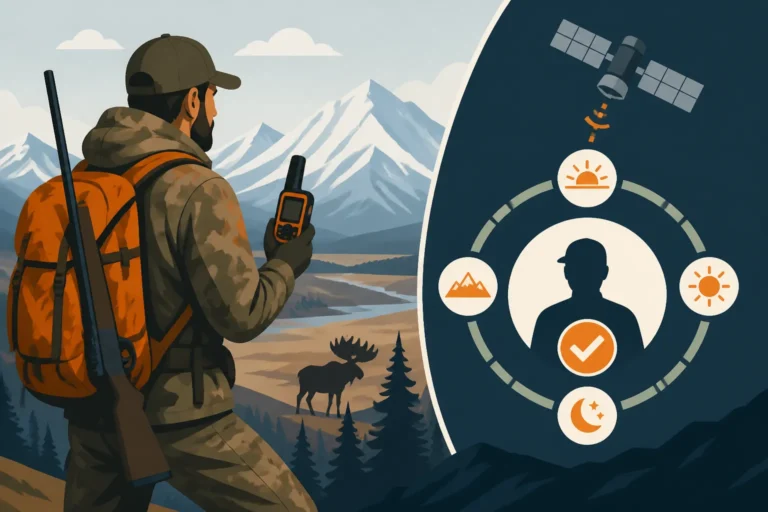
Beyond the physical call, modern technology can play a huge role in planning and executing your calling strategy. GPS devices, satellite communicators like InReach, and detailed mapping applications can give you a significant edge.
Before you even step into the willows, use tools like GoHunt or other satellite imagery applications to scout potential calling locations. Look for clearings adjacent to dense willow thickets, natural funnels where a bull might emerge, or strategic vantage points that allow you to see where he might circle. Mark these potential calling spots and ambush points. Understanding the terrain, like identifying "Willow Flats Versus Spruce for Bull Moose" can help you focus your efforts in prime areas.
During the hunt, a GPS can help you track your movements, mark where you last heard a bull, and plan your repositioning for a "hit and run" tactic. A satellite communicator like a Garmin InReach is invaluable for safety and maintaining "InReach Check-In Schedules for Solo Hunts", but it can also be used to quietly coordinate with a hunting partner if cell service is non-existent. The more informed you are about your surroundings and the bull's potential movements, the better you can adapt your calling tactics to pull him out of his willow sanctuary.
Disclaimer
Hunting in Alaska carries inherent risks. This article is intended for informational purposes only and does not substitute for professional guiding, extensive experience, or thorough understanding of Alaska hunting regulations. Always prioritize safety, adhere to all local, state, and federal laws, and be prepared for rapidly changing conditions in the field.