What 1×1 Costs Compared to 2×1
Hunters often grapple with a significant decision when booking a guided hunt in Alaska: whether to opt for a "1×1" or "2×1" guide-to-hunter ratio. This choice isn't just about a number; it profoundly impacts your experience, the cost, and ultimately, your chances of success in the remote wilderness. This guide will walk you through the nuances of these guiding ratios, breaking down the cost implications and helping you understand what each option truly offers so you can make the best decision for your Alaska adventure.
Understanding the Guided Hunter-to-Guide Ratio
What "1×1" and "2×1" Actually Mean in Practice
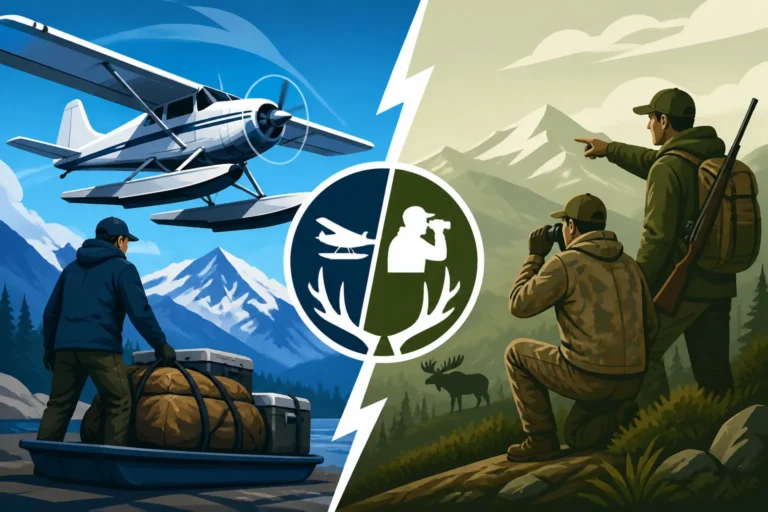
When you're looking at guided hunt packages, especially for big game in Alaska, you'll constantly encounter the terms "1×1" and "2×1." These aren't just industry jargon; they define the core structure of your hunting party. A "1×1" hunt means it's just you and your guide. It's a deeply personalized experience, almost like having a private instructor for your wilderness journey. You share every moment, every glassing session, every stalk with one dedicated professional whose sole focus is on your hunt. The guide’s undivided attention is yours, from the first light of dawn to the last moments of the evening, catering directly to your needs and preferences.
On the flip side, a "2×1" hunt means two hunters share one guide. This is a very common arrangement, especially for species like moose or caribou, where the hunting style often involves covering ground and spotting animals, which can be done effectively with a small group. You and your fellow hunter will be a team, working with the guide. This means decisions are often made collaboratively, or the guide balances the needs and preferences of both hunters. It’s a different dynamic, and it’s important to understand these distinctions before you sign on the dotted line for your Alaska adventure, as they will shape your entire experience.
Group Dynamics and Their Impact on the Hunt
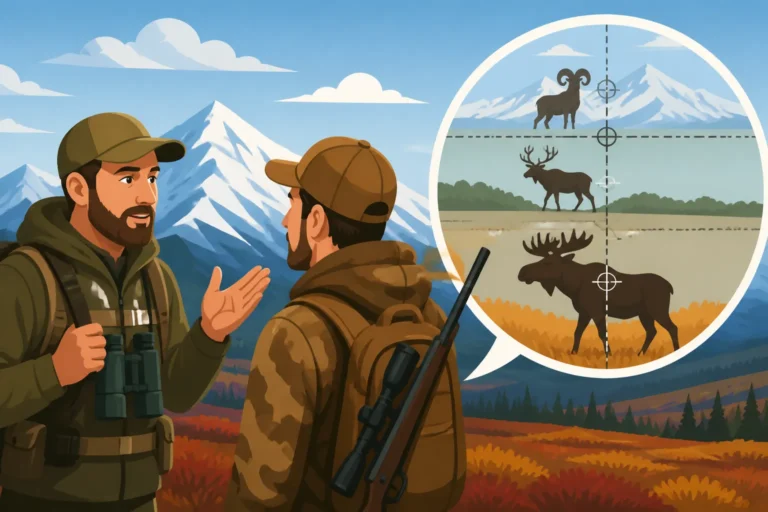
The number of hunters per guide fundamentally changes the social and strategic dynamic of your trip. In a 1×1 scenario, communication is direct and instantaneous. If you need a break, want to push harder, or have a specific question about an animal, your guide is there, solely for you. This often leads to a deeper bond and a more tailored experience, as the guide learns your pace, shooting preferences, and physical limits very quickly. You become an extension of their hunting style, and they, yours, fostering a strong partnership in the field.
A 2×1 hunt, by its nature, involves compromise and coordination. You'll be sharing the guide's attention, and potentially, the opportunities. If two bulls are spotted, the guide must decide which hunter gets the primary stalk, or how to set up for a double. There are advantages too; having another hunter can mean an extra set of eyes, or someone to share the effort of packing meat. However, it also means coordinating schedules, paces, and sometimes, even personalities. It’s crucial that both hunters in a 2×1 party are on the same page regarding expectations and physical abilities. For a deeper dive into this, check out What a Guide-to-Hunter Ratio Means for You.
The True Cost Difference: More Than Just a Number
Why 1×1 Hunts Command a Higher Price Tag
It's no secret that 1×1 guided hunts almost universally cost more than 2×1 hunts. This isn't because guides are trying to gouge solo hunters; it's a reflection of the resources and dedicated attention involved. When a guide-outfitter commits to a 1×1 client, they are essentially dedicating a guide, a camp, and all associated logistics (food, fuel, transport, time) to a single individual. Their overhead costs—like air charter flights, equipment wear and tear, and guide wages—are spread across only one client, rather than two. This direct allocation of resources means a higher per-person price.
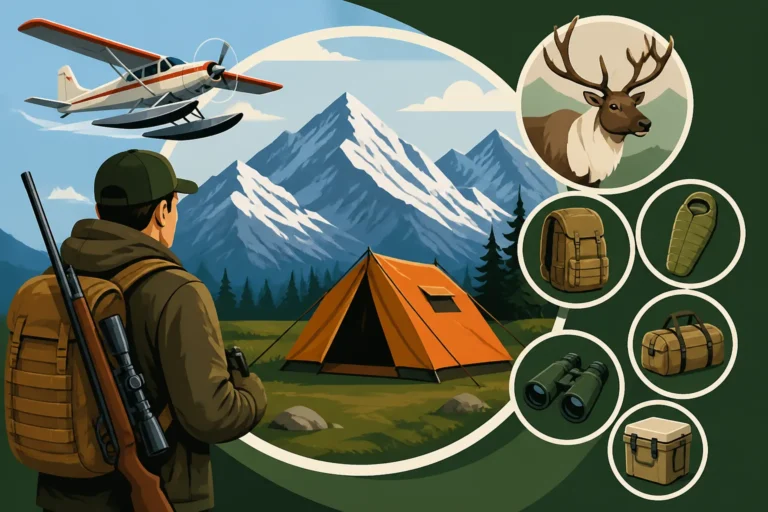
Think of it like this: if a float plane costs a certain amount to fly to a remote lake, that cost is borne entirely by one hunter in a 1×1 scenario, but split between two in a 2×1. The guide still works just as hard, often harder, tailoring every aspect of the hunt to that single client. They might put in longer days, go to more out-of-the-way spots, or wait patiently for that perfect opportunity because there's no other client to consider. This personalized service, combined with the undivided attention, is what you're primarily paying for with the elevated 1×1 fee, ensuring a highly focused and potentially more successful hunt.
Breaking Down the Financial Impact: A Look at Overhead
The financial structure of a guided hunt is complex, and many factors contribute to the final price tag you see advertised on guide websites or platforms like BookYourHunt or GoHunt. For a 1×1 hunt, nearly all fixed costs are absorbed by you. This includes not just the guide's daily rate, but also camp supplies, food for two people (you and the guide), fuel for ATV or boat use, and a proportional share of any licensing or concession fees the outfitter pays to operate in a specific area. If an outfitter runs multiple camps, the logistical dance to keep them supplied is a significant factor, all contributing to the higher individual cost.
Consider air transportation, which is often the largest single cost component of any remote Alaska hunt. Whether you're flying in via a floatplane to a lake or a wheel plane to a gravel bar, that aircraft has a fixed hourly rate. For a 1×1 hunter, you're shouldering the full cost of that flight, both in and out. In a 2×1 scenario, that cost is divided by two, making it significantly more palatable per person. This applies to every aspect, from the cost of game bags and emergency communication devices to the wear and tear on boots and optics. For a detailed breakdown of these components, check out What an Alaska Guided Hunt Price Includes.
| Feature | 1×1 Guided Hunt | 2×1 Guided Hunt |
|---|---|---|
| Hunter-to-Guide Ratio | One hunter per guide | Two hunters per guide |
| Cost per Hunter | Higher | Lower (shared overhead) |
| Guide's Attention | Undivided, highly personalized | Shared between two hunters |
| Flexibility | Maximum, pace dictated by single hunter | Moderate, requires coordination between hunters |
| Decision Making | Collaborative with guide, focused on one | Collaborative, balancing two hunters' needs |
| Pace of Hunt | Tailored to individual's fitness and preference | Compromise, average of two hunters' abilities |
| Hunting Pressure | Can pursue specific animals longer, less rush | May require quicker decisions, shared opportunities |
| Opportunity | Sole focus on one's tag | Shared opportunity, potential for a double |
| Social Aspect | Solitary, deeper bond with guide | Team dynamic, camaraderie with fellow hunter |
| Logistics Burden | All costs borne by one hunter | Costs shared, easing individual financial burden |
What You Get for the Extra Investment in a 1×1
While the price difference can be substantial, a 1×1 hunt offers distinct advantages that many hunters find invaluable. First and foremost, you get complete control over the pace and direction of your hunt. If you're physically capable and want to push hard into challenging terrain for a specific trophy, your guide can make that happen without worrying about a second hunter's limitations. If you prefer a more relaxed approach, glassing extensively from a comfortable spot, that's also an option. It's truly your hunt, tailored to your desires and physical capabilities, allowing for a deeply personal pursuit.
Secondly, the undivided attention from your guide means more personalized instruction and feedback. For newer hunters, or those trying a new species or weapon, this can be incredibly beneficial. They can coach you through shooting positions on Alaska tundra and sidehills, help you refine your glassing techniques, or provide in-depth information about animal behavior. This concentrated learning experience can be transformative, leading to greater success and a deeper understanding of the Alaskan wilderness. When considering which guide to choose, reading Questions to Ask an Alaska Guide Before Booking can help you determine how well their style matches your expectations for a 1×1 experience.
Evaluating Which Ratio is Right for Your Hunt
Considering Your Hunting Style and Goals
The choice between 1×1 and 2×1 really boils down to what you envision for your Alaska hunt. Are you a highly experienced hunter with a very specific trophy animal in mind, willing to put in extreme effort and prioritize every opportunity? A 1×1 hunt might be your best bet, as it allows for that singular focus without compromise. You can discuss very detailed strategies with your guide, often developing a fluid plan daily based on conditions and animal movement. This is particularly appealing for highly sought-after species like Dall sheep, where every stalk is critical and the terrain is unforgiving. These specialized hunts often have longer Booking Timelines for Alaska Sheep Hunts.
However, if you're looking for an incredible wilderness experience, enjoy camaraderie, and are comfortable sharing opportunities, a 2×1 hunt can be just as rewarding, and more budget-friendly. Many hunters find the shared experience of a 2×1 hunt to be a highlight, especially when hunting with a friend or family member. It can create lasting memories and stories that you both share, and it also often provides a supportive environment for first-time Alaska hunters who want to learn the ropes without the pressure of being the sole focus. Think about your priorities: ultimate personalization or shared adventure and cost-efficiency?
Physical Conditioning and Realistic Expectations
Your physical fitness plays a huge role in this decision. A 1×1 hunt often implies that the hunter is capable and willing to go wherever the guide thinks the game is. This could mean covering significant distances over rugged terrain, climbing steep mountains, or spending long days slogging through muskeg. Guides will push you to your limits if you're a 1×1 client because they know they only have to account for one person's endurance. If you've been putting in the work with your Fitness Expectations on an Alaska Sheep Hunt training, a 1×1 allows you to truly leverage that hard-earned conditioning for maximum opportunity.
In a 2×1 scenario, the guide typically sets a pace that accommodates the abilities of both hunters. If one hunter is less fit, it can sometimes hold back the other, or mean compromising on how far or fast the group moves. It's critical for 2×1 partners to have an honest conversation about their fitness levels and manage expectations accordingly. You don't want one person constantly waiting on the other, or feeling pressured to keep up. Be realistic about what you can physically handle for a full week or ten days in the wilderness, as both hunters need to maintain a reasonable pace for a successful shared experience.
Maximizing Your Hunt Regardless of Ratio
Effective Communication with Your Guide and Partner
No matter if you choose a 1×1 or 2×1 hunt, clear and open communication is your most valuable tool. Before you even set foot in Alaska, establish a solid rapport with your guide. Ask detailed questions about their approach, what a typical day looks like, and what they expect from you. If you’re on a 2×1 hunt, ensure you and your hunting partner have discussed your expectations thoroughly. What are your individual goals? Who gets the first shot if two legal animals appear simultaneously? Are you both comfortable with the same level of physical exertion? Getting these details squared away beforehand will prevent misunderstandings and potential friction in the field.
During the hunt, keep talking. If you're feeling unwell, if your boots are giving you blisters, or if you have a question about something you see, speak up. Guides are professionals, and they want you to have a safe and successful hunt. Holding back information only creates problems. Similarly, with a 2×1 partner, be supportive and understanding. You are a team. Sharing observations, helping with camp chores, and celebrating successes together can make a 2×1 hunt incredibly fulfilling. This is where researching outfitters on platforms like GoHunt and checking references can help you find guides known for excellent communication.
Preparing for the Unique Challenges of Alaska
Alaska isn't like hunting anywhere else, and preparation is key, regardless of your guide-to-hunter ratio. This means investing in the right gear that can withstand the unpredictable Alaskan weather, understanding the physical demands, and mentally preparing for the remote conditions. Your guide will likely provide a detailed Gear Lists Alaska Guides Send Before a Hunt, but it's up to you to acquire and test everything well in advance. Don't show up with brand new boots or rain gear you haven't worn in a downpour; test it all in conditions similar to what you expect.
Familiarize yourself with the regulations for the specific game management unit and species you'll be hunting. While your guide is responsible for ensuring legal compliance, being informed makes you a better partner. Practice shooting from various positions, especially those you might encounter in the field, like off a pack or from a kneeling position. For brown bear hunts, knowing your Rifle Requirements on an Alaska Guided Bear Hunt and practicing with your chosen caliber is non-negotiable. The more prepared you are, the more you can focus on the hunt itself, rather than struggling with basic logistics or equipment failures.
Budgeting Beyond the Base Price
Remember that the guide fee, whether 1×1 or 2×1, is just one part of your overall hunt budget. There are additional costs that can significantly add up. These often include your Alaska hunting license and species-specific locking tags, which are legally required. Travel expenses to and from Alaska, including flights, hotels, and potentially charter flights to the guide's base camp, must be factored in. Tips for your guide and any support staff (cooks, packers) are customary and should be planned for. Tipping an Alaska Guide and What Is Customary provides a good overview of this crucial aspect.
Then there are the "trophy care" costs: expediting services for meat and hide, potential taxidermy, and shipping these items home. Unexpected costs can also arise, like weather delays requiring extra nights in a hotel, or the need for a second bush plane flight to retrieve a downed animal from a particularly difficult spot. It’s always wise to have a contingency fund. Discussing these potential additional costs with your guide beforehand, and consulting resources like BookYourHunt for an idea of overall trip costs, can help prevent any unwelcome surprises during your adventure. Considering Emergency Evacuation Plans in Remote Alaska is also a crucial, though hopefully unused, part of your budget for peace of mind.
Disclaimer
This article is for general informational purposes only and does not constitute professional advice. Laws, prices and regulations vary by location and change over time. Consult a qualified professional for guidance on your specific situation.