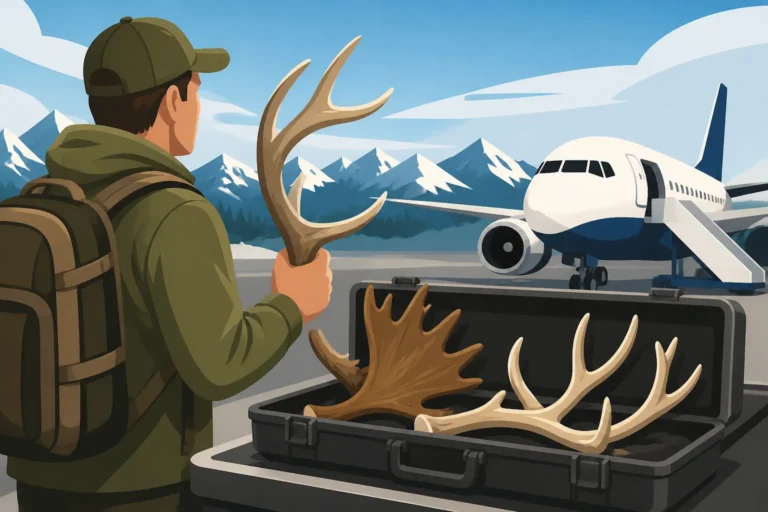
Booking an Alaska Brown Bear Hunt Years Ahead
The dream of hunting an Alaska brown bear is a powerful one, often reserved for a lifetime of anticipation and saving. But for many aspiring hunters, the sheer logistics of making that dream a reality can feel overwhelming, especially when you realize that securing a spot often means looking several years—sometimes even half a decade—into the future. This comprehensive guide is designed to demystify the multi-year planning process for booking an Alaska brown bear hunt, helping you understand why such foresight is crucial and how to navigate each step to secure your adventure.
Why Brown Bear Hunts Demand Years of Lead Time
Hunting an Alaska brown bear isn't like booking a weekend fishing trip. It requires meticulous planning and a deep understanding of the unique factors that govern these highly sought-after expeditions. The extended lead time isn't just a suggestion; it's a fundamental reality of the Alaska hunting landscape, driven by several key elements.
The Rarity and Desirability of Alaska Brown Bear Tags
Brown bears are iconic, powerful animals, and the opportunity to hunt them is tightly regulated by the Alaska Department of Fish and Game. Alaska manages these populations carefully, ensuring healthy numbers through permit systems and strict bag limits. This careful management means the number of available tags for both residents and nonresidents is finite, particularly for nonresidents who, by law, require Hiring an Alaska Registered Guide-Outfitter for brown bear, Dall sheep, and mountain goat. The demand for these tags far outstrips the supply, creating a competitive environment that necessitates early planning.
Think about it: you're not just competing with fellow hunters in your state or even nationally. Hunters from all over the world dream of an Alaska brown bear. This global interest further intensifies the competition for those precious tags. When you add in the fact that certain prime areas are known for producing truly exceptional animals, the desirability of those specific tags skyrockets, often leading to waiting lists that extend for years, even before a single dollar changes hands. The brown bear is a pinnacle species, and the limited opportunities reflect its status.
Limited Guide Availability and Concessions
It's not just about the tags; it's also about the people who can legally guide you. Alaska has stringent requirements for its registered guide-outfitters, and the number of qualified, experienced guides who hold concessions in prime brown bear country is naturally limited. Many of these guides operate within specific federal or state lands, where they've secured long-term permits or concessions that grant them exclusive or shared access to certain hunting areas. These concessions are hard-won and essential for legal operation within various national preserves and state lands.
A top-tier brown bear guide isn't just a guide; they're a master of their craft, with decades of experience tracking, understanding bear behavior, and navigating the incredibly challenging Alaska wilderness. These are the guides who consistently produce results and, as such, their calendars fill up extremely fast. They often have clients who re-book year after year, or a steady stream of referrals, meaning that securing a spot with one of the most sought-after outfitters might require you to book four, five, or even six years in advance. This lead time ensures you're not just getting any guide, but the right guide for such a significant hunt. It’s their knowledge, their equipment, and their safety protocols that make the difference.
The Seasonal Nature of Brown Bear Hunting
Alaska's brown bear seasons are generally split into spring and fall hunts, each offering distinct advantages and challenges. Spring hunts often involve bears emerging from dens, seeking new growth or winter kills, and can present opportunities on snow-covered slopes, particularly in interior grizzly country or early coastal areas. Fall hunts, on the other hand, are often focused around salmon streams, where bears congregate to fatten up for winter, or on berry patches, and can coincide with magnificent fall colors. These seasonal windows are relatively short and fixed, leaving only a finite number of hunt slots each year.
Consider the sheer logistics: a guide can only take a limited number of clients per season, given the intense one-on-one nature of these hunts, the time required to field process, and the potential for weather delays. If a guide offers, say, four spring hunts and four fall hunts, those eight annual slots are quickly claimed. This limited capacity, coupled with the desirability mentioned earlier, means that if you're aiming for a specific type of hunt—say, a coastal spring hunt on the Alaska Peninsula and Its Brown Bear Country or a interior grizzly hunt in the fall—you absolutely must plan well in advance to line up with that guide's schedule and the optimal time for your chosen experience. Missing that narrow window means waiting another year, or more.
Understanding the Costs and Budgeting for the Future
An Alaska brown bear hunt is a significant financial investment, easily one of the most substantial a hunter will ever make. Approaching it without a detailed understanding of the various costs involved is a recipe for stress and potential disappointment. Booking years ahead provides ample time to meticulously budget and plan for every expense.
Breaking Down the Core Expense Categories
It’s crucial to understand all the moving parts that contribute to the overall cost. The largest component, without a doubt, will be the guide fee itself. This covers the outfitter’s services, their expertise, logistics, food, and often a substantial portion of the in-field transportation (think bush plane flights into remote camps). This fee can vary widely based on the region, the guide's reputation, and the length of the hunt, but it represents the lion's share of your expenditure. Beyond that, you'll have your Nonresident Hunting License Costs in Alaska, which is a prerequisite, and the brown bear Why an Alaska Brown Bear Tag Costs $1,000 itself. These can represent a considerable outlay even before you step foot in the field.
Then there are the travel costs. Flying into Alaska, potentially overnighting in Anchorage or Fairbanks, and then taking smaller charter flights to the guide's base camp or directly into the field can add up quickly. These bush flights are often priced per hour or per trip and are critical for reaching remote areas. Don't forget the cost of shipping your rifle, buying specific specialty gear (such as top-tier rain gear and optics), and potentially preparing for unforeseen circumstances. It’s a complex tapestry of expenses, and a thorough budget should account for each layer, from the initial booking deposit to the final trophy shipment.
| Expense Category | Description | Impact on Budget (Relative) |
|---|---|---|
| Guide/Outfitter Fee | Services, camp, food, in-field transportation (mandatory for nonresidents hunting brown bear) | Highest |
| Hunting License | Basic state hunting license, valid for the regulatory year | Moderate |
| Brown Bear Tag | Specific locking tag for brown bear, purchased in addition to the license | High |
| Air Travel (Commercial) | Flights to/from Alaska (e.g., Anchorage, Fairbanks) from your home | High |
| Bush Plane/Charter | Flights from hub city to guide's base camp or hunt area (often a substantial component) | High |
| Gear & Equipment | Specialty clothing, rifle, optics, sleeping system, packs (one-time or upgrade investment) | Moderate to High |
| Meat/Trophy Care & Shipping | Field care, initial processing, freezing, crating, freight to home or taxidermist | Moderate to High |
| Accommodation/Meals (Pre/Post-Hunt) | Hotel stays, restaurant meals outside of guided camp, often required for a night or two before and after | Low to Moderate |
| Gratuities/Tips | Customary tipping for guide, assistant guides, packers, cooks | Moderate |
| Contingency Fund | Unexpected delays (weather), extra luggage fees, emergency supplies, last-minute purchases | Essential |
Navigating Deposit Schedules and Payment Plans
Given the substantial cost of a brown bear hunt, guides almost universally require a significant deposit to secure your booking, often years in advance. This deposit can range from a portion of the total fee to a substantial sum, and it locks in your specific dates and guarantees your spot. Understanding the specific Deposit Amounts on an Alaska Guided Hunt and the outfitter's payment schedule is paramount. Some might ask for a second payment a year out, with the balance due 60-90 days before the hunt. Others might spread payments over several years, requiring annual installments.
It's important to have a clear understanding of their refund policy as well. What happens if you need to cancel? Are deposits transferable? Are there options for rebooking if unforeseen circumstances arise? This is where hunt insurance often comes into play, as deposits can be non-refundable. Read your guide contract carefully to understand these terms. Many hunters find it beneficial to set up a dedicated savings plan, making regular contributions over the booking period to ensure funds are readily available when payments are due. This disciplined approach prevents last-minute financial stress.
Hidden Costs and Unexpected Variables
While the guide fee and tags are major line items, several "hidden" costs can surprise hunters if not planned for. Travel insurance and especially medical evacuation insurance are not optional for a remote Alaska hunt; they are absolute necessities. Emergency Evacuation Plans in Remote Alaska can literally save your life and your finances, as a medevac from a remote area can be astronomically expensive. Another common unexpected expense is excess baggage fees. Bush planes have strict weight limits, and if your gear exceeds it, you'll pay extra, potentially for a second flight or a higher charter fee.
Weather delays are a very real factor in Alaska. A multi-day storm can strand you in camp or delay your flight in or out, leading to additional hotel nights, missed commercial flights, and rescheduling fees. Your guide fee typically covers the duration of the hunt, but extra days due to weather can sometimes incur additional costs, depending on your contract. Don't forget the costs associated with processing and shipping your trophy and meat home. This can include freezing, crating, and air freight, which can be surprisingly expensive, especially for a large brown bear hide and skull. Always build a robust contingency fund into your budget—at least 10-15% of the total hunt cost—to cover these unforeseen but common variables.
Researching and Selecting Your Alaska Brown Bear Guide
Choosing the right guide is arguably the single most critical decision you'll make for your Alaska brown bear hunt. This person will be your lifeline, your mentor, and your partner in the wilderness. Taking the time to thoroughly research and vet potential outfitters during your multi-year planning window is non-negotiable.
Identifying Reputable Outfitters and Their Specializations
Finding a reputable Alaska guide for a brown bear hunt means digging deep beyond surface-level advertisements. You want someone with a proven track record, not just in success rates, but in client satisfaction, safety, and ethical practices. Start by looking for guides who specialize in brown bear hunts, particularly in the region you’re interested in, such as the Alaska Peninsula and Its Brown Bear Country, Kodiak Island, or specific interior areas known for grizzly activity. Each area offers a different experience, a different type of terrain, and potentially different trophy potential.
Online platforms like BookYourHunt can be a valuable starting point, as they often aggregate listings for various guides and may include client reviews and detailed hunt descriptions. Similarly, resources like GoHunt offer insights into specific units and species, which can help narrow down regions where certain guides operate and which species are most prevalent. Don't limit your research to just one source. Attend hunting conventions, read articles, and seek out reputable outdoor forums where experienced Alaska hunters share their experiences. Pay attention to how long an outfitter has been in business, their standing with the Alaska Board of Game, and their concession areas. These details speak volumes about their experience and reliability.
Deep-Diving into Success Rates and Client References
Every guide will tout their success rates, but it's vital to understand what those numbers truly represent. A "100% success rate" might mean 100% opportunity (seeing a bear), not 100% harvest (taking a bear). Ask for specific details: how many bears were seen, how many shots taken, how many bears harvested? Also, inquire about specific sizes of bears taken. Are they consistently taking mature animals, or are many smaller bears? This depth of inquiry gives you a realistic picture of what to expect and aligns your expectations with the outfitter's actual performance.
The most insightful information often comes from past clients. Always ask for a list of recent references, and make those calls. Don't just email. Speak to them directly. Ask specific questions about the guide's demeanor, the quality of the gear, the camp conditions, the food, the physical demands of the hunt, and, critically, their Bear Safety Protocols in Alaska Guided Camps. How did the guide handle unexpected challenges, like bad weather or a missed opportunity? What were the Trophy Care Included in the Guide Fee and follow-up logistics like? A reputable guide will have no issue providing a substantial list of satisfied clients. Their willingness to share these contacts is a strong indicator of their confidence and professionalism.
The Role of Hunt Consultants and Online Platforms
For such a significant and complex hunt, many hunters choose to work with a hunt consultant. These professionals specialize in matching hunters with appropriate outfitters based on budget, physical capabilities, desired species, and hunt style. A good consultant has existing relationships with many guides, understands their operations intimately, and can often provide unbiased recommendations, sometimes even alerting you to open slots that aren't widely advertised. They can save you countless hours of research and help avoid potential pitfalls, acting as a valuable intermediary.
As mentioned, online platforms like BookYourHunt and GoHunt serve as excellent resources during your initial research phase. BookYourHunt allows you to compare different outfitters side-by-side, read reviews, and often even inquire directly about availability. Its structured listings can help you visualize various options. GoHunt, with its detailed unit data and species information, can help you understand the biological context of various hunting areas, informing your choice of region and, consequently, your guide. While consultants add a layer of personal service, these platforms offer broad access to information, helping you build a foundational understanding before committing to an outfitter.
The Booking Process: From Inquiry to Contract
Once you've done your due diligence and identified a guide you feel confident about, the actual booking process begins. This phase moves from broad research to specific commitments and requires careful attention to detail to ensure everything is locked in properly.
Initial Contact and Detailed Information Gathering
Once you've identified a few potential guides, the next step is initial contact. This is your opportunity to ask every single question you have. Be prepared with a comprehensive list. Inquire about current availability (even if you're booking years out, slots fill), specific hunt dates, what the What an Alaska Guided Hunt Price Includes (and what it doesn't), camp logistics, expected physical demands, and the guide's philosophy on hunting. Don't be shy about discussing Rifle Requirements on an Alaska Guided Bear Hunt or the typical shot distances they expect. This early conversation is also a great time to discuss the Booking Lead Time for Brown Bear they generally recommend.
A good guide will be responsive, transparent, and willing to spend time answering your questions. Pay attention to their communication style. Are they organized? Do they provide clear, concise answers? This initial interaction sets the tone for your entire experience. This is also where you should confirm that they are indeed a currently licensed Alaska Guide Licensing: Assistant, Registered and Master and hold the necessary concessions for the areas they advertise. Never assume; always verify. Asking for their license number allows you to check their status with the state’s professional licensing board.
Deciphering Guide Contracts and What to Look For
After the initial discussions, if you're ready to proceed, the guide will send you a contract. This document is critical and should be reviewed thoroughly, ideally by an attorney specializing in contracts if you have any doubts. Pay close attention to the Guide Contracts and Deposits in Alaska section, including the exact hunt dates, the total price, the payment schedule, and, most importantly, the cancellation and refund policy. Understand under what circumstances your deposit might be forfeited or if you have options for rebooking due to unforeseen circumstances or last-minute issues.
The contract should also clearly outline the services provided (e.g., specific number of hunting days, type of camp, food, transportation within the hunt area, guide-to-hunter ratio), as well as any services not included (e.g., commercial airfare, licenses, tags, trophy shipping, taxidermy, gratuities). Look for clauses related to "Act of God" events, like severe weather that might cut a hunt short or delay it. A clear, well-written contract protects both you and the outfitter and prevents misunderstandings down the road, ensuring both parties have a shared understanding of the agreement.
Confirming Dates, Logistics, and Trophy Care
Before you sign anything, ensure that the hunt dates are precisely what you discussed and align with your schedule and the optimal time for the specific bear hunt you desire. Double-check all logistical details: where you'll meet the guide, what specific bush plane services they use, and how you will travel to and from the remote camp. Understand the plan for pickup and drop-off, especially considering potential weather delays that are common in Alaska's bush.
Discuss in detail the plan for Trophy Care Included in the Guide Fee for your brown bear. This includes field skinning, caping, salting the hide, and preparing the skull. Will they handle the initial processing and prepare it for shipment, or is that your responsibility? Understand the process for Shipping an Alaska Bear Hide to a Taxidermist and skull, including export permits and CITES requirements if applicable, as these can be complex for brown bears and have strict deadlines. Clarify if they offer referrals to local taxidermists or if you'll need to arrange your own. Getting these details locked down early prevents stressful surprises when you're exhausted and exhilarated after a successful hunt.
Physical and Mental Preparation Over the Long Haul
Booking a hunt years in advance offers a profound advantage: the gift of time. This extended period is not just for financial planning; it's a golden opportunity to prepare your body and mind for the incredible, yet grueling, demands of an Alaska brown bear hunt.
Tailoring a Fitness Regimen for Alaska's Terrain
Booking years ahead offers a massive advantage: time to get into the best physical shape of your life. Alaska brown bear hunts are not strolls in the park; they are incredibly demanding. Whether you're navigating dense coastal rainforests, climbing steep alpine tundra, or slogging through marshy river bottoms, you'll need endurance, strength, and agility. Your fitness regimen should simulate these conditions. Start incorporating long hikes with a weighted pack, focusing on inclines and uneven terrain. This is crucial for handling the Backpack Hunting in Alaska: Gear Weight and Meat Loads that may come if you are successful, as you and your guide will be packing out hundreds of pounds of meat and hide.
Cardiovascular fitness is paramount. Think about training for sustained effort, not just short bursts. Hill repeats, stair climbing, and long rucks are excellent exercises. Don't neglect core strength and flexibility, which are vital for preventing injuries in rugged country, especially when scrambling over blowdowns or traversing sidehills. Many hunters find that working with a personal trainer who understands the demands of backcountry hunting can be incredibly beneficial. The better shape you are in, the more you'll enjoy the hunt, increase your chances of success, and, most importantly, ensure your safety and that of your guide.
Essential Gear Accumulation and Testing
Over several years, you have the luxury of acquiring and rigorously testing all your gear. Don't wait until the last minute to buy new boots or a rain jacket. Alaska's weather is notoriously unforgiving, and subpar gear can make or break a hunt. Invest in high-quality, proven rain gear that truly keeps you dry, a reliable layering system for warmth, and comfortable, broken-in boots suitable for wet and rugged terrain. Your rifle choice is also critical; ensure you're proficient with it and that it's sighted in for the distances you might encounter. Rifle Choice for Alaska Brown Bear Country is a serious consideration, and you should practice extensively with your chosen firearm.
Use your training hikes to test your boots, pack, rain gear, and even your optics. Does your scope fog up in damp conditions? Do your boots rub a hot spot after 10 miles? Are your layers adequate for changing temperatures from freezing mornings to mild afternoons? Identify any weaknesses and replace or adjust items as needed. This extended testing period means you'll arrive in Alaska with complete confidence in your equipment, knowing it will perform when it truly matters, giving you one less thing to worry about in an already challenging environment.
Managing Expectations for a Challenging Hunt
While you're dreaming of that magnificent brown bear, it's essential to cultivate a realistic mindset. Alaska is wild, unpredictable, and often unforgiving. Success is never guaranteed, and weather, animal behavior, and sheer luck all play significant roles. Prepare yourself for long days, challenging conditions, potential setbacks, and the possibility of going home empty-handed. This isn't a failure; it's part of the Alaska hunting experience, and many experienced hunters will tell you the journey is as valuable as the harvest.
Embrace the journey, the stunning scenery, the camaraderie with your guide, and the sheer challenge of being in such a remote and formidable place. A successful brown bear hunt is a trophy, but the experience itself is the true reward. Focus on the adventure, the learning, and the profound connection to the wilderness. When you approach the hunt with realistic expectations and a positive attitude, you're far more likely to have a fulfilling and memorable experience, regardless of the outcome. The mental toughness developed over years of anticipation and preparation will serve you well when you finally step foot in the Alaskan bush.
Disclaimer
This article is for general informational purposes only and does not constitute professional advice. Laws, prices and regulations vary by location and change over time. Consult a qualified professional for guidance on your specific situation.