Setting a Legal Black Bear Bait Station in Alaska
Trying to navigate the seemingly endless regulations for setting up a black bear bait station in Alaska can feel like trying to solve a Rubik's Cube blindfolded. It's not just about tossing out some treats; it's about adhering to a complex set of rules designed to ensure ethical hunting, public safety, and fair chase. This comprehensive guide is here to untangle those frustrations, walking you through every critical step and detail to ensure your black bear baiting operation is fully legal, effective, and responsible.
Understanding Alaska's Black Bear Baiting Regulations
The dream of a big black bear stepping out into your bait site is a powerful one, but before you even think about hauling out your first bucket of pastries, you absolutely have to grasp the regulatory landscape. Alaska has some very specific rules when it comes to baiting, and for good reason. Violations can lead to hefty fines, confiscation of gear, and losing your hunting privileges – consequences no one wants to face after putting in all that hard work.
The Legal Framework and ADF&G Rules
The Alaska Department of Fish and Game (ADF&G) is the authority here, and their regulations are laid out in the annual hunting synopsis. This isn't just a suggestion box; it's the law. These rules govern everything from where you can bait to what you can use as bait, and even how you must manage the site. It's not uncommon for new hunters, or even experienced ones from other states, to underestimate the specificity of these regulations. For instance, ADF&G mandates that only black bears can be taken over bait – a critical distinction given that brown bears and grizzlies share much of the same habitat. The fundamental principle behind these rules is to prevent conflicts with other users, minimize the potential for attracting non-target species, and maintain public perception of ethical hunting. Ignoring any part of this framework isn't just bad luck; it's a direct route to trouble.
Defining "Legal" for a Bait Station
What makes a bait station "legal"? It's more than just having a license. First and foremost, you must register your bait station with ADF&G. This isn't optional; it's the very first step. Without a valid registration permit, anything you put out is automatically illegal bait. Beyond registration, "legal" encompasses a whole host of location and operational requirements. We're talking about specific distances from established trails, public roads, and dwellings. These aren't arbitrary numbers; they're designed to keep baiting activities out of areas where non-hunters or recreational users might accidentally encounter bears or feel unsafe. A legal bait station also implies the use of only approved bait materials, which we'll delve into in detail, and proper signage at the site. Every single one of these components must be in place and maintained for your site to be considered compliant with the law.
Why Rules Are So Specific
The specificity of Alaska's black bear baiting regulations often puzzles hunters new to the state, but there are solid ecological and public safety reasons behind every detail. For one, Alaska is bear country, and not just black bears. Brown bears and grizzlies are present across much of the state, and baiting them is strictly prohibited due to their larger size, potential for greater danger, and different management objectives. The rules are crafted to make it difficult for brown bears to establish a pattern of visiting bait sites, though incidental visits can and do occur. Furthermore, the land in Alaska is a patchwork of state, federal, and private holdings, each with its own set of guidelines, which means a bait site legal on state land might be illegal just a few yards away on federal property or a Native Corporation parcel. The regulations also aim to mitigate conflicts between hunters and other outdoor enthusiasts. Imagine hiking a popular trail with your family and stumbling upon a black bear accustomed to human-provided food. That's precisely the scenario these rules, particularly the distance requirements, are trying to prevent. The goal is to allow for effective hunting while upholding safety and respect for all users of Alaska's wild spaces.
Essential Steps Before You Set Up Your Bait Site
Alright, with a firm grasp of why the rules exist, let's talk about the practical, non-negotiable steps you need to take before you even think about scouting a location or buying your first bag of donuts. Skipping these preliminary steps is a recipe for disaster and can put you on the wrong side of the law faster than a hungry bear can tear through a five-gallon bucket.
Registration is Non-Negotiable
This is step one, folks, and there's no way around it. Every single black bear bait station in Alaska must be registered with the Alaska Department of Fish and Game. You can't just put bait out and hope for the best. The registration process is fairly straightforward, usually involving filling out a form, specifying your exact location using GPS coordinates, and ensuring you meet all general hunting license requirements. This is where you declare your intent, and it helps ADF&G track baiting activity, manage potential conflicts, and enforce regulations. Think of it like getting a building permit for your house; you wouldn't start construction without it, and you shouldn't start baiting without your registration. Many hunters find resources like GoHunt useful for understanding draw odds and regulations in different units, which can sometimes provide context, but for specific bait station registration, you must go directly through ADF&G. They also set the rules for Alaska Black Bear Bait Station Registration, so knowing these intimately is crucial. Remember, this registration is for a specific location and often for a specific season, so don't assume a prior year's registration covers a new spot or a new year.
Site Selection: Proximity and Privacy
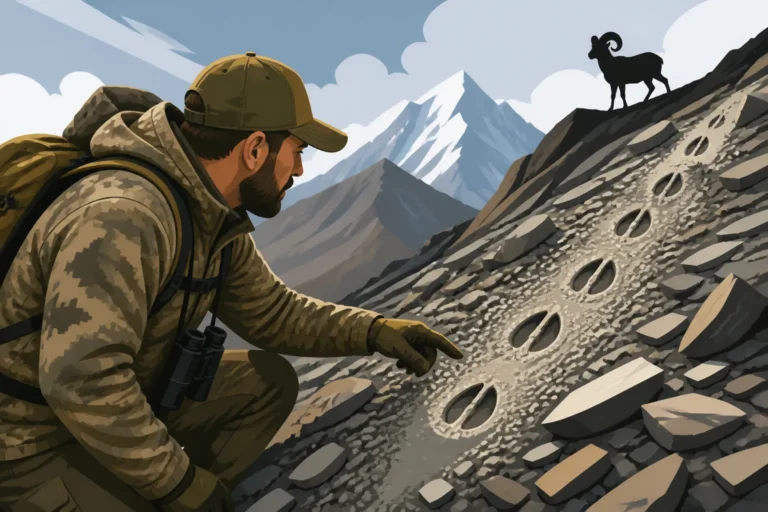
Choosing the right spot for your bait station is a delicate balance of accessibility, bear activity, and legal compliance. First, you need to think about bear sign – tracks, scat, rub trees. Are you in an area known for black bear activity? Spring black bear hunts on south-facing snow slides are a common strategy, but a bait station might be better situated near a willow thicket or berry patch where bears naturally forage. Once you've identified a promising general area, you have to factor in the legal distance requirements. Your bait station cannot be located within a certain distance of public roads, trails, or occupied dwellings. These distances vary by Game Management Unit (GMU) but are typically a quarter-mile to a half-mile or more. Imagine you've found the perfect remote spot, only to realize later it's too close to a popular hiking trail or an unmapped cabin. That's why thorough scouting, armed with a GPS and a detailed map (physical and digital), is paramount. You need to know exactly how far an Alaska bait site sits from a trail or other restricted areas. Beyond legalities, consider privacy. You want a spot that's secluded enough that other hunters won't stumble upon it, or worse, non-hunters who might disturb the site or even try to interfere with your bait. Respecting other users' space is key to a positive hunting experience for everyone.
Bait Materials: What's Allowed and What's Not
This is where some hunters get into real trouble, often unintentionally. Not all food is created equal in the eyes of ADF&G when it comes to bear bait. While it might seem logical to use whatever attracts bears, there are strict rules about what constitutes Legal Bait Materials for Alaska Black Bear. Generally, hunters use things like pastries, donuts, dog food, rendered fat, and meat scraps (though meat scraps often come with additional rules, especially regarding non-target species). However, certain items are explicitly banned. For example, any part of a "big game animal" (moose, caribou, deer, sheep, goat, elk, bison, muskox, brown bear, wolf, wolverine) is illegal to use as bait. This is a crucial distinction and a common mistake. You cannot use a deer carcass from last season, for example, even if it's perfectly fine for consumption. The goal is to prevent the spread of disease and to avoid attracting brown bears to bait sites. Furthermore, any item that is not "readily biodegradable" is usually prohibited. This means no plastic containers, tin cans, or other non-natural materials left at the site. Always double-check the current regulations for your specific GMU, as rules can sometimes have subtle variations or emergency changes. When in doubt, stick to commercial sweets or high-fat pet foods – they are generally safe bets and highly effective.
Constructing and Maintaining Your Bait Station
Once you've done your homework, secured your registration, and carefully selected a legal site, it's time to get down to the business of setting up and regularly maintaining your bait station. This isn't a one-and-done deal; it requires commitment, consistency, and constant vigilance to ensure both effectiveness and legality.
Building Your Setup for Success and Legality
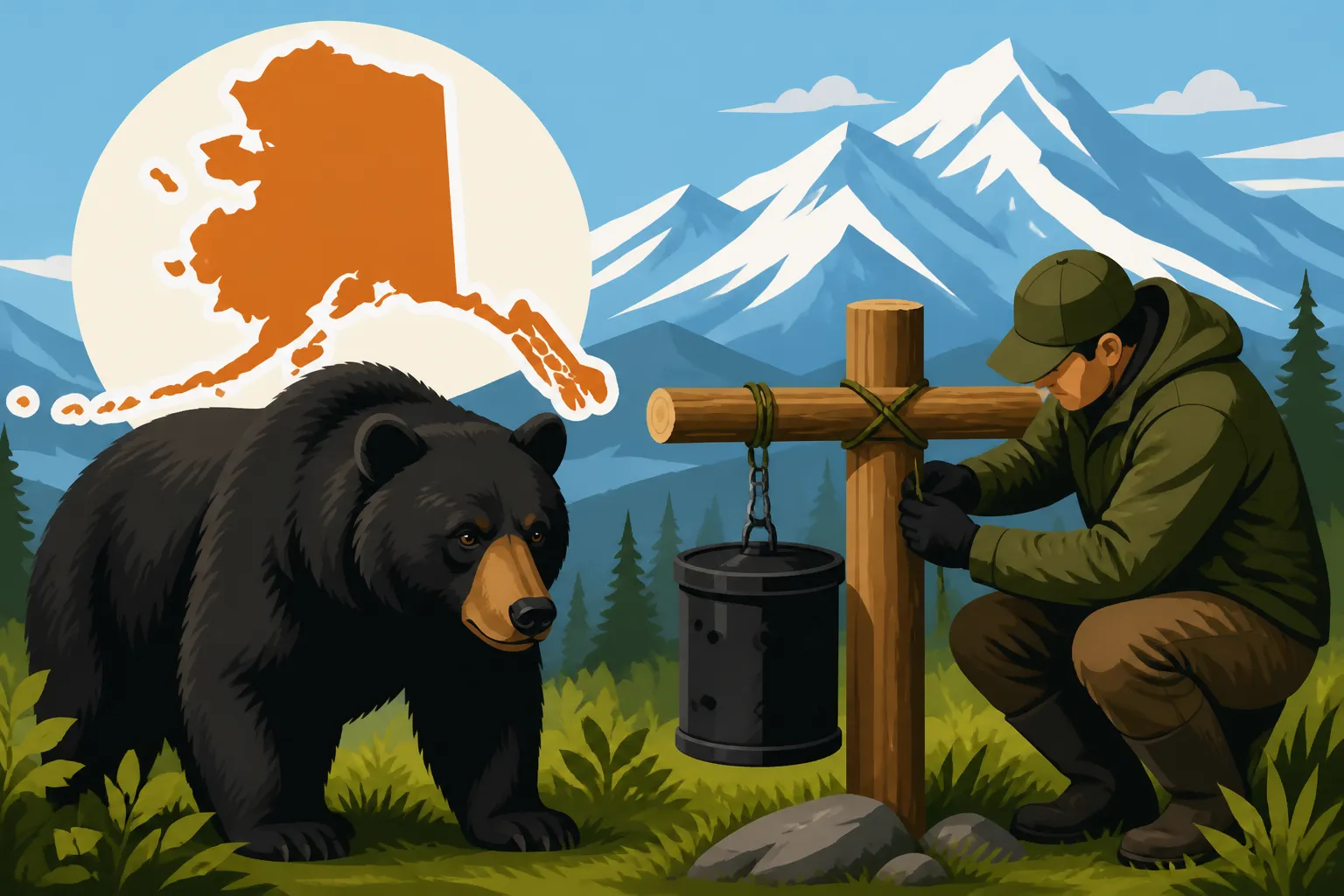
A well-constructed bait station is more than just a pile of food. It's a system designed to attract bears, keep the bait accessible to them (but not too accessible to smaller critters), and allow for ethical shot opportunities. Most hunters use a large container, often a heavy-duty plastic barrel or sturdy wooden box, secured to a tree or the ground. This helps keep the bait from being scattered by scavengers like ravens or wolverines, and critically, it dictates how the bear approaches the bait, offering a consistent shot angle. The placement of your stand or blind is equally important. You want to be downwind of the bait, with a clear line of sight and an unobstructed shooting lane. Remember, bear baiting is often done from a static position, so comfort and concealment are key. Consider the prevailing winds in your chosen area and position your stand accordingly. This also ties into the distance requirements we discussed earlier; your setup should facilitate a clean, ethical shot within reasonable range. Lastly, don't forget to clearly mark your bait site with durable, weatherproof signs stating "Bear Bait Station" and your name and address, as required by ADF&G. This helps inform other hunters and recreationists and demonstrates your compliance.
Daily Checks and Responsible Practices
Baiting is an active commitment, not a passive one. Once your station is set up, it demands regular attention. This typically means daily checks to replenish bait, assess bear activity, and maintain the integrity of the site. When you arrive at your station, look for fresh tracks, scat, or changes to the bait setup itself. Has a bear been visiting? How frequently? Are there multiple bears? This intel helps you refine your strategy. Always bring more bait than you think you'll need; hungry bears can empty a barrel surprisingly fast. Responsible practices also extend to hygiene and cleanliness. While it might seem counterintuitive to clean up around a bait site, minimizing scattered food waste helps focus the bears on your primary bait container and reduces unintended attractants for non-target animals. If you encounter non-target animals, like brown bears or smaller critters, assess if your site selection or bait presentation needs adjustment to discourage them. You also need to be vigilant about your surroundings. You're in bear country, and even black bears can be unpredictable, especially around a food source. Make noise as you approach, carry bear spray, and stay alert. Bear Safety While Butchering a Kill in Alaska is a serious consideration, and similar vigilance is required even at a bait station before a kill.
Dealing with Unwanted Visitors
It’s almost inevitable: when you put out an attractive food source in the Alaskan wilderness, you're going to get visitors. Not all of them will be your target black bear. Common unwanted guests include brown bears, wolverines, lynx, ravens, and smaller mammals. The presence of a brown bear at your black bear bait station is a serious concern. While not all brown bears will become problematic, allowing them to frequent a bait site can habituate them to human-provided food, which can lead to dangerous situations and potential regulatory issues. If a brown bear starts regularly visiting your site, you might need to consider moving your station or ceasing baiting activity in that area altogether. Remember, Why Alaska Bans Baiting for Brown Bears is about safety and ethical management. For smaller critters, securing your bait barrel to prevent them from scattering bait everywhere is usually sufficient. Some hunters construct "critter guards" or use smaller openings to deter animals like wolverines or raccoons while still allowing bears access. Ravens can be a persistent nuisance, flying off with small pieces of bait; while they aren't dangerous, they can quickly deplete your supply. Your best defense is a sturdy, covered bait container that requires a bear's strength to access the main cache, and regular replenishment.
Seasonal Considerations and Emergency Orders
Alaska's hunting seasons are dynamic, influenced by wildlife populations, environmental factors, and public input. Baiting black bears is no exception, and understanding the ebb and flow of seasons and the potential for sudden changes is paramount for any responsible hunter.
Understanding Baiting Season Dates
Black bear baiting in Alaska isn't a year-round activity. Specific season dates are set by ADF&G for each Game Management Unit (GMU), and they vary widely across the state. Typically, spring is the prime season for baiting black bears, often running from late April or early May through June or even early July in some areas. This timing coincides with bears emerging from dens, often hungry and looking for food before natural forage is abundant. Knowing the Alaska Baiting Season Versus the General Season is critical. For example, while general black bear hunting seasons might extend into the fall, baiting is often restricted to specific spring windows to avoid conflicts with other fall hunts (like moose or caribou) and to target bears when their hides are in prime condition. Always consult the current year's hunting regulations for your specific GMU, as these dates are firm and hunting outside of them, even with bait out, is illegal. A quick check of the ADF&G website or a call to a local office can confirm the exact dates for your chosen area.
Quotas and Emergency Closures
While many black bear hunts operate on general seasons and bag limits, some areas or specific hunts might have quotas, especially in certain registration permit areas. Hunters need to be aware that even if you have your bait station registered and set up, a season can close early if a quota is met. ADF&G is diligent about announcing these Alaska Emergency Orders That Close a Season Early through press releases, their website, and sometimes local radio. It is your responsibility as a hunter to stay informed about potential closures. Imagine dedicating weeks to baiting, only to find out the season closed yesterday. It’s a frustrating scenario that can be avoided by checking regularly. Many experienced hunters use satellite communication devices like an inReach to check for updates when they are deep in the bush, precisely to avoid missing a critical announcement. It's a small investment for peace of mind and legal compliance. Pay attention to specific GMUs, as a closure in one area doesn't necessarily mean it's closed everywhere.
Post-Season Cleanup and Site Reclamation
A responsible hunter doesn't just walk away from a bait site at the end of the season. Post-season cleanup and site reclamation are ethical and often legal requirements. This means removing all man-made materials from your bait station, including barrels, blinds, stands, and especially any non-biodegradable bait residues. The goal is to leave no trace that a bait station ever existed. Not only does this prevent pollution and litter, but it also minimizes the long-term impact on wildlife and prevents conditioning bears to artificial food sources outside of the hunting season. Leaving food out after the season closes is illegal and unethical, as it can lead to bears becoming habituated to human food, increasing conflicts with people, and potentially leading to the destruction of the bear. Even if a barrel looks empty, give it a good clean out. Remember, the privilege of hunting in Alaska comes with the responsibility of leaving the land as pristine as you found it, or even better. This stewardship is vital for the future of hunting and wildlife conservation.
Common Pitfalls and How to Avoid Them
Even with the best intentions, it's easy to make mistakes when navigating complex hunting regulations. For black bear baiting in Alaska, certain pitfalls crop up more frequently than others. Being aware of these common errors can help you sidestep trouble and ensure a smooth, legal hunt.
Misinterpreting Distance Rules
This is arguably the most common and easily avoidable violation. The regulations clearly state how far an Alaska bait site sits from a trail, a public road, a developed campground, or a dwelling. Yet, hunters often misinterpret these distances or fail to measure them accurately. Maybe they didn't realize a faint ATV trail qualifies as a "trail," or they underestimated the reach of a quarter-mile rule. Some areas have specific restrictions along major highways, like the Dalton Highway Corridor Hunting Rules, that dictate firearm use and baiting proximity. The key here is precision. Don't eyeball it. Use a GPS device to mark your bait site and measure its distance to all potential restricted areas. Digital mapping tools, like those found on GoHunt, can be incredibly helpful for pre-scouting and identifying potential conflicts before you even set foot on the ground. Print out maps, cross-reference with your GPS, and if there's any doubt, err on the side of caution and place your bait further away. A few extra minutes of hiking are always better than a citation.
The Temptation of Illegal Bait
Another frequent stumble block is the use of unapproved bait materials. We touched on this, but it bears repeating: do not use big game animal parts as bait. This seems like common sense to some, but after a successful moose hunt, for example, the temptation to use some scraps for bear bait can be strong. This is explicitly prohibited and can lead to severe penalties. The rule against using big game animal parts is specifically designed to prevent the attraction of brown bears, which are not legal to bait, and to reduce the potential for disease transmission. Stick to commercially produced sweets, dog food, or approved rendering products. While it might seem like a simple shortcut, using a deer carcass or moose bone from a prior kill is not worth the risk. Always check the Legal Bait Materials for Alaska Black Bear section in the current regulations; what might have been allowed a decade ago, or in another state, might be strictly forbidden here.
Forgetting Your Trail Camera Rules at an Alaska Bait Site
Trail cameras have become an indispensable tool for bait hunters, offering valuable insights into bear activity without constant physical presence. However, just like everything else in Alaska hunting, there are specific Trail Camera Rules at an Alaska Bait Site. For instance, some regulations may require you to affix your name and address to your trail camera, similar to your bait station sign. This ensures accountability and helps identify the owner if the camera is found by others or needs to be removed. More importantly, using trail cameras does not exempt you from the other rules of baiting. You still need a registered bait station, still need to check it regularly, and still need to adhere to all distance and bait material regulations. Another subtle but important point: ensure your trail camera isn't transmitting real-time images or video that could be interpreted as "same-day-airborne" violations if you flew in to your site. While the cameras themselves are legal, how the information is used or accessed by a hunter can cross lines, especially in more remote fly-in areas. When in doubt, ensure your camera only stores images for later physical retrieval.
| Aspect of Bait Station | Key Regulation/Requirement | Common Pitfall | Best Practice to Avoid |
|---|---|---|---|
| Registration | Mandatory ADF&G registration permit required. | Forgetting to register or assuming prior registration is valid. | Always register your specific site annually with ADF&G. |
| Location | Minimum distances from roads, trails, dwellings. | Eyeballing distances, not knowing exact boundaries. | Use GPS and maps (digital & physical) for precise measurements. |
| Bait Material | Only approved materials (sweets, dog food, etc.). | Using big game animal parts or non-biodegradables. | Stick to commercial sweets; always check current legal bait materials. |
| Signage | Clear "Bear Bait Station" sign with name/address. | Missing sign, illegible sign, or incorrect info. | Use durable, weatherproof sign with accurate contact info. |
| Maintenance | Regular checks, replenishment, cleanup. | Neglecting site, leaving trash, not securing bait. | Daily visits, secure containers, leave no trace at end of season. |
| Season Dates | Adhere strictly to GMU-specific baiting seasons. | Hunting outside dates, missing emergency closures. | Consult current ADF&G regulations and check for emergency orders frequently. |
| Trail Cameras | May require identification, no real-time transmission for hunting. | Not labeling camera, using real-time feeds in restricted ways. | Label cameras clearly, store images locally for later retrieval. |
| Unwanted Animals | Discourage brown bears; manage scavengers. | Allowing brown bear habituation; poor container design. | Move sites if brown bears become regular; use sturdy, critter-proof barrels. |
Disclaimer
Please remember that hunting regulations in Alaska are subject to change. Always consult the most current Alaska Department of Fish and Game regulations synopsis for the year you plan to hunt, as well as any emergency orders issued by the department. This guide is for informational purposes only and does not supersede official state regulations.