Alaska State Land Open to General Hunting
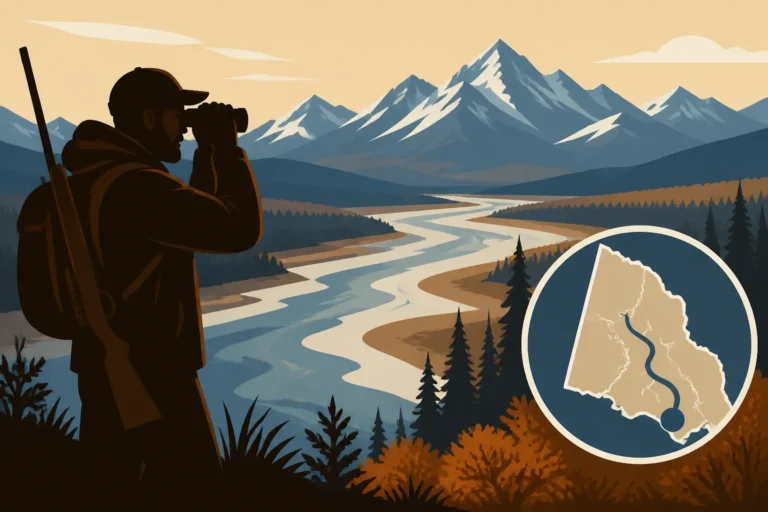
One of the biggest headaches for anyone looking to hunt in Alaska, especially if you're venturing beyond well-known hunting camps or guided operations, is figuring out where you can actually hunt. It often feels like you need a law degree and a surveyor's eye just to know if your boots are on legal ground. This guide is here to untangle that knot, specifically focusing on Alaska State Lands and how you can confidently find, access, and hunt them under general hunting regulations.
Understanding Alaska's Land Status Jigsaw Puzzle
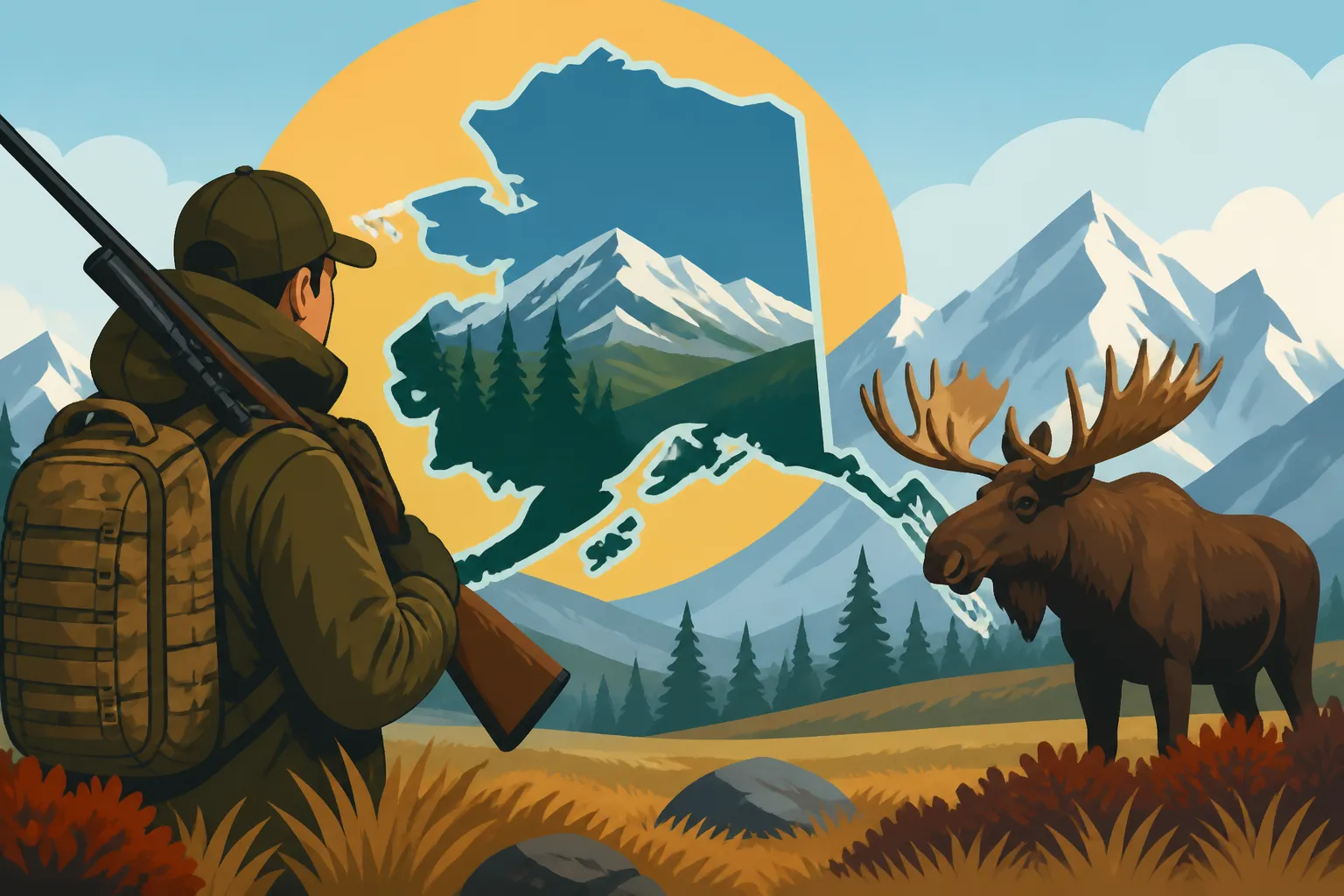
Alaska's land ownership is a complex tapestry, a patchwork quilt sewn together by federal, state, and private (often Native Corporation) interests. It's not like the Lower 48 where vast tracts of state forest or BLM land are clearly marked and generally accessible. Here, the lines can be blurry, and mistakenly stepping onto the wrong parcel can turn a great hunt into a legal nightmare. This isn't just an inconvenience; it's a genuine frustration for hunters trying to do everything by the book.
The Different Shades of Public Land in Alaska
When we talk about "public land" in Alaska, it's not a monolithic entity. You have immense federal holdings like National Parks (where hunting is generally prohibited), National Preserves (where hunting is often allowed, but with federal regulations layered over state rules), National Wildlife Refuges, and Bureau of Land Management (BLM) lands. Then there are the state lands, managed by the Alaska Department of Natural Resources (DNR). And finally, there are significant land grants to Native Corporations and private individuals.
Imagine you've flown into a remote area, hiked for miles, and finally spotted a legal bull moose. You're ready to make your move, but then a tiny voice in the back of your head whispers, "Am I actually on state land, or did I just cross into a private Native allotment?" This scenario is far too common and highlights the critical need to understand Land Status in Alaska: State, Federal and Native Corporation. The rules for hunting, camping, and even setting up a temporary camp can change dramatically with just a few steps over an invisible boundary.
Why State Land is Often Your Go-To for General Hunting
For many independent hunters, Alaska State Land represents the sweet spot for general hunting opportunities. Unlike some federal lands, which might have additional restrictions on methods, access, or specific species, state lands generally adhere to the Alaska Department of Fish and Game (ADF&G) regulations for the specific Game Management Unit (GMU) you're in. This means fewer layers of bureaucracy to navigate beyond your standard state hunting license and tags.
While federal lands like National Preserves do offer incredible hunting, they can sometimes come with more stringent or confusing rules regarding things like motorized access or specific permit requirements, even if the state season is open. On state lands, if the state regulations say it's open, you're generally good to go, provided you respect local ordinances and any specific closures. It's not a free-for-all, but it often provides a more straightforward experience for those looking to plan an unguided adventure. Understanding the distinction between State Land Versus Federal Land in Alaska is paramount for making informed decisions about where to focus your efforts.
| Land Type | General Accessibility for Hunting | Common Permit Requirements | Typical Restrictions | Identification Difficulty |
|---|---|---|---|---|
| Alaska State Land | Generally high | State license/tags | GMU regs, CUAs, private inholdings | Moderate |
| Federal Lands (Preserves/Refuges) | Moderate to high | State license/tags, sometimes federal permits | Federal overlay regs, motorized access limits, specific unit rules | Moderate to High |
| Federal Lands (Parks) | Generally prohibited | N/A | No hunting | Low (clearly marked) |
| Native Corporation/Private | Restricted | Landowner permission, permits, fees | Trespassing, access agreements | High |
Identifying Alaska State Lands for Your Hunt
Okay, so you know state land is often the place to be. But how do you actually find it when you're staring at a vast, wild landscape that looks pretty much the same everywhere? This is where modern tools and a bit of old-fashioned map reading come into play, saving you from guessing games that could have serious consequences.
Essential Tools for Navigating Land Ownership
Gone are the days when you'd rely solely on paper maps and hope your compass was accurate enough to keep you on legal ground. While those still have their place as backups, today's technology makes identifying land status significantly easier. Mapping applications are invaluable for any serious hunter, especially in a state like Alaska where boundaries can be incredibly intricate and undocumented trails often lead across different ownerships.
Tools like onX Hunt and GoHunt are incredibly powerful resources. They overlay land ownership boundaries directly onto satellite imagery and topographic maps on your phone or GPS device. Imagine being able to zoom in on a ridge and see a clear color-coded line indicating where state land ends and a Native Corporation parcel begins. This capability is not just convenient; it's a crucial safety net for avoiding accidental trespassing. Before you even set foot in the field, these apps allow you to scout an area from your living room, marking potential camp spots, travel corridors, and critical boundaries. This is especially helpful when you're Downloading Offline Maps Before a Fly-In to ensure you have coverage even without cell service.
Interpreting Alaska Department of Natural Resources DNR Maps
While digital tools are fantastic, understanding the foundational maps published by the Alaska Department of Natural Resources (DNR) and the Alaska Department of Fish and Game (ADF&G) is still incredibly important. These agencies are the definitive source for land status and hunting regulations. DNR maintains a vast archive of public land survey information, cadastral maps, and even interactive online viewers that show state land boundaries.
Learning to read these maps means familiarizing yourself with legal descriptions, section lines, and specific land classifications (e.g., general recreation lands, mental health trust lands, state parks, etc.). ADF&G also publishes detailed Game Management Unit (GMU) maps which, while not primarily focused on land ownership, show the administrative boundaries that dictate season dates, bag limits, and legal methods. Cross-referencing these official sources with your GPS app can create a robust understanding of your hunting area. It's about combining the granular detail of the official documents with the real-time convenience of your handheld device to ensure you always know where you stand.
General Regulations and Considerations for Hunting on State Land
While state land generally offers more straightforward hunting opportunities, it’s not a wild west where anything goes. You're still bound by the specific regulations of the Game Management Unit (GMU) you’re hunting in, and even within state land, certain overlays and rules can restrict activities. Think of it less as a free pass and more as a baseline that other, more specific rules can build upon.
Key Rules That Apply to Most State Lands
When hunting on state land, your primary guides are the Alaska Hunting Regulations published by ADF&G. These regulations cover everything from season dates and bag limits for specific species, like moose or caribou, to weapon restrictions and tagging requirements. Beyond that, state lands generally allow for common access methods, setting up temporary camps, and utilizing legal transportation methods, provided you're not in a specific Alaska Controlled Use Areas and What They Restrict or otherwise designated restricted zone.
For instance, if you're planning a vehicle-based hunt, understanding ATV Trail Rules on Alaska State Land is crucial. You might find designated trails open to motorized traffic, while other areas are strictly foot or horse travel only. Similarly, if you're considering a float hunt, knowing Public Access Points on Alaska Rivers on state land will ensure your put-in and take-out spots are legal and accessible. Always check the specific GMU regulations for the species you're pursuing, as these can vary wildly from one unit to the next. For example, some areas might have antler restrictions for moose, while others are "any bull" hunts.
When State Land Isn't Truly "Open": Controlled Use Areas and Buffer Zones
Here’s where it gets a little tricky: even if you're definitively on state land, it doesn't automatically mean unlimited access or methods. Alaska has a variety of special designations that can override general state land rules. Controlled Use Areas (CUAs) are a prime example. These are specific geographic regions where certain methods of transportation or access are restricted, often to reduce pressure on game or to preserve a wilderness experience. For instance, a CUA might prohibit the use of aircraft for hunting, or ban motorized vehicles during certain seasons, even if the underlying land is state-owned and generally open.
Then there are buffer zones, such as Buffer Zones Along Alaska Highways, which prohibit hunting within a certain distance of major transportation corridors. These are often implemented for public safety near populated areas or roadways. You might be standing on state land, but if you're within a quarter-mile of the centerline of a highway, you could still be in violation. It's vital to consult the most current Alaska Hunting Regulations booklet and cross-reference with your maps to identify these special areas before heading out. Overlooking a CUA boundary or a highway buffer can lead to citations, fines, and potentially the loss of your harvest, even if you thought you were playing by the rules.
Practical Tips for a Successful State Land Hunt
Hunting on Alaska State Land offers incredible opportunities for adventure, solitude, and big game. But it also demands a higher degree of self-reliance and meticulous planning. It's not just about knowing where you can hunt, but how to do it effectively and ethically within those boundaries.
Planning Your Access and Camp
One of the first hurdles is simply getting to your chosen state land. While some state lands are accessible directly from the road system, many require bush plane flights, boat travel, or extensive hiking to reach. For those accessible by road, identifying legal parking areas and trailheads is crucial. Never assume you can park wherever you pull off the road; always verify the land status adjacent to the road for private parcels or restricted easements. Tools like onX Hunt can reveal these nuances.
Once you’re in, selecting a camp spot involves more than just finding a flat piece of ground. On state lands, you'll generally find more flexibility for primitive camping compared to some federal designations. However, understanding Camping Limits on Alaska State Land is important. While strict duration limits are rare in truly remote areas, ethical considerations like leaving no trace, proper waste disposal, and avoiding sensitive habitats are paramount. Consider factors like water sources, wind protection, and proximity to game movement when choosing your site. A well-planned camp minimizes your impact and maximizes your comfort and safety.
Respecting Boundaries and Minimizing Impact
Perhaps the most critical advice for hunting on state land is an unwavering commitment to knowing your exact location at all times. Alaska's land ownership mosaic is famous for its "checkerboard" patterns, especially near established towns or native communities. It's easy to inadvertently wander from state land onto Native Corporation land or private property without realizing it, especially in thick brush or uneven terrain. This isn't just a matter of ethics; it's a legal obligation.
Before you go, thoroughly scout your chosen area using mapping apps like onX Hunt or GoHunt. Mark known boundaries, especially those adjacent to private or Native Corporation holdings. During your hunt, frequently check your GPS to confirm your position relative to these lines. Should you harvest an animal near a boundary, be absolutely sure you are on legal ground before you begin the recovery process. Even retrieving a downed animal from private land without permission can be considered trespassing. By being hyper-vigilant about boundaries and practicing Leave No Trace principles, you not only ensure your hunt is legal, but you also protect access for future generations and maintain positive relationships with all landowners. It's a fundamental part of the responsibility that comes with hunting Alaska's vast and generous state lands.
Disclaimer
This article is for general informational purposes only and does not constitute professional advice. Laws, prices and regulations vary by location and change over time. Consult a qualified professional for guidance on your specific situation.