Unit 23 Boundaries in Northwest Alaska
Navigating the vastness of Northwest Alaska can be daunting, especially when trying to pinpoint exactly where you can hunt and what regulations apply. Game Management Unit (GMU) 23 is a prime example of this complexity, often leaving hunters scratching their heads about its immense boundaries and varied land statuses. This guide will walk you through the geographical spread, diverse landscapes, and crucial land access considerations that define Unit 23, helping you prepare for a successful and compliant hunt in this incredible region.
Understanding the Expansive Reach of Unit 23
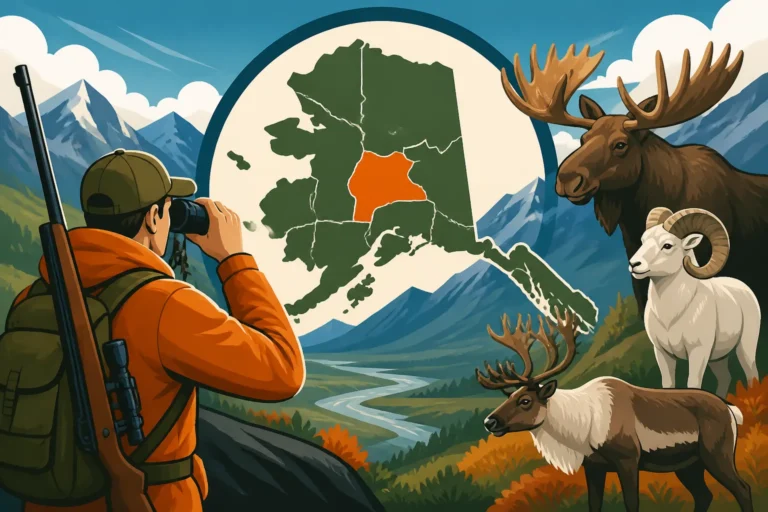
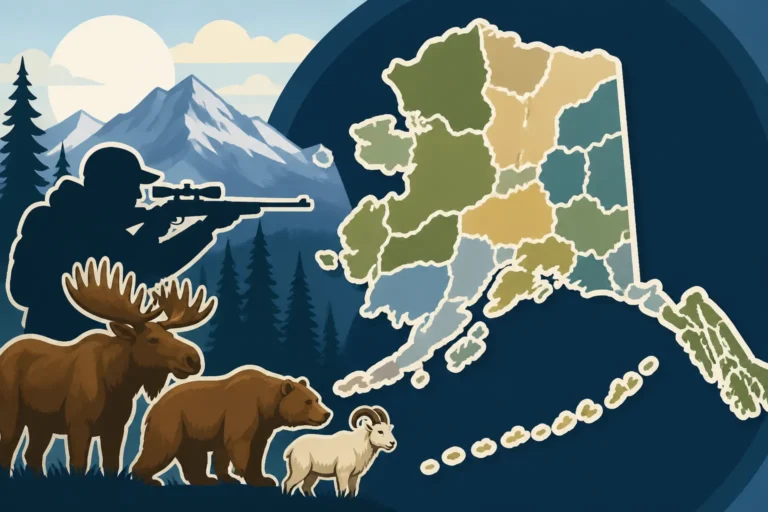
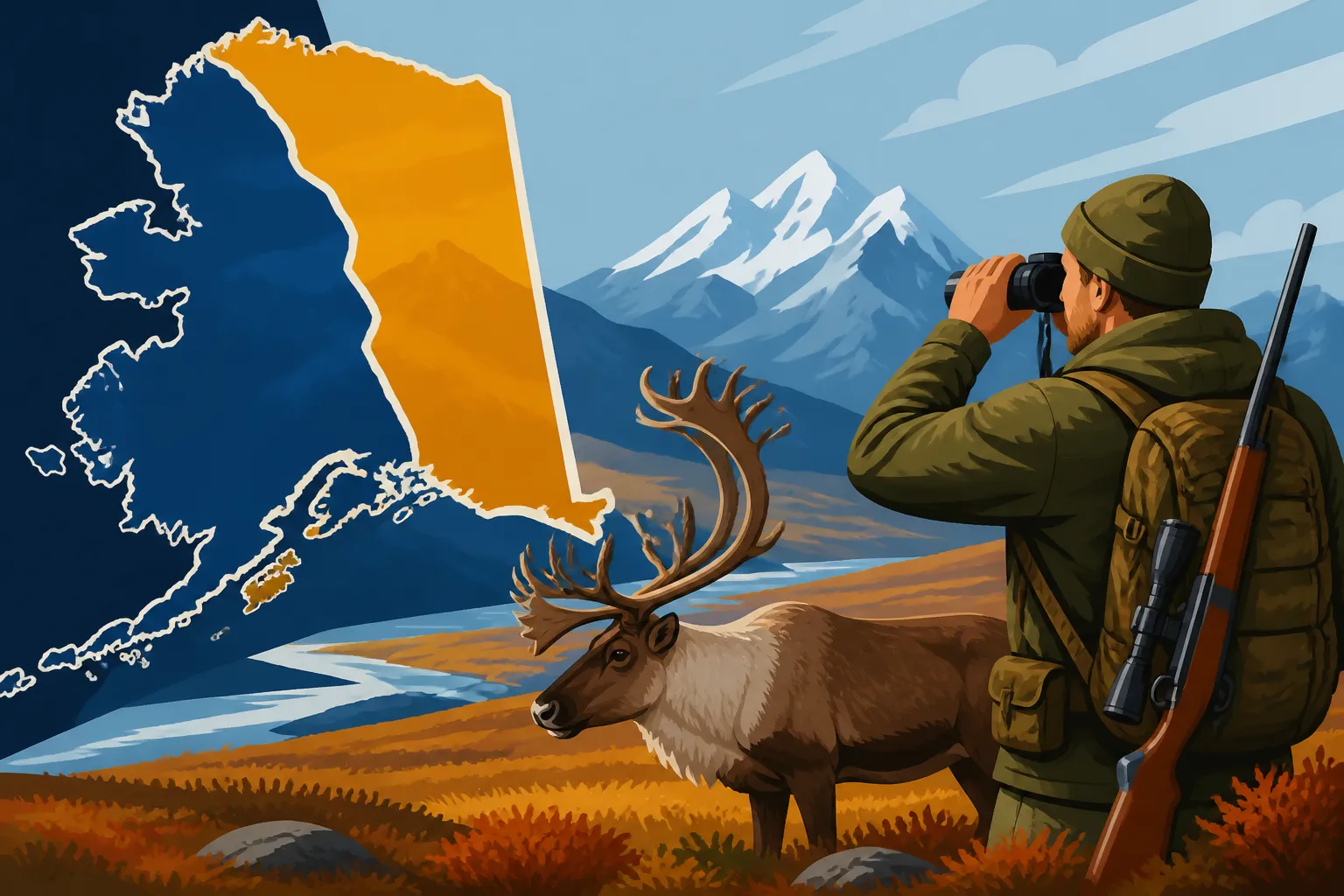
Unit 23 isn't just a dot on a map; it's a colossal expanse of wild Alaska, stretching from the Bering Sea coast deep into the interior foothills of the Brooks Range. Imagine an area roughly the size of many entire states in the Lower 48, all contained within one game management unit. This sheer scale presents both incredible opportunities and significant logistical challenges for any hunter venturing into its domain.
Geographical Scope and Key Regions
This vast unit encompasses the drainages of three major river systems: the Noatak, the Kobuk, and the Selawik. To the west, it borders the Bering Sea, characterized by extensive wetlands, tundra, and a coastline dotted with small Native villages. As you move inland, the landscape gradually shifts from the flat, wet coastal plains to rolling hills, then into the rugged, glaciated peaks and valleys of the Brooks Range. This diverse terrain includes everything from expansive caribou tundra and willow-choked river bottoms perfect for moose, to high alpine sheep country, though Dall sheep are primarily found in adjacent units further east.
Think about standing on a low ridge in the Noatak Preserve. To your west, endless tundra stretches to the horizon, meeting the gray sky. To your east, the mountains begin to rise, carved by ancient glaciers and modern rivers. You could spend a lifetime exploring just a fraction of this unit. Understanding this geographical diversity is the first step in planning your hunt, as different regions within Unit 23 offer distinct habitats and therefore, different hunting experiences. You might be targeting migratory caribou on the open tundra one year, then floating a clear stream for resident moose the next, all within the same GMU.
Unique Ecosystems and Wildlife
Unit 23 boasts an incredible array of ecosystems, each supporting a rich diversity of wildlife. The coastal lowlands and river deltas are critical staging areas for migratory birds and home to a strong population of brown bears and some black bears. These areas, particularly around the Selawik National Wildlife Refuge, are vibrant with life during the warmer months. As you venture further inland along the major river corridors like the Kobuk, you encounter dense willow and spruce forests, ideal habitat for moose, which find both browse and shelter here.
The higher elevations and open tundra, especially in the northern reaches, are the domain of the caribou. The Western Arctic Caribou Herd, one of the largest in Alaska, often migrates through parts of Unit 23. This herd's movements dictate much of the hunting activity here, drawing hunters from all over. Beyond the primary big game, the unit also supports wolves, wolverine, various furbearers, and a rich array of small game and waterfowl, adding to the remote wilderness experience. Caribou Herds of Alaska and How They Move can give you a deeper understanding of the dynamics that influence hunting success here.
The Complexities of Land Status within Unit 23
Perhaps the most challenging aspect of hunting in Unit 23 is navigating its intricate tapestry of land ownership. Unlike many regions where land status is relatively straightforward, Northwest Alaska is a mosaic of federal, state, and Native Corporation lands, each with its own set of rules and access requirements. Failing to understand these distinctions can lead to serious legal trouble, which is the last thing you want when you're hundreds of miles from the nearest road.
Federal Lands: National Preserves and Refuges
A significant portion of Unit 23 is comprised of federal lands, specifically the Noatak National Preserve, Kobuk Valley National Park (which has hunting restrictions), and the Selawik National Wildlife Refuge. While National Parks generally prohibit hunting, National Preserves and National Wildlife Refuges do allow it under specific federal regulations, often mirroring state seasons but sometimes imposing additional restrictions. For instance, the Noatak National Preserve allows subsistence and sport hunting, but you need to be acutely aware of the specific rules regarding methods of access, game retrieval, and camp locations.
The federal government often has its own set of rules for subsistence hunting, which can affect non-local or sport hunters. Federal Subsistence Hunting on Alaska Public Lands explains this dynamic in more detail. It's not uncommon for federal lands within Unit 23 to have different seasons or bag limits for federal subsistence users versus state-licensed sport hunters, especially concerning species like caribou. Always check both state and federal regulations, particularly if you plan to hunt within a federal preserve or refuge. It's a layer of complexity that demands meticulous pre-trip research.
Native Corporation Lands: Permits and Access
Overlaying these federal and state lands are vast tracts owned by Alaska Native Corporations, such as NANA Regional Corporation and various village corporations. These lands are private property, and hunting on them generally requires specific permission, often in the form of a permit, purchased directly from the corporation. This is a critical point that many outside hunters misunderstand. You cannot simply assume that because land appears remote and undeveloped, it is open to public access.
Accessing Native Corporation lands without a permit is trespassing, plain and simple, and the penalties can be severe, including fines and confiscation of game. Some corporations offer hunting permits for non-shareholders, while others reserve access exclusively for their shareholders. These permits might be for specific species, areas, or timeframes, and they typically come with a fee. Using mapping tools like onX Hunt, which clearly delineates land ownership boundaries, becomes absolutely invaluable here. Before you even think about setting foot on the ground, consult these resources and reach out directly to the Native Corporations whose lands you might cross or wish to hunt on.
State Lands: Limited but Present
While federal and Native Corporation lands dominate Unit 23, there are also parcels of state land scattered throughout. These state lands generally follow Alaska Department of Fish and Game (ADF&G) regulations and are open to public hunting. However, identifying these scattered parcels and gaining access to them can be tricky, especially given the lack of roads and the surrounding private or federal holdings. Often, these state land parcels are intermingled with Native Corporation lands or are surrounded by federal preserves, making "public" access practically impossible without crossing private property.
It's a common scenario: you fly into a remote area, land on what appears to be state land, but to get to prime hunting ground, you might need to traverse Native Corporation property. This is where meticulous pre-scouting with detailed maps, like those offered by GoHunt, is essential. Understanding the boundaries down to the section line is not just good practice; it's a legal necessity. Always know exactly where you are and whose land you're on to avoid inadvertently trespassing.
Key Hunting Opportunities and Challenges in Unit 23
For all its complexities, Unit 23 remains one of Alaska's most sought-after hunting destinations, primarily for its incredible caribou and moose populations. However, the rewards come with significant challenges, demanding a high level of preparation, self-sufficiency, and respect for the environment and local cultures.
Primary Game Species: Caribou and Moose
The undeniable draw to Unit 23 for many hunters is the opportunity to pursue caribou, particularly from the Western Arctic Herd. These nomadic animals migrate across vast distances, and their presence can fluctuate dramatically year to year, and even week to week. A successful caribou hunt often hinges on timing your trip with the herd's movement through accessible areas. Due to conservation concerns and the importance of this herd to local subsistence users, state regulations in Unit 23 frequently impose restrictions on non-local hunters, sometimes limiting access or closing seasons early. Always check the current Western Arctic Herd Threshold for Unit 23 Access and be prepared for potential emergency orders that can close a hunt with little notice.
Moose hunting in Unit 23 is also a prime opportunity, especially along the extensive river systems like the Kobuk and Noatak. These river corridors provide rich browse and cover, supporting healthy moose populations. Unlike caribou, moose are more resident, making their presence more predictable in certain drainages. However, getting a moose out of these remote river bottoms, particularly a large bull, is an epic task requiring significant planning and muscle. Think about what it takes for Quartering a Bull Moose Alone in the Field and then consider doing it in a remote, bear-heavy area.
Challenges: Remoteness and Regulations
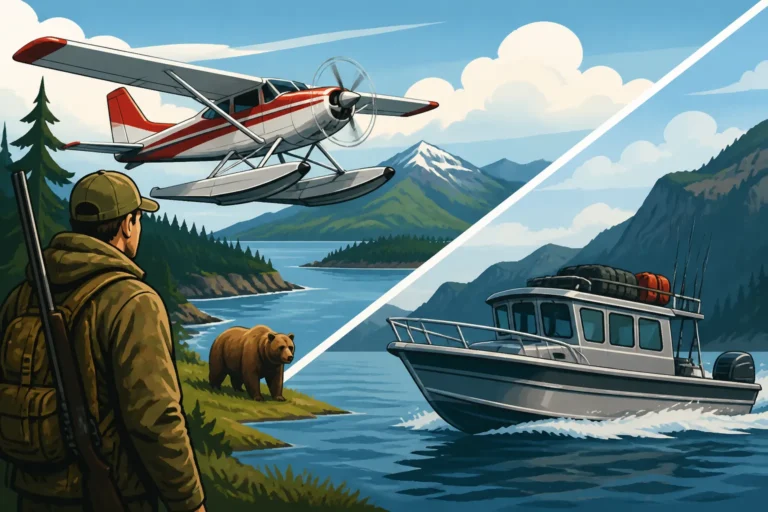
The remoteness of Unit 23 is both its greatest allure and its most formidable challenge. There are virtually no roads, meaning access is almost exclusively by bush plane, boat, or sometimes ATV on designated trails. This reliance on air taxis introduces variables like weather delays, weight restrictions, and the critical need for a reliable transporter. Fly-In Hunting Areas Across Interior Alaska illustrates the logistical puzzle pieces involved in such a venture. You need to be prepared for the possibility of being weathered in for days, carrying all your essentials, and being completely self-sufficient.
Beyond the logistical hurdles, regulatory changes are a constant factor. Unit 23 is a region where federal and state management can often diverge, and where subsistence priorities frequently take precedence. Hunters must be diligent in checking the latest ADF&G regulations, emergency orders, and federal subsistence rules. Ignorance of the law is never an excuse, especially in a unit where regulations can be fluid and complex. This is not a place for a casual, last-minute hunt. It demands careful planning, often a year or more in advance, to ensure you understand all the requirements for Alaska Harvest Tickets, Registration Permits and Draw Permits.
Navigating Unit 23: Tools and Practical Advice
Successfully hunting in Unit 23 requires more than just good marksmanship and physical fitness; it demands meticulous planning, the right tools, and a deep respect for the environment and the people who call this region home.
Using Mapping Resources Effectively
Given the intricate land ownership and vastness of Unit 23, high-quality mapping resources are non-negotiable. Digital mapping applications like onX Hunt have revolutionized how hunters navigate these complex landscapes. With satellite imagery, topo maps, and crucially, clearly marked property boundaries (federal, state, Native Corporation, and private), these tools allow you to visualize your hunt area in detail, plan your movements, and ensure you stay on legal ground. Before you even leave home, you can Scouting a Unit From Satellite Imagery Before You Fly, identifying potential travel routes, water sources, and key habitat features.
Even with digital tools, never underestimate the value of traditional paper maps and a compass as backups. Batteries die, devices get wet, and signals drop. Knowing how to navigate with a map and compass is a fundamental skill for any Alaska hunter. Always download offline maps to your device before venturing into the bush, as cell service is non-existent in most of Unit 23. Downloading Offline Maps Before a Fly-In is a critical step that could save your hunt, or even your life.
Pre-Trip Planning and Communication
Planning for a Unit 23 hunt begins long before you pack your bags. It involves extensive research into current regulations, booking air charters, coordinating logistics with your hunting partners, and preparing for every conceivable scenario. Communication with your air taxi service is paramount; clarify all weight limits, pickup schedules, and contingency plans for bad weather. Understand What an Alaska Transporter Cannot Legally Do to ensure your guide/transporter relationship is legal and ethical.
| Land Type | Primary Access | General Hunting Rule | Specific Considerations |
|---|---|---|---|
| Federal (Preserves/Refuges) | Air taxi, boat, hiking | Generally open, but check Federal Regs | May have special federal subsistence rules, local-use priority; no hunting in National Parks. |
| Native Corporation | Varies, often restricted to shareholders | Requires permit from Native Corporation | Absolutely check land boundaries and purchase permits beforehand. Trespassing is illegal. |
| Alaska State Land | Air taxi, boat, hiking (often surrounded by other land types) | Generally open per ADF&G regulations | Access can be challenging if surrounded by private/federal land; verify public easements. |
Beyond logistics, safety planning is crucial. Unit 23 is remote, and help is often days away. Carry reliable satellite communication devices, like an inReach or satellite phone, and establish a check-in plan with a contact back home. Signal Devices and Check-In Plans for Solo Alaska Hunts are even more vital when you're far from any infrastructure. Be prepared for bear encounters, especially brown bears, and carry appropriate bear deterrents. Rifle Choice for Alaska Brown Bear Country is a serious consideration, as is having a sidearm. Finally, always remember to file your Alaska Harvest Report Deadline After the Hunt to stay compliant with state regulations.
Disclaimer
This article is for general informational purposes only and does not constitute professional advice. Laws, prices and regulations vary by location and change over time. Consult a qualified professional for guidance on your specific situation.