Unit 13A Between the Denali and Glenn Highways
Trying to pinpoint prime hunting country in Alaska can feel like searching for a needle in a haystack, especially when you're looking at a vast area like Game Management Unit 13. But if you narrow your focus to Unit 13A, nestled squarely between the iconic Denali and Glenn Highways, you've found a special slice of Alaska that offers unique challenges and incredible opportunities. This guide will walk you through what makes Unit 13A distinct, how to navigate its diverse landscapes, what game you can expect to encounter, and crucial planning tips to make your hunt successful.
What Defines Game Management Unit 13A
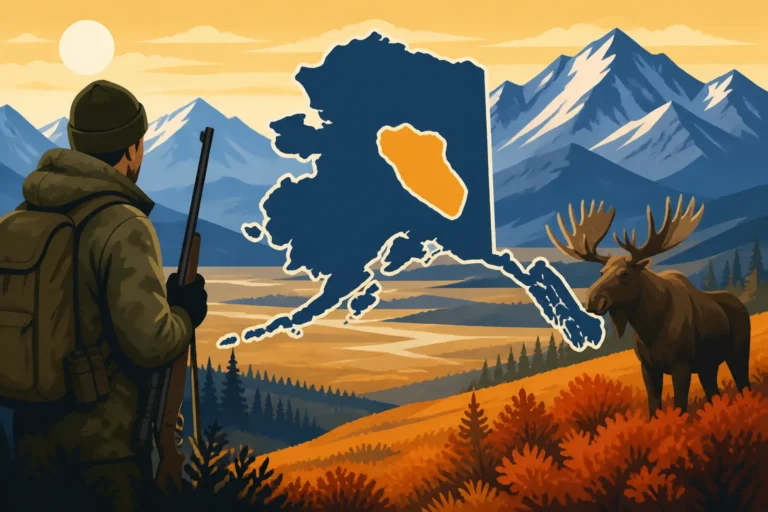
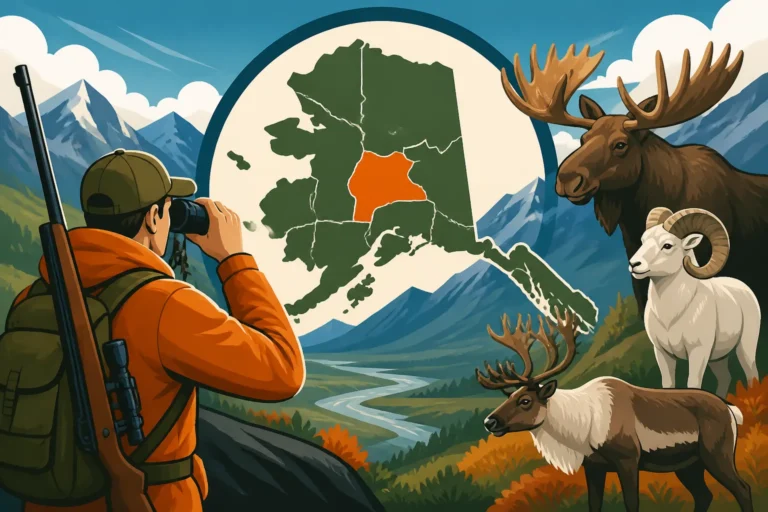
Game Management Unit (GMU) 13 is a massive, central Alaska unit, and its subdivisions are important to understand. Unit 13A carves out a significant portion of this landscape, essentially forming a corridor between two of Alaska's most famous roads: the Denali Highway to the north and the Glenn Highway to the south. This geographical distinction isn't just a line on a map; it profoundly impacts access, terrain, and the type of hunting experience you can expect.
Geographical Markers and Boundaries
At its heart, Unit 13A is defined by these two major arteries. To the north, the Denali Highway serves as its upper boundary, stretching from Paxson to Cantwell. To the south, the Glenn Highway delineates its lower edge, running from Glennallen west towards Palmer and Anchorage. Within these boundaries, you'll find a complex tapestry of mountains, valleys, rivers, and drainages. The Talkeetna Mountains flank portions of the western edge, while various smaller ranges and foothills create intricate folds in the landscape. Major river systems, like the Susitna and its tributaries, carve through the unit, offering travel corridors for game and, potentially, hunters. Understanding Alaska Game Management Units and How They Are Numbered can help contextualize 13A within the broader state system.
This isn't just flat, open country. You're dealing with elevations that range from valley bottoms to alpine peaks. The transition zones, where the forest gives way to open tundra and then to rocky slopes, are often where game can be found moving between feeding and bedding areas. The sheer scale of it means that even within 13A, there are countless micro-climates and localized habitats.
Diverse Terrain and Ecosystems
The landscape of Unit 13A is incredibly varied, which contributes to its rich biodiversity and diverse hunting opportunities. Imagine vast expanses of open, rolling tundra, especially as you get closer to the Denali Highway. This treeless environment, carpeted with low-lying brush, sedges, and wildflowers, is classic caribou country. These areas provide excellent visibility, making glassing an essential skill for spotting distant animals.
As you move into lower elevations and river valleys, the terrain shifts to boreal forest, primarily spruce and birch. These timbered areas offer critical cover for moose and bears. Dense willow thickets, particularly along river bottomlands and in old burn scars, are prime moose browse. Navigating these dense stands can be challenging, requiring a different approach than the open tundra. Further up, you’ll encounter alpine meadows and rocky peaks, which might hold mountain goats in some of the more rugged areas, though 13A is not traditionally known as a primary goat unit. This mix of environments demands versatile hunting strategies and gear, as you might find yourself trekking across spongy tundra one day and climbing rocky ridges the next.
Accessing Unit 13A's Hunting Opportunities
Getting into and around Unit 13A is a significant part of the planning process, and it largely dictates the type of hunt you'll have. Its location between two major highways makes it more accessible than many truly remote Alaskan units, but that doesn't mean it's easy. You'll find a spectrum of access options, each with its own advantages and challenges.
Roadside Opportunities
For many hunters, especially those new to Alaska or on a tighter budget, the primary access points will be directly off the Denali and Glenn Highways. These roads, while mostly gravel (especially the Denali), provide the easiest entry into the unit. You can often pull off into designated parking areas or unimproved turnouts and begin hiking directly from your vehicle. This accessibility also means higher hunting pressure in areas close to the roads, especially during peak seasons.
However, "roadside" doesn't mean "easy." Within a mile or two of the pavement, the terrain can quickly become rugged, marshy, or densely timbered. Many experienced hunters use these roadside access points as jumping-off points for longer, multi-day backpacking trips into less pressured country. It's crucial to consult land status maps, often available through resources like onX Hunt, to ensure you are on public land and not inadvertently trespassing on private or Native Corporation property right off the road.
ATV and Trail Systems
Beyond the immediate roadside, Unit 13A offers an extensive network of ATV trails. The Denali Highway, in particular, is well-known for its ATV access, with numerous routes branching off into the backcountry. These trails can provide excellent access to more remote areas, allowing hunters to cover significant distances and haul heavier gear loads than would be possible on foot alone. If you're considering ATV Access Tactics on Alaska's Denali Highway, remember that specific rules and restrictions apply to motorized vehicle use, particularly concerning designated trails and cross-country travel. These regulations are designed to protect the fragile tundra environment and maintain fair chase opportunities. Always check the current hunting regulations for specific limitations on ATV use in different parts of 13A.
Many of these trails lead to historic mining claims, trapping cabins, or simply follow natural drainages. While using an ATV can extend your reach, remember that breakdowns in the remote backcountry can be serious. Carry essential repair tools, extra fuel, and always let someone know your travel plans.
Remote Fly-In Options
While much of Unit 13A is accessible by road or ATV, there are still vast, remote pockets that truly demand a fly-in approach. Floatplanes can access numerous lakes and larger rivers, while wheel-equipped planes can land on suitable gravel bars. This option is often pursued by hunters seeking to escape the pressure of road-system hunting and access truly untouched areas. However, fly-in hunting comes with its own set of logistical challenges and costs.
The "same-day-airborne rule" is a critical regulation to be aware of when flying into any Alaska hunting unit. This rule prohibits hunting big game on the same day you have been airborne in an aircraft. This means you must land, set up camp, and wait until the following day to begin hunting. This rule is in place to ensure fair chase and prevent hunters from spotting game from the air and immediately pursuing it. Weather can also be a significant factor, potentially delaying both your drop-off and pick-up. Always budget extra days for weather holds when planning a fly-in trip.
Here's a quick comparison of common access methods for Unit 13A:
| Access Method | Pros | Cons |
|---|---|---|
| Roadside (Hiking) | Easiest entry, lowest cost, often directly into good country | High hunting pressure near roads, limited remoteness, requires strong legs |
| ATV Trails | Covers significant ground, helps haul gear/meat, reaches less pressured areas | Subject to specific trail rules, potential for breakdowns, can be rough on gear |
| Backpacking (Deep) | Ultimate remoteness, lowest pressure, true wilderness experience | Very physically demanding, maximum gear weight, limited range, complex logistics |
| Fly-In (Limited) | Access to truly remote, untouched areas, often holds unpressured game | Highest cost, completely weather-dependent, "same-day-airborne" rule applies |
Game Species and Hunting Opportunities in Unit 13A
Unit 13A is renowned for its diverse big game, drawing hunters from all over for a chance at iconic Alaskan species. While caribou often steal the spotlight, the unit also offers excellent opportunities for moose, bears, and other animals. Understanding the typical behavior and habitat preferences of these species within 13A is key to a successful hunt.
Caribou: The Migratory Draw
The Nelchina Caribou Herd is the star attraction for many hunters in Unit 13A. This herd often migrates through portions of the unit, particularly during the fall hunting seasons. Caribou hunting in 13A can be incredibly rewarding, offering a chance at an impressive bull. However, it's also highly dependent on the herd's unpredictable movements. One year they might be abundant in a certain area; the next, they could be miles away.
Hunters often rely on reports from the Alaska Department of Fish and Game (ADF&G) and local sources to track herd movements. Keeping a close eye on Alaska Caribou Seasons and the Winter Hunt Split is essential, as emergency orders can open or close seasons based on population objectives and harvest quotas. When they are present, caribou can be found grazing on the open tundra, often in large groups. Spotting scopes and binoculars are invaluable for identifying legal bulls at a distance, as they can be constantly on the move across vast landscapes. Tools like GoHunt can provide useful insights into historical harvest data and herd dynamics, helping hunters plan for potential migration corridors.
Moose: In the Willows and Burns
Unit 13A also holds a healthy population of Alaska-Yukon moose. Unlike the wide-ranging caribou, moose tend to be more solitary and prefer specific habitats. Look for moose in the dense willow thickets along river bottoms, in marshy areas, and particularly in mature burn scars where new growth provides abundant forage. Alaska Moose: Where the Biggest Bulls Live notes that Interior Alaska, where 13A resides, consistently produces impressive bulls.
Moose hunting in 13A can be a physically demanding endeavor, often requiring hunters to navigate dense brush and wet terrain. Calling moose, especially during the rut, can be a highly effective tactic. Hunters need to be intimately familiar with Alaska's antler restrictions, which can vary by management unit and even subunit. In some areas, only bulls with a certain spread or number of brow tines are legal, making careful field judging critical. A cow call or a raking sound can often bring a curious bull out of cover, but you must be prepared to make a quick and ethical shot. Field Judging a Legal Bull Under Alaska Antler Rules is a must-read for anyone pursuing moose in the state.
Bears, Wolves, and Small Game
Beyond caribou and moose, Unit 13A offers opportunities for other species. Both black bears and interior grizzlies are present. Black bears are more common in the timbered areas and around berry patches in the fall. Grizzlies, while less numerous, can be found throughout the unit, often frequenting the same open country as caribou or the river bottoms where moose concentrate. Understanding Alaska Brown Bears on the Coast Versus Interior Grizzlies will help you recognize the differences in behavior and habitat. Always carry bear spray and know how to use it, regardless of what you are hunting.
Wolves are also present in 13A, though they are elusive and challenging to hunt. They often follow the caribou herds, and opportunistically harvesting a wolf can be a bonus for a big game hunter. Additionally, small game like ptarmigan can provide excellent camp meat and a fun diversion. Be sure to check the specific regulations for all species, as seasons and bag limits vary.
Planning Your Hunt in Unit 13A
A successful hunt in Unit 13A, like anywhere in Alaska, hinges on meticulous planning and preparation. From understanding the nuances of the regulations to having the right gear and a solid scouting strategy, every detail counts.
Understanding Regulations and Permits
The Alaska Department of Fish and Game (ADF&G) regulations are your bible for any hunt in 13A. Unit 13 is particularly complex, with various permit hunts, registration hunts, and general seasons. Many prime hunts for caribou and moose in 13A are conducted through drawing permits, meaning you must apply well in advance and be lucky enough to draw a tag. If you're looking at Alaska Harvest Tickets, Registration Permits and Draw Permits, you'll learn that draw permits are the most competitive.
It's absolutely essential to check the latest hunting regulations booklet and any emergency orders issued by ADF&G. Alaska Emergency Orders That Close a Season Early happen, particularly for caribou, where seasons can open or close suddenly based on herd status and harvest quotas. Never assume last year's regulations are current. Pay close attention to weapon restrictions (e.g., archery-only areas), season dates, and specific legal animal definitions (e.g., antler restrictions for moose or caribou).
Pre-Season Scouting and Mapping
Even if you're not physically able to scout Unit 13A in person, extensive pre-season e-scouting can make a huge difference. High-quality satellite imagery and topographic maps are invaluable. Platforms like onX Hunt provide detailed land ownership information, which is critical for identifying public access points and avoiding private parcels. They also offer various map layers, including terrain, satellite imagery, and even historic fire boundaries which can indicate new browse for moose.
Using a tool like GoHunt can help you research draw odds and historical harvest data for specific hunt numbers in 13A, giving you a statistical edge in your application strategy. When Scouting a Unit From Satellite Imagery Before You Fly, look for natural travel corridors, water sources, benches, clearings, and areas where different habitats converge. Mark potential glassing knobs, escape routes, and camping spots. Having a detailed plan laid out on a digital map, with backup options, will save you precious time in the field.
Essential Gear for the Alaska Backcountry
The weather in Unit 13A, like much of interior Alaska, can be highly unpredictable. You can experience all four seasons in a single day, from warm sunshine to driving rain, and even snow, especially later in the fall. Proper gear is non-negotiable. Invest in high-quality rain gear that is truly waterproof, not just water-resistant. Layering is key, with synthetic or wool base layers, insulating mid-layers, and a durable outer shell.
Footwear is another critical consideration. Waterproof, broken-in hiking boots with good ankle support are essential for traversing uneven and often wet terrain. If you plan on dealing with marshy areas or river crossings, hip waders or chest waders might be necessary. For longer hunts, especially Backpack Hunting in Alaska: Gear Weight and Meat Loads, a sturdy, comfortable pack capable of handling heavy meat loads is vital. Don't forget navigation tools (GPS, compass, paper map), a reliable shelter, a cooking system, and emergency communication devices like a satellite messenger. Always pack more food and fuel than you think you'll need; weather delays are a real possibility.
Disclaimer
This article is for general informational purposes only and does not constitute professional advice. Laws, prices and regulations vary by location and change over time. Consult a qualified professional for guidance on your specific situation.