Katmai and Lake Clark Preserve Hunting
Dream of hunting truly wild Alaska, far from the road system, in places where untouched wilderness still reigns supreme? Katmai and Lake Clark National Preserves offer that exact experience, drawing hunters into some of the most rugged and remote landscapes in the state. However, understanding the nuanced regulations, specific access requirements, and critical differences between National Parks and Preserves can feel like navigating a maze. This guide will clarify the specifics of hunting in these legendary federal lands, helping you plan a responsible, legal, and potentially life-changing adventure.
Understanding the Unique Land Status: National Parks Versus National Preserves
One of the most common points of confusion for hunters looking at areas like Katmai and Lake Clark is distinguishing between a National Park and a National Preserve. It’s a crucial difference, especially when you're carrying a rifle and scouting for game. While both are managed by the National Park Service and often share the same dramatic landscapes, their legal designations dictate vastly different allowances for activities like hunting.
The Role of National Parks: Preservation Above All
National Parks, by their very definition, are established for the preservation of natural and cultural resources, often to be left unimpaired for future generations. This means that within the boundaries of a designated National Park, hunting is strictly prohibited. Think of places like Denali National Park or the main body of Katmai National Park, particularly around Brooks Falls – iconic spots where wildlife viewing is prioritized and hunting simply isn't an option. The focus here is on non-consumptive recreation and ecological integrity, allowing animals to exist with minimal human interference beyond observation.
When you're looking at a map, it's vital to identify these park boundaries. A common mistake newcomers make is assuming that because a region is named, say, "Katmai," that the entire area operates under the same rules. In reality, National Parks often form the core of these larger protected areas, with adjacent Preserves offering hunting opportunities. Always double-check your maps – tools like onX Hunt can be invaluable for clearly identifying land status boundaries, down to the parcel.
The Purpose of National Preserves: Managed Resource Use
National Preserves, on the other hand, exist under a slightly different mandate, allowing for a broader range of activities, including regulated hunting and trapping, provided these activities are consistent with the conservation of the area's natural values. This distinction is precisely what makes Katmai National Preserve and Lake Clark National Preserve so appealing to hunters. They are managed to protect their wilderness character and wildlife, but also to provide opportunities for traditional activities like hunting.
It's a balance, though. Hunting in a Preserve is not like hunting on open state land. You're still operating under the overarching framework of the National Park Service, which means additional rules can apply beyond state game regulations. These might include restrictions on motorized access, limitations on camp durations, or specific requirements for bear safety. The intent is to allow for sustainable harvest while maintaining the wild character that draws people to these places. Understanding this foundational difference is your first critical step. Wrangell-St. Elias Preserve Versus Park Lands explains a similar situation in another vast Alaskan area.
Game Species and Hunt Opportunities in Katmai and Lake Clark
When you picture Katmai and Lake Clark, images of massive brown bears fishing salmon probably spring to mind. While bears are undeniably a draw, these preserves offer a wider array of hunting opportunities, each with its own challenges and rewards. Understanding which species are available and where to focus your efforts is key to planning a successful hunt.
Coastal Brown Bear: The Premier Hunt
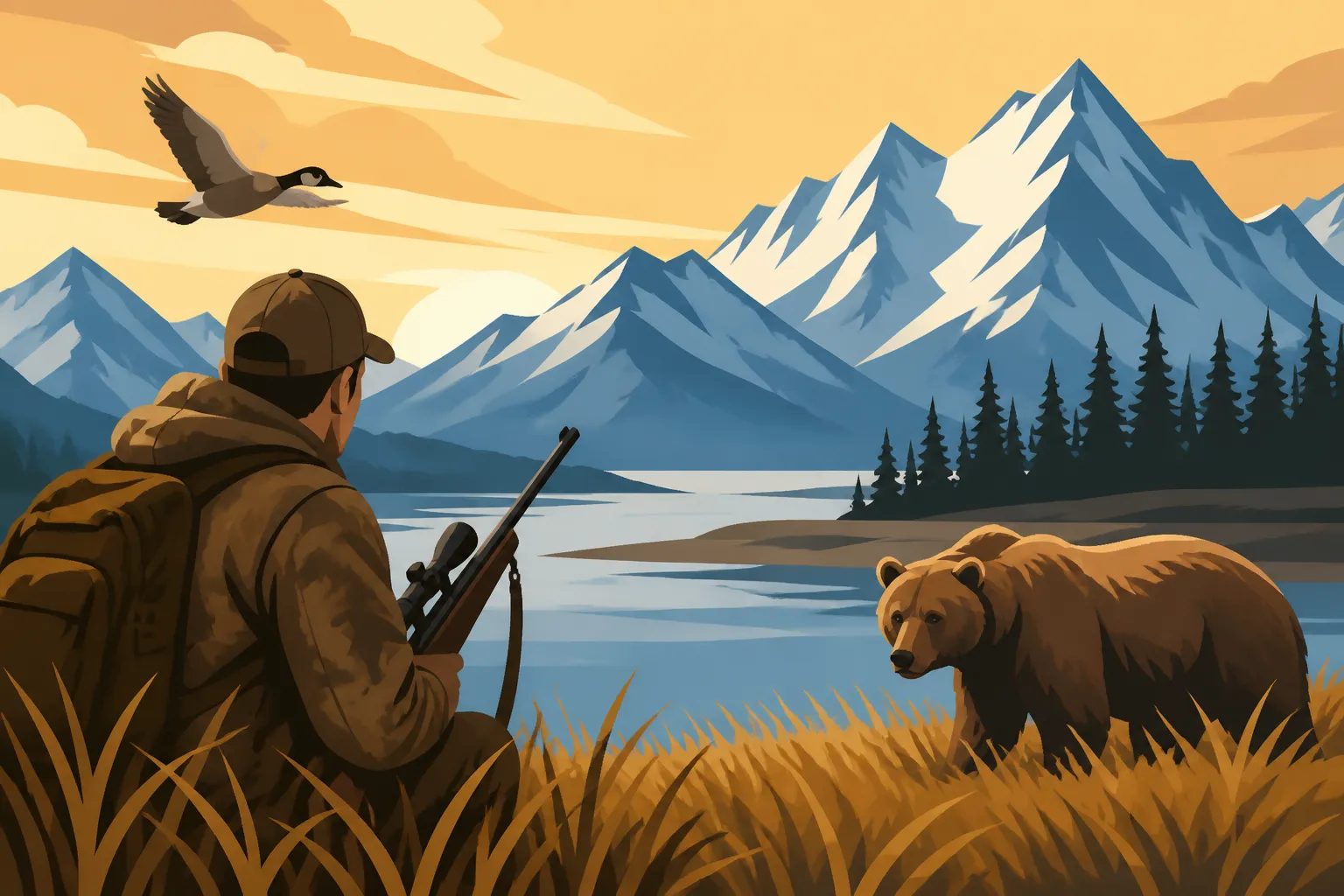
Without a doubt, coastal brown bears are the crown jewel for hunters venturing into Katmai and Lake Clark Preserves. These are truly magnificent animals, growing to immense sizes due to abundant salmon runs and rich coastal ecosystems. Lake Clark, in particular, has a strong reputation for offering exceptional brown bear hunting, with areas like the coastal plain providing prime habitat. Katmai National Preserve also holds healthy bear populations, especially in the drainages leading to Bristol Bay.
Hunting brown bears in these areas is a serious undertaking. It requires meticulous preparation, unwavering focus, and often the assistance of a Hiring an Alaska Registered Guide-Outfitter due to the nonresident guide requirement for this species. Success rates can vary, but the experience itself—tracking a large boar through rain-soaked alders or across open tundra, knowing you're in truly wild country—is unparalleled. Alaska Brown Bears on the Coast Versus Interior Grizzlies provides more context on these impressive animals. Be prepared for a physically demanding hunt, often in challenging weather, but the reward of a hard-earned trophy is immense.
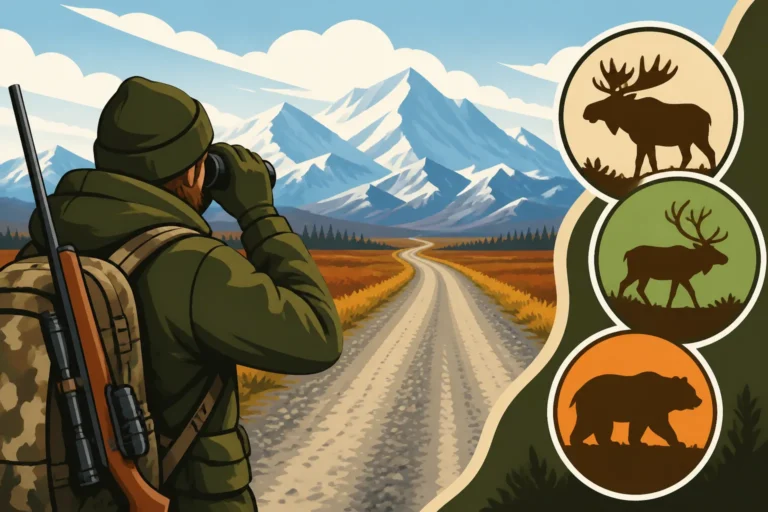
Moose and Caribou: Interior Opportunities
While bears dominate the coastal narratives, head deeper into the interior sections of Lake Clark and Katmai Preserves, and you'll find opportunities for moose and caribou. These hunts tend to be more physically demanding, requiring hunters to push further into roadless wilderness, often utilizing floatplanes or packrafts to access remote drainages.
In Lake Clark National Preserve, specifically the eastern interior portions, moose can be found in willow bottoms and riverine habitats. Caribou, though less consistent, can migrate through certain areas, particularly in the northern reaches, depending on herd movements. Katmai National Preserve also offers limited moose hunting, usually in the more northern and eastern parts, away from the immediate coast. These hunts often require a draw permit, emphasizing the need for advanced planning and an understanding of the drawing system. Resources like GoHunt can be invaluable for researching historical draw odds and harvest success for specific units within these preserves. For nonresidents, hunting these species does not require a guide, but working with an Alaska transporter or air taxi is almost essential for access. Float Hunting Alaska Rivers for Moose and Caribou could be a strategy for these deeper interior hunts.
Other Species: Small Game and Waterfowl
Beyond the big game, these preserves also offer chances for smaller species, which can provide excellent camp meat and additional recreation. Grouse species, like willow and rock ptarmigan, are common in the alpine and sub-alpine zones and can be a welcome addition to a dwindling food bag. Waterfowl hunting can be productive along the coastal marshes and larger rivers, particularly during migration.
While these hunts are often secondary to big game pursuits, they can add immensely to the overall wilderness experience. Remember that state regulations for small game and waterfowl still apply, including licensing and bag limits. Always carry the appropriate state hunting license and any required stamps, like a federal duck stamp if pursuing waterfowl. These smaller hunts are a great way to explore different habitats and add variety to your trip, making the most of your time in this vast landscape.
Navigating Access and Logistics for Remote Preserve Hunts
Getting to and hunting in Katmai and Lake Clark National Preserves isn't like driving to your local hunting grounds. These are vast, remote areas with no road access, meaning careful planning for transportation, camp setup, and meat extraction is absolutely critical.
Air Taxi and Floatplane Access
For the vast majority of hunters, air taxis and floatplanes are the primary means of reaching hunting locations within Katmai and Lake Clark Preserves. You'll typically fly commercially into a hub like Anchorage, King Salmon, or Homer, and then arrange a charter flight from there. Floatplanes are particularly common, as many of the best hunting areas are accessed via remote lakes and rivers. A good air taxi service isn't just a pilot; they're often local experts who understand the terrain, weather patterns, and specific landing zones.
When booking your air taxi, be sure to communicate your intentions clearly. Discuss gear weight, expected meat loads, and potential pickup dates. Weather can be a major factor in these regions, often causing delays, so build in extra buffer days into your schedule. It's common for air taxis to have specific weight limits, and you’ll need to plan your gear accordingly. Fly-In Hunting: Working With an Alaska Transporter Pilot goes into more detail on this essential service. Remember that air taxis are transporters, not guides, so they cannot assist with actual hunting activities or scouting once you're on the ground.
Boat and Packrafting Considerations
While air taxis are king, boat access can also be a viable, though more niche, option for specific coastal areas or larger river systems. This might involve chartering a boat from a coastal community or using your own robust craft if you're local and experienced. For areas slightly further afield from primary landing strips or lakes, packrafting offers an incredible way to extend your reach into drainages. Hauling a packraft into a remote lake via floatplane, then floating out with game, is a classic Alaska hunting adventure.
Packrafting demands a different set of skills and safety considerations, especially on braided rivers or those with significant rapids. Always scout your route beforehand, understand river conditions, and never underestimate the power of Alaskan waterways. Packraft Weight Versus Load Capacity is a crucial consideration, especially when you factor in the weight of game meat. These methods add layers of logistics but unlock truly untouched country, offering an unparalleled wilderness experience for those willing to embrace the challenge.
Camping and Resupply Challenges
Camping in these preserves means self-sufficiency is paramount. There are no developed campgrounds, no general stores, and certainly no cell service in most areas. You'll be establishing spike camps or base camps, carrying everything you need for the duration of your hunt, including food, fuel, first-aid, and shelter. Water sources are generally plentiful, but purification is always a must.
Resupply is practically non-existent once you're dropped off, so precise planning for every meal, every battery, and every piece of gear is vital. Consider strategies for food preservation, especially if you anticipate being in the field for an extended period, or if you're processing a large animal like a moose. Hanging Meat in Warm September Weather and Meat Care in 50-Degree September Weather are critical skills to master. When considering your gear, prioritize durability and reliability over weight alone, especially for essentials like your tent, sleeping system, and rain gear.
Permits, Regulations, and Hunter Responsibilities
Hunting in a National Preserve means navigating a dual layer of regulations: those set by the Alaska Department of Fish and Game and those imposed by the National Park Service. Overlooking either set can lead to serious consequences, so a thorough understanding is non-negotiable.
Alaska State Game Regulations and Permits
First and foremost, all hunters must adhere to Alaska's state hunting regulations. This includes purchasing the appropriate hunting license and any required locking tags for big game species like brown bear, moose, or caribou. For many of the premier hunts in Katmai and Lake Clark, you'll need to apply for draw permits, meaning success is not guaranteed. Alaska Big Game Locking Tags and What Each Costs and How Alaska's Big Game Drawing Permits Work provide essential information on these requirements.
Always check the current Alaska Hunting Regulations booklet for the specific Game Management Unit (GMU) you plan to hunt within the preserves. Season dates, bag limits, and legal animal definitions (like specific antler or horn requirements) can vary year to year and by unit. You are responsible for knowing and following these rules. After a successful harvest, reporting requirements must be met, often including sealing certain species like bears and wolves.
National Park Service Regulations and Specific Restrictions
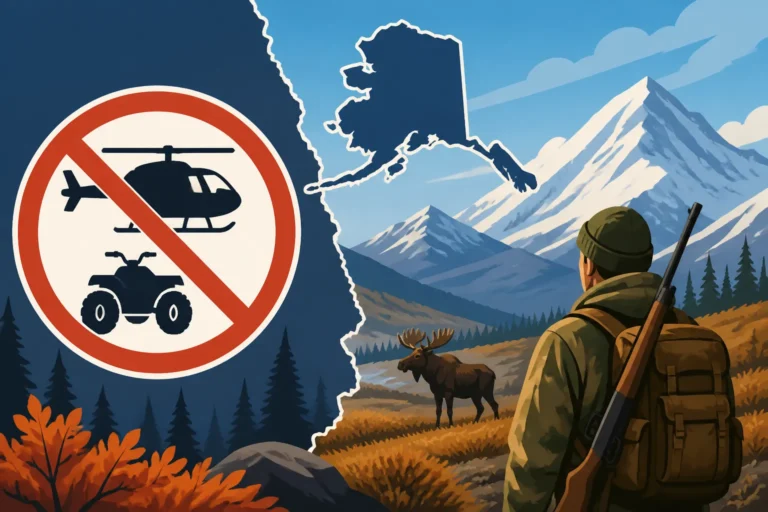
In addition to state rules, the National Park Service layers on its own set of regulations specific to the Preserves. These are designed to protect the park's resources and wilderness character. For example, specific areas within the preserves might have closures to protect sensitive wildlife populations or ecological sites. There may be limitations on the use of motorized vehicles, aircraft landings, or even methods of game retrieval.
While hunting is permitted, specific activities like baiting, off-road vehicle use, or establishing permanent camps are generally prohibited or heavily restricted. Always consult the specific hunting regulations for Katmai National Preserve and Lake Clark National Preserve directly from the National Park Service website. Pay close attention to rules regarding litter, waste disposal, and general wilderness ethics. Your behavior reflects on all hunters, and responsible practices help ensure these opportunities remain available.
Guide Requirements for Nonresidents
A critical regulation to be aware of, especially for brown bear and Dall sheep, is Alaska's nonresident guide requirement. For species like brown bear, Dall sheep, and mountain goat, nonresidents are legally required to be accompanied by an Alaska-licensed guide. This is a significant factor in hunt planning and budgeting.
If you are a nonresident planning a brown bear hunt in Katmai or Lake Clark, you must hire a registered Alaska guide. There is a limited exception for hunting with a "second-degree-kindred" relative who is an Alaska resident, but proving this kinship has its own strict requirements. For moose and caribou, nonresidents do not require a guide, but as mentioned, logistical support from an air taxi is almost certainly necessary. Alaska's Brown Bear, Sheep and Goat Guide Requirement outlines these rules clearly. Ensure any guide you consider is currently licensed and reputable, and that their concession permit covers the specific area you intend to hunt within the Preserve.
Planning for Safety and Success in Bear Country
Hunting in Katmai and Lake Clark Preserves means you are firmly in prime bear country. Both brown bears and black bears inhabit these areas, and encounters are not just possible, but highly probable. Prioritizing bear safety isn't about fear; it's about respect, preparation, and knowing how to respond calmly and effectively.
Proactive Bear Safety Measures
The best defense against a negative bear encounter is prevention. Always hunt with a partner or group. Make noise while traveling through dense brush or areas with limited visibility to avoid surprising a bear. Carry effective bear deterrents such as bear spray, easily accessible and know how to use it. Many hunters also carry a powerful firearm for self-defense, especially when processing meat, but bear spray is often recommended as a primary deterrent for surprise encounters. Bear Spray Versus Rifle at Close Range discusses this critical decision.
Proper food storage is paramount. All food, garbage, and scented items must be stored in bear-resistant containers or hung from trees out of a bear's reach. Never keep food inside your tent. When setting up camp, choose a site away from bear trails, dense cover, or obvious food sources like salmon streams. A portable electric bear fence around your camp and meat cache is an excellent investment and often a requirement in certain areas. These proactive measures drastically reduce the likelihood of attracting bears to your camp or having a dangerous encounter.
Handling a Kill in Bear Country
Successfully harvesting an animal in Katmai or Lake Clark presents its own unique set of bear safety challenges, as the smell of fresh meat can attract bears from a significant distance. When you make a kill, the clock starts ticking. Work quickly and efficiently to field dress and quarter your animal. Quartering a Bull Moose Alone in the Field is a monumental task, let alone under pressure. Have multiple people helping if possible.
Once the animal is down, secure the kill site. If possible, move the meat away from the gut pile, as the gut pile itself is a strong attractant. Elevate meat off the ground on poles or in game bags, or hang it from sturdy trees. A bear fence around your meat cache is almost non-negotiable in these preserves. Remain vigilant and make noise throughout the entire butchering process. Be prepared to defend your kill from an aggressive bear; remember that a bear viewing your kill as its own is a very different scenario than a casual encounter on a trail. Bear Safety While Butchering a Kill in Alaska covers essential tactics.
Weather and Emergency Preparedness
Beyond bears, the weather in southwest Alaska can be incredibly fickle and severe, even in late summer and early fall. Rain, wind, and sudden drops in temperature are common, especially along the coast. Hypothermia is a real threat, and prolonged periods of foul weather can ground air taxis, stranding hunters in the field.
Pack multiple layers of appropriate clothing, prioritizing waterproof and quick-drying materials. Always carry emergency shelter, extra food, and a reliable communication device such as a satellite phone or an inReach device. Establish a check-in plan with a trusted contact back home, and stick to it. Medical emergencies in such remote locations can be dire, so consider medical evacuation insurance as part of your trip planning. Signal Devices and Check-In Plans for Solo Alaska Hunts are vital, even when hunting with a partner. Being prepared for the worst allows you to fully enjoy the incredible, challenging, and rewarding hunting experience that Katmai and Lake Clark Preserves offer.
Table: Katmai Versus Lake Clark Preserves for Hunters
| Feature | Katmai National Preserve | Lake Clark National Preserve |
|---|---|---|
| Primary Draw | Coastal Brown Bear, limited Moose/Caribou | Coastal Brown Bear, Moose, Caribou, Dall Sheep (in certain areas) |
| Access Methods | Floatplane to lakes/rivers, boat charters to coastal areas | Floatplane to lakes/rivers, boat charters to coastal areas |
| Key Access Hubs | King Salmon, Iliamna, Homer | Iliamna, Homer, Anchorage |
| Terrain | Coastal plain, volcanic landscapes, tundra, braided rivers | Coastal mountains, glacial valleys, tundra, taiga, major rivers |
| Nonresident Guide Req. | Brown Bear: Yes; Moose/Caribou: No | Brown Bear/Dall Sheep: Yes; Moose/Caribou: No |
| Bear Density | Very high, especially near salmon runs (e.g., Brooks River area of Park, not Preserve) | Very high, throughout coastal and interior areas |
| Challenges | Remote logistics, intense weather, bear encounters, draw odds | Remote logistics, intense weather, bear encounters, rugged terrain |
| Best For | Trophy brown bear, wilderness experience | Trophy brown bear, diverse big game options, rugged backcountry |
Final Thoughts on Preserve Hunting
Hunting in Katmai and Lake Clark National Preserves isn't just a hunt; it's an expedition into one of the last true wildernesses. It demands respect for the land, the wildlife, and the unique regulations that protect these special places. The planning is intense, the physical demands can be significant, and the weather is often unforgiving. But for those who embrace the challenge, the rewards are immeasurable.
From glassing vast expanses for a Boone and Crockett bull to the heart-pounding anticipation of a brown bear encounter, these preserves offer experiences found almost nowhere else on Earth. Taking the time to thoroughly research, plan every detail, and understand your responsibilities will ensure your hunt is not only successful but also safe and legal. These are not easy hunts, but they are deeply fulfilling for the well-prepared hunter.
Disclaimer
This article is for general informational purposes only and does not constitute professional advice. Laws, prices and regulations vary by location and change over time. Consult a qualified professional for guidance on your specific situation.