Steese and Elliott Highway Access in Alaska
For many of us who dream of hunting Alaska, the romantic image of flying into a remote bush strip with a super cub is strong. But let's be real: that's not always in the cards, especially for those of us on a budget or who simply prefer the independence of driving. The truth is, accessing vast stretches of incredible hunting ground without needing an air taxi can be a real challenge, but the Steese and Elliott Highways offer critical lifelines into the Interior, unlocking opportunities for moose, caribou, bear, and more right off the road system. This guide will walk you through what to expect and how to make the most of these vital northern arteries for your next hunting adventure.
The Steese Highway: A Gateway to Interior Opportunities
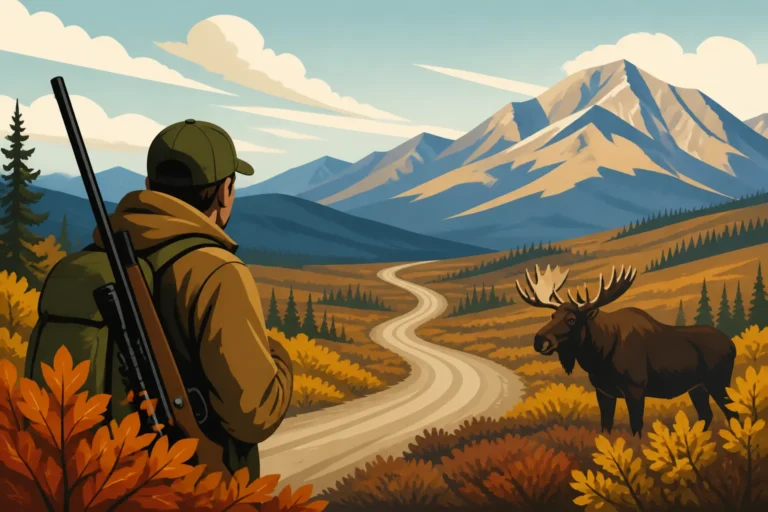
The Steese Highway, stretching northeast from Fairbanks towards Circle, is a classic Alaskan road-system hunt. It's a gravel artery that takes you through diverse landscapes, offering a much more accessible alternative to costly fly-in hunts while still providing that quintessential Alaska feel. For many, this highway is their first taste of genuine Interior Alaska hunting, a place where you can drive your rig, park, and start hiking into big country.
What the Steese Offers Hunters
When you think about hunting off the Steese, think variety. This highway carves its way through rolling hills, dense black spruce forests, and eventually opens up to expansive tundra plateaus as you gain elevation, especially once you get past the Goldstream Valley. This diverse terrain supports a healthy population of moose, particularly in the willow-choked creek bottoms and old burn areas. Caribou can also be a strong possibility, especially during migration periods when smaller, resident herds or segments of larger migrating herds move through the general area. Black bear are also prevalent, often found feeding on berries or fresh greens along south-facing slopes in the spring and fall. For those interested in smaller game, spruce grouse are often encountered along the trails and in the timber.
The beauty of the Steese is its DIY potential. You can literally pull off at a wide spot, shoulder your pack, and start your hunt. This allows for a tremendous amount of independence and exploration. Whether you're planning a day hunt from your truck or backpacking in for several days, the highway provides the initial access. This means you’re relying on your own scouting, grit, and understanding of the local wildlife rather than an outfitter's schedule, which can be incredibly rewarding. Alaska Moose Hunting Tactics for the September Rut are often applied here, where calling techniques can pull a bull out of thick willows along a drainage.
Navigating Access and Land Status
One of the biggest hurdles for any hunter planning a trip along the Steese Highway, or anywhere in Alaska for that matter, is understanding land ownership. The highway doesn't just run through one type of land; you'll encounter a patchwork of state lands, federal lands (often managed by the Bureau of Land Management), and even some Native Corporation lands or private parcels. It's absolutely critical to know where you are at all times. A good mapping application, like onX Hunt, becomes an indispensable tool here. It allows you to see property boundaries right on your phone, even when you're out of cell service, helping you avoid accidental trespassing or hunting in restricted areas.
Federal land, particularly BLM land, offers vast opportunities, but even here, there might be specific rules or controlled use areas you need to be aware of. State lands are generally open to public hunting but can also have localized restrictions. Native Corporation lands, like those owned by Doyon Ltd. in the Interior, usually require explicit permission or a permit, which often comes with a fee. Trying to navigate these invisible boundaries without a solid mapping system is a recipe for trouble. Take the time to understand Land Status in Alaska: State, Federal and Native Corporation before you even leave home; it will save you headaches in the field.
Popular Hunting Sections and Strategies
The Steese Highway can be broken down into different hunting zones, each with its own character. Closer to Fairbanks, you'll find more developed areas and higher hunting pressure, but also easier logistics. As you drive further north and east, towards towns like Central and Circle, the country opens up, and the pressure tends to decrease, though it's still a well-known hunting corridor. Sections where the highway crosses significant drainages like the Chatanika or Birch Creek often provide good starting points for pushing into moose country. Hunters frequently focus on areas that have burned in the last 10-20 years, as these regenerating willow and birch stands provide prime moose browse.
For caribou, timing is everything. While there isn't a massive caribou herd like the Western Arctic or Nelchina that consistently crosses the Steese, smaller resident herds or migratory bands can move through, particularly in the higher elevation, more open tundra sections further down the highway. Patience and extensive glassing are key here. Finding a high knob and spending hours with your binoculars and spotting scope can reveal game that's invisible from the road. Glassing at First Light Versus Midday is a classic strategy that pays dividends when hunting these open landscapes. For bear hunters, early spring or late fall can be productive, looking for fresh sign or baiting where legal and appropriate. Just make sure you're following all the rules for Bear Baiting in Alaska: How the Registered Site System Works.
The Elliott Highway: Pushing North to the Brooks Range Foothills
The Elliott Highway is another essential artery for road-system hunters, heading northwest from Fairbanks towards Livengood and eventually connecting to the Dalton Highway, which pushes even further north into true Arctic country. While it shares some characteristics with the Steese, the Elliott tends to feel more remote, rugged, and less traveled, especially once you pass the initial stretches. It's a highway that demands a bit more preparation but can reward the adventurous hunter with some truly wild experiences.
Species and Terrain Beyond the Dalton Turnoff
The landscape along the Elliott Highway undergoes a noticeable transformation as you drive north. Initially, you'll travel through similar boreal forest and rolling hills found closer to Fairbanks. However, as you continue towards the junction with the Dalton Highway, the terrain gradually becomes more open, dominated by black spruce forests interspersed with vast willow flats and increasingly prominent tundra ridges. This transition hints at the proximity of the Brooks Range foothills and can influence the types of game you'll encounter. While moose are still a primary target, especially in the low-lying wet areas and along river bottoms, the opportunity for caribou increases significantly, particularly in some years when segments of the Western Arctic Herd move into the broader area.
Black bear are common here, much like on the Steese, and interior grizzly bears are also present, requiring a heightened level of bear awareness. The further north you go, the more you truly feel like you're stepping into the wild, where the challenges and rewards are both amplified. This shift in terrain and wildlife means your hunting strategies will need to adapt, perhaps focusing more on long-range glassing for caribou or carefully navigating dense willow thickets for moose. The solitude, while appealing, also means you're often on your own if something goes wrong, making thorough preparation paramount.
Understanding Dalton Highway Corridor Rules
One of the most critical aspects of hunting off the Elliott Highway, especially for those venturing beyond the Livengood turnoff onto the Dalton, is understanding the highly specific and often complex regulations governing the Dalton Highway corridor. This isn't just another road; it's a vital supply route to the North Slope oil fields, and its unique status means unique rules. The main restriction hunters must be acutely aware of is the Dalton Highway Corridor Hunting Rules which establish a five-mile buffer on either side of the road where certain hunting activities, particularly those involving firearms, are prohibited or heavily restricted.
Specifically, there are Five-Mile Corridor Rules on the Dalton that often prohibit the discharge of firearms within that zone. This means that to hunt beyond a certain point, you have to pack in a minimum of five miles from the road to legally pursue game with a rifle. This immediately transforms a "road-system" hunt into a "backpacking" hunt, requiring different gear, fitness, and logistical planning. Bowhunters, however, often have different rules within the corridor, which can open up opportunities closer to the road for those equipped for archery. Always double-check the current regulations for the specific Game Management Unit (GMU) you intend to hunt, as these rules can change and interpretations can vary. Getting caught on the wrong side of these regulations can lead to serious fines and losing your game.
Preparing for Remote Elliott Highway Hunts
Hunting off the Elliott, particularly as you head towards the Dalton, demands a higher level of self-sufficiency and preparation than many other road-accessible areas. The services become sparse, cell service is non-existent for much of the drive, and the weather can be unforgiving. Your vehicle's preparedness is paramount: robust tires (a full-size spare is non-negotiable), extra fuel, a full tool kit, and emergency supplies like a shovel, tow strap, and jumper cables are essential. Breakdowns in these remote stretches can be serious, as traffic is light, and help can be hours, or even a full day, away.
Beyond your vehicle, personal gear must be up to the challenge. A reliable satellite communication device (like a satellite messenger or phone) is not just a luxury but a necessity for emergency check-ins and safety. Navigation tools, including a GPS loaded with offline maps (such as those provided by GoHunt or onX Hunt), are critical. Weather-appropriate clothing, a sturdy tent, a quality sleeping system, and enough food and water for unexpected delays are all non-negotiable. Remember, you're heading into country where even a relatively minor mishap can turn into a life-threatening situation if you're not prepared to handle it on your own for an extended period. This is where Signal Devices and Check-In Plans for Solo Alaska Hunts truly come into play, ensuring someone knows your itinerary and expects to hear from you.
Common Challenges and Overcoming Them on Road-System Hunts
Hunting off Alaska's road system, while offering incredible access and often lower costs, isn't without its unique set of challenges. It's a different beast than flying into a remote basin or floating a river, and recognizing these hurdles upfront can help you plan a more successful and less frustrating trip. The allure of accessible game draws many, and with that comes a few realities you'll need to contend with.
Pressure and Competition
Let's be honest: if you can drive to it, other hunters can too. This means that areas along the Steese and Elliott Highways, especially the easier-to-access spots, can see significant hunting pressure, particularly on opening weekends and during the peak of the moose rut. You might pull into a turnout only to find several other rigs already there, or walk into a seemingly pristine basin only to discover boot prints from another party. This isn't to say success isn't possible, but it requires adjusting your expectations and strategies.
To overcome this, you often have to work harder and smarter. One common tactic is to simply walk further than everyone else. Most hunters won't venture more than a mile or two from the road, so pushing three, four, or even five miles in can get you into less pressured animals. Hunting during the week, rather than the weekend, can also significantly reduce competition. Another approach is to target species or areas that aren't as popular, or to hunt during shoulder seasons when general pressure is lower. Sometimes, finding those overlooked pockets means more detailed map scouting with tools like GoHunt or onX Hunt, looking for terrain features that might funnel game or create natural barriers to human access, giving you a competitive edge.
Logistics of Meat Care and Retrieval
This is perhaps the single biggest hurdle for many road-system hunters, especially if you're successful with a large animal like a moose. Unlike a fly-in hunt where an air taxi can often pick up meat closer to the kill site, or a float hunt where you can load a raft, on a road hunt, you're often looking at a significant pack-out. Imagine dropping a 1,200-pound bull moose three miles from the highway, across marshy ground, up a hillside, and through thick timber. That's a back-breaking, multi-day endeavor, even with a strong crew. Packing Out Meat in Alaska: The Salvage Law Hunters Must Follow demands that all edible meat be salvaged, which means you can't just take the antlers and a few choice cuts.
Before you ever leave home, have a solid plan for meat retrieval. Will you have multiple people to help? Do you have heavy-duty game bags and a sturdy pack frame? Are you physically conditioned for heavy loads? Consider if an ATV could be legally used in the area you plan to hunt to help with retrieval, but be absolutely sure of the rules. Quartering a Bull Moose Alone in the Field is a monumental task, and having the right tools and knowledge is essential. For smaller animals like caribou or deer, the task is less daunting, but still requires good planning. Always think about how you'll get the animal from where it falls back to your vehicle, and then how you'll get it home. Keeping meat cool, especially in early September weather, is also a critical consideration.
Weather and Road Conditions
Interior Alaska weather is notoriously unpredictable. A beautiful, crisp fall morning can quickly turn into a torrential rainstorm, a white-out snow squall, or a cold, driving wind. These conditions directly impact not only your comfort and safety but also road conditions and hunting success. Gravel highways like the Steese and Elliott can become treacherous with heavy rain, turning into muddy, rutted messes, or becoming slick with ice and snow later in the season. Dust can also be a major issue during dry spells, reducing visibility and coating everything.
Always check the weather forecast before and during your hunt, but be prepared for anything. Quality rain gear, warm layers, and sturdy, waterproof boots are non-negotiable. Road conditions can change hourly, so allot extra travel time and always err on the side of caution. Getting stuck far from civilization is a serious situation. Understand that bad weather can also affect game movement. Heavy rain might push animals into denser cover, while a fresh snow can make tracking easier but also make travel more difficult. Having flexible plans and being willing to adapt to what Mother Nature throws at you is a hallmark of a successful Alaskan hunter.
Planning Your Road-Accessible Alaska Hunt
A successful hunt on the Steese or Elliott Highways hinges not just on luck, but on meticulous planning and thorough preparation. You're not just driving into the wilderness; you're entering a complex system of regulations, varied terrain, and wild animals, all of which demand respect and understanding. Think of your preparation as the foundation upon which your adventure is built, making the difference between a memorable trip and a frustrating one.
Researching Game Management Units and Regulations
Alaska is divided into numerous Game Management Units (GMUs), and each one, sometimes even specific subunits within a GMU, can have vastly different regulations. What's legal for moose in GMU 20B (part of the Steese corridor) might be completely different from GMU 25C (further north along the Elliott). This is where your homework really pays off. You'll need to know which species are open, during what dates, what the bag limits are, and if any antler restrictions apply (e.g., spike-fork or 50-inch rules for moose). Furthermore, some hunts require special permits beyond just a general hunting license and locking tag. You might need a registration permit, which often has a quota and can close by emergency order, or a drawing permit, which you apply for months in advance.
This means diving deep into the Alaska Department of Fish and Game (ADF&G) hunting regulations booklet. Don't just skim it; read it thoroughly for your chosen GMU and species. Pay close attention to season dates, which can vary significantly even for the same species across different units. For example, When Moose Seasons Open Across Alaska Units can differ by weeks, impacting your hunting window. Understanding the specifics of Alaska Harvest Tickets, Registration Permits and Draw Permits is crucial to avoid violations. Remember, ignorance of the law is not an excuse, and a citation in remote Alaska is an expensive and frustrating mistake.
Utilizing Mapping and Scouting Tools
In today's age, technology is a hunter's best friend, especially for road-system hunts where getting away from the crowd is key. Digital mapping applications like onX Hunt and GoHunt are indispensable. These platforms provide detailed satellite imagery, topographic maps, and crucially, land ownership overlays that clearly show state, federal, Native Corporation, and private lands. This allows you to identify public access points, potential walk-in areas, and boundaries you need to respect. Before you even set foot on Alaskan soil, you can spend hours scouting potential hunting grounds from your couch.
Using these tools, you can identify promising terrain features: willow flats for moose, high ridges for glassing caribou, old burn areas for browse, and creek drainages that might offer natural travel corridors for game. You can mark potential campsites, water sources, and escape routes. Downloading offline maps is absolutely essential, as cell service along both the Steese and Elliott Highways is spotty at best and non-existent for long stretches. This ensures you always have your navigation tools, even when off the grid. While not strictly a fly-in hunt, the principles outlined in Scouting a Unit From Satellite Imagery Before You Fly are incredibly relevant for planning efficient walk-ins from the highway. These tools are far more than just navigation aids; they are strategic planning instruments that can give you a significant advantage.
Essential Gear for Road-System Success
Beyond your hunting weapon and tags, the gear you bring for a road-accessible Interior Alaska hunt needs to be robust, reliable, and appropriate for the conditions. Your vehicle, as mentioned, is your lifeline. Beyond that, consider everything you need to be self-sufficient and safe.
Here's a quick table outlining some key gear considerations:
| Category | Essential Items | Considerations |
|---|---|---|
| Navigation | GPS unit, satellite messenger/phone, compass, paper maps | Offline capabilities, spare batteries, check-in plan. |
| Shelter/Sleep | Four-season tent, sleeping bag (0-20F rating), sleeping pad | Wind and rain resistant, lightweight for packing in, good insulation for cold nights. |
| Clothing | Layered system (base, mid, outer), rain gear, warm hat/gloves | Synthetic or wool (no cotton), waterproof and breathable outer shell, extra socks. |
| Optics | Binoculars (10x-15x), spotting scope, tripod | High quality for long-range glassing, stable tripod for hours of observation. |
| Meat Care | Game bags (nylon or synthetic), pack frame, sharp knives, sharpening tool | Breathable, sturdy bags for ventilation, strong pack frame for heavy loads, sharp knives for quick quartering. |
| Safety/Emergency | First-aid kit, bear spray, fire starter, headlamp, emergency rations | Comprehensive kit, readily accessible bear spray, reliable light source, signaling device. |
| Vehicle Prep | Full-size spare tire, jack, lug wrench, tire repair kit, extra fuel, tow strap, shovel, tools | Perform pre-trip inspection, carry enough fuel for detours and emergencies. |
| Cooking/Food | Lightweight stove, fuel, freeze-dried meals, snacks | Easy to prepare, high-calorie, compact. |
Remember, Backpack Hunting in Alaska: Gear Weight and Meat Loads is always a balance. While you might have your truck to haul a lot, anything you carry beyond the road will be on your back. Think critically about every item: is it multi-purpose? Is it absolutely essential? The lighter you can go without sacrificing safety and crucial functionality, the further and more comfortably you can hunt away from the road.
Respecting the Land and Other Users
Hunting on Alaska's road system, by its very nature, means you're often sharing the landscape with a wider variety of users than if you were dropped into a truly remote wilderness. This includes other hunters, locals who live along these highways, and tourists or recreationalists enjoying the scenery. Being a responsible and respectful user of the land isn't just good manners; it's essential for maintaining a positive image of hunting and ensuring continued access for everyone.
Practicing Low-Impact Hunting
The principles of "Leave No Trace" are paramount when hunting anywhere in Alaska, but particularly so in more accessible areas like the Steese and Elliott corridors. This means packing out everything you pack in, including all trash, spent casings, and even organic waste like orange peels. Leave your campsite cleaner than you found it. Avoid creating new, unnecessary trails; stick to established paths or travel in a manner that minimizes your impact on vegetation.
When you make a kill, take all necessary steps to process the animal efficiently and cleanly. Bury offal away from water sources and trails, or distribute it widely to allow natural decomposition without attracting undue attention or creating a nuisance. Be mindful of fire safety, especially in dry conditions. Carry a small trowel for burying human waste. The goal is that no one coming after you would know you were ever there, preserving the wild character of these accessible areas for future generations of hunters and outdoor enthusiasts.
Interacting with Other Hunters and Locals
You're bound to encounter other hunters along these highways. A simple nod, a friendly wave, or a polite chat about conditions can go a long way. Avoid driving aggressively, cutting off other vehicles, or hogging prime pull-outs. If you see another hunter already working an area, respect their space and either choose a different spot or give them ample room. There's plenty of country for everyone, and creating unnecessary conflict detracts from everyone's experience.
Likewise, remember that people live along these highways, in communities like Central, Circle, and Livengood. These are active communities, not just scenery for your hunt. Be respectful of private property, drive carefully through towns, and support local businesses if you can. Fuel stops, local diners, or small stores can be vital resources, and maintaining good relationships with residents ensures a welcoming environment for hunters. Always check land ownership with tools like onX Hunt to ensure you're not encroaching on private or Native Corporation lands without permission.
Wildlife Viewing and General Public
The Steese and Elliott Highways are popular scenic routes, especially during the summer and fall. This means you'll share the road with many non-hunters who are out to enjoy the scenery, photograph wildlife, or simply drive Alaska's iconic routes. Be mindful that your hunting activities are visible to the general public. Exercise common sense and discretion. Don't process an animal right on the side of the road where families are picnicking. Conduct your activities professionally and ethically, remembering that you represent the larger hunting community.
If you have an animal in the back of your truck, cover it respectfully. While most Alaskans understand and appreciate hunting, not everyone from out of state might, and their perception can influence public opinion. By being a responsible, courteous, and respectful hunter, you contribute positively to how hunting is viewed, ensuring these incredible road-accessible opportunities remain open for all of us who love to chase game in the Last Frontier.
Disclaimer
This article is for general informational purposes only and does not constitute professional advice. Laws, prices and regulations vary by location and change over time. Consult a qualified professional for guidance on your specific situation.